• Login
Upgrade
JStories
  • 日本語
  • 中文 (中国)
No Result
View All Result
  • Home
  • AI
    • Artificial Intelligence
    • Robotics
    • Mobility
  • Earth
    • Energy
    • Climate Tech
    • AgriTech
    • Clean Tech
    • Disaster Tech
    • SpaceTech
  • Life Sciences
    • BioTech
    • HealthTech
    • MedTech
    • AgeTech
  • Society
    • Media
    • EdTech
    • Diversity
    • FemTech
    • HRTech
    • LegalTech
    • Social Impact
    • FinTech
    • Anime
  • Lifestyle
    • FoodTech
    • FashionTech
    • BeautyTech
    • Wellbeing
    • Art & Music
  • Travel
    • Adventure Travel
    • Luxury Travel
    • Wellness & Medical Tourism
    • Culture
  • Video
  • Deals
    • Venture Capital
    • M&A
    • Startup Events
    • Pitch
    • Ecosystem Support
  • Interview
  • Opinion
  • Home
  • AI
    • Artificial Intelligence
    • Robotics
    • Mobility
  • Earth
    • Energy
    • Climate Tech
    • AgriTech
    • Clean Tech
    • Disaster Tech
    • SpaceTech
  • Life Sciences
    • BioTech
    • HealthTech
    • MedTech
    • AgeTech
  • Society
    • Media
    • EdTech
    • Diversity
    • FemTech
    • HRTech
    • LegalTech
    • Social Impact
    • FinTech
    • Anime
  • Lifestyle
    • FoodTech
    • FashionTech
    • BeautyTech
    • Wellbeing
    • Art & Music
  • Travel
    • Adventure Travel
    • Luxury Travel
    • Wellness & Medical Tourism
    • Culture
  • Video
  • Deals
    • Venture Capital
    • M&A
    • Startup Events
    • Pitch
    • Ecosystem Support
  • Interview
  • Opinion
en English ja 日本語 zh 中文 (中国)
JStories
No Result
View All Result

Upcycling “troubled” water plants into biofuel and craft gin【Update】

Emi Takahata by Emi Takahata
11/02/2023
in AgriTech, Clean Tech, Climate Tech, Earth
0
Home Earth AgriTech
Share on FacebookShare on Twitter

J-STORIES – If you can’t beat them, drink them. A Japanese company found a novel and eco-friendly way of turning a plant problem into a profitable opportunity. Sunwaspa, a Gifu-based paper and clothing recycling company, is helping communities in Cambodia by turning water hyacinths into craft gin and bioethanol.

Water hyacinth, a freshwater flowering plant that grows worldwide, is considered an invasive species when left to spread quickly. It creates a dense canopy on the water’s surface, thereby lowering dissolved oxygen and blocking sunlight, which affects fish and other water species. Water hyacinth overgrowth can also cause fishing and water transportation obstructions.

Such is the case at Tonle Sap Lake, Cambodia. Sunwaspa found a solution that will squeeze benefits from these water plants and help the lakeside communities. In cooperation with the Cambodian province of Kampong Chhnang, the company built in May 2023 a mass production plant that would process the water hyacinths into bioethanol, a sustainable energy source. The removal and processing provide employment to the local people.
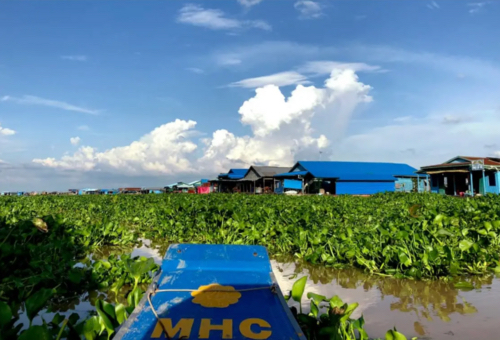
Tonle Sap Lake and water hyacinth.     Source: Sunwaspa

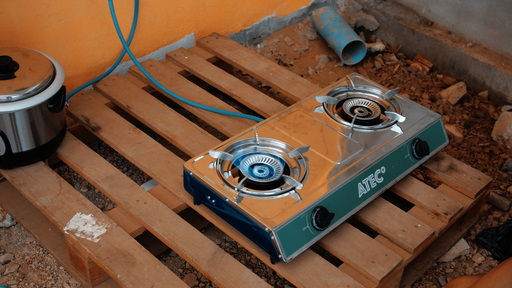
The plant has a production capacity of 55 liters per day. Bioethanol can be used as generator fuel and disinfectant. In addition, the methane gas byproduct of the ethanol-making process is used in the facility’s living quarters.
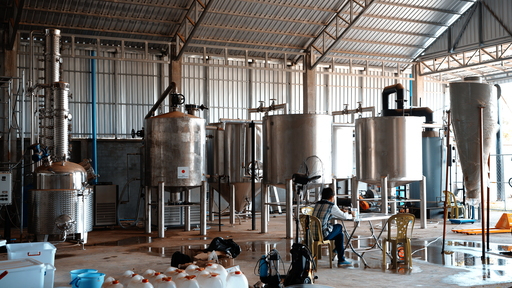
Ethanol tanks.    Source: Sunwaspa
Stove connected to ethanol tank.      Source: Sunwaspa
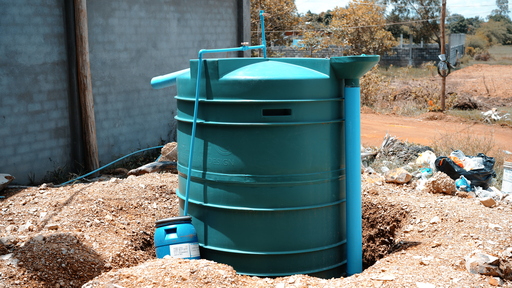
Outdoor ethanol tank.     Source: Sunwaspa
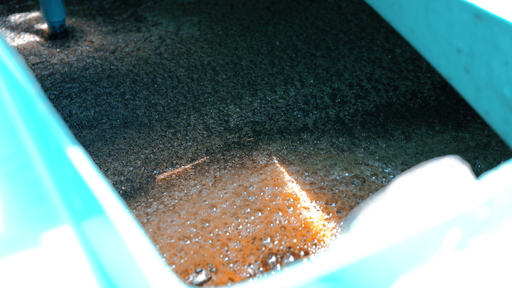
Contents of outdoor ethanol tank.     Source: Sunwaspa

Interestingly, the best use of this bioethanol production can be found not in fuel tanks but in bottles. Sunwaspa found out that the bioethanol market isn’t too profitable, so it started producing craft gin. According to the company, the value of ethanol spikes 100 times when used in spirits compared to when used as fuel.

In fact, the company has started supplying the high-end craft gin Mawsim to Cambodian restaurants, bars, and hotels, as well as to other countries online. Mawsim is highly praised worldwide after winning many liquor awards, such as “World’s best Award” at the WORLD GIN AWARDS 2023 in January 2023 and the Gold Prizes at the IWSC 2023.

Sunwaspa’s operations are not limited to Cambodia. CEO Tomotada Hara hopes to expand its renewable resource and biomass generation technology to other nations like Laos and Sri Lanka. According to the company, it seeks to expand the future of its recycling business in the growing overseas market, driven by its motto of “finding value in unwanted items.”

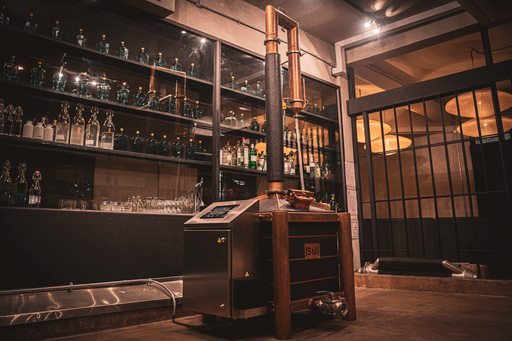
Craft Gin”MAWSIM”.     Source: Sunwaspa
“MAWSIM” Tanks.      Source: Sunwaspa

Translation by Tony McNicol

Update by Erin Hirakawa

Editing by Desiderio Luna and Takanori Isshiki

Top page photo by Sunwaspa

For inquiries about this article, please contact us at jstories@pacificbridge.jp


Click here for the Japanese version of the article.

Tags: bioethanolBiofuelsCambodiaJapanplant
Previous Post

Wooden satellites touted as an eco-friendly alternative to polluting aluminum

Next Post

Weaving history: Japanese kimono artisans enter India’s sari market

Emi Takahata

Emi Takahata

Related Posts

Clean Tech

Japanese startup turns eggshell waste into eco-friendly plastics and paper

by Yoshiko Ohira
02/06/2026
Earth

A world first: Detecting road sinkholes from space

by Ayaka Sagasaki
01/30/2026
AgriTech

Fish scraps as a hidden treasure

by Kei Mizuno
01/16/2026
AgriTech

Can a small robot save Japan’s terraced paddies?

by Yoshiko Ohira
11/28/2025
Clean Tech

From swordfish to blue jeans: How a Japanese craftsman turns waste into wear

by Yoshiko Ohira
11/07/2025
Next Post

Eco-friendly next-generation laundromat that doesn't use detergent

Leave a Reply Cancel reply

Your email address will not be published. Required fields are marked *

Videos

Round-Up Video #32

11/03/2022

Round-Up Video #34

11/17/2022

Round-Up Video #38

12/15/2022

Browse by Tags

Ai Alternative Energy biotechnology Climate Change Community decarbonization Education Event Food foodtech Health Inclusion Infrastructure Innovation Interview J-Stories Japan Japan-Taiwan Innovation Summit Japan startups Japan Tech Labor Living Nature Podcast Recycling Refugees robotics Society Space Startup Startup Ecosystem Startups SusHI Tech Tokyo Sustainability Sustainable Society Taiwan Technology Tokyo Tokyo Innovation Base Tokyo Metropolitan Government Tokyo Updates venture capital video Wealth Zero Waste
JStories

©Articles and photos published on JSTORIES are protected by Japanese copyright law and international treaties. They cannot be reproduced without the permission of the copyright holders

Explore JStories

  • About Jstories
  • Company
  • Contact
  • Home
  • Partner Press Releases
  • Pricing
  • Privacy Policy
  • Team

Follow Us

Welcome Back!

Login to your account below

Forgotten Password?

Retrieve your password

Please enter your username or email address to reset your password.

Log In
No Result
View All Result
  • Home
  • AI
    • Artificial Intelligence
    • Robotics
    • Mobility
  • Earth
    • Energy
    • Climate Tech
    • AgriTech
    • Clean Tech
    • Disaster Tech
    • SpaceTech
  • Life Sciences
    • BioTech
    • HealthTech
    • MedTech
    • AgeTech
  • Society
    • Media
    • EdTech
    • Diversity
    • FemTech
    • HRTech
    • LegalTech
    • Social Impact
    • FinTech
    • Anime
  • Lifestyle
    • FoodTech
    • FashionTech
    • BeautyTech
    • Wellbeing
    • Art & Music
  • Travel
    • Adventure Travel
    • Luxury Travel
    • Wellness & Medical Tourism
    • Culture
  • Video
  • Deals
    • Venture Capital
    • M&A
    • Startup Events
    • Ecosystem Support
  • Interview
  • Opinion

©Articles and photos published on JSTORIES are protected by Japanese copyright law and international treaties. They cannot be reproduced without the permission of the copyright holders

Are you sure want to unlock this post?
Unlock left : 0
Are you sure want to cancel subscription?