


JSTORIES – The bond between Japan and Wales, forged through rugby, is creating new business opportunities. The stage for this is Kitakyushu City, chosen by the Welsh national team as their training camp location during the 2019 Rugby World Cup held in Japan. The connection between the two regions is now deepening in the form of support for innovative startups.
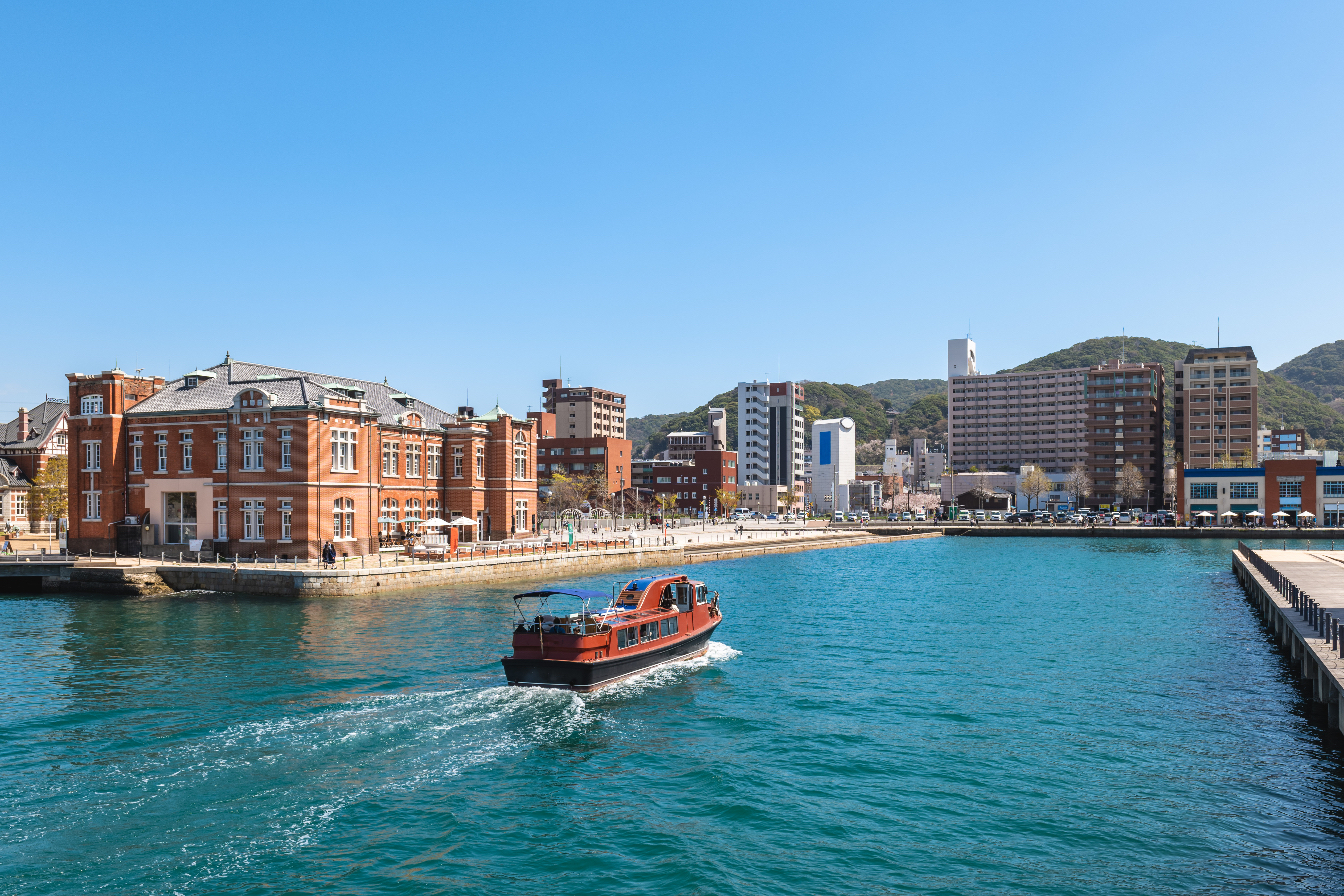
The Welsh government launched a year-long campaign in January of this year called “Wales and Japan 2025,” aiming to expand economic and cultural exchanges with Japan. As part of this campaign, two promising Welsh startups were invited to Kitakyushu City to participate in a “Welsh Startup/Support Organization Pitch Event and Networking Session.”
“More than five years after the World Cup, Japan’s spirit of hospitality towards visitors from Wales remains unchanged,” Othane Roberts, Business Development Manager at HydroWing , a tidal power startup and one of the participating companies, told JSTORIES.
Like South Wales in the past, Kitakyushu City flourished as an export hub for coal mines that supported Japan’s coal industry. However, in the mid-20th century, it faced the challenge of economic contraction along with the decline of the coal industry. The city diversified its local industries into fields such as automobile manufacturing, robotics, and environmental technology, and has now developed significantly as a hub for sustainable energy technology and advanced manufacturing in Japan.
Beyond their shared history as coal mining powerhouses, the Rugby World Cup provided a great opportunity to strengthen ties between the two regions. When the Welsh national team chose Kitakyushu City as their training camp location, the citizens welcomed them with open arms. More than 15,000 locals filled Kitakyushu Stadium for an open practice session, waving Welsh flags and cheering on the team, greatly boosting their morale.
Warren Gatland, who was the head coach of the Welsh national team at the time, recalls, “The players were deeply moved when they saw the Welsh flags and posters displayed all over the city. It was a truly wonderful experience to have the whole city cheering us on.”
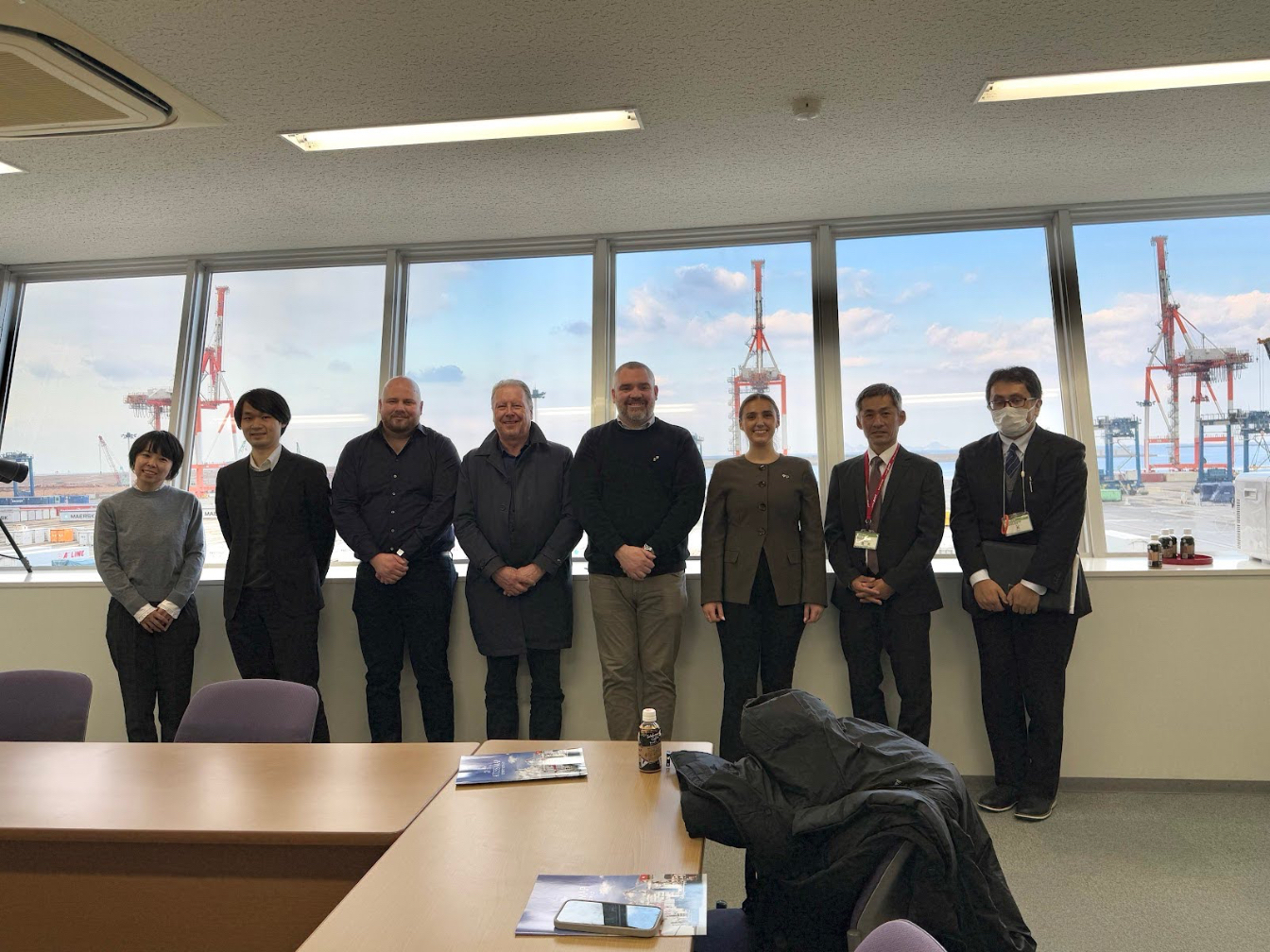
At the event in January of this year, the city of Kitakyushu worked diligently to attract Welsh companies. Roberts of HydroWing, a member of the delegation, said, “They really understood our needs. We were given a very warm welcome.”
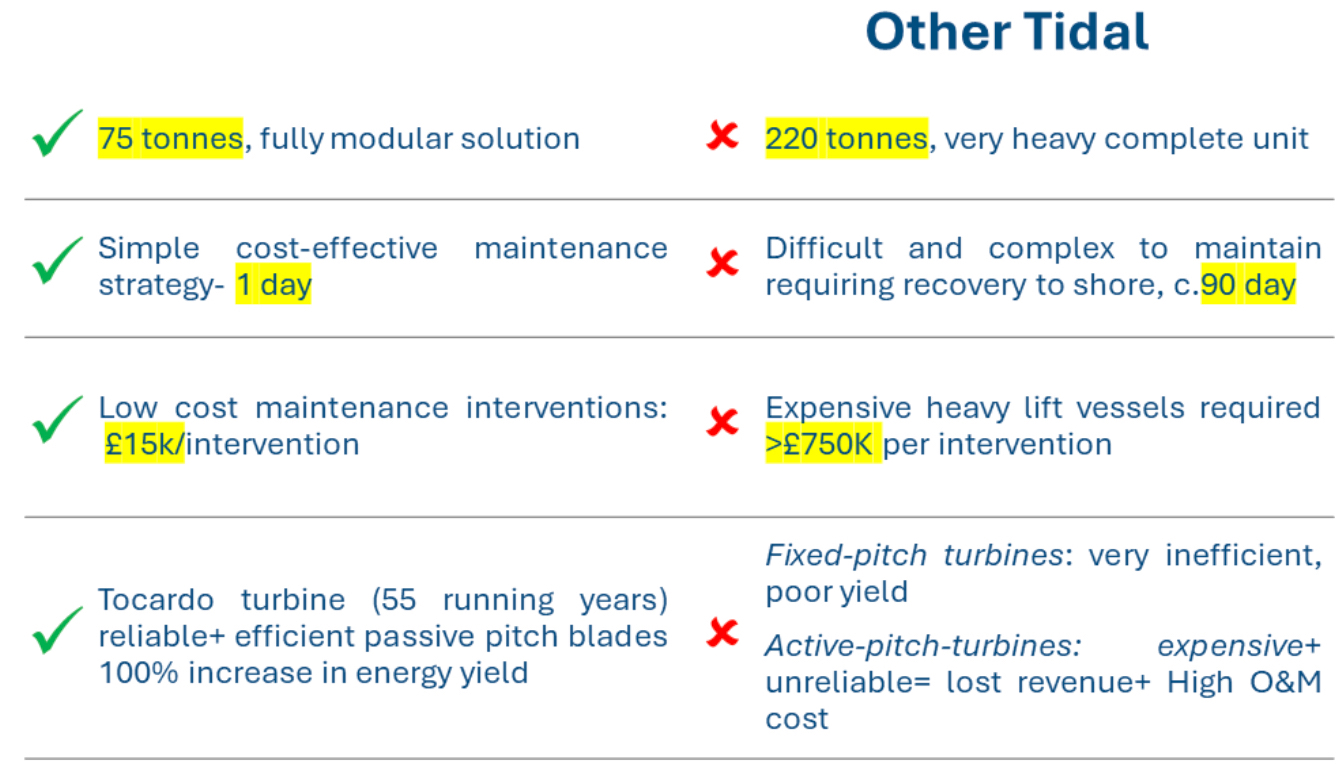
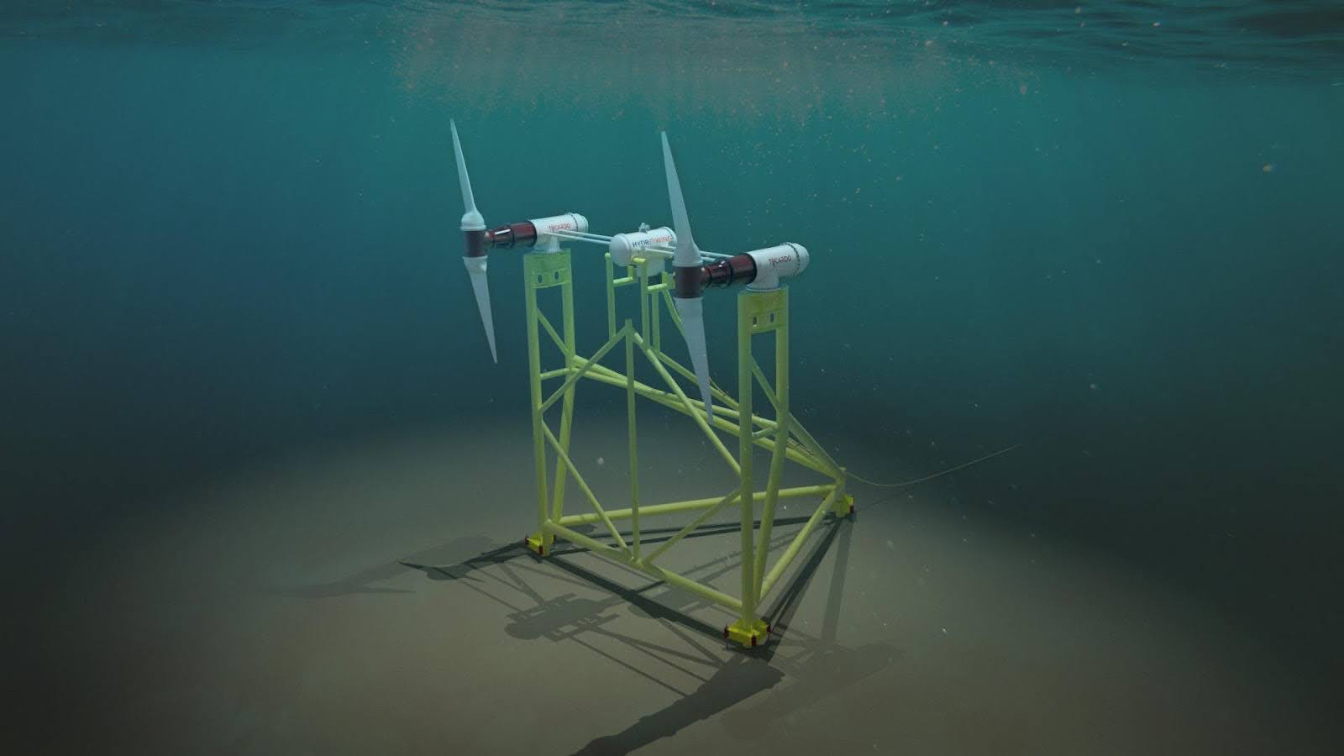
HydroWing is a startup that uses tidal currents to power special fans installed underwater to generate clean energy. Their fans can automatically adjust their direction to match the water flow, enabling more efficient power generation compared to conventional tidal power technologies. Furthermore, its compact design, unlike traditional tidal power systems, allows for significant reductions in installation costs and construction time.
Given that Kitakyushu City is a major port city and a key hub for sustainable energy technology in Japan, HydroWing hopes that it will attract interest in its tidal power generation technology.
Kitakyushu City recently announced plans to invest 100 million yen in a startup support fund that will officially launch in April of this year. The fund aims to promote tourism, support women’s empowerment, and advance a sustainable society. Furthermore, the city plans to establish a “Sustainability Strategy Division” and a “Global Challenge Department” to promote various measures such as tourism promotion, business attraction, and international exchange.
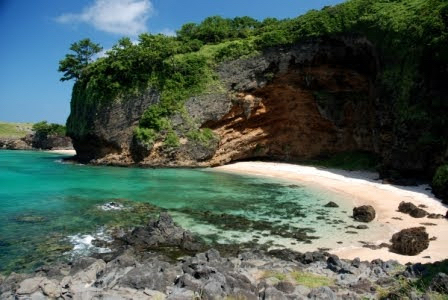
HydroWing is also paying attention to the Goto Islands in Nagasaki Prefecture, located about 270km south of Kitakyushu, as a “promising potential customer” because the island has declared its intention to utilize sustainable energy technologies.
Goto City, the central city of the archipelago, currently meets approximately 60% of its electricity consumption with renewable energy. However, by fiscal year 2030, it aims to expand this energy production to 132.4%, not only covering the city’s total consumption but also supplying any surplus to other regions.
Roberts stated, “If the project proceeds smoothly, we would like to use Kitakyushu Port as our business base,” and emphasized, “Japan’s geographical characteristics are very suitable for tidal power generation. There are limits to onshore renewable energy, but utilizing the sea opens up new possibilities.”
HydroWing’s interest in Japan isn’t solely due to its geographical location surrounded by the sea. It stems from their belief that “Japanese power companies and major oil and gas companies are actively seeking to diversify their businesses by incorporating renewable energy,” (according to the company).

In Japan, the momentum for phasing out nuclear power significantly increased following the 2011 Fukushima Daiichi nuclear power plant accident. In fact, in fiscal year 2010, before the accident, nuclear power generation amounted to approximately 288.2 billion kWh, accounting for about 25% of total electricity generation. However, since fiscal year 2011, it has decreased sharply, and for example, in fiscal year 2022, nuclear power generation accounted for only 5.5% of total electricity generation.
Roberts expects that “Wales will ultimately choose nuclear power (which is cheaper), but in Japan, there will be growing interest in tidal power as a means of diversifying electricity sources.”
Promoting the acceptance of overseas entrepreneurs is becoming increasingly important for Japan’s industrial policy. Organizations such as the Japan External Trade Organization (JETRO) are providing networking opportunities and financial support to make it easier for overseas startups to enter the Japanese market. Furthermore, in its “Five-Year Startup Development Plan” announced in 2022, the Japanese government set a goal of investing 10 trillion yen in startup support by 2027.
Furthermore, events such as the “Japan-Taiwan Innovation Summit 2024” and the “SusHi Tech Tokyo 2024 Global Startup Program” provide opportunities for overseas companies to showcase their ideas to Japanese investors.
On the other hand, challenges such as language barriers and cultural differences remain significant, making entry into the Japanese market by no means easy. Nevertheless, international collaborative events like “Wales and Japan 2025” are lowering the hurdles for foreign investors to enter the Japanese market and opening up new possibilities.
Roberts also stated that obtaining permits for marine energy projects in Japan involves many bureaucratic procedures, but expressed optimism that, despite the complexity of the process, the support system in place could ultimately lead to a smoother workflow from project idea to implementation compared to the UK, where companies have to handle everything themselves.
“We have the opportunity to access a global market worth £53 billion annually. There is plenty of opportunity for further growth,” Roberts said.
Translation: Hanako Fujikawa
Edited by: Katsuro Kitamatsu
Top video: HydroWing
For inquiries regarding this article, please contact jstories@pacificbridge.jp.
The English version of this article can be viewed here .