• Login
Upgrade
JStories
  • 日本語
  • 中文 (中国)
No Result
View All Result
  • Home
  • AI
    • Artificial Intelligence
    • Robotics
    • Mobility
  • Earth
    • Energy
    • Climate Tech
    • AgriTech
    • Clean Tech
    • Disaster Tech
    • SpaceTech
  • Life Sciences
    • BioTech
    • HealthTech
    • MedTech
    • AgeTech
  • Society
    • Media
    • EdTech
    • Diversity
    • FemTech
    • HRTech
    • LegalTech
    • Social Impact
    • FinTech
    • Anime
  • Lifestyle
    • FoodTech
    • FashionTech
    • BeautyTech
    • Wellbeing
    • Art & Music
  • Travel
    • Adventure Travel
    • Luxury Travel
    • Wellness & Medical Tourism
    • Culture
  • Video
  • Deals
    • Venture Capital
    • M&A
    • Startup Events
    • Pitch
    • Ecosystem Support
  • Interview
  • Opinion
  • Home
  • AI
    • Artificial Intelligence
    • Robotics
    • Mobility
  • Earth
    • Energy
    • Climate Tech
    • AgriTech
    • Clean Tech
    • Disaster Tech
    • SpaceTech
  • Life Sciences
    • BioTech
    • HealthTech
    • MedTech
    • AgeTech
  • Society
    • Media
    • EdTech
    • Diversity
    • FemTech
    • HRTech
    • LegalTech
    • Social Impact
    • FinTech
    • Anime
  • Lifestyle
    • FoodTech
    • FashionTech
    • BeautyTech
    • Wellbeing
    • Art & Music
  • Travel
    • Adventure Travel
    • Luxury Travel
    • Wellness & Medical Tourism
    • Culture
  • Video
  • Deals
    • Venture Capital
    • M&A
    • Startup Events
    • Pitch
    • Ecosystem Support
  • Interview
  • Opinion
en English ja 日本語 zh 中文 (中国)
JStories
No Result
View All Result

How much caffeine would you like in your coffee?

Yoshiko Ohira by Yoshiko Ohira
03/15/2025
in FoodTech, Lifestyle, Social Impact, Society, Wellbeing
0
Home Lifestyle FoodTech
Share on FacebookShare on Twitter

JSTORIES ー Many people, such as pregnant and breastfeeding women, or those with caffeine sensitivity, need to avoid the stimulant. However, to date, the choice has been between “ordinary coffee” and “decaf coffee.” Now, a Tokyo startup is developing a sophisticated coffee production method that lets coffee drinkers choose a caffeine amount to match their lifestyle and health needs. It also allows coffee mavens to drink several cups of full-bodied coffee a day without fear of consuming too much caffeine.
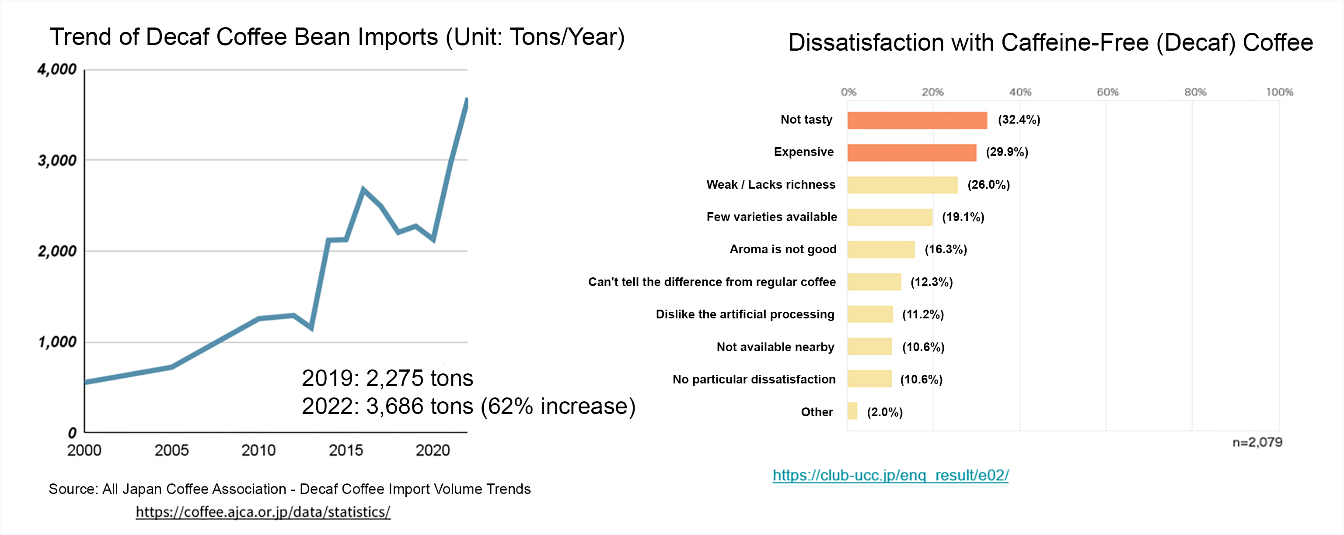
Decaf coffee bean imports surged 62%, from 2,275 tons in 2019 to 3,686 tons in 2022. However, dissatisfaction with taste remains a major challenge. Source: Storyline (Same below) Translated by J-Stories

Caffeine has various positive effects. As well as making tea and coffee taste better, it has been reported to help prevent liver and uterine cancer; and its ability to reduce drowsiness and improve concentration is well known. However, too much caffeine can cause issues such as restlessness or “the jitters,” headaches, nausea and also sleep problems. The recommended daily intake for healthy adults is 400 milligrams of caffeine, which is equivalent to three to five cups of coffee. But for coffee lovers with a low tolerance for caffeine, the only option so far has been decaffeinated coffee.

Tokyo-based startup Storyline’s “caffeine control” coffee concept aims to provide a new option. The company hopes to commercialize it in 2026.
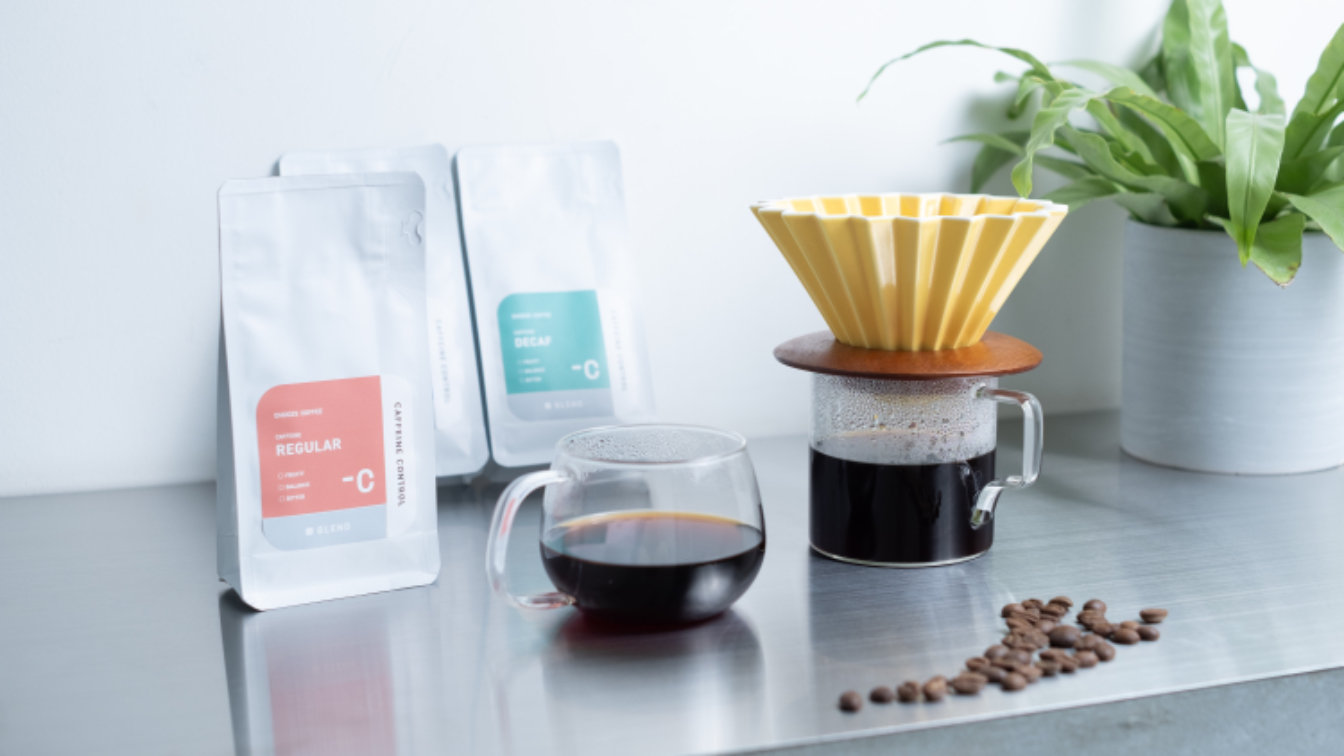
Less caffeine, same great taste. The appeal of delicious decaf coffee from Storyline

“Improving the taste goes without saying,” says CEO Junko Iwai. “But if there is a way for people who want to drink coffee but can’t, or who are addicted to caffeine, to adjust how much caffeine they consume, that should boost the decaf market.”

Although she had already been a coffee lover in Japan, Iwai came across so-called third-wave coffee, which focuses on roasting, while working as a design consultant in the U.S., in Portland, Oregon. Around that time, she started drinking good quality coffee every day.

But after returning home, Iwai drank decaf coffee for the first time when pregnant, and after her daughter was born. She was shocked at how bad it tasted and vowed to do something about it. She recalls her thoughts at the time of Storyline’s launch in July 2018. “I expected the demand for decaf coffee to increase,” she says. “But if there was no good-tasting decaf, I thought I’d make it myself.”
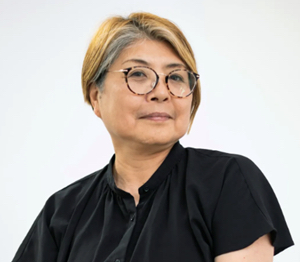
Coffee fan and Storyline CEO Junko Iwai. She developed a love of fine coffee while living in Portland, Oregon.

In Japan, decaf coffee bean imports increased 62% between 2019 and 2022. Unsurprisingly, the key to making good decaf coffee is the technology to remove caffeine.

Iwai’s research led her to “supercritical fluid (SCF) technology,” a method of extracting specific substances from various foods. She wondered whether the technique could be applied to decaf coffee production. Through an introduction from an acquaintance, she started joint development with the Watanabe Laboratory at the Graduate School of Engineering, Tohoku University. The lab has been researching supercritical technology since 2019 through Tohoku Techno Arch, which supports the creation of new technologies and industries, based on intellectual property developed by universities.Using SCF technology, Storyline has developed an innovative method called the “ZEN Craft Decaf Process.” This makes it possible to finely adjust the amount of caffeine removed – either 0%, 30%, 50%, 70% or 100% – without losing other active components.

According to Iwai, the supercritical method is one of several ways to remove caffeine from coffee beans, including soaking the beans in water, soaking them in an organic solvent, using liquid CO2, and the supercritical CO2 extraction method.

However, each of the other methods has drawbacks. Water treatment is safe, but flavor and aroma components are also removed. Organic solvent is easy and cheap, but the chemical comes into direct contact with the beans, so decaf coffee made using the method cannot be sold in Japan for safety reasons. When using liquid CO2, active components are lost during the long treatment process.

The ZEN Craft Decaf Process developed by Tohoku University and Storyline uses the supercritical CO2 method to remove caffeine safely, quickly and efficiently while retaining flavor and enabling fine adjustment of how much caffeine is left. It also optimizes the stages of decaf coffee production, from processing the green beans to drying and roasting.

In October 2022, the company launched its CHOOZE COFFEE store in the Nihonbashi area of Tokyo as a way to collect sales data related to its “caffeine control” concept. By the end of 2026, it also plans to start mass production by building a factory in Sendai City, Miyagi Prefecture, that will produce 50 tons of decaf coffee per year.
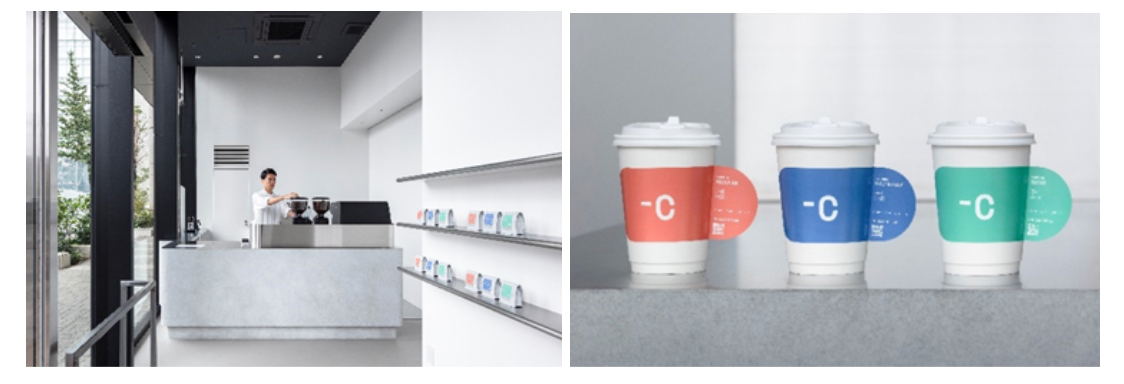
The company’s CHOOZE COFFEE demo store in Nihonbashi, Tokyo, collects data on purchases by coffee-loving businesspeople. The store sells three types of coffee: regular (full caffeine), half-and-half (low caffeine) and decaf (no caffeine).
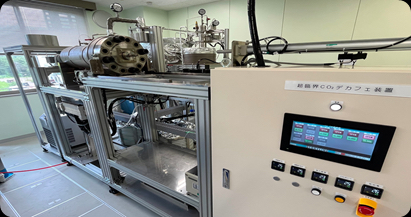
The supercritical CO2 extraction device used by the company. 

The company plans to sell its caffeine control decaf coffee not only to companies that offer health management services, but also coworking spaces and hotels. It has received inquiries from overseas companies interested in its technology and has noticed growing demand.

Iwai says that the company’s goal is to “use Japanese technology to meet the needs of both coffee producers and consumers, and to revolutionize coffee distribution.”

The company plans to establish a system by 2028 that will enable it to produce its decaf coffee in Rwanda and Thailand, and is currently looking for business partners.

Translated by Tony McNicol

Edited by Mark Goldsmith

For inquiries regarding this article, please contact jstories@pacificbridge.jp


Click here for the Japanese version of the article

Tags: Coffeedecaf coffee innovationfoodtechHealthInnovationInterviewJapanStartupTokyowellbeing
Previous Post

Global startups compete at Nagoya’s TechGALA – Innovations in AI, agriculture, and sustainability take top prizes!

Next Post

Japan Global Innovators’ Forum (JGIF) 2025: Startups from Japan and beyond unite to tackle global challenges

Yoshiko Ohira

Yoshiko Ohira

Related Posts

Japan leads global collaboration to combat AI disinformation
AI

Japan leads global collaboration to combat AI disinformation

by Ayaka Sagasaki
03/16/2026
Starting a sustainable wood-fired bakery in Tokyo
FoodTech

Starting a sustainable wood-fired bakery in Tokyo

by Tokyo Updates
03/05/2026
Anime

World-first “anime character-based therapy” trial to test effectiveness in Japanese young adults

by Lucas Maltzman
01/30/2026
Lifestyle

The plush toy hospital keeping childhood memories alive

by Tokyo Updates
01/30/2026
Social Impact

From a childhood shaped by conflict to an investor bridging Japan and the world

by Ayaka Sagasaki
01/23/2026
Next Post

Japan Global Innovators’ Forum (JGIF) 2025: Startups from Japan and beyond unite to tackle global challenges

Leave a Reply Cancel reply

Your email address will not be published. Required fields are marked *

Videos

INTERVIEW | Taking action for peace

11/30/2022

Harmonizing tradition and technology with immersive sound experience

07/19/2023

Round-Up Video #32

11/03/2022

Browse by Tags

Ai Alternative Energy biotechnology Climate Change Community decarbonization Education Event Food foodtech Health Inclusion Infrastructure Innovation Interview J-Stories Japan Japan-Taiwan Innovation Summit Japan startups Japan Tech Labor Living Nature Podcast Recycling Refugees robotics Society Space Startup Startup Ecosystem Startups SusHI Tech Tokyo Sustainability Sustainable Society Taiwan Technology Tokyo Tokyo Innovation Base Tokyo Metropolitan Government Tokyo Updates venture capital video Wealth Zero Waste
JStories

©Articles and photos published on JSTORIES are protected by Japanese copyright law and international treaties. They cannot be reproduced without the permission of the copyright holders

Explore JStories

  • About Jstories
  • Company
  • Contact
  • Home
  • Partner Press Releases
  • Pricing
  • Privacy Policy
  • Team

Follow Us

Welcome Back!

Login to your account below

Forgotten Password?

Retrieve your password

Please enter your username or email address to reset your password.

Log In
No Result
View All Result
  • Home
  • AI
    • Artificial Intelligence
    • Robotics
    • Mobility
  • Earth
    • Energy
    • Climate Tech
    • AgriTech
    • Clean Tech
    • Disaster Tech
    • SpaceTech
  • Life Sciences
    • BioTech
    • HealthTech
    • MedTech
    • AgeTech
  • Society
    • Media
    • EdTech
    • Diversity
    • FemTech
    • HRTech
    • LegalTech
    • Social Impact
    • FinTech
    • Anime
  • Lifestyle
    • FoodTech
    • FashionTech
    • BeautyTech
    • Wellbeing
    • Art & Music
  • Travel
    • Adventure Travel
    • Luxury Travel
    • Wellness & Medical Tourism
    • Culture
  • Video
  • Deals
    • Venture Capital
    • M&A
    • Startup Events
    • Ecosystem Support
  • Interview
  • Opinion

©Articles and photos published on JSTORIES are protected by Japanese copyright law and international treaties. They cannot be reproduced without the permission of the copyright holders

Are you sure want to unlock this post?
Unlock left : 0
Are you sure want to cancel subscription?