


JSTORIES ー Deep technology, or deep tech, refers to innovations rooted in groundbreaking scientific discoveries — advancements that turn the once-impossible into reality. Unlike existing technologies that evolve incrementally, deep-tech breakthroughs emerge from fundamental research and often take years, if not decades, to reach commercial viability.
The journey from a core scientific discovery to its practical application is lengthy, typically spanning at least a decade. Given the extended timeline for returns, some investors are hesitant to back deep-tech ventures, labeling them “long-haul” investments. Yet, for those who succeed, the financial rewards can be substantial, and their impact on society profound.
Nagoya University has played a crucial role in nurturing deep-tech startups in Japan’s Tokai region, a manufacturing hub known for its strong science and engineering research. The university fosters an environment where fundamental research can transition into real-world applications, bridging the gap between the lab and the marketplace.
In early February, as the startup conference TechGALA took place in Nagoya, J-Stories had the chance to visit three deep-tech startups founded by researchers from Nagoya University — each offering a glimpse into the future of science-driven innovation.
GRA&GREEN: Blending traditional crops with biotechnology
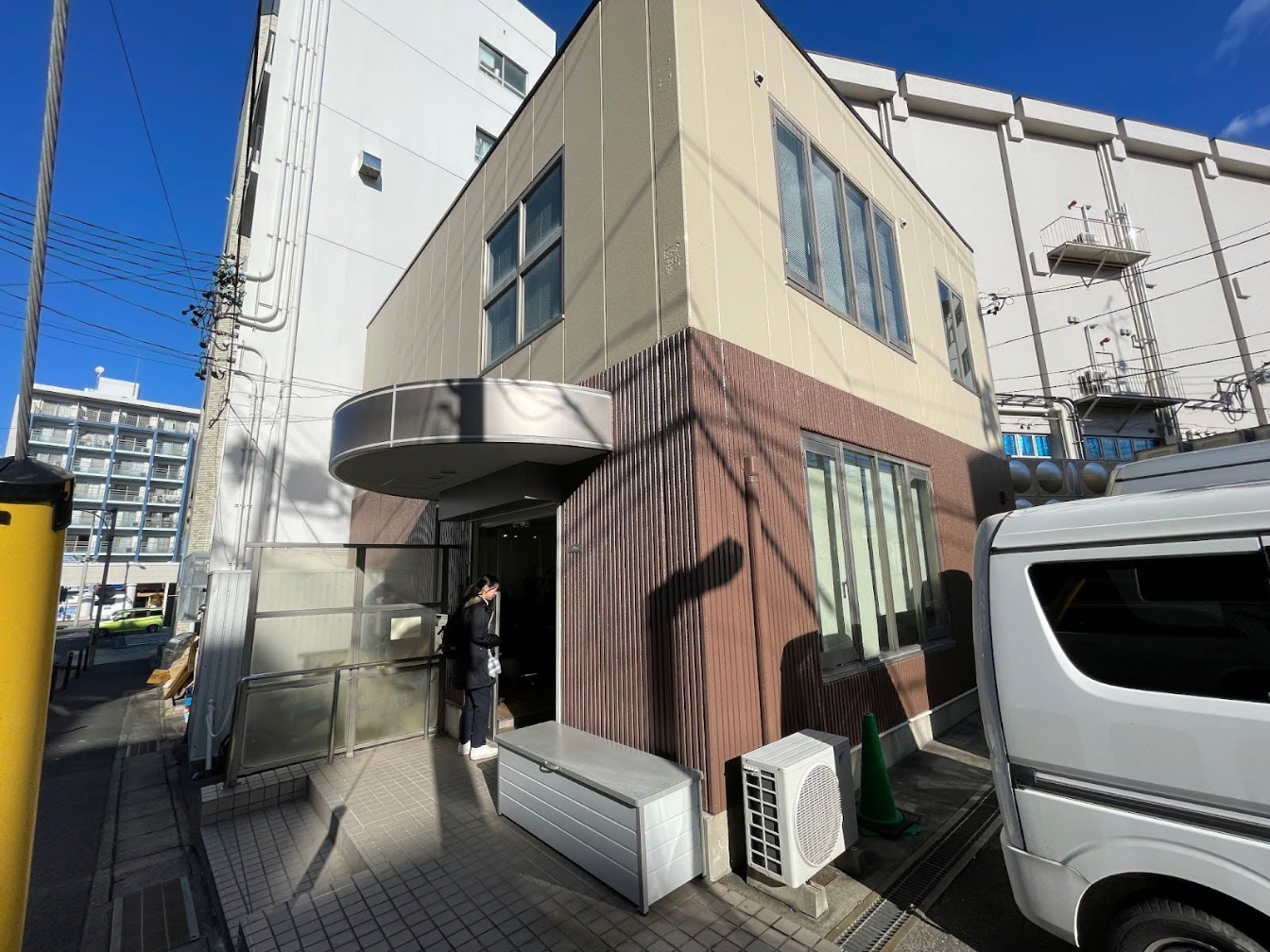
Founded in April 2017 by researchers from Nagoya University, GRA&GREEN is a startup focused on revolutionizing agriculture through genome-editing technology. The company aims to develop high-efficiency breeding techniques that enhance sustainability, with a particular focus on increasing crop yields and improving disease resistance.

Not too far from Nagoya Station, GRA&GREEN’s headquarters sit near Higashiyama Park, home to a zoo and botanical garden. Inside, the company operates an oil extraction facility for egoma, or perilla, a traditional crop widely used in Korean cuisine. Egoma leaves are often used to wrap pork in Korean barbecue, while the oil from its seeds — rich in omega-3 fatty acids, particularly alpha-linolenic acid — has gained recognition for its health and cosmetic benefits.
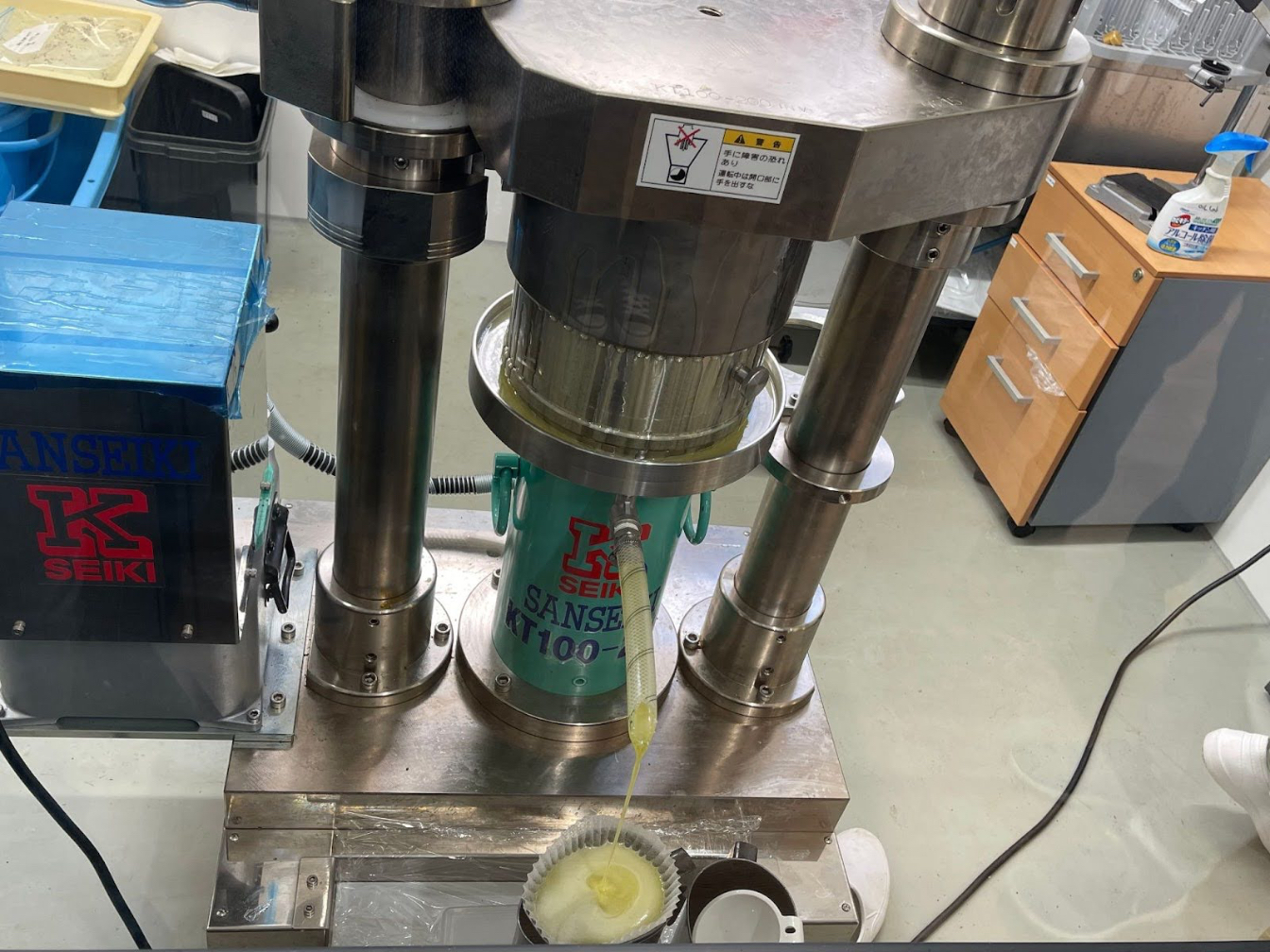
At its oil-extraction plant, GRA&GREEN employs a cold-pressing technique to retain omega-3 content, a method that prioritizes quality over yield compared to conventional heat-assisted or solvent-based extraction processes. The company ensures meticulous quality control, selecting only the best raw egoma seeds and minimizing impurities. While its products cater to both individual consumers and businesses, including restaurants, GRA&GREEN maintains a streamlined inventory to preserve freshness.
Meanwhile, at its research facility at Nagoya University, the company is pioneering gene-editing techniques like CRISPR-Cas9 — a gene-editing technology to make precise changes to an organism’s DNA — to enhance plant quality. Its lab provides genetic modification services for crops such as tomatoes, soybeans, and flowers while also conducting contract research for seedling and food companies. Equipped with state-of-the-art genetic analysis and cultivation technology, the facility is at the forefront of agricultural research.
After nearly eight years in operation, GRA&GREEN has developed a seamless integration of agricultural production and advanced research. While its current focus remains domestic, the company plans to expand into international markets, particularly in Asia and the Americas, where gene-editing regulations are less stringent than those in the European Union. The startup is also developing crops with characteristics previously unattainable through traditional breeding, underscoring its role in driving agricultural innovation.
GRA&GREEN’s efforts to balance food safety with scientific progress reflect a broader trend in agri-tech, highlighting the vast potential of deep technology in addressing global challenges.
U-MAP: Transforming heat dissipation in electronics
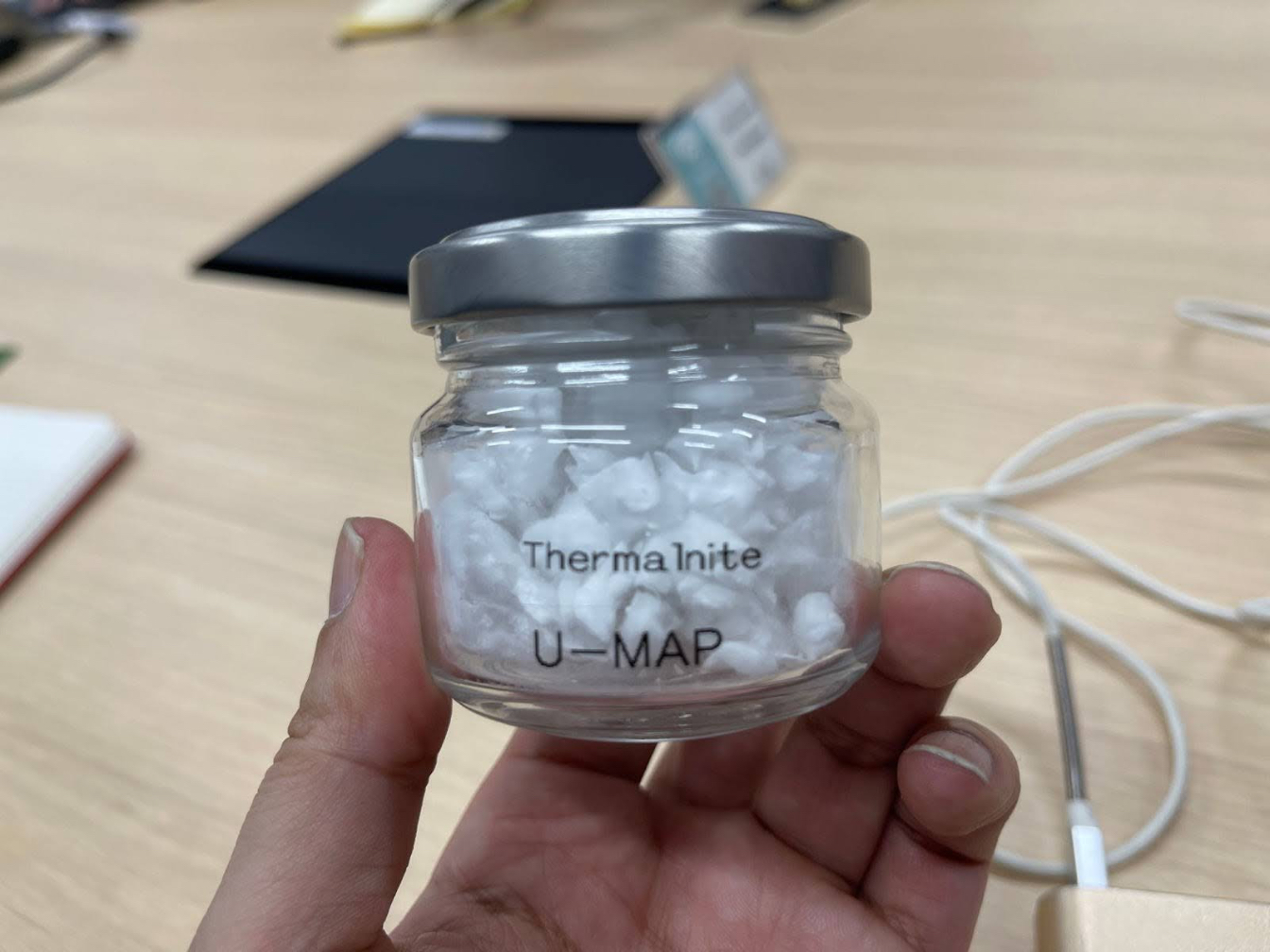
U-MAP, a deep-tech startup offering a breakthrough solution for heat dissipation in electronic devices, has developed a proprietary technology that processes aluminum nitride into a fibrous form. Established in 2016, the company builds on a decade of research and development led by Nagoya University professor Toru Ujihara, who also serves as U-MAP’s chief technology officer.
Its signature innovation, Thermalnite, delivers superior thermal conductivity while maintaining electrical insulation — properties that conventional heat dissipation materials have struggled to achieve.
By blending Thermalnite with plastics and ceramics, the material forms a conductive network that enhances heat transfer more effectively than traditional powdered additives. Even in small quantities, Thermalnite improves dissipation efficiency while preserving the original properties of the resins or rubber components it is mixed with. Unlike conventional high-conductivity materials, which often compromise lightness and flexibility, Thermalnite maintains these characteristics while significantly enhancing thermal performance.
One of its most promising applications is in data centers, where it has successfully reduced the temperature of heat-generating components, such as optical transceivers and laser diodes, by more than 4 degrees Celsius compared to existing solutions. The material’s versatility extends to a range of electronic devices, including smartphones, central processing units (CPUs), graphics processing units (GPUs), batteries, and motors. As a result, the technology has attracted interest from international markets, particularly in Taiwan, South Korea, and China.
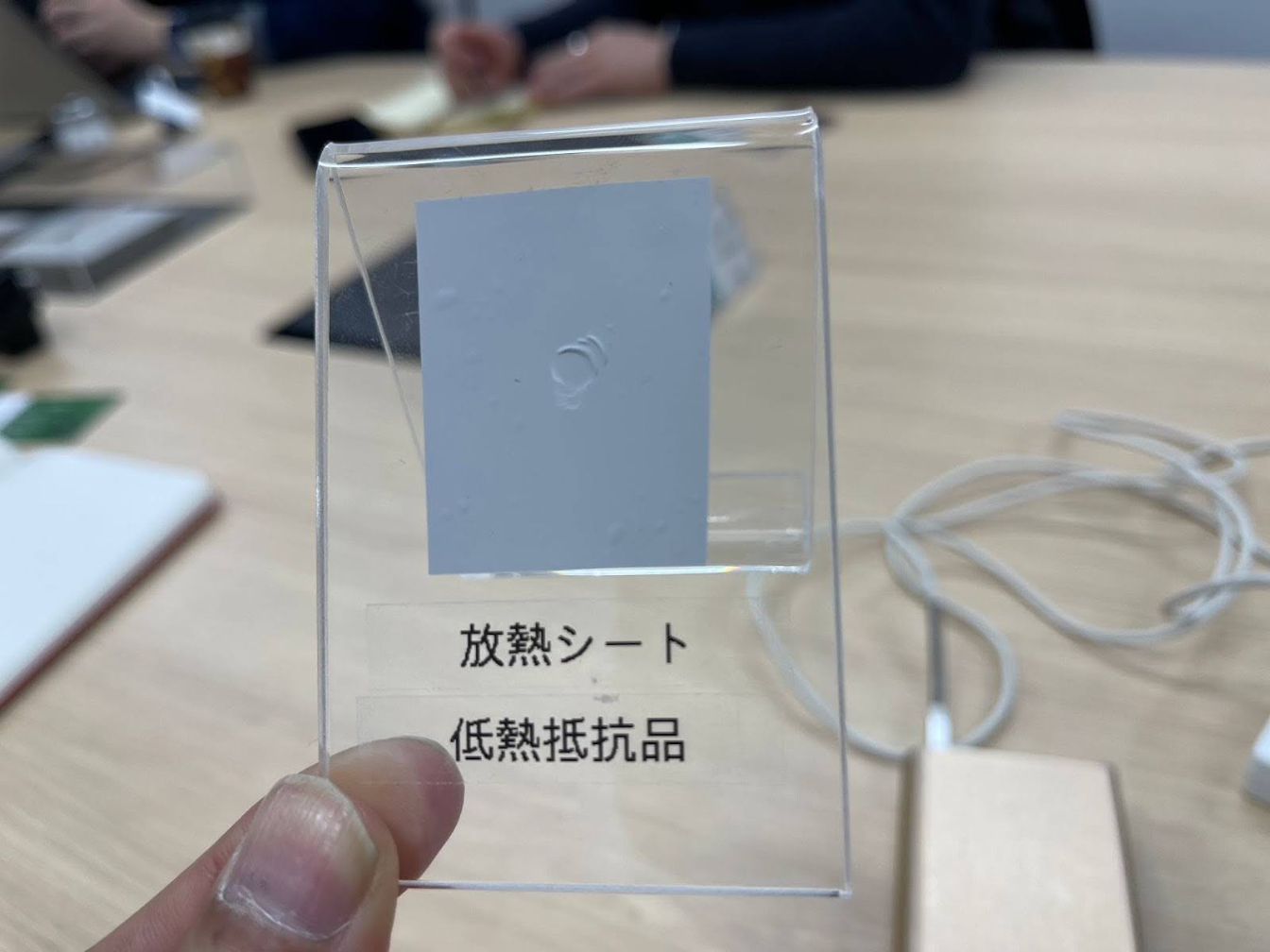
U-MAP’s advanced manufacturing process, which requires temperatures exceeding 2,000 degrees Celsius, was discovered serendipitously during research into next-generation semiconductor materials such as silicon carbide and gallium nitride. Initially explored for semiconductor applications, researchers found that the process yielded high-quality aluminum nitride fibers, leading to the realization of its potential as a heat dissipation material.
Soramaterial: Pushing the limits of lightweight innovation
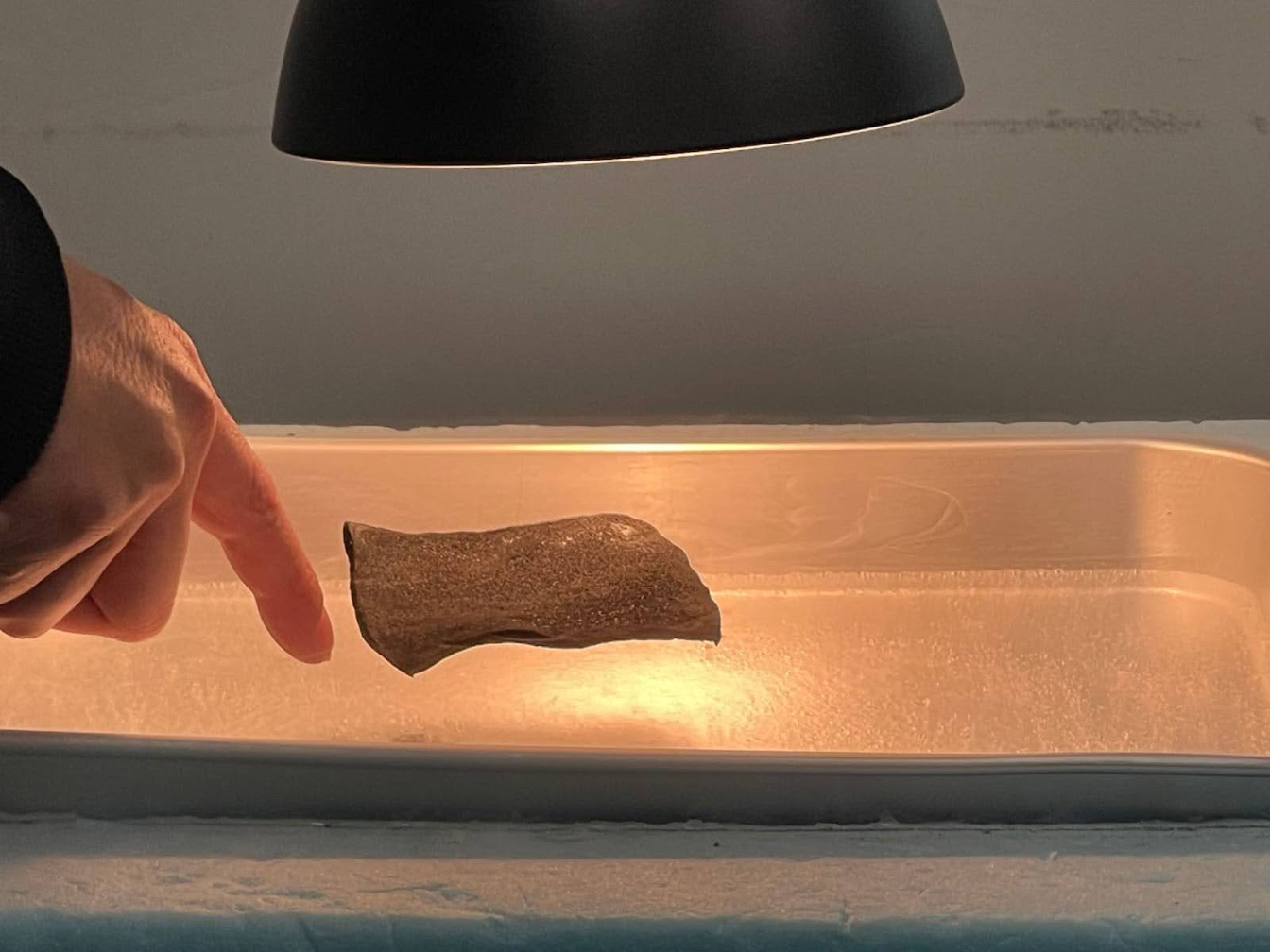
Soramaterial, a young deep-tech company founded in April 2024, has developed an ultralightweight material with a density roughly half that of air. Despite its recent launch, the startup’s pioneering technology is already drawing attention from the aerospace industry.
The company’s mission is to address three major challenges: the expansion of private-sector space applications, the emergence of airborne mobility solutions, and the growing demand for sustainable materials. Soramaterial’s novel material not only offers exceptional thermal insulation but also possesses electromagnetic shielding and absorption capabilities.
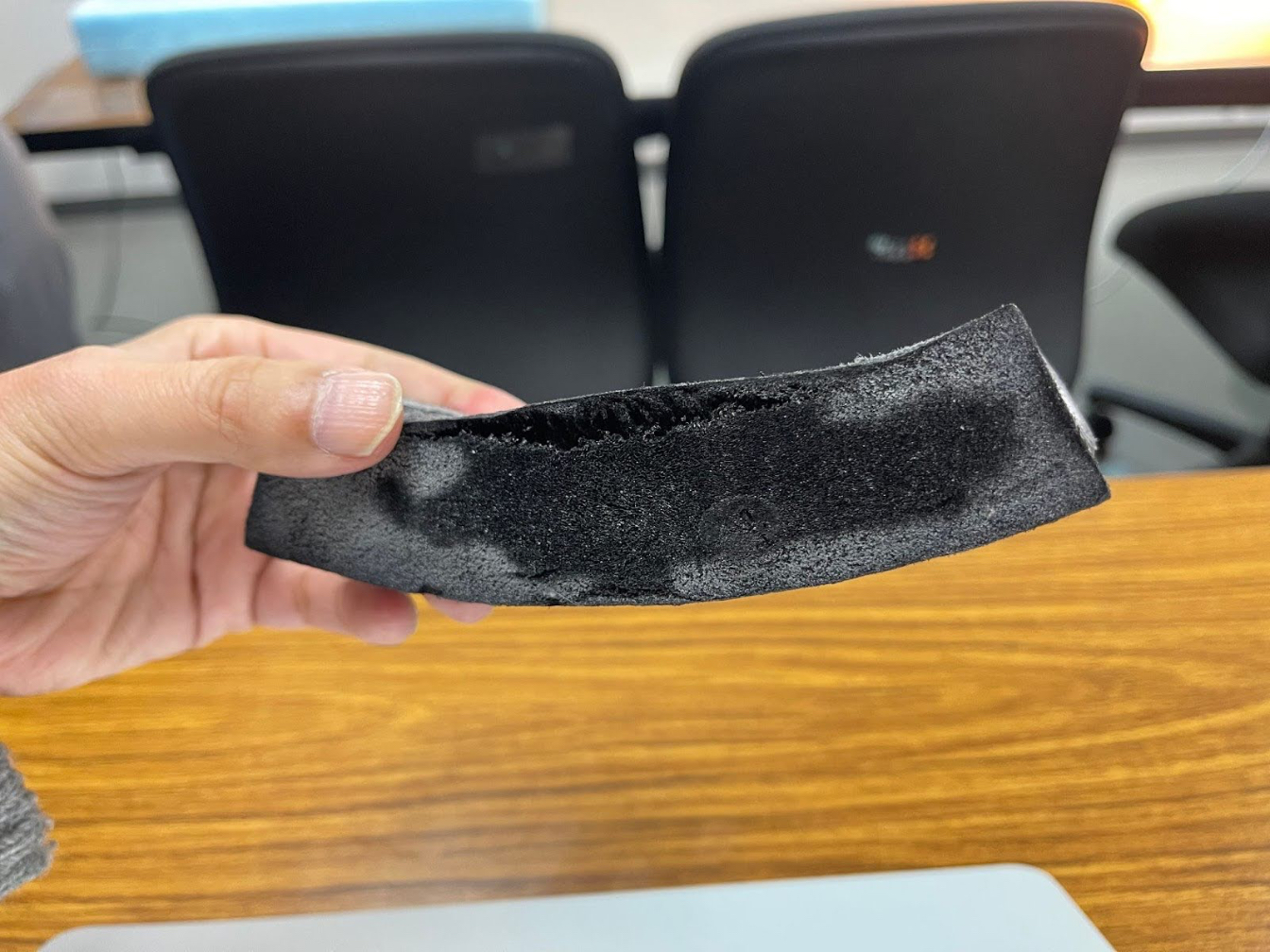
In demonstrations, the material has been shown to float with only a slight temperature difference, a testament to its remarkable lightness. When used as an aircraft insulation material, it delivers the same performance as conventional materials while weighing 50% less — potentially reducing the weight of a midsize aircraft by about 500 kilograms. Additionally, it mitigates long-term issues associated with traditional insulation, such as shape degradation and maintenance requirements.
The material also boasts extraordinary resilience, withstanding pressures of up to 2-3 tons while recovering 97% of its original shape. Its fire resistance surpasses that of conventional carbon fiber materials commonly used in aerospace and automotive applications, thanks to its carbon-based composition.
Soramaterial is targeting commercialization within the aerospace sector, with plans to ramp up production by 2031. According to its road map, the company will focus on infrastructure development from 2024 to 2025, followed by product deployment in 2026. Small-scale production is slated for 2028 and 2029, with full-scale manufacturing expected to begin in 2031.
CEO Tomoki Osato brings deep expertise in aviation. During his university years, he served as a pilot in a competitive birdman contest — an event where teams compete using human-powered lightweight gliders. Later, as a researcher at Japan’s space agency, JAXA, he specialized in composite materials using carbon nanotubes. Leveraging the Tokai region’s concentration of automotive and aerospace industries, Osato envisions expanding the material’s applications within the mobility sector.
Translated by J-Stories (Anita De Michele)
Edited by Mark Goldsmith
For inquiries regarding this article, please contact jstories@pacificbridge.jp
Click here for the Japanese version of the article