• Login
Upgrade
JStories
  • 日本語
  • 中文 (中国)
No Result
View All Result
  • Home
  • AI
    • Artificial Intelligence
    • Robotics
    • Mobility
  • Earth
    • Energy
    • Climate Tech
    • AgriTech
    • Clean Tech
    • Disaster Tech
    • SpaceTech
  • Life Sciences
    • BioTech
    • HealthTech
    • MedTech
    • AgeTech
  • Society
    • Media
    • EdTech
    • Diversity
    • FemTech
    • HRTech
    • LegalTech
    • Social Impact
    • FinTech
    • Anime
  • Lifestyle
    • FoodTech
    • FashionTech
    • BeautyTech
    • Wellbeing
    • Art & Music
  • Travel
    • Adventure Travel
    • Luxury Travel
    • Wellness & Medical Tourism
    • Culture
  • Video
  • Deals
    • Venture Capital
    • M&A
    • Startup Events
    • Pitch
    • Ecosystem Support
  • Interview
  • Opinion
  • Home
  • AI
    • Artificial Intelligence
    • Robotics
    • Mobility
  • Earth
    • Energy
    • Climate Tech
    • AgriTech
    • Clean Tech
    • Disaster Tech
    • SpaceTech
  • Life Sciences
    • BioTech
    • HealthTech
    • MedTech
    • AgeTech
  • Society
    • Media
    • EdTech
    • Diversity
    • FemTech
    • HRTech
    • LegalTech
    • Social Impact
    • FinTech
    • Anime
  • Lifestyle
    • FoodTech
    • FashionTech
    • BeautyTech
    • Wellbeing
    • Art & Music
  • Travel
    • Adventure Travel
    • Luxury Travel
    • Wellness & Medical Tourism
    • Culture
  • Video
  • Deals
    • Venture Capital
    • M&A
    • Startup Events
    • Pitch
    • Ecosystem Support
  • Interview
  • Opinion
en English ja 日本語 zh 中文 (中国)
JStories
No Result
View All Result

Research in Japan unveils evidence of how ‘neo-self’ antibodies can cause complications during pregnancy and childbirth

Yoshiko Ohira by Yoshiko Ohira
10/13/2023
in HealthTech, Life Sciences, MedTech
0
Home Life Sciences HealthTech
Share on FacebookShare on Twitter

J-STORIES – Researchers in Japan have managed to unveil how so-called “neo-self” antibodies are connected with a variety of complications during pregnancy and birth, including Graves’ disease and even infertility.

In May this year, a joint study between the University of Yamanashi and Teine Keijinkai Hospital found that neo-self antibodies are not only linked with infertility, but with endometriotic infertility, and repeated implantation failure. The following month, a research group including scientists from Kobe University announced that the antibodies are also involved in hypertension during pregnancy, and fetal growth restriction. Both were the first research results of their kind in the world.

These studies followed on from joint research between Kobe University and Osaka University in 2015 that discovered this novel type of autoantibody that is involved in thrombosis and other disorders.

Source: envato 

Such research has become crucial in Japan, which is facing ever more severe issues of declining birthrate and shrinking population and overcoming complications during pregnancy and childbirth such as infertility and fetal growth restriction has been seen as an important medical challenge.

Although the way in which these diseases arise is still not well understood and effective treatments do not yet exist, Japanese researchers have now been able to show that a major factor behind them is the effect of these novel neo-self autoantibodies.

The purpose of antibodies produced by the human body is to eliminate bacteria, viruses, and other foreign substances from the human body. However, problems with the immune system can lead to the generation of abnormal molecules called “autoantibodies” that attack the body’s own cells and tissues.

Autoantibodies are thought to be a cause of autoimmune diseases such as collagen disease, polymyositis, and Graves’ disease.

The June study, which was led by Kenji Tanimura of Kobe University, Hideto Yamada of Teine Keijinkai Hospital, and Hisashi Arase of Osaka University’s Research Institute for Microbial Diseases, was based on the belief that neo-self antibodies may be deeply involved not just in infertility, but also in the inability to carry pregnancy to full term, such as repeated miscarriages and stillbirths.
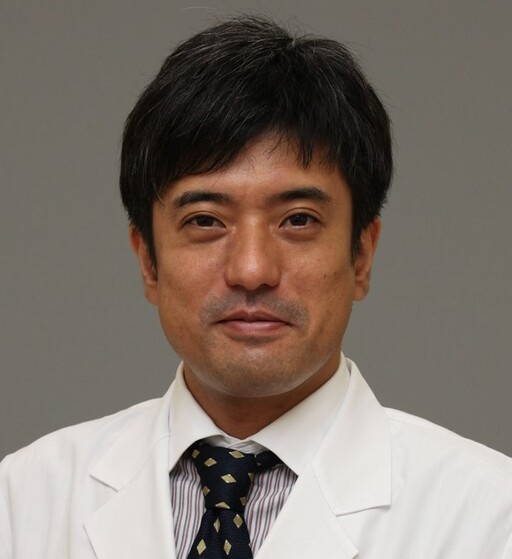
Kenji Tanimura, a specially-appointed professor at the Department of Obstetrics and Gynecology of Kobe University.     Source: Kobe University

Together with the University of Toyama, Okayama University, the University of Tokyo, and Hyogo Medical University, they conducted sampling and undertook research to show the relationship between neo-self antibodies and infertility.

According to Tanimura, some women hoping to give birth suffer 10 or more miscarriages. Research has shown that around one in four women who are unable to carry babies to term are positive for neo-self antibodies, meaning it is possible that these antibodies are a significant cause of infertility.

For the research published this June, blood samples were taken from women receiving care at five hospitals in Japan, including four university hospitals. The women were in three groups: women with an inability to continue pregnancy to term; women who had gestational hypertension, fetal growth restriction, or premature delivery during a past pregnancy; and women who had delivered normal-sized babies with no pre-existing medical conditions or obstetric abnormalities. The rates of positive test for neo-self antibodies were then compared between the groups.
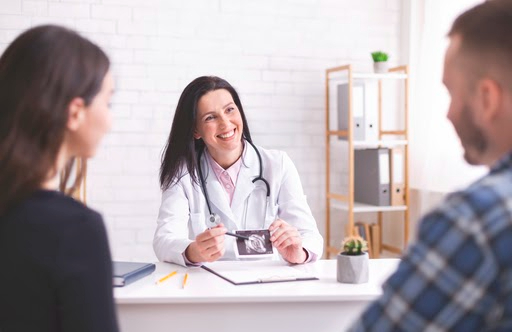
Source: envato 

Even after accounting for other factors that might be involved in hypertension and fetal growth restriction, such as age, body mass index, and smoking, a clear association with testing positive for neo-self antibodies was found, said Tanimura.

The number of medical institutions in Japan that offer neo-self antibody testing is now on the increase. Tanimura told J-Stories that he hopes to present results of research into a treatment for women with infertility and provide evidence of its efficacy through clinical trials and other means over the next few years.

“Research into neo-self antibodies is not just [important for] obstetrics,”Tanimura said. “It is also the key to solving the mysteries of various autoimmune diseases such as rheumatoid arthritis and Graves’ disease. It could bring revolutionary developments in the field of immunology such as vaccines based on new ideas, which could be used to treat these diseases.”

Translation by Tony McNicol

Top page photo by envato

For inquiries about this article, please contact jstories@pacficbridge.jp


Click here for the Japanese version of the article.

Tags: JapanMedicalpregnancyresearchUniversity of Yamanashi
Previous Post

DISCUSSION | Japan’s first solutions-focused news outlet seeks to help connect those in need

Next Post

Partners

Yoshiko Ohira

Yoshiko Ohira

Related Posts

HealthTech

Engineering safety from the ground up

by Tokyo Updates
02/13/2026
BioTech

Toward a targeted therapy with fewer side effects for chronic allergic eye disease

by Yoshiko Ohira
01/08/2026
BioTech

Toward a future where cancer is treated like a common cold

by Kei Mizuno
11/12/2025
Diversity

Innovative infant-care product presented at SusHi Tech Tokyo 2025

by Tokyo Updates
10/03/2025
Deals

Boston, not Silicon Valley, is Kansai’s model at Global Startup Expo 2025

by Nithin Coca
09/27/2025
Next Post

Partners

Leave a Reply Cancel reply

Your email address will not be published. Required fields are marked *

Videos

Round-Up Video #32

11/03/2022

Round-Up Video #38

12/15/2022

One-of-a-kind marriage certificates strengthen marital bond

11/17/2023

Browse by Tags

Ai Alternative Energy biotechnology Climate Change Community decarbonization Education Event Food foodtech Health Inclusion Infrastructure Innovation Interview J-Stories Japan Japan-Taiwan Innovation Summit Japan startups Japan Tech Labor Living Nature Podcast Recycling Refugees robotics Society Space Startup Startup Ecosystem Startups SusHI Tech Tokyo Sustainability Sustainable Society Taiwan Technology Tokyo Tokyo Innovation Base Tokyo Metropolitan Government Tokyo Updates venture capital video Wealth Zero Waste
JStories

©Articles and photos published on JSTORIES are protected by Japanese copyright law and international treaties. They cannot be reproduced without the permission of the copyright holders

Explore JStories

  • About Jstories
  • Company
  • Contact
  • Home
  • Partner Press Releases
  • Pricing
  • Privacy Policy
  • Team

Follow Us

Welcome Back!

Login to your account below

Forgotten Password?

Retrieve your password

Please enter your username or email address to reset your password.

Log In
No Result
View All Result
  • Home
  • AI
    • Artificial Intelligence
    • Robotics
    • Mobility
  • Earth
    • Energy
    • Climate Tech
    • AgriTech
    • Clean Tech
    • Disaster Tech
    • SpaceTech
  • Life Sciences
    • BioTech
    • HealthTech
    • MedTech
    • AgeTech
  • Society
    • Media
    • EdTech
    • Diversity
    • FemTech
    • HRTech
    • LegalTech
    • Social Impact
    • FinTech
    • Anime
  • Lifestyle
    • FoodTech
    • FashionTech
    • BeautyTech
    • Wellbeing
    • Art & Music
  • Travel
    • Adventure Travel
    • Luxury Travel
    • Wellness & Medical Tourism
    • Culture
  • Video
  • Deals
    • Venture Capital
    • M&A
    • Startup Events
    • Ecosystem Support
  • Interview
  • Opinion

©Articles and photos published on JSTORIES are protected by Japanese copyright law and international treaties. They cannot be reproduced without the permission of the copyright holders

Are you sure want to unlock this post?
Unlock left : 0
Are you sure want to cancel subscription?