

J-STORIES – “Tantrums over crying baby”,“Furious over crying baby”, “Mom with crying baby asked to leave” are just some of the headlines that made the global news this year. In early November, a video of an elderly man being furious due to a crying baby on the train in Japan drew attention on X ( formerly Twitter), garnering sympathy from mothers who had “similar experiences”. Facing angry people screaming because the baby cried, or being asked to leave for the same reason is by no means pleasant, and a factor that may contribute to the stress parents feel when child-rearing.
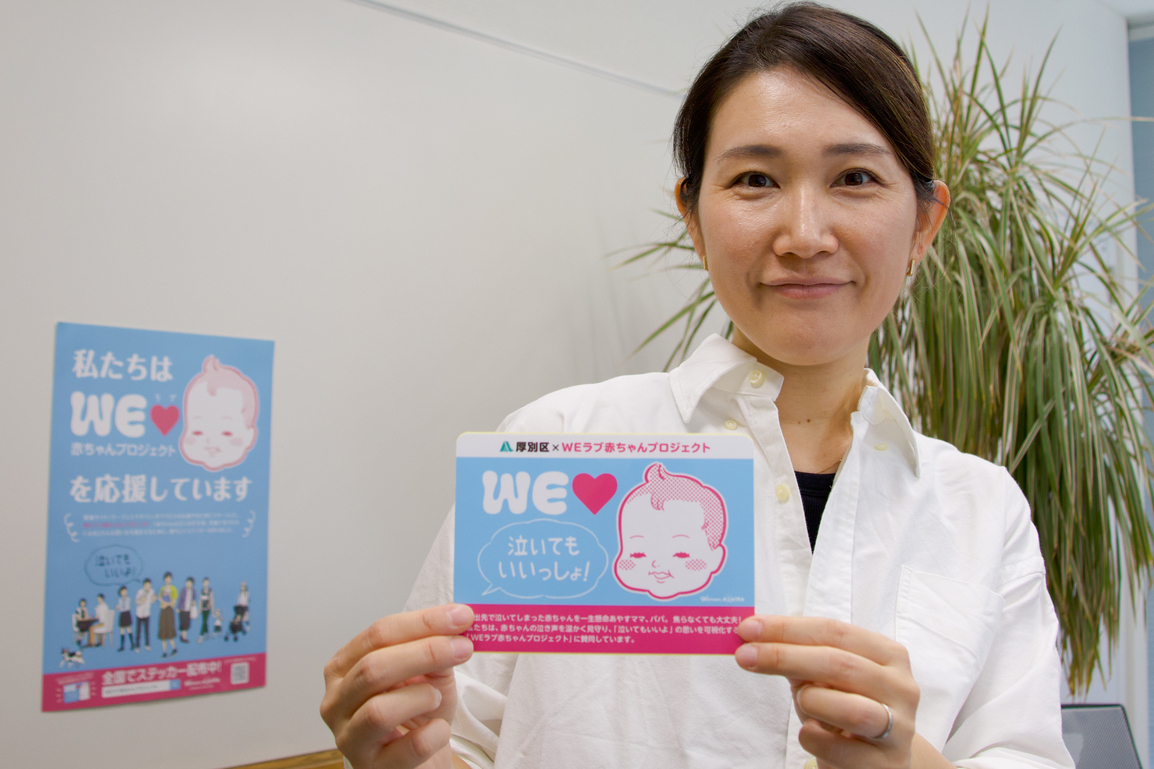
To show that negative opinions towards crying babies are not the majority, two Japanese women started the “It’s okay to cry” campaign. Stickers and keychains with the message “It’s okay to cry” written on them are handed out. By having people put these items on places that are visible (such as on phones or bags), individuals can show support, whilst stores can hang posters with the same slogan on them.
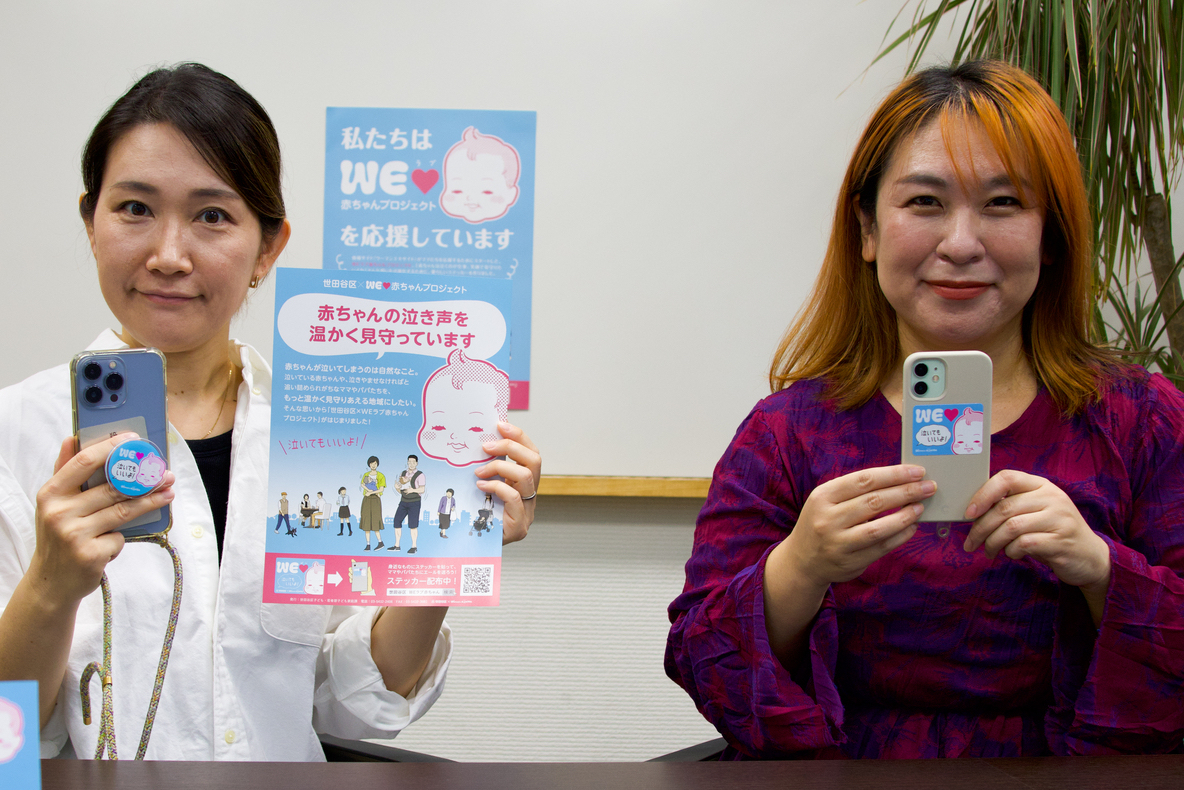
“I thought, if there was a sticker saying that it’s okay to cry, it would be easy to show what we think without saying anything” is what Akiko Shihara, the founder of the project says.
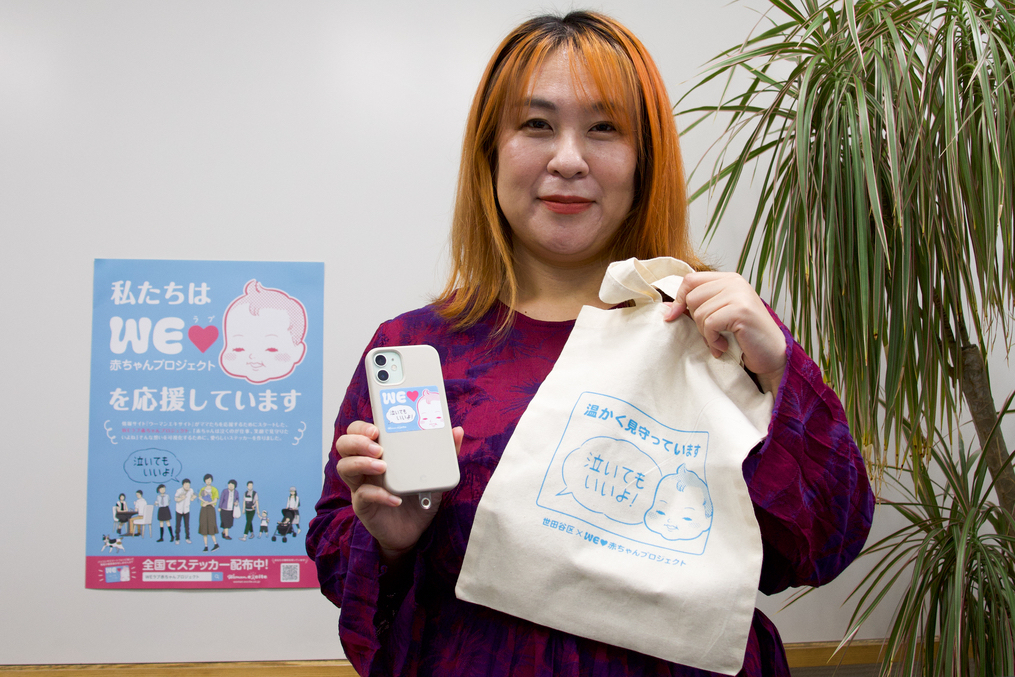
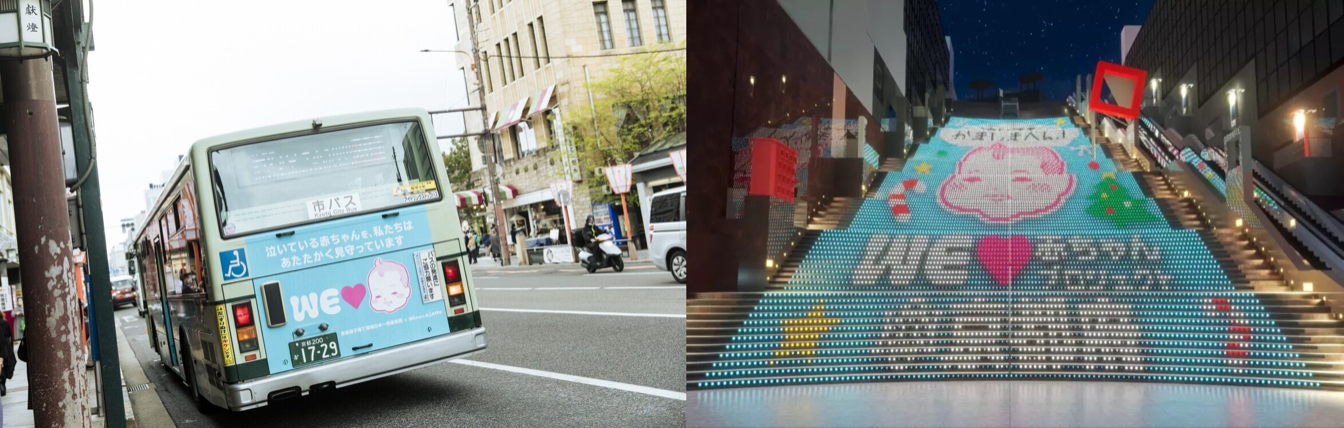
What began as a limited PR campaign in 2016 with 30 stickers has now become a large-scale project that involves local governments. “At the start, we were happy to get 1,000 supporters, but it gradually increased, and we now have 85,000 supporters (as of November). So I really think we succeeded in making people’s thoughts more visible.”
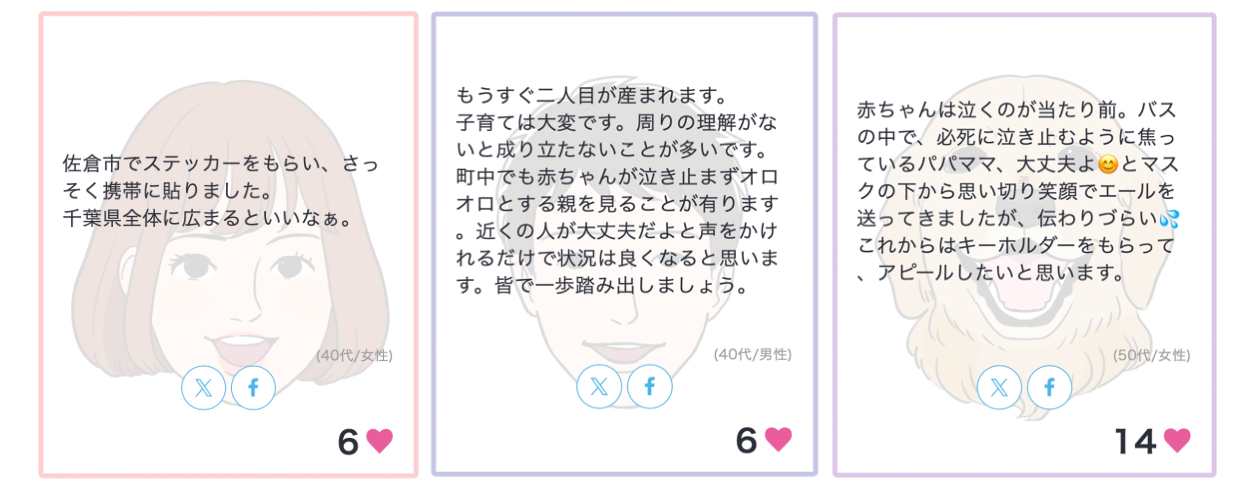
On their website, there are over 10,000 comments ranging from teenagers to people in their 60s supporting the project.
“It’s common for those who have children for the first time to feel anxious and end up over-stressing. When my son was a year old, I assumed it would be my fault if they caused trouble. But now I think it’s okay to rely on others for support, and I want them to know that they don’t have to blame themselves too much.” said Yuri Ishigami, co-founder of the project, who promotes it through Woman excite, the mom-and-baby website she works for.
adherence to being silent on public places like trains, which is part of the “silent majority” culture. This is so deeply rooted to the point that the Japanese government started making “maternity mark” keychains from 2006 to inform others on the train that the bearer is pregnant and encourage others to give up their seats to pregnant women in the same way they do for the elderly and the disabled.
Shihara explained that “harsh voices about crying babies get a lot of attention on the Internet, but I think there are actually a lot of people who think it’s okay for babies to cry. The fact that this project has the support of so many people is a visualization of the warm feelings of the people.” She continued to explain that this is important because “even if it’s just once, being screamed at, or being given a cold look can leave a deep scar, and make parents feel that everyone in society is strict and cold towards their baby crying.
In fact, Shihara herself experienced this situation herself when she was in a restaurant with her kids. She was told they were too noisy, and they were asked to leave by an old man sitting by the next table. “When this happened, I thought I was unworthy of being a parent, and wondered whether children are just a big burden to society. I felt discouraged about not receiving support. There were so many emotions within me that I ended up crying.” she shared.
The lack of a babysitting culture also means that it is very hard for parents to go out without their children, which is more likely to make crying babies an issue. Therefore, stickers that serve as silent affirmations have garnered a lot of support.
Everything started when Shihara encountered a mother with a crying baby at a cafe. Seeing her be so conscious of others whilst trying to calm her baby down, she wished to tell her that she didn’t mind it but she could not say anything at that moment. She explained that “the mother was trying her best to quiet the baby, and I was worried that if I stared at her, I might make her feel uncomfortable or something.” After that, she contacted Ishigami and asked whether they could make stickers that could work as a show of support to parents.
Now there are 18 variations of the sticker with “It’s okay to cry” written in different dialects. This makes it easier for the messages to get across to locals in each region. Objects such as griptoks, badges, bags and water bottles were made due to the expansion of the project.
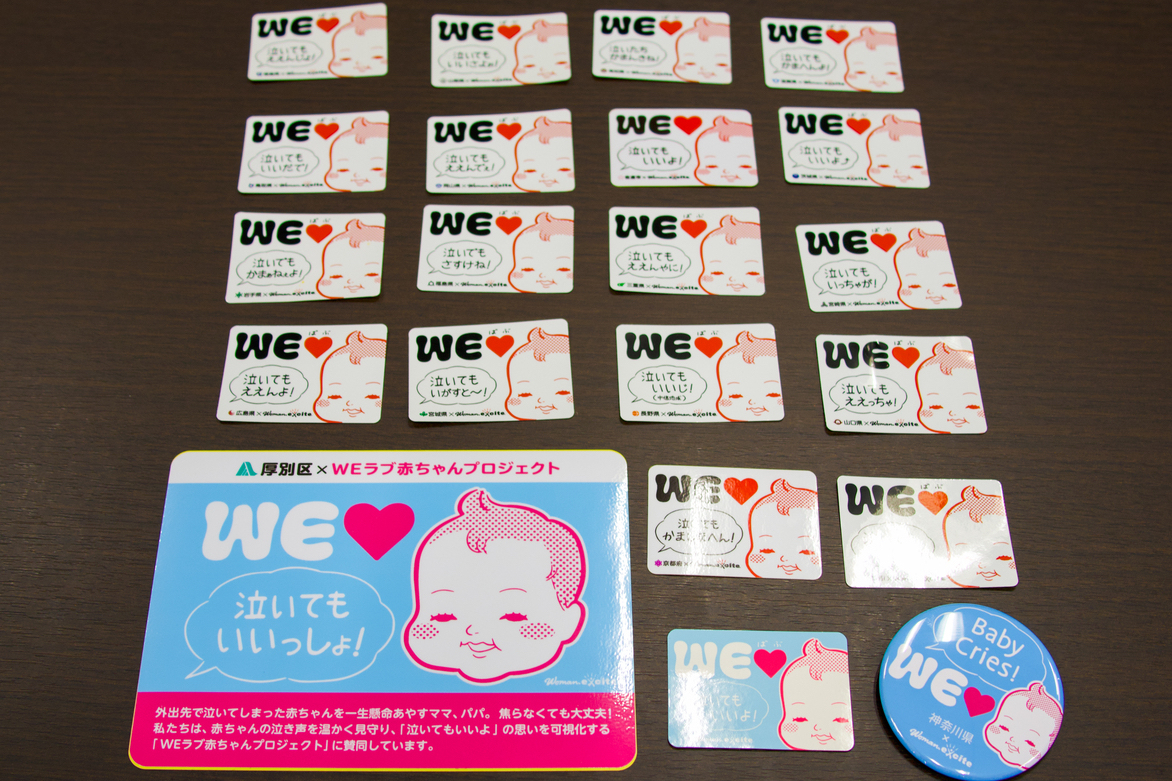
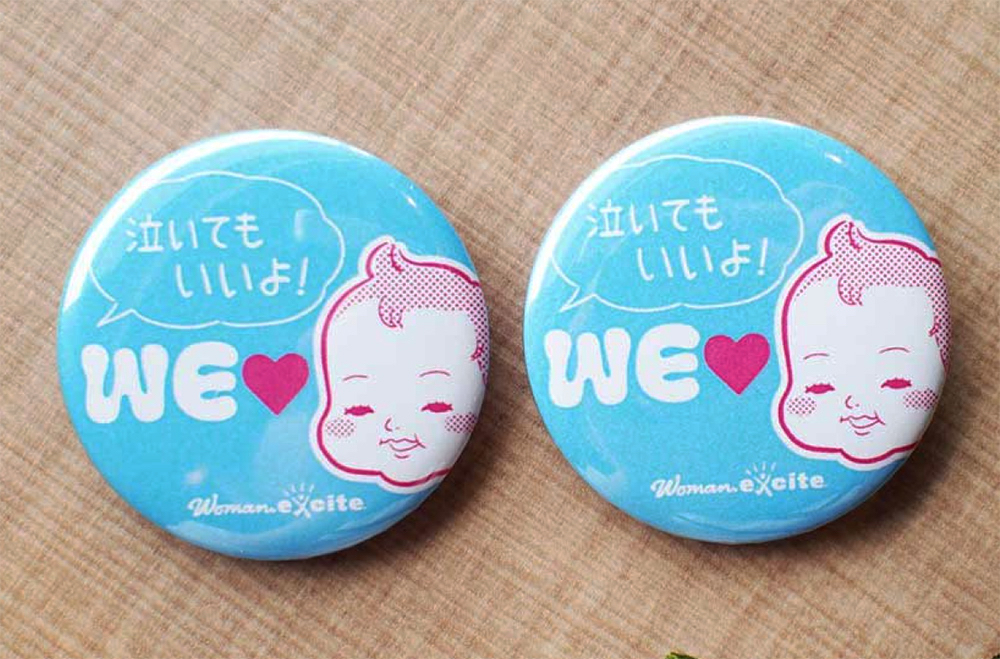
The duo expressed their desire to continue this project: “Once people adopt the mindset that babies crying is normal, we won’t need these stickers so we should continue this project until then.”
After successes in collaborating with many local government entities, Ishigami hopes to work with more private companies, stating “I hope to help create an environment where child rearing is easier, so I think increased collaboration with private companies would be interesting.”
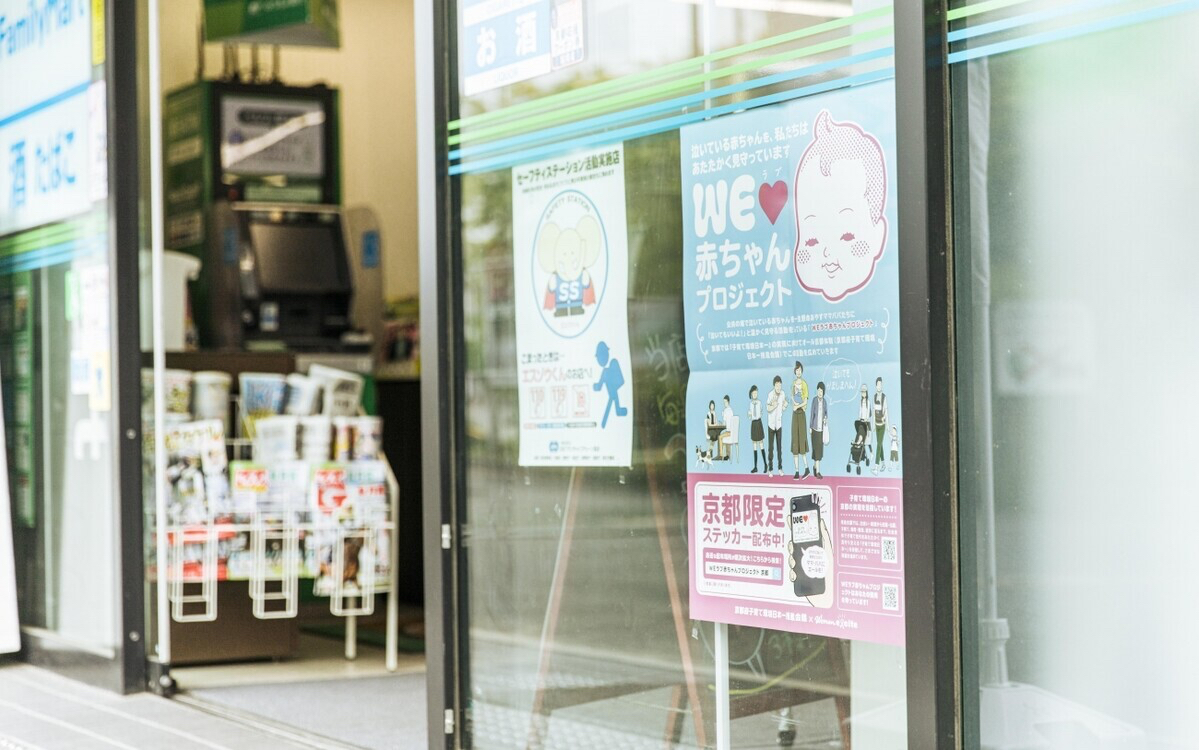
The duo have also considered expanding this overseas, with Kanagawa prefecture making a head start by creating a “Baby Cries!” sticker in English, due to the large number of foreigners there. In addition, Shihara received positive messages online from those around the world who had heard about this project through international media coverage. She said this led to a realization that “visualizing opinions on crying babies and contributing to a warm atmosphere is something that people around the world are happy to be a part of”.
Even though circumstances may be different depending on the country, it became clear that there are many who support this project, not just in Japan. “If this project can help support child rearing in countries with similar cultures to Japan, I would love for this project to expand. Since there are already local versions of the “It’s okay to cry” sticker, I would be happy if this project expanded past Japan.” Ishigami told J-Stories.
Writing by Alisa Okawara
Photos by Emi Takahata, Jiro Fujita
Editing by Desiderio Luna and Takanori Isshiki
Top page photo by Emi Takahata
For inquiries about this article, please contact jstories@pacficbridge.jp
Click here for the Japanese version of the article.