

JStories ー The world is interconnected, and so is energy, the driver of the global economy. From the trade of fossil fuels like natural gas, coal, and petroleum, the transmission of electricity into people’s homes, to new energy sources like green hydrogen for industry and transportation, Sustainable Aviation Fuel for airplanes, and emerging technology to capture carbon from the air, , the ability to transport energy efficiently is an important backbone to the economy.
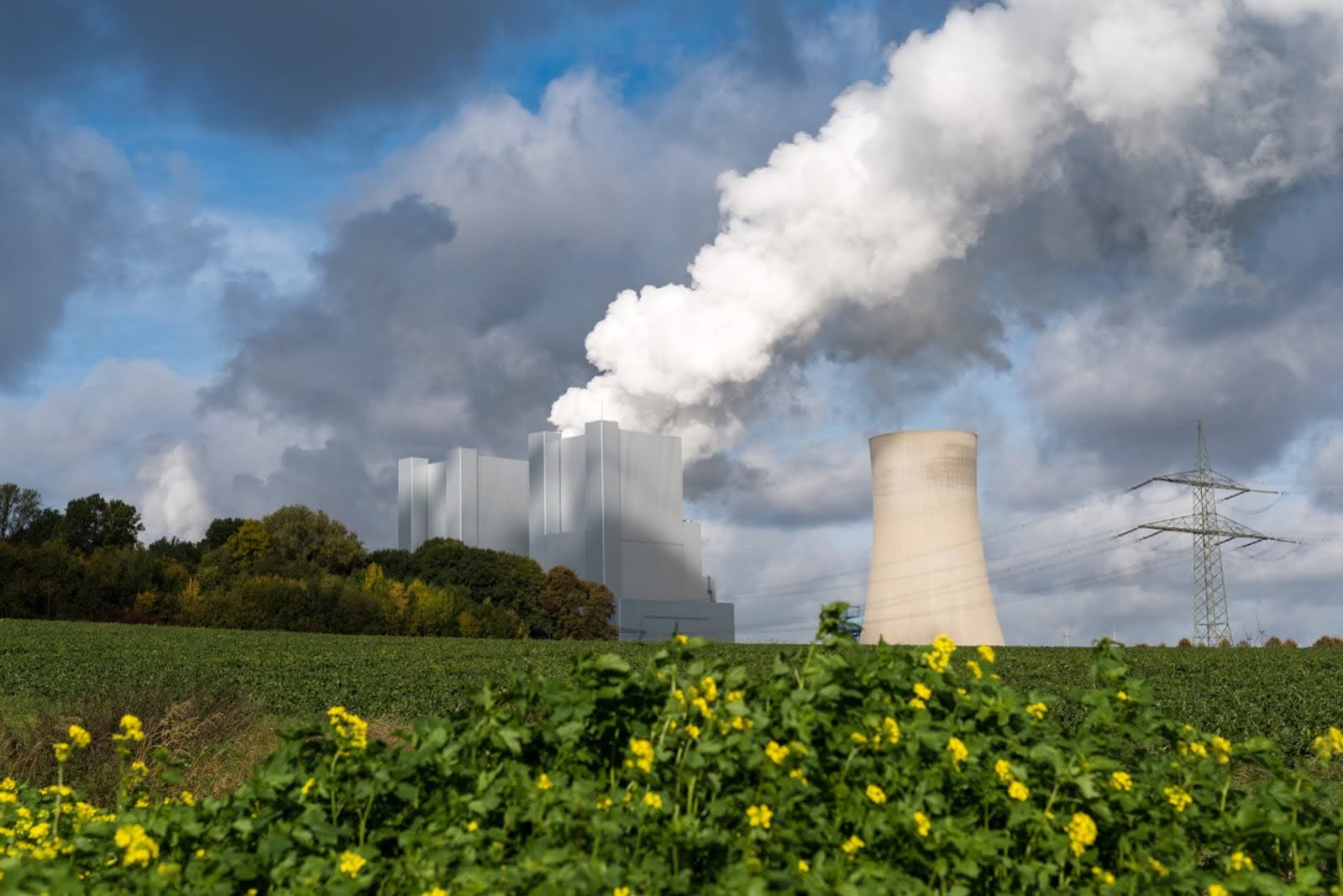
In fact, energy losses can account for a significant amount of global greenhouse gas emissions. Coal and gas-fired thermal power plants lose somewhere between 56% and 67% of energy during the process of converting fossil fuels into electricity. And in a gasoline-powered vehicle, an astounding 80% of the energy is lost before it even reaches the wheels.
The critical importance of insulation
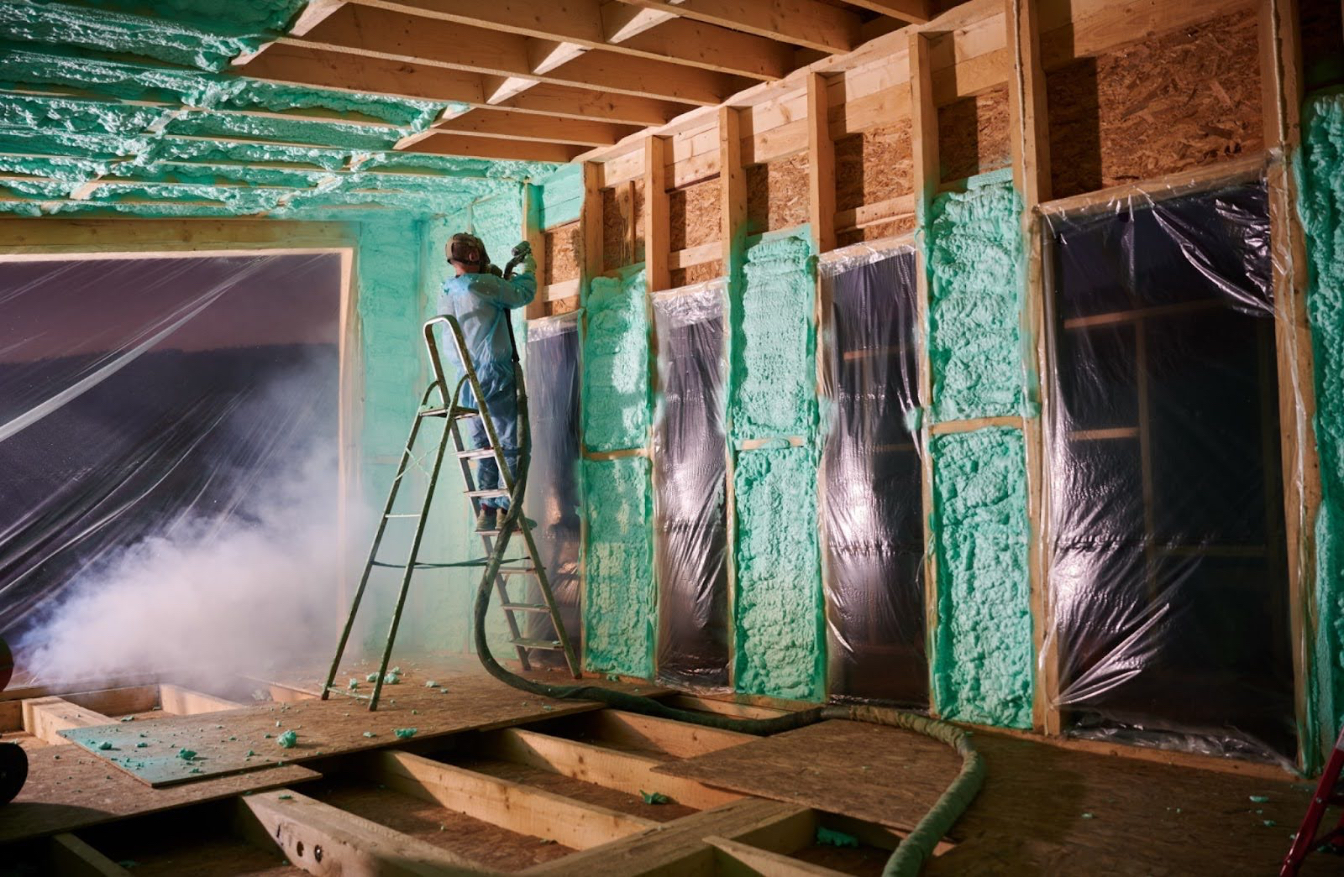
While there are many factors at play when it comes to energy loss, one big factor is insulation. Thermal insulation is a key component of many systems around the world. It keeps homes warm, conserves energy at factories, and is even central in the pipelines and ships that transport fluids and gases, like fossil gas and ammonia, around the world. Faulty or inadequate insulation means that energy can be lost or leaked, costing businesses and customers money.
Improving insulation and reducing heat loss could have massive benefits for sustainability. And one of the companies looking to make a difference is Thermalytica, a Japanese startup founded by Kazuo Konuma, Rudder Wu, and two others in 2021. Their goal is to revolutionize insulation with their innovative technology, TIISA. This cutting-edge thermal solution is designed to address challenges in energy, aviation, manufacturing, and space.

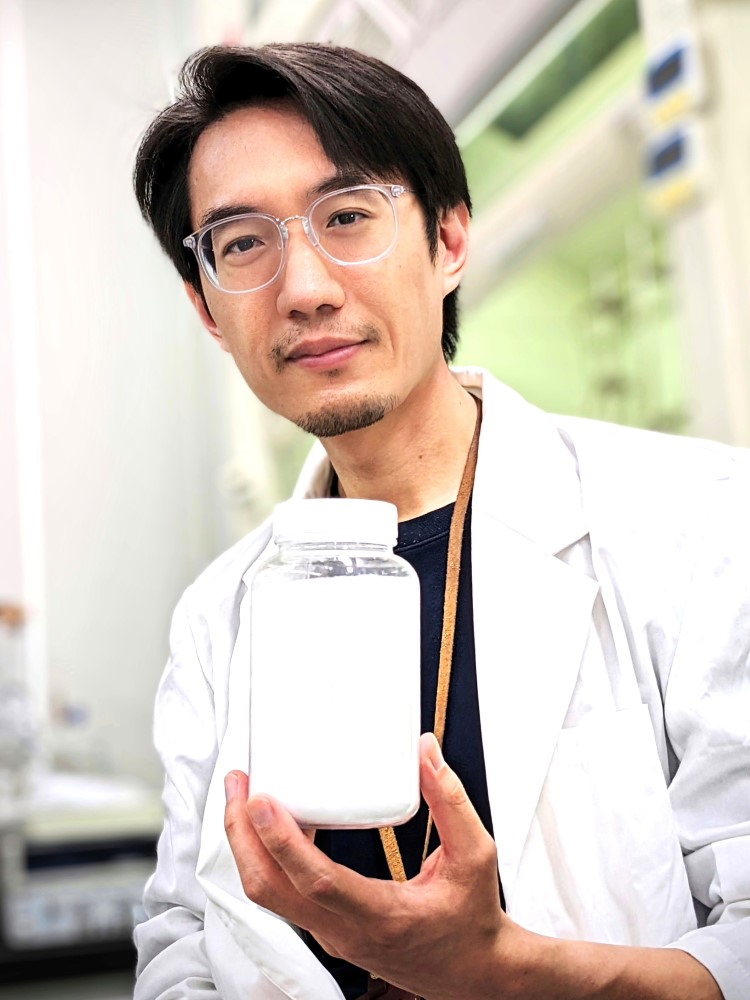
“Depending on their needs, we can provide different solutions,” said Rudder Wu, Thermalytica’s chief technology officer and, formally, a researcher for 16 years at Japan’s National Institute for Materials Science. “Powder, insulation paint or sheets, different form factors.”
New models and innovative insulation
Traditionally, thermal insulation relies on porous aerogels, which, over the past few decades, have improved significantly. But in recent years, that has changed.
“The development of aerogel materials has reached its technological limits,” added Wu. “It’s very difficult now to improve the intrinsic property of the material.”
Thermalytica takes a different approach through a groundbreaking design that incorporates closed pores within its porous structure to significantly reduce heat transfer caused by gas flow. Traditional materials allow gas trapped inside the pores to move and transfer heat. However, TIISA’s closed pores block this movement, significantly enhancing insulating effectiveness as compared to traditional aerogel insulation, reducing energy losses by as much as 30%.
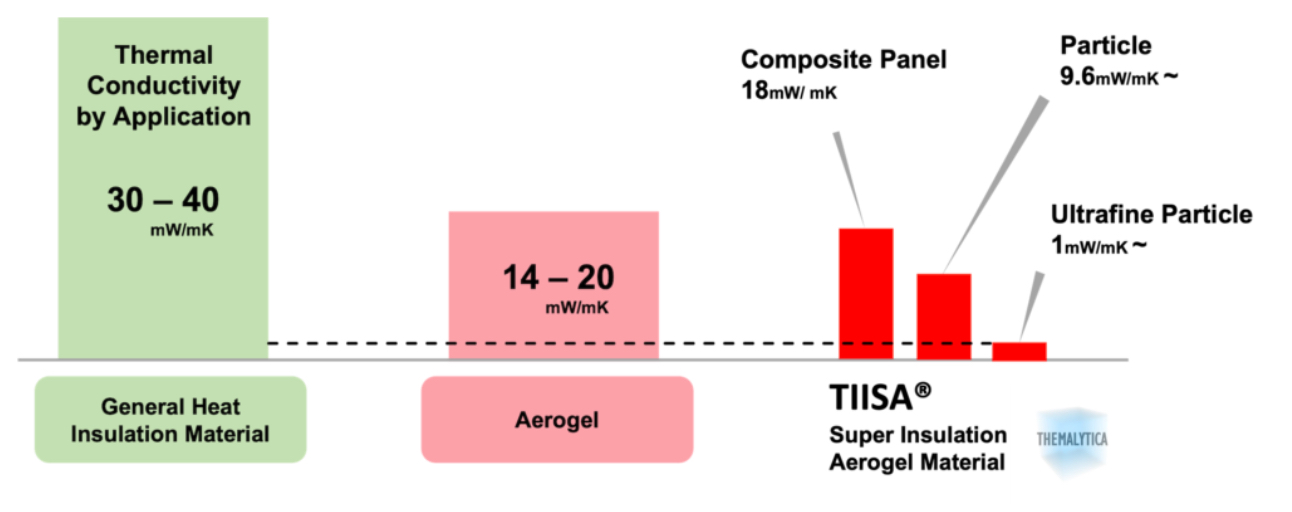
“We found out that not many people have worked on this aspect, and we noticed that we could also further improve the insulation property by quite a substantial amount,” said Wu.
In fact, Thermalytica came out of research that Wu and his colleagues conducted at the National Institute for Materials Science, making it an example of a startup trying to commercialize a laboratory process. Not surprisingly, Thermalytica is supported by several public institutions in Japan, including the New Energy and Industrial Technology Development Organization, and has an ongoing collaboration with the Japan Aerospace Exploration Agency (JAXA). In just four years, they’ve demonstrated the potential for a viable product.
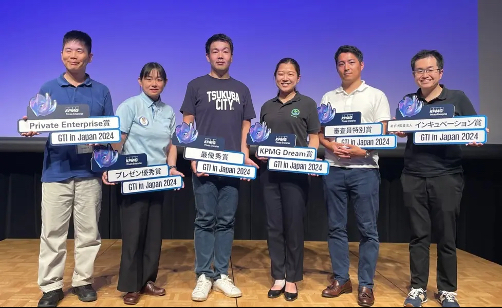
“From the first few generations of our materials, we already know that there’s huge potential,” said Wu. “We got a lot of very positive feedback from our testing partners. So we are quite confident about our future.”
For example, TIISA is exploring being used to address challenges in hydrogen logistics. Green hydrogen is being seen as a potential solution to replacing fossil fuels like natural gas in industrial or chemical uses. But the challenge is that liquid hydrogen has to be transported at incredibly low temperatures and at high pressure, which can be costly. TIISA’s heat conduction reduction, insulating pipelines, hydrogen vessels, or tanks, could make green hydrogen economically viable for heavy industries like steel and plastics production, paving the way for a hydrogen-powered future.
Their biggest challenge will be how to take a proven product from testing scale and make it commercially viable and scalable. That will require investment and expanding their workforce and physical footprint.
“A key challenge we faced, and are still working on, is how to expand the production capability of the material,” said Wu.
The first step is producing TIISA powder, sheets, and paint at their pilot facility, which opened last year. The idea is that by showing more real-world applications – and benefits to customers – they can attract investment and expand to a full commercial production soon.
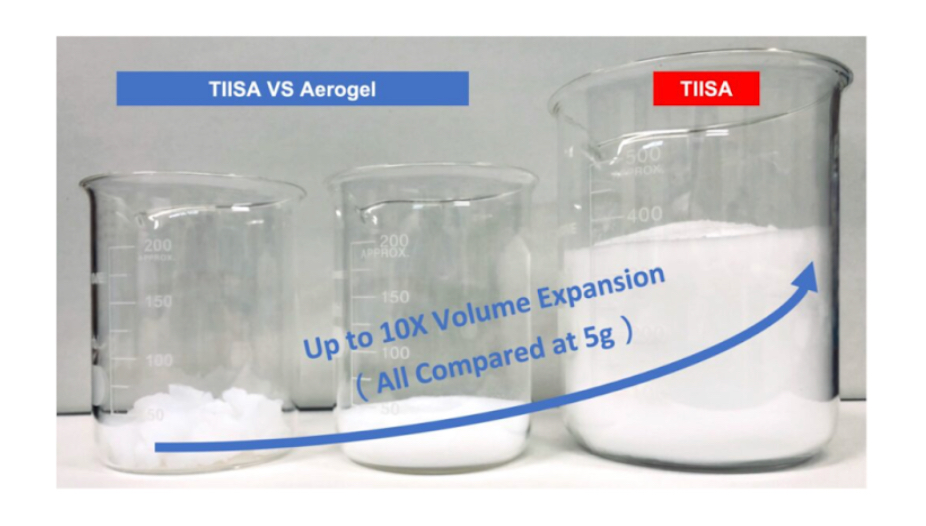
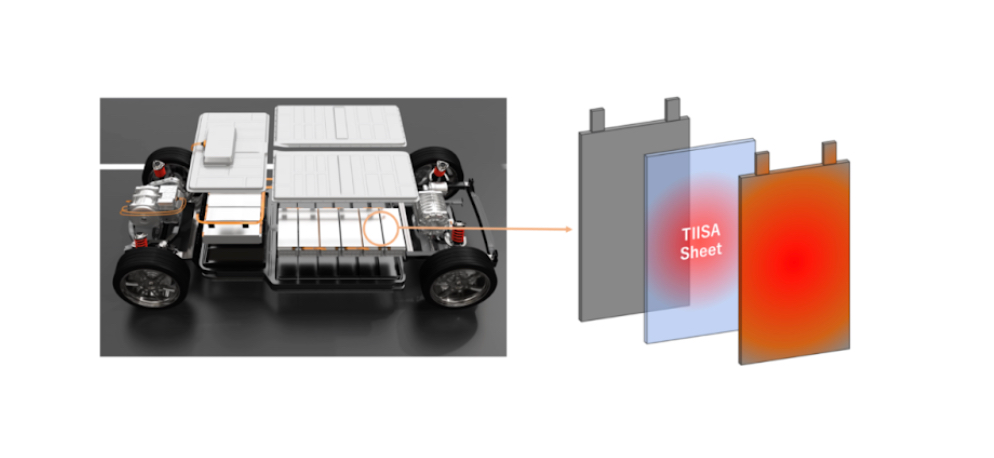
“Now we are still focusing on expanding this facility to meet our current demand,” said Wu. “We really want to have an entry level, mass production type of plant. But for that we also need to have enough budget and fundraising from investors.”
Insulation and clean tech
The team at Thermalytica consider themselves a cleantech startup, even though they aren’t producing renewable energy or directly addressing the impacts of global warming. That is because their product can help reduce emissions and fossil fuel consumption through better insulation and alongside existing technology or in existing facilities.
“Optimizing efficiency is another way to really reduce carbon footprint,” said Wu.
Making systems more efficient through better insulation could play a big role in reducing energy consumption, saving money – and addressing climate change. They are seeing interest due to expanded climate and ESG requirements in major markets, like Europe and North America. Moreover, around the world, they’re finding that factory owners are considering innovative options to make their operations greener.
“We have met with and done proof of concept testing with many different potential customers in the United States, France, Southeast Asia, and the United Kingdom,” said Wu.
If they can expand fundraising and move from pilot to commercial production, then Thermalytica hopes they can start playing a role more broadly in making the world more efficient, and subsequently, more green, by making factories, power plants, pipelines, and homes more efficient.
Written by Nithin Coca
Edited by Mark Goldsmith
Top photo: Envato
For inquiries regarding this article, please contact jstories@pacificbridge.jp
Click here for the Japanese version of the article