

This content is provided in partnership with Tokyo-based startup podcast Disrupting Japan. Please enjoy the podcast and the full transcript of this interview on Disrupting Japan’s website!
Today we are going to sit down with an old friend.
It was over seven years ago when I first had Tim Rowe on the podcast, and we mapped out what we saw as the future of startup innovation in Japan. In today’s short episode, we talk about what we got right, what surprised us, and what we think is next for Japanese startup innovation.
It’s a great conversation, and I think you’ll enjoy it.

Transcript
Welcome to Disrupting Japan, straight talk from Japan’s most innovative founders and VCs.
I’m Tim Romero, and thanks for joining me.
I’d like to share a special short in between episode with you.
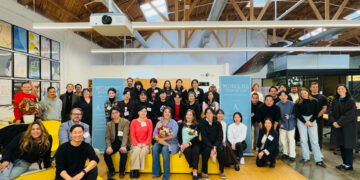
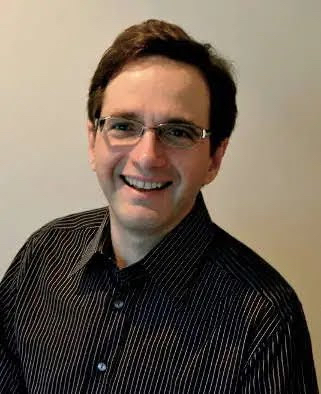
Last month I had a fireside chat with Tim Rowe, the founder and CEO of the Cambridge Innovation Center at the Global Venture Cafe’s anniversary celebration in Tokyo. And I thought I would share it with you just as it happened. I first had Tim on the show about eight years ago, just before CIC opened their Big Tokyo collaboration space.
This time Tim and I talk about the changes to the Japanese startup ecosystem since then, what we are likely to see in the future, and we also discuss what might be a new model for startup ecosystems. As startups have become more and more accepted and more and more common. The old community playbook may not be as effective as it once was.
But Tim tells that story much better than I can. So, let’s get right to the interview.
(Part 3 of 6. Continuing from Part 2)
Interview
(Continuation of the previous article)
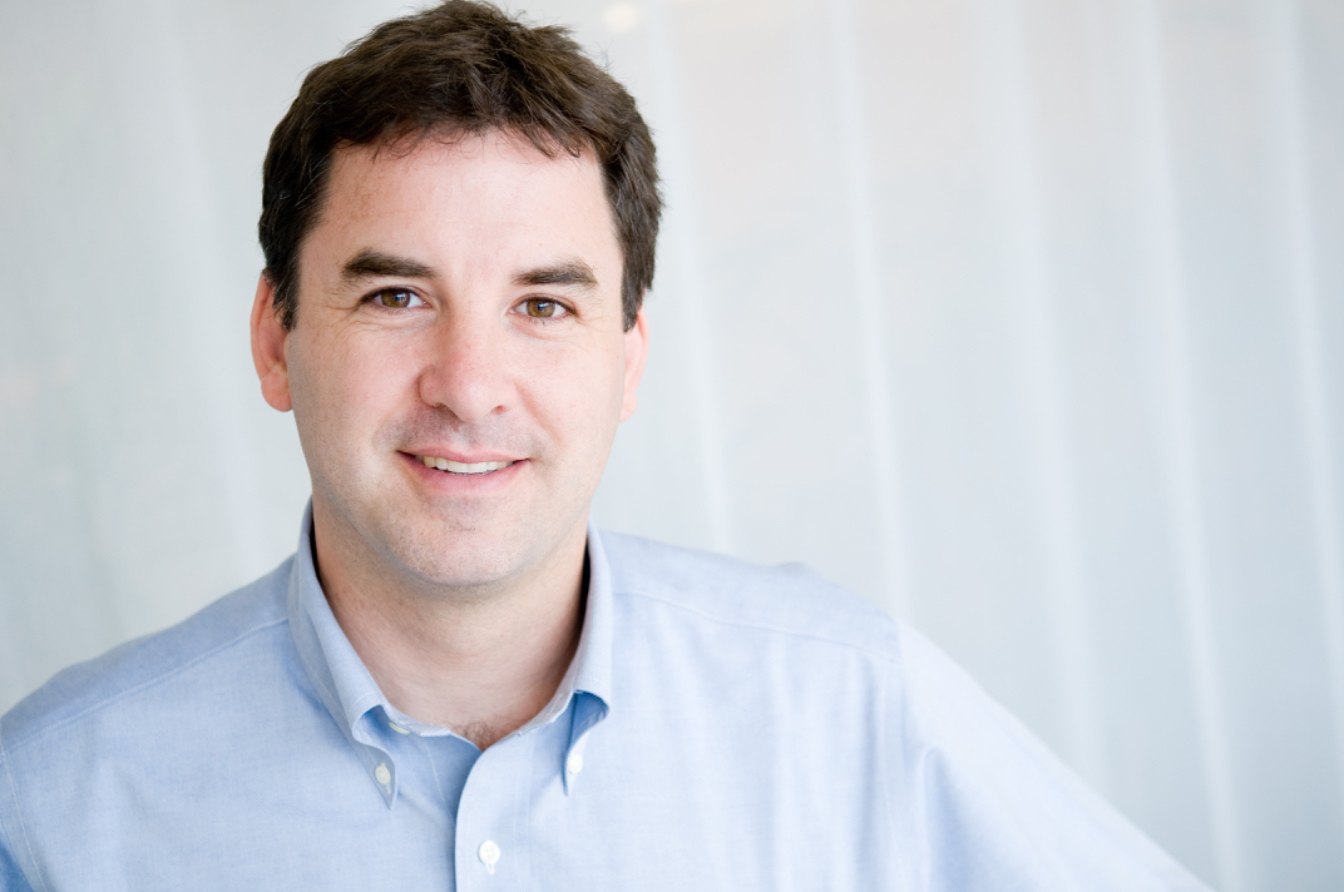
Romero: Yeah, I think that makes a lot of sense. The government leadership, the spotlight they can shine on startups and the legitimization they provide to the rest of industry to engage with them. It really has moved the needle. But talking about like government involvement and how people try to support startups. So, there’s an awful lot of projects globally that everyone wants to be this Silicon Valley of X, for whatever X can be, but community building is hard. Most of the time it doesn’t work out the way people expect it to. So, looking at all of the successes and failures you’ve seen around the world, what are the key factors? What makes a community successful? When you’re looking at it in early stages, what jumps out at you and says, yeah, this has potential.
Rowe: I’m glad you asked that, Tim, because we at CIC and Venture Cafe, we can talk about policy but we’re really not policy people. We’re kind of very low level on the ground kind of doers, if you will, in the innovation space. And we found that there are some very simple things that you can do that help make innovation ecosystems work better. And we’re not the only people doing these things, but we’re very happy to share what we’ve done and we collaborate with a lot of the other folks we find that do this kind of work. So, one of the things that we found, for instance, is this in a given city, by the way, and back to M-I-T-M-I-T has a group called REAP – the Regional Entrepreneurship Acceleration Program that works around Japan and around the world. That really focuses on what are those things that you need to do to make your ecosystems work. There’s a group here that you’re going to hear from later called ARIA out of the UK, the Advanced Research Innovation Agency that has a really very exciting model to support innovation. So, I don’t want to say that we’re the only ones doing this. There are a bunch of people around the world doing really interesting work to support innovation. What we’ve found is something simple, any given city has a certain kind of quotient, a certain amount of innovation skill. Let’s talk this is researchers doing groundbreaking work. This is entrepreneurs with some experience to build companies. This is investors with money to put work as risk capital in new organizations. There’s a certain initial sort of status, if you will, that you have in your city of an amount of each of these things. Sure, over time you can build them and you should. You should get more risk capital, you should get more research that’s happening. You should build more success capable entrepreneurs. But that happens slowly.
What can happen quite quickly is you can do a better job mixing the ingredients you already have. So, sort of dumb analogy, when you bake a cake, you’re mixing flour and sugar and water and maybe some eggs and perhaps a couple of other things. If you took those ingredients and you sort of put them in a bowl and you put the bowl in an oven, you would not get a cake. You have to kind of connect them in some way in the right way. And so the right way when it comes to entrepreneurship is an investor who’s willing to take a risk on an entrepreneur. An entrepreneur who’s willing to spend the time with a scientist to understand their crazy idea and the potential it has. A scientist who’s willing to get out of their skin as a researcher and understand what the potential is for their technology to actually change the world in some way. And because a lot of scientists, by the way, are incredibly bright, but fewer are have that sort of itch to really then take the thing they learned and turn it into a way that society has improved. And I’d like to see more of that, but that mixing, if you will, of these ingredients you have, that’s a thing that historically we have put less effort into as a society.
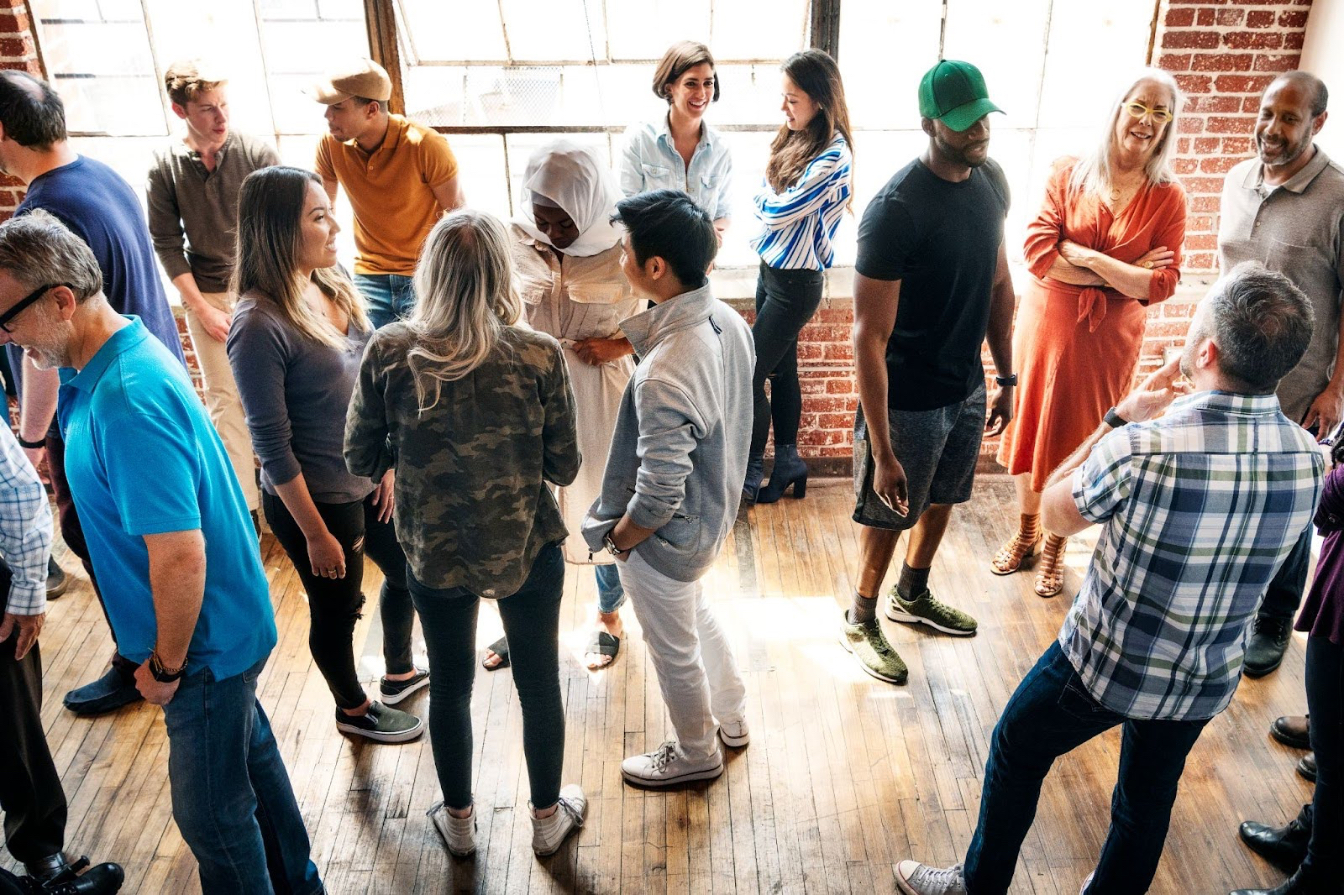
So, you go to Cambridge University, I was there last week, and one of the most incredible research institutions in the world. They’re now starting to lean in very heavily. Okay, how do we then sort of get the ideas out of the labs and into companies and make that turn into jobs and make that turn into products? It’s very exciting to watch this happen. So, this mixing exercise turns out not to be that hard. And that’s what Venture Cafe is. And I said, we’re just one of many groups that are doing interesting things here, but we’re trying to get people with those skills and interests together, and we’re trying to get them to meet and connect with each other. That’s what we call it, a gathering. And to build some basic level of trust. It’s not that hard to do that. It turns out when you put humans together in a space for a decent amount of time, they’ll talk, they’ll get to know each other, and that trust, catalytic event happens. And that’s what then can lead to, okay, we’re actually going to start a company together.
(To be continued in Part 4)
In Part 4, we will talk about how to build collaboration and partnerships in innovation ecosystems, and the importance of incorporating customers into the ecosystem.
[ This content is provided in partnership with Tokyo-based startup podcast Disrupting Japan. Please enjoy the podcast and the full transcript of this interviewon Disrupting Japan’s website! ]
Top photo: Envato
Click here for the Japanese version of the article