


Tokyo Updates offers in-depth insights into the latest innovations, developments, and initiatives shaping Tokyo as a leading global city. JStories brings you solutions-focused content from Tokyo Updates, highlighting the creative solutions and groundbreaking efforts emerging from Tokyo.
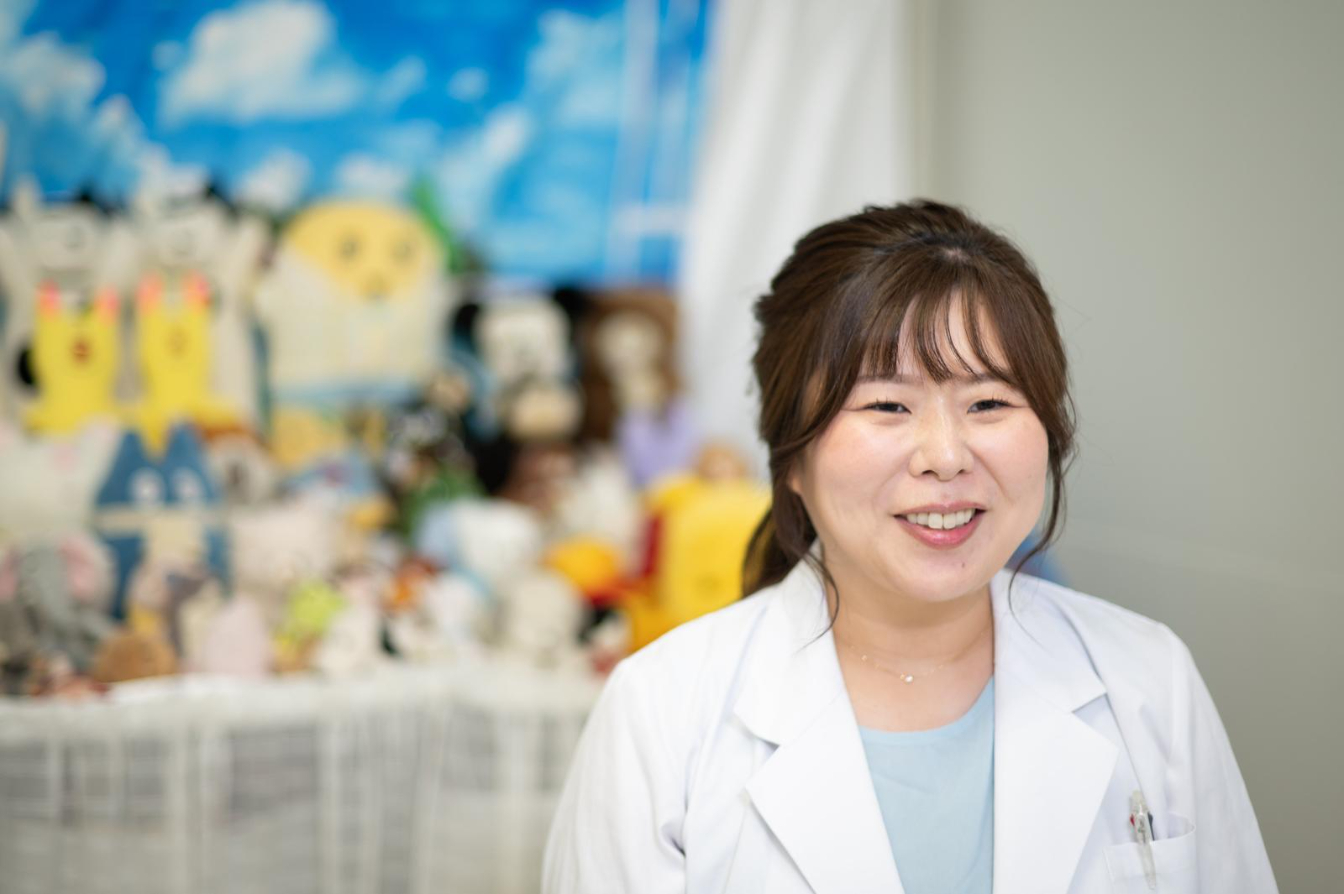
Mori no Miyako Natsumi Clinic treats stuffed animals like family, providing specialized care for these cherished companions. After opening in Sendai in 2016, the clinic moved to Tokyo in 2018 and now cares for about 100 toys every month. We spoke with clinic director Hakozaki Natsumi about what Tokyo brings to her work and how stuffed animals become part of the family.
From dressmaking to stuffed animal care
Hakozaki grew up in Sendai, Miyagi Prefecture in northeastern Japan, where her grandmother taught her to sew. As a child, she made doll clothes and bags, sparking her interest in dressmaking. After graduating from fashion school, she worked at a women’s custom clothing salon and later at a clothing alteration shop, where she discovered stuffed animal repair.
“At the alteration shop where I worked, we fixed all kinds of fabric items—curtains, tablecloths, bags, you name it. One of the services was stuffed toy repair, and that’s how I first learned about their structure and how to fix them,” says Hakozaki.
As Hakozaki came to enjoy repairing stuffed toys, she realized they were different from other fabric items—they held a special place. What struck her most was seeing how deeply moved owners were when they got their companions back.
“When customers receive their restored toys, they often cry and hug them tightly, saying things like, ‘I’m so glad you’re better,’ just as if their own child had come home from the hospital. That’s when I realized how many people treat their toys like family,” says Hakozaki.
Inspired to use her skills and experience for those who treasure their stuffed toys, Hakozaki envisioned what she calls a “stuffed animal hospital.”
Two years in Sendai, ready for Tokyo
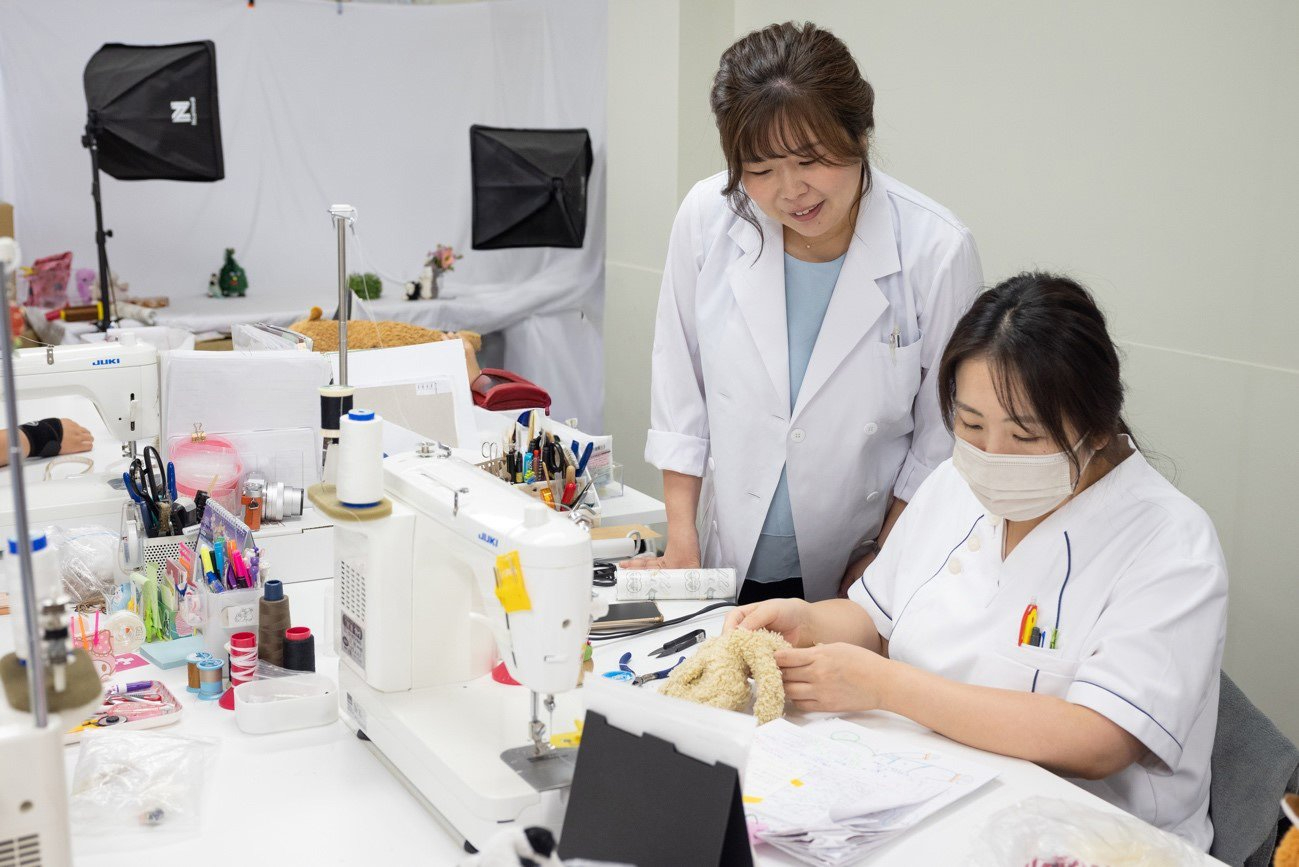
Once she settled on the idea of a “stuffed animal hospital,” it took about two years to prepare. Hakozaki spent that time honing her repair skills, studying marketing and social media, learning accounting and tax basics, and taking a course in website design.
Hakozaki opened Mori no Miyako Natsumi Clinic in her renovated family home in Sendai in January 2016. Tucked away in the mountains near the Yamagata Prefecture border, the clinic still attracted requests from all over Japan and even overseas, mainly through its online shop.
Most clients used the mail at the time, but some said they wanted to meet in person or did not feel comfortable shipping their toys. Around 10 percent traveled long distances—taking the Shinkansen (bullet train) or local trains—to bring them to the clinic. In 2018, Hakozaki made a major decision.
“As more clients came, I began to feel it was too much to ask them to travel all the way to Sendai. I thought, ‘Then we should move closer,’ and decided to relocate to Tokyo with my entire staff,” says Hakozaki.
Tokyo opens new doors for toy care
After the move to Tokyo, about half of the clients began coming to the clinic in person. This not only made visits easier but also widened the possibilities for toy repair. In Sendai, fabric and parts were hard to find, but in Tokyo Hakozaki gained access to a rich variety of materials at craft shops in Shinjuku and fabric wholesalers in Nippori.
“I shop for materials at least once a week. Yarn for re-rooting is especially delicate, since I have to match subtle shades to the way different parts of a toy have faded in the sun. Being able to see and choose the materials directly makes all the difference,” says Hakozaki.
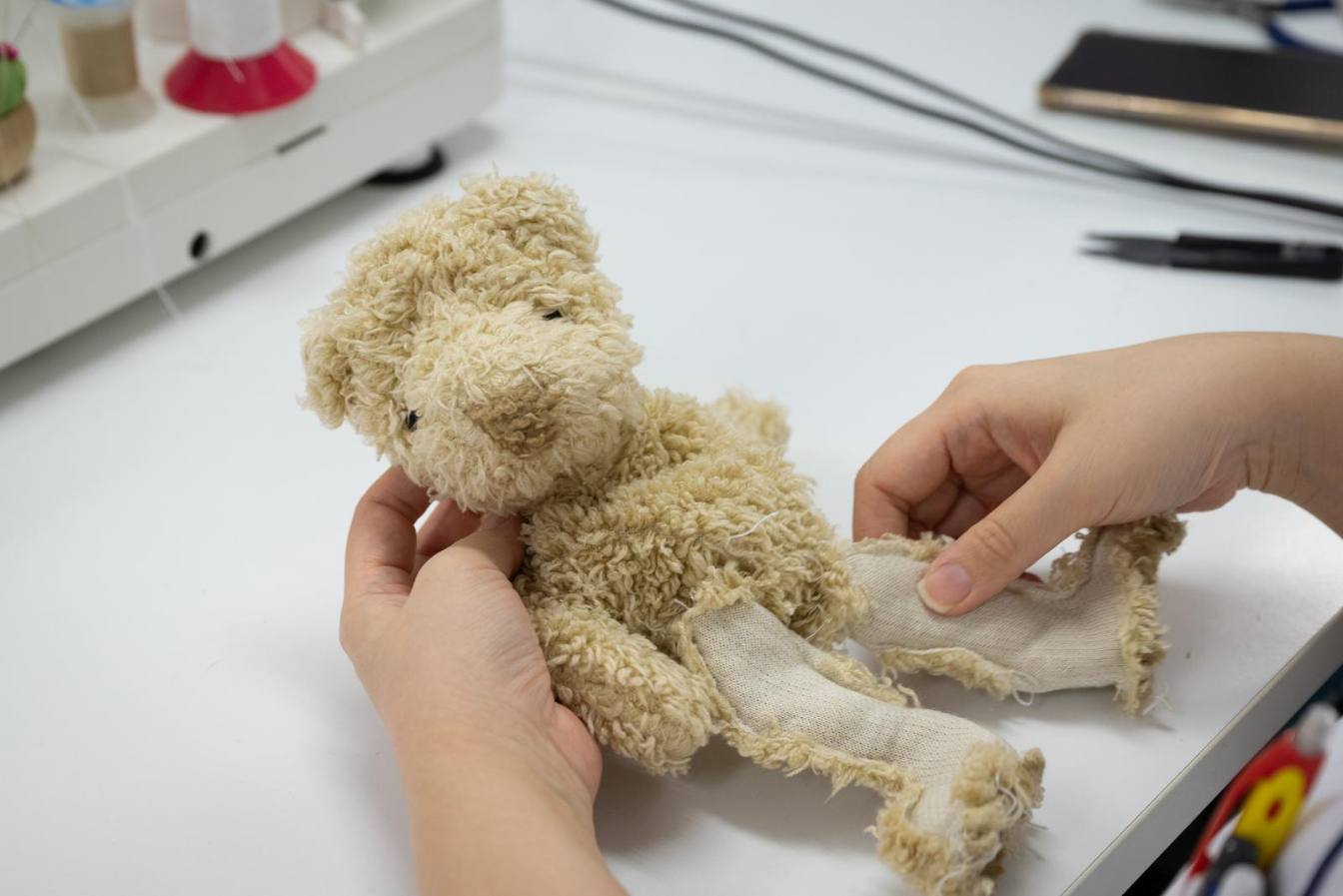
Tokyo did not just offer better materials. Hakozaki also found a culture that openly embraces love for stuffed animals.
“I was amazed by how many people in Tokyo are open about their love for toys. Some cafés even serve sweets for them so that owners can enjoy the experience together. It feels like a city that truly welcomes those who cherish their toys,” Hakozaki explains.
Careful counseling at the heart of specialized care
Mori no Miyako Natsumi Clinic now treats about 100 toys each month. Above all, the clinic values thoughtful counseling that truly supports its clients.
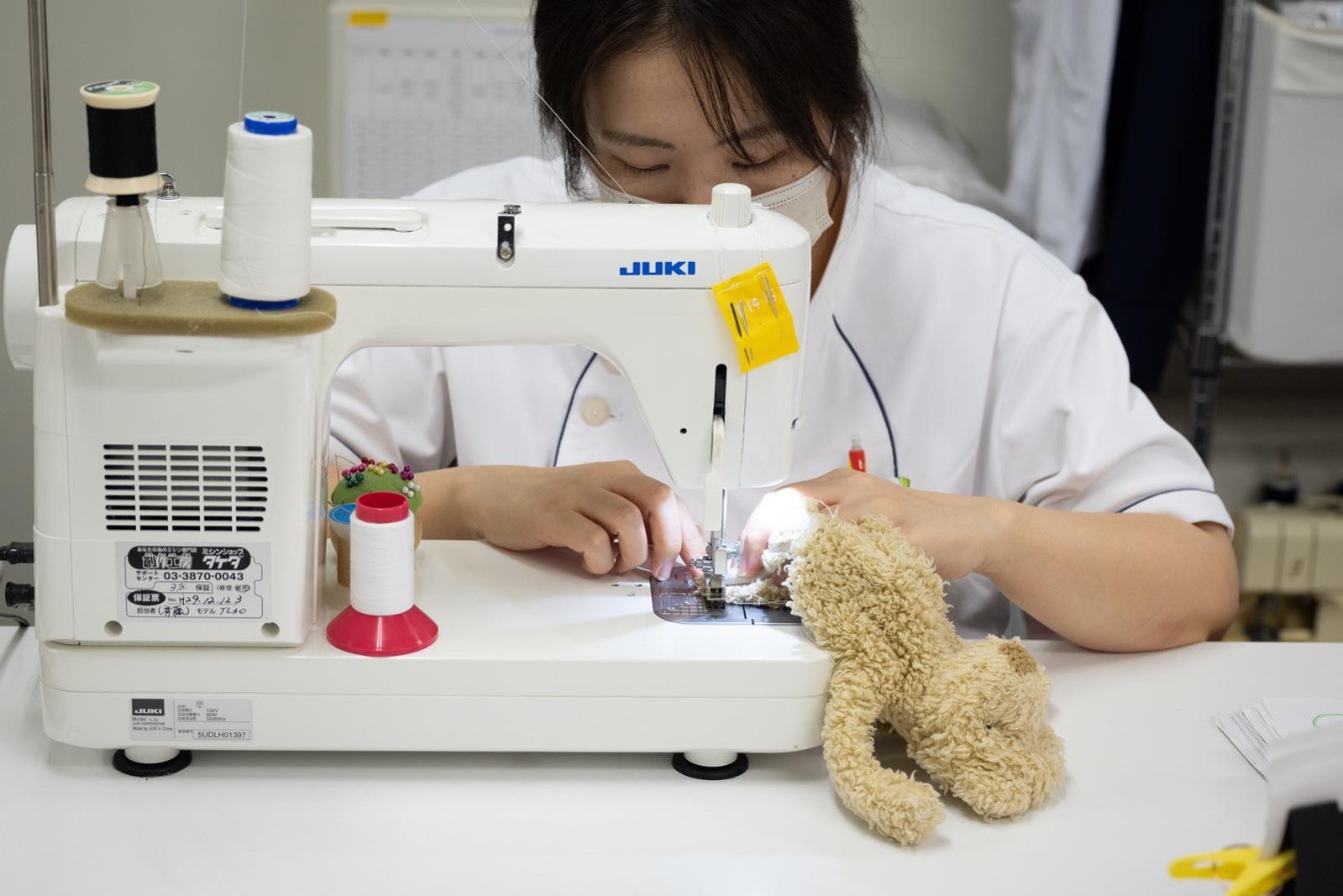
“We start by asking three questions: What kind of treatment does the client want, what can we provide, and what will it cost? We make sure these line up before beginning any treatment. Counseling usually takes about two weeks, during which we present a detailed treatment plan for the client to approve,” Hakozaki says.
During treatment, the clinic focuses on preserving each toy’s individuality.
“When new toys are lined up in a store, they all look the same. But once one is welcomed into a family and spends years together, it develops its own character. Its expression changes, and the fading and worn texture become part of its story. We always try to preserve that individuality when discussing treatment with clients,” Hakozaki says.
One client asked to leave a scorch mark from a heater, calling it “proof that this toy had protected me.” For Hakozaki, the aim is not to make toys look brand new, but to restore them to health while keeping their individuality.
Discovering yourself through stuffed animals
In today’s world, everyone faces the complexity of human relationships. For those living with loneliness and stress, conversations with toys can offer real comfort, according to Hakozaki.
“I think a lot of people at school or work hold in stress because they cannot say what they really feel. In those moments, I hope they try talking to a toy. It’s soft, has a gentle scent, and brings comfort. With its eyes and expression, it feels as if it’s really listening to you,” Hakozaki says.
With people, we often hold back, worrying about how they might react, and end up keeping our true feelings inside. Toys are different—they accept every word and are always there for us.
“Speaking your thoughts out loud helps organize them,” Hakozaki says. Through conversations with toys, people can face their feelings and find the push they need to move forward.
A survey released by toy and hobby company Bandai Spirits in February 2025 found that 53.8% of respondents had owned a stuffed animal for over 10 years. The results showed that people of all ages continue to value them for years. The survey also highlighted growing demand for care services, with 27.1% interested in specialized cleaning and 17.7% in professional repairs.
As birth rates fall and more people live alone, the meaning of family is changing. Alongside pets and houseplants, stuffed animals are increasingly being cherished as family members—a trend that is likely to keep growing.
Part of today’s changing families
Mori no Miyako Natsumi Clinic will celebrate its 10th anniversary in 2026. In 2025, Hakozaki is embracing new projects, including publishing a photo book of stuffed animals, holding pop-up clinics in Sendai, Nagoya, Osaka, and even Singapore, and sharing her work on YouTube. We asked her about the motivation behind these efforts and her vision for the clinic’s future.
“I’ve never had big ambitions, but I’ve always tried to take on what I wanted to do and make it happen. There have been failures along the way, but I focused on what worked and kept building from there—that’s how I got to where I am today. Now, nearly 10 years after opening the clinic, some toys I treated 5 or even 10 years ago return for checkups. I value the trust I share with clients and hope to continue the clinic for many years to come,” Hakozaki says.
Mori no Miyako Natsumi Clinic is more than a repair service for stuffed animals—it is a place that provides special care for treasured family members. In Tokyo, a city that welcomes diversity, Hakozaki continues to support new forms of family at the center of a growing global love for stuffed animals.
Hakozaki Natsumi
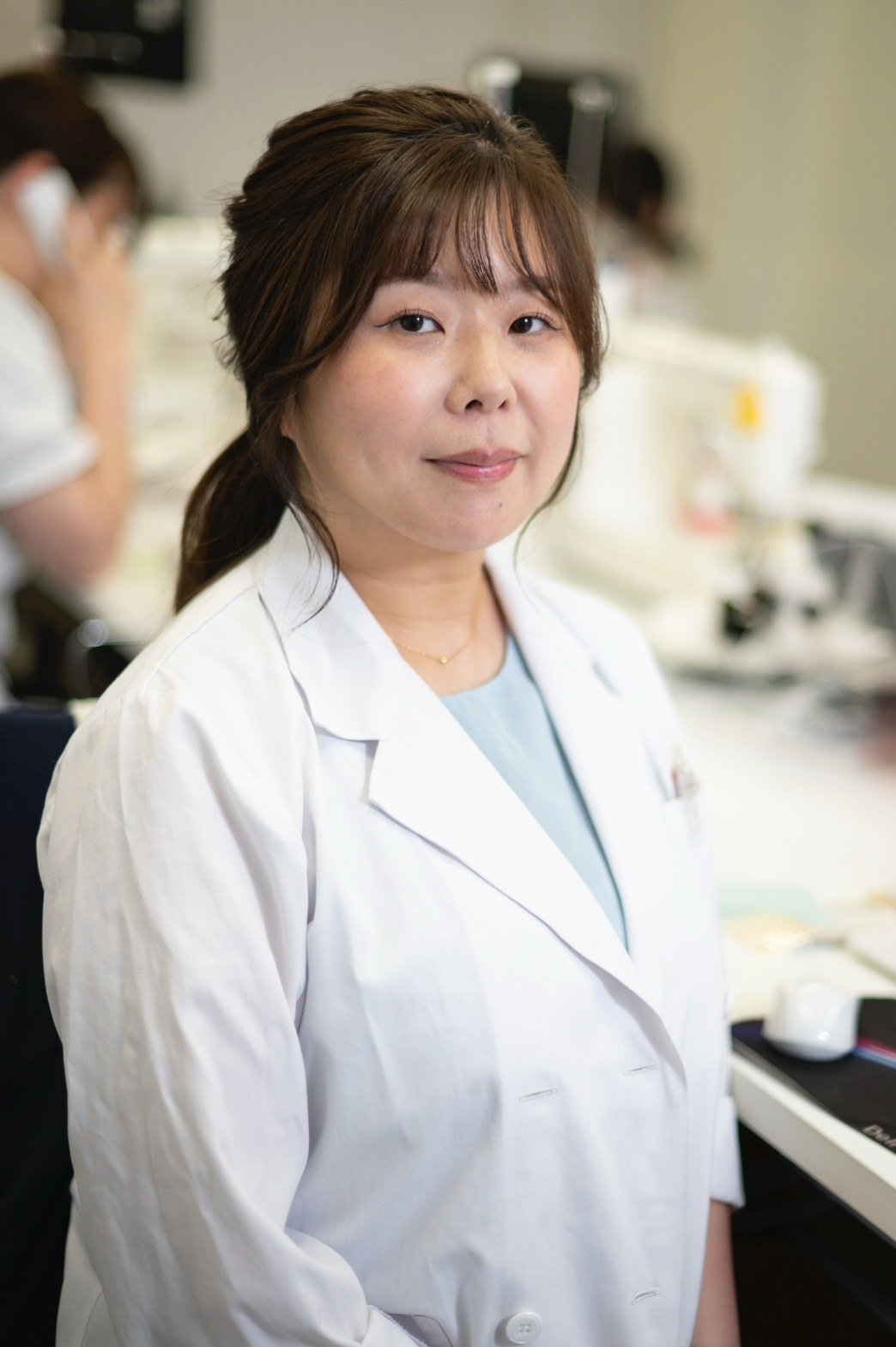
Mori no Miyako Natsumi Clinic
Interview and writing by Kato Natsuko
Photos by Akiyoshi Yoko
Translation by Luna Lys
To read the original article and more stories about what Tokyo offers, please visit Tokyo Updates’ website.
Click here for the Japanese version of the article