

JSTORIES — Determined to “free patients from the suffering of cancer,” Tokyo-based biotech startup FerroptoCure Inc. is taking a groundbreaking approach to cancer therapy. The company is developing a next-generation class of oral anticancer drugs based on a recently discovered form of cell death known as ferroptosis. Its goal is ambitious yet simple: to make cancer treatment as accessible and manageable as treating a common cold. The approach could help reduce side effects, ease the burden on families, and transform the global landscape of cancer care.
As populations around the world continue to age, the number of cancer patients is steadily rising. The American Cancer Society predicts that the global cancer population will reach 35 million by 2050. In 2022 alone, an estimated 20 million people were newly diagnosed with cancer, and 9.7 million died from the disease.
While research into new anticancer drugs continues worldwide, treatment remains a heavy burden — financially, physically, and emotionally — for both patients and families. Most existing therapies are costly and come with severe side effects, leaving the fight against cancer one of society’s greatest challenges to this day.
From the operating room to the lab: a doctor’s resolve
FerroptoCure’s founder and CEO, Yuji Otsuki, began his career as a thoracic surgeon at a hospital in Sapporo. “As a clinician, I faced many cancer patients — many of whom couldn’t be cured,” he recalls. “I began to feel that to truly save lives, we needed new kinds of anticancer drugs.”
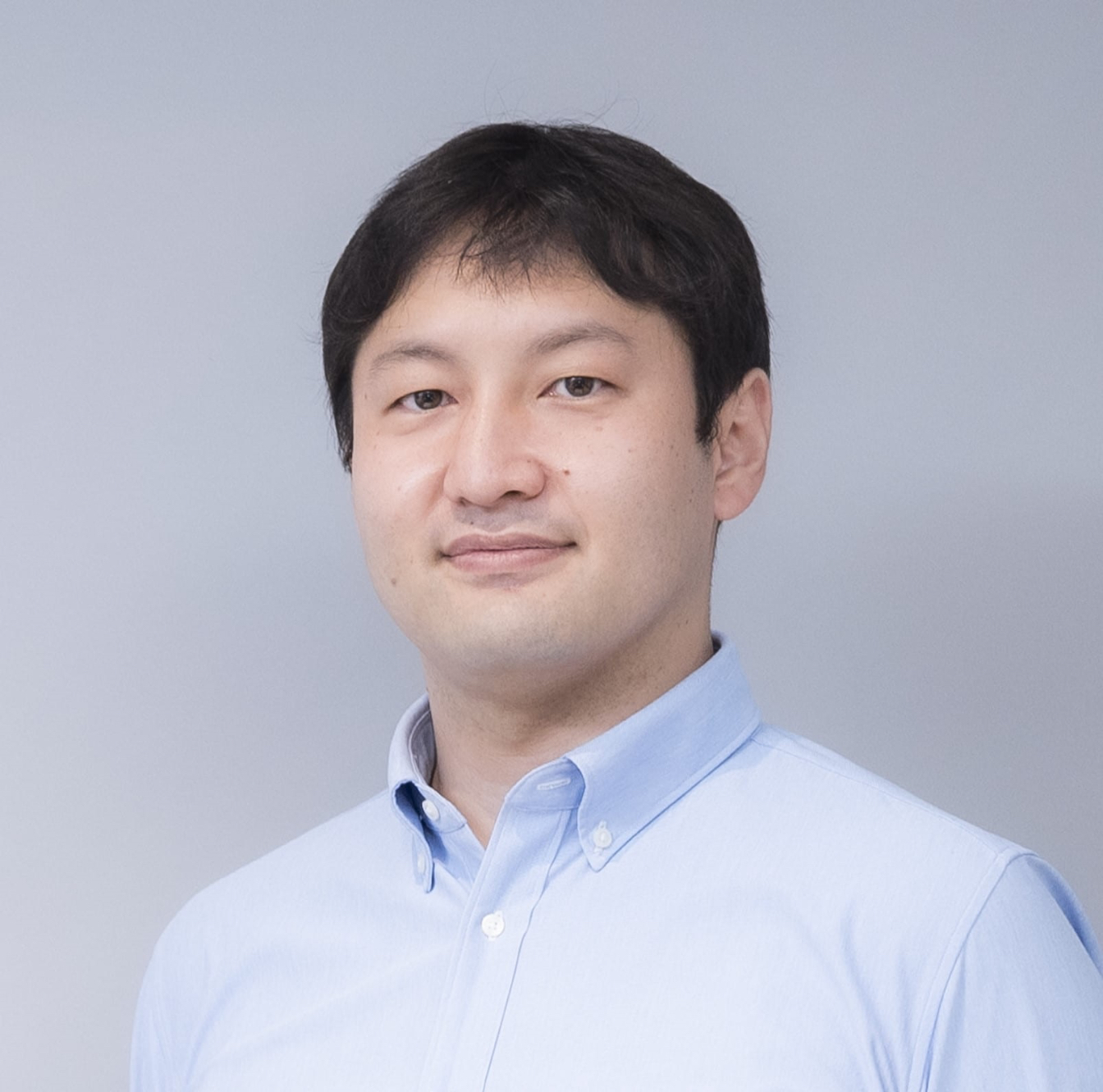
Though entrepreneurship was not initially part of his plan, years of research fueled a desire to bring scientific discoveries into real-world use. In 2022, Otsuki and four fellow researchers founded FerroptoCure with the goal of translating academic breakthroughs into clinical applications.
Targeting a newly discovered cell-death mechanism
FerroptoCure’s drugs harness ferroptosis — a form of cell death distinct from apoptosis, the body’s natural process. In ferroptosis, cancer cells die when reactive oxygen species (ROS) accumulate inside them due to metabolic changes or anticancer treatments. Normally, cells suppress this reaction through antioxidant defenses. FerroptoCure’s drugs work by lifting those defenses — essentially unlocking the ferroptosis process so cancer cells can self-destruct.
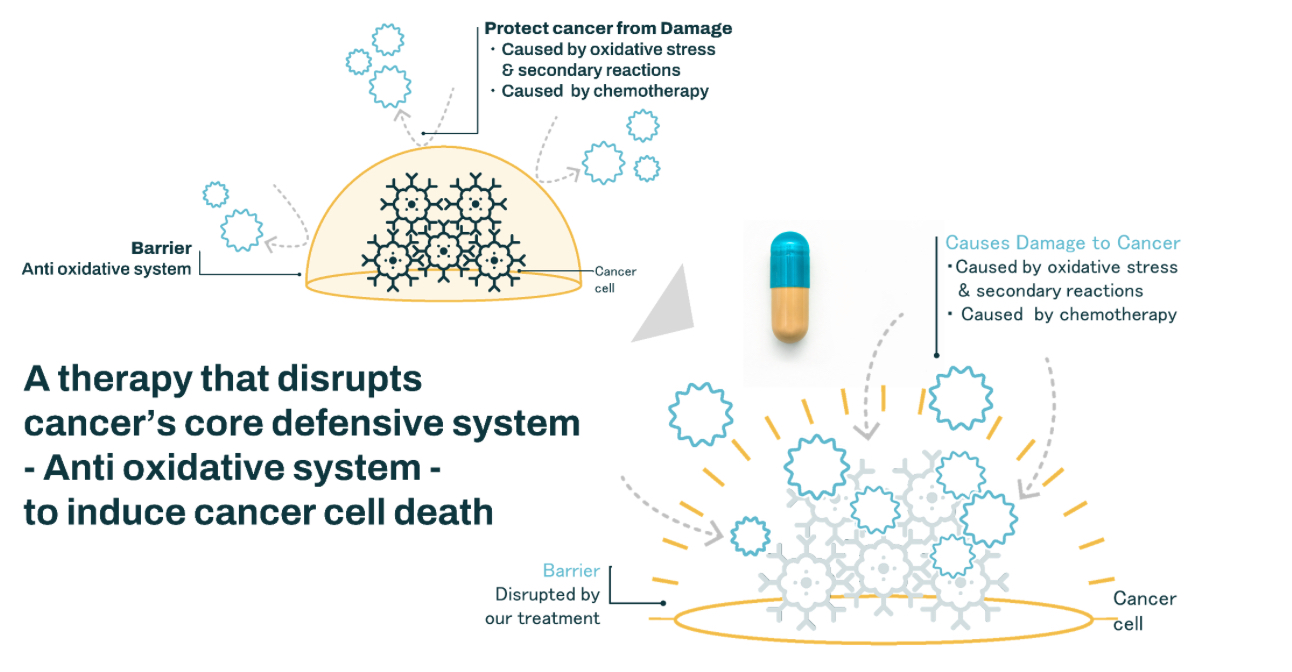
This iron-dependent cell death mechanism was first reported in 2012, opening a new frontier in oncology research. FerroptoCure’s team is building on this science to create safe, effective, and orally available cancer therapeutics.
Aiming for treatment with fewer side effects
Unlike conventional anticancer drugs, FerroptoCure’s therapy promises fewer side effects and less strain on the body. The company is developing it as an oral medication, reducing the burden not only on patients but also on their families and medical staff.
Otsuki says his decision to pursue an oral treatment was shaped by his experience with patients’ families. “During my years as a clinician, I saw families forced to quit their jobs to care for cancer patients,” he says. “I wanted to create a treatment that would ease the burden on both patients and their loved ones.”
Lead drug for triple-negative breast cancer shows promise across multiple tumor types
Research has shown that ferroptosis may also play a role in neurodegenerative diseases such as Parkinson’s disease. In the U.S. and elsewhere, drug development using this principle is already underway.
While most drug discovery efforts focus on a single molecular target, FerroptoCure’s approach is unique: it targets two proteins simultaneously to induce a stronger therapeutic effect.
“During our studies, we realized that targeting only one molecule produced limited results,” says Otsuki. “By adding another related target, we found a way to induce ferroptosis more powerfully. To our knowledge, no other company is developing drugs using this dual-target approach.”
Among the company’s drug candidates, one for triple-negative breast cancer — a particularly hard-to-treat type accounting for about 20% of breast cancers — has already completed Phase 1 clinical trials in Japan. The data also suggest efficacy against various other cancers, indicating that the drug could eventually target all solid tumors, not just specific types. If successful, it could redefine the standard of cancer treatment.

Extending innovation to animal health and neurodegenerative diseases
In parallel with its human clinical programs, FerroptoCure is also developing anticancer drugs for pets, as cancer rates among animals rise with aging populations. The company’s vision is to create “a society where neither humans nor animals suffer from cancer.”
Looking ahead, the team plans to expand research into neurodegenerative diseases such as dementia and Parkinson’s disease, applying its understanding of how ferroptosis can be triggered and controlled to explore new therapeutic areas.
From Japan to the world
Having completed domestic trials, FerroptoCure plans to begin clinical testing in Australia next spring. With sights set on global expansion, the company sees overseas trials as essential for demonstrating efficacy across diverse populations and paving the way for international approval.
Securing funding remains one of the company’s biggest challenges. Developing new drugs requires enormous investment and time. While the company already has backing from Japanese investors, inquiries from the U.K., the U.S., and France are also increasing.
“We’re aiming for FDA approval in the United States,” says Otsuki. “We hope to form alliances with overseas companies that share our mission — to bring this therapy to patients worldwide.”

When asked about his long-term vision, Otsuki smiles:
“In five years, I hope to be working mainly overseas. In 10 years, I want our new drug to be in patients’ hands. My dream is a world where cancer can be treated like the common cold.”
Translated by Anita De Michele | JStories
Edited by Mark Goldsmith
Top photo: Envato
For inquiries regarding this article, please contact jstories@pacificbridge.jp
Click here for the Japanese version of the article