


JSTORIES ー A few years ago, food tech was seen as one of the brightest areas in the entire tech industry. Plant-based meat startups like U.S.-based Beyond Meat, the U.K.’s THIS, and Singapore’s Mottainai Food Tech raised millions and launched innovative products. Alongside them, other companies sought to innovate in areas like fermentation, protein production, food-waste reduction, and even lab-made alternatives to meat, coffee, and palm oil.
In recent years, however, the shine in food tech appears to have worn off. Many innovations have found scaling costly, disappointed consumer tastebuds, and faced regulatory challenges. Even plant-based meat, once the poster child of food tech in terms of safety and growth, has stalled, according to the Good Food Institute. The result – a drastic global slowdown in investment in food tech.
According to a report by global venture capital firm AgFunder, financing for agrifoodtech startups dropped almost 50 percent in 2023 from a year ago. But there is an exception, said the San Francisco-based food and agriculture tech investor. Japan was one of just five countries in the world to see an increase in funding for food tech in 2024. According to industry experts at the Global Startup Expo in Osaka, held alongside the Osaka-Kansai World Expo, the reason is collaborations with established brands and active support by the government. With numerous Japanese food and agtech startups taking a unique, measured path toward global expansion, such as EF Polymer, Fementation, TOWING, and Sagri, there is hope that they can be a model for global food and agritech startups to revive growth.

“Japan has an advantage because Japan has so many global companies in food and beverage areas,” said John Hartnett, CEO of SVG Ventures|THRIVE, a Silicon Valley-based agrifood investor, at the Osaka Startup Expo in September 2025. “They can help Japanese startups go to the global market.”
Why Japan stands out
As a country that has historically dealt with food insecurity, Japan’s food system is unique with strict guidelines for safety, health, and imports. Established food, beverage, and agriculture brands like Kagome, Meiji, or Glico generally enjoy high levels of trust with both consumers and also farmers.
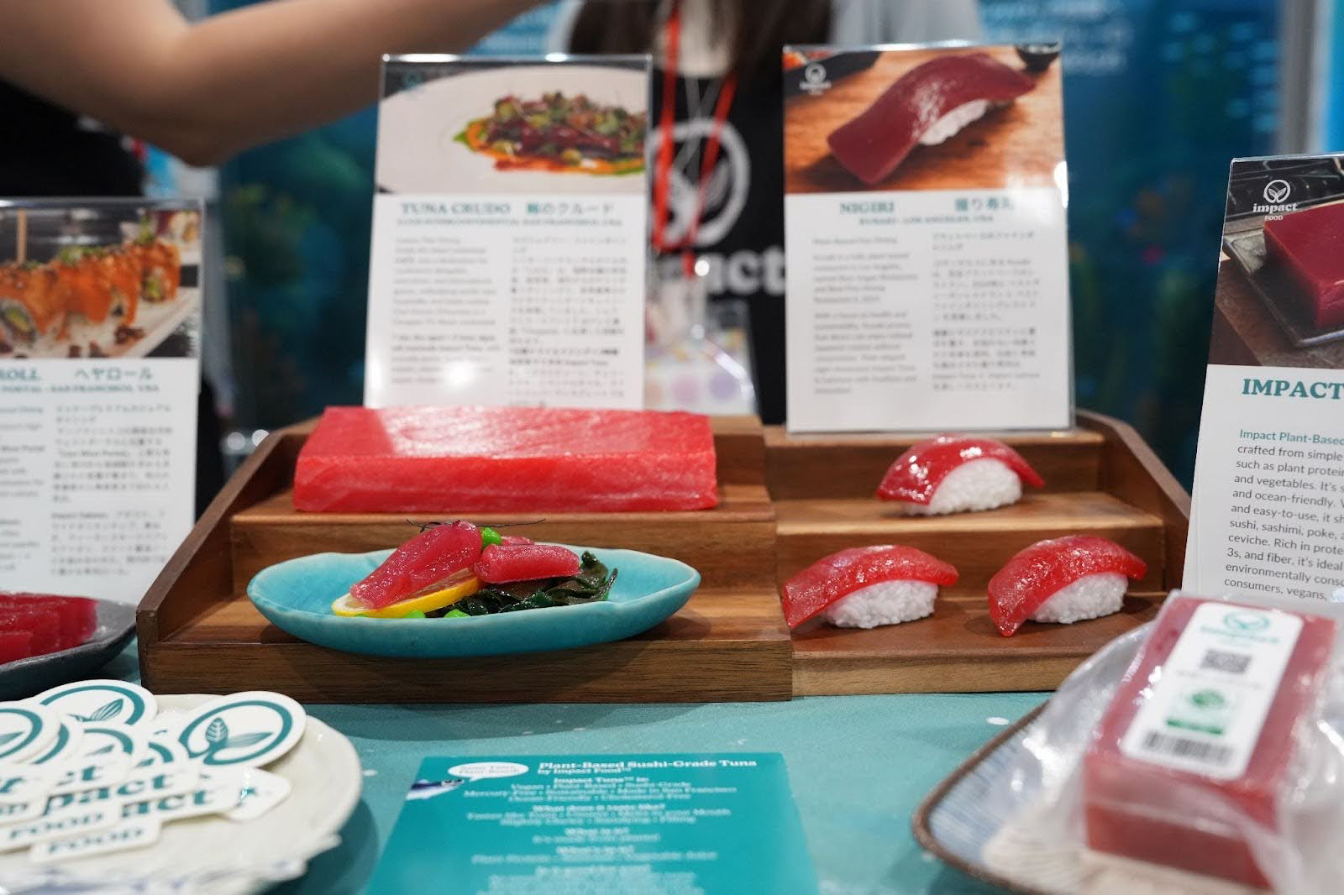
In fact, much of the funding that startups have received in Japan hasn’t come from traditional investors or venture capital, but from existing companies. One leader in this space is Kagome, which launched the Sunrise Agrifood Tech Fund in 2024, using its global knowledge and network to support startups to succeed in agriculture.
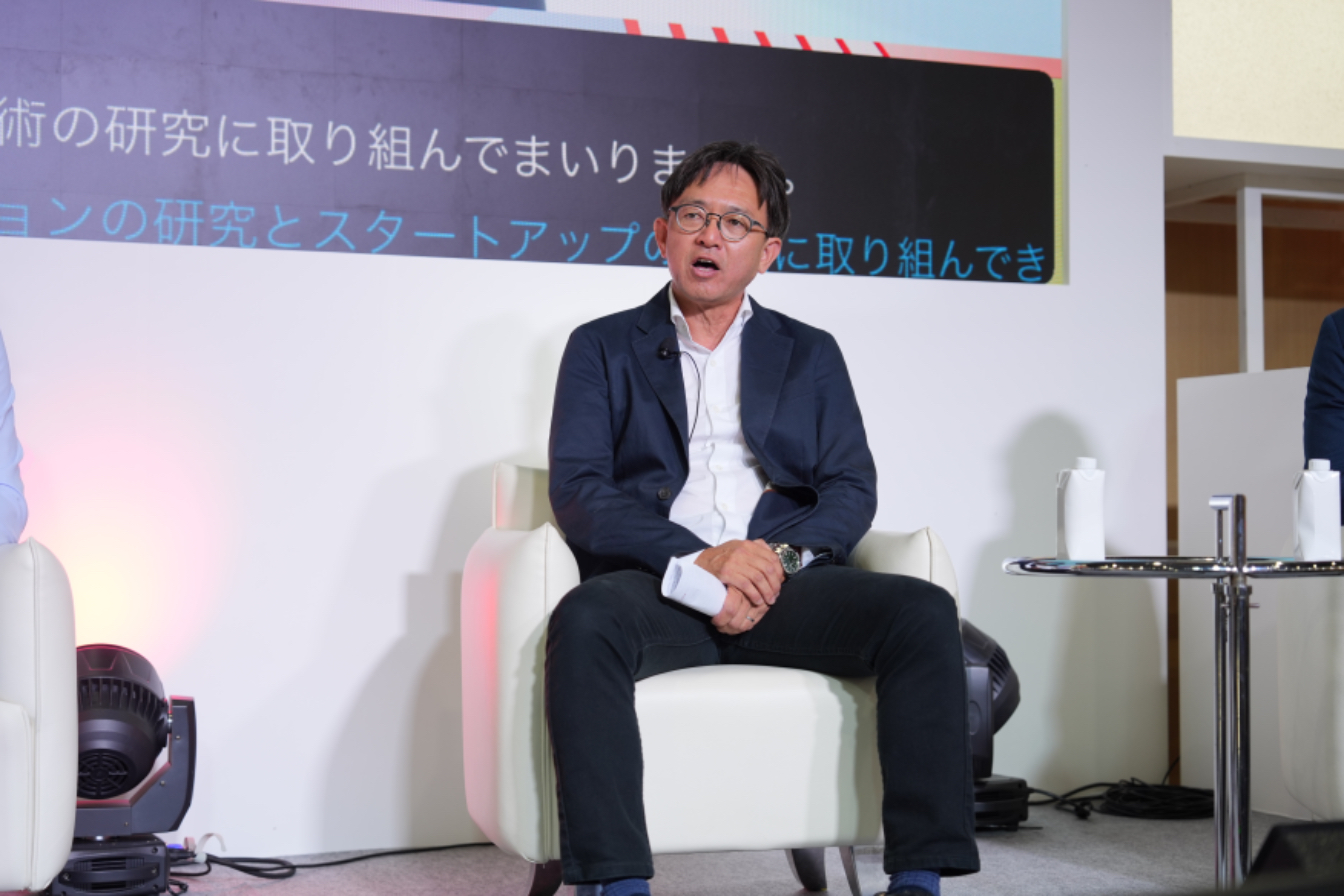
“Agriculture is very local, and the technologies that farmers use are very different,” said Hiro Ueda, an executive officer with Kagome Global. “Co-creation is key to accelerating farmers’ adoption of new technologies.”
In just over a year, Sunrise Agrifood has collaborated with SVG Ventures|THRIVE and other companies to invest in Japanese and foreign startups in Jordan, Turkey, Italy, Japan, and the U.S. An example is EF Polymer. It was founded by an Indian entrepreneur in Okinawa to address a challenge common in Japan, India, and other parts of the world – water insecurity, an issue only expected to grow due to climate change. The company has found a way to convert agricultural waste, like citrus and banana peels, into fully biodegradable super-absorbent polymers that help farmers conserve water and nutrients.
After developing and commercializing their super-absorbent polymer with farmers in India and Japan, EF Polymer saw potential in expanding to the U.S., which also has severe water challenges, particularly in arid regions. Kagome, along with JETRO Startup, provided investment via Sunrise and helped build those connections.
“Together, the investor side, corporate side, startup side, and the government, JETRO, can come together and help us solve a bigger problem,” said Narayan Gurjar, founder and CEO of EF Polymer. “We’re currently working with maybe 40,000 farmers. With this investment, we can reach maybe 1 million in the upcoming years.”

Intrinsic desire for agricultural and food waste reduction
Japan only produces about a quarter of the food it needs domestically, relying on imports for the rest. This food insecurity creates an incentive and openness to innovative agricultural and food waste reduction efforts, which clearly benefit Japan.
It also means that for startups like Chiba-based Fermenstation, which uses fermentation and biotechnology to transform unused resources into high-value ingredients through proprietary fermentation technology. In turn, they can then be used in a variety of applications. That has helped the company quickly find customers for their solutions in the food, beverage, and cosmetic industries.
“We are not getting a big degree of funding yet,” said Lina Sakai, founder and CEO of Fermenstation. “But we are making revenue, but it’s actually coming from the corporate customers.”

Fermentation is starting to get global recognition too. Earlier this year, Fermenstation won the Grand Prize at the Kering Generation Award Japan, which comes with a 10 million JPY prize and a trip to Kering’s France headquarters.
Global Attention
Increasingly, global food and agtech financiers and investors, like SVG Ventures|THRIVE, AgFunder, and Kering, are eyeing Japan’s emerging startups.
In November 2024, Spain’s food-focused university, Basque Culinary Center, opened its first international hub in gastronomy science in Tokyo. The Gastronomy Innovation Campus aims to cultivate talent, promote local culture, expand Japan’s culinary heritage globally, drive innovation, and advance pioneering solutions in gastronomy and food technology.
“In places where we think the future of food is going to be born, we try to co-create globally, with local partners,” said Asiel Alea, director of global development at the Basque Culinary Center. “And we certainly think Japan is one of those places.”
Written by Nithin Coca
Edited by Kwee Chuan Yeo | JStories
Top photo: Moritz Brinkhoff (Collage made by JStories)
For inquiries regarding this article, please contact jstories@pacificbridge.jp
Click here for the Japanese version of the article