• Login
Upgrade
JStories
  • 日本語
  • 中文 (中国)
No Result
View All Result
  • Home
  • AI
    • Artificial Intelligence
    • Robotics
    • Mobility
  • Earth
    • Energy
    • Climate Tech
    • AgriTech
    • Clean Tech
    • Disaster Tech
    • SpaceTech
  • Life Sciences
    • BioTech
    • HealthTech
    • MedTech
    • AgeTech
  • Society
    • Media
    • EdTech
    • Diversity
    • FemTech
    • HRTech
    • LegalTech
    • Social Impact
    • FinTech
    • Anime
  • Lifestyle
    • FoodTech
    • FashionTech
    • BeautyTech
    • Wellbeing
    • Art & Music
  • Travel
    • Adventure Travel
    • Luxury Travel
    • Wellness & Medical Tourism
    • Culture
  • Video
  • Deals
    • Venture Capital
    • M&A
    • Startup Events
    • Pitch
    • Ecosystem Support
  • Interview
  • Opinion
  • Home
  • AI
    • Artificial Intelligence
    • Robotics
    • Mobility
  • Earth
    • Energy
    • Climate Tech
    • AgriTech
    • Clean Tech
    • Disaster Tech
    • SpaceTech
  • Life Sciences
    • BioTech
    • HealthTech
    • MedTech
    • AgeTech
  • Society
    • Media
    • EdTech
    • Diversity
    • FemTech
    • HRTech
    • LegalTech
    • Social Impact
    • FinTech
    • Anime
  • Lifestyle
    • FoodTech
    • FashionTech
    • BeautyTech
    • Wellbeing
    • Art & Music
  • Travel
    • Adventure Travel
    • Luxury Travel
    • Wellness & Medical Tourism
    • Culture
  • Video
  • Deals
    • Venture Capital
    • M&A
    • Startup Events
    • Pitch
    • Ecosystem Support
  • Interview
  • Opinion
en English ja 日本語 zh 中文 (中国)
JStories
No Result
View All Result

A brief experience of blindness

Sayuri Daimon by Sayuri Daimon
04/27/2022
in Culture, Diversity, Lifestyle, Social Impact, Society, Travel, Uncategorized, Wellbeing, Wellness & Medical Tourism
0
Home Travel Culture
Share on FacebookShare on Twitter

J-STORIES – The space is not just dark but 100 percent dark. Guides lead participants through a series of activities, forcing them to rely on each other and their other senses. It is strange and not easy. Yet, the guides themselves are in their element because they, unlike the participants, are blind every day.

The “Dialogue in the Dark” program was devised in Germany in the late 1980s by philosopher Andreas Heinecke to change mindsets on disability and diversity. Since then, over 8 million sighted people in more than 50 nations have taken part to briefly experience what it is like to be blind.

The first activities in Japan were launched by the Japan Dialogue Society in 1999. The organization now has two facilities in Tokyo and has hosted over 230,000 people. It offers programs to both members of the public and companies — and is even using its spaces to help with post-pandemic anxiety.
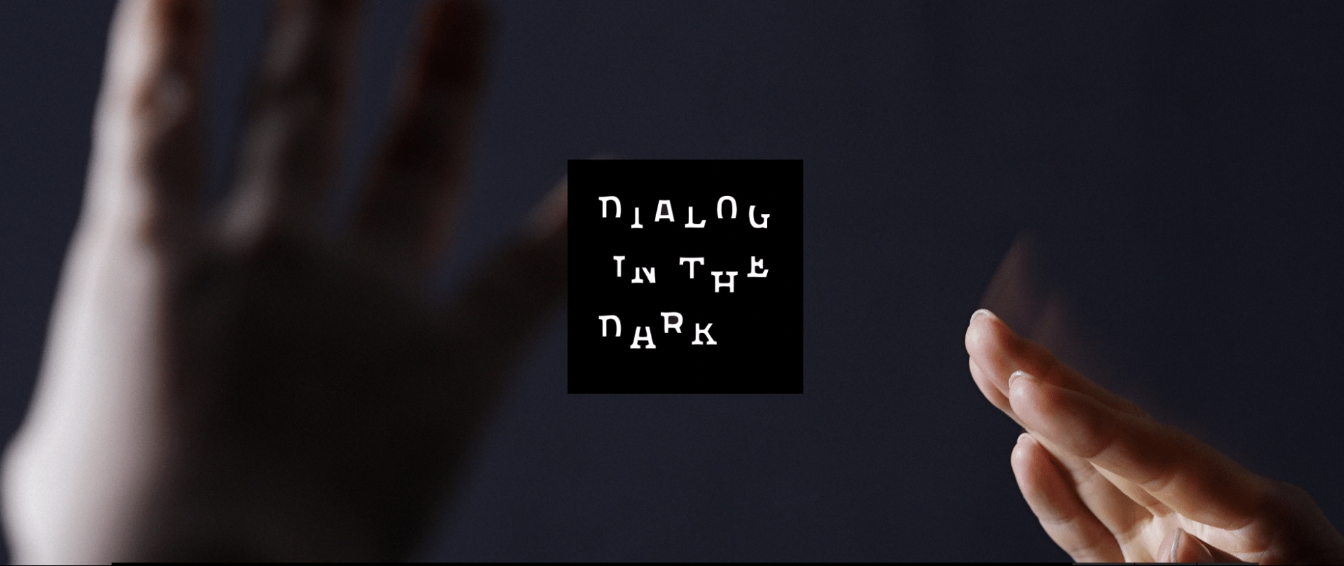
Dialogue in the Dark encourages people to interact free of preconceptions based on visual appearance.       Source: Japan Dialogue Society

Dialogue in the Dark participants must rely on their blind guides as they use white canes, feel with their hands and feet, and carefully listen to the voices around them. They learn and experience many new things while boarding a train, crossing grassy ground or other simulated activities.

Dialogue Japan Society director, Shinsuke Shimura, says that he wondered at first whether sighted people would really tolerate being in pitch-blackness. But he soon realized Dialogue in the Dark was an excellent chance for the sighted to understand what it is like to have a disability and interact with disabled people.
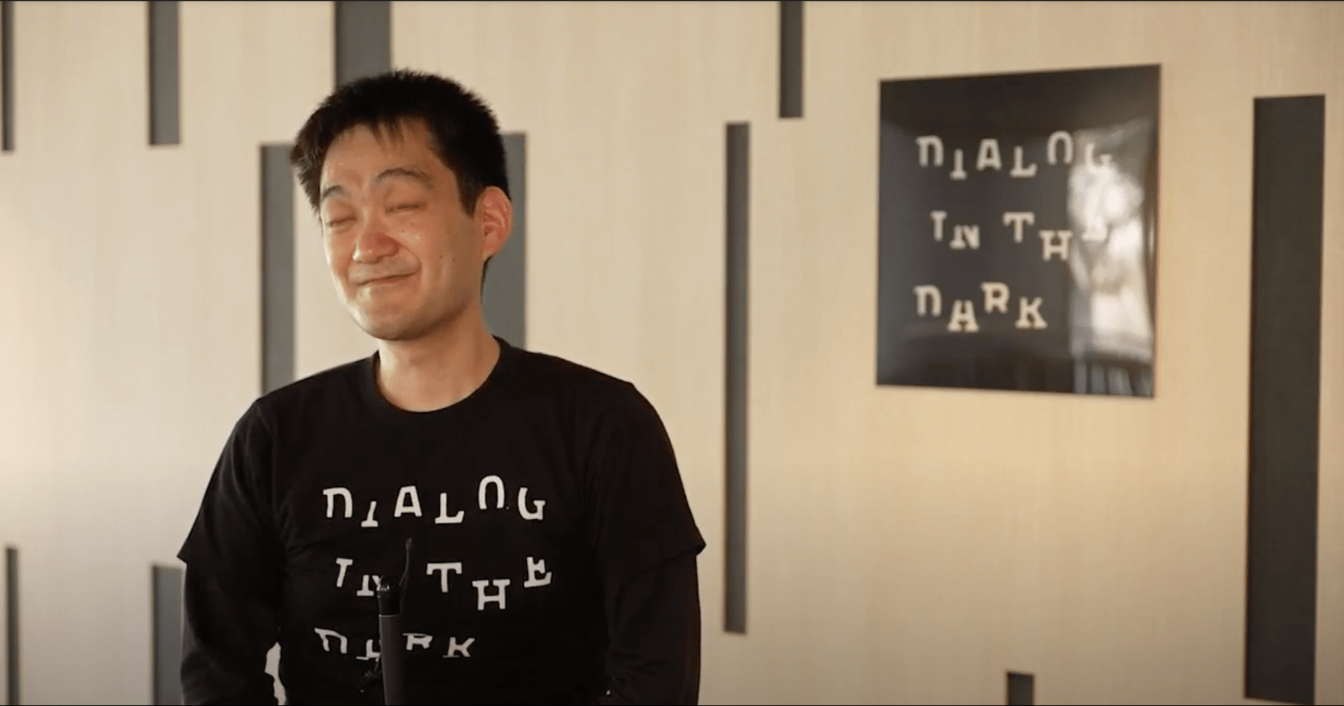
Michinori Kinoshita has been a Dialogue in the Dark guide for 18 years.       Source: Japan Dialogue Society

Many companies use the organization’s two Tokyo facilities for team building and communication activities. Now, in the wake of the global pandemic, the organization has a new initiative.

“These last two years, due to Covid-19 and other things, everyone is very anxious and they are not sleeping well,” says Shimura. “We had requests to have a go at sleeping in the Dialogue in the Dark pitch-blackness.”

The society now offers “naps in pitch-black.” The naps last 10 to 20 minutes during a 90-minute session, with participants sleeping on a special “Muatsu+” mattress provided by Tokyo bedding manufacturer Showa Nishikawa.

“In this activity, participants can take an afternoon nap alongside people with visual impairments and meet them on an equal footing,” says Shimura.

“Many participants say that [they have] become a little more aware of diversity and it has improved [their] productivity.”

Translation and Editing by Tony McNicol

Top page photo by twenty20photos/Envato

For inquires about this article, please contact us at jstories@pacificbridge.jp


Click here for the Japanese version of the article.

Tags: BlindDarkNapsSensesSleepimg
Previous Post

Round-up Video #8

Next Post

Round-up Video #9

Sayuri Daimon

Sayuri Daimon

Related Posts

When digital and physical worlds meet – Interview with Yoichi Ochiai 何がすごい? 〜 現実とデジタルを融合する、落合陽一の世界
Video

When digital and physical worlds meet – Interview with Yoichi Ochiai 何がすごい? 〜 現実とデジタルを融合する、落合陽一の世界

by JStories_Admin
04/01/2026
Japan leads global collaboration to combat AI disinformation
AI

Japan leads global collaboration to combat AI disinformation

by Ayaka Sagasaki
03/16/2026
Starting a sustainable wood-fired bakery in Tokyo
FoodTech

Starting a sustainable wood-fired bakery in Tokyo

by Tokyo Updates
03/05/2026
Anime

World-first “anime character-based therapy” trial to test effectiveness in Japanese young adults

by Lucas Maltzman
01/30/2026
Lifestyle

The plush toy hospital keeping childhood memories alive

by Tokyo Updates
01/30/2026
Next Post

Round-up Video #9

Leave a Reply Cancel reply

Your email address will not be published. Required fields are marked *

Videos

Round-up Video #23

08/04/2022

Round-Up Video #32

11/03/2022

Round-up Video #22

07/28/2022

Browse by Tags

Ai Alternative Energy biotechnology Climate Change Community decarbonization Education Event Food foodtech Health Inclusion Infrastructure Innovation Interview J-Stories Japan Japan-Taiwan Innovation Summit Japan startups Japan Tech Labor Living Nature Podcast Recycling Refugees robotics Society Space Startup Startup Ecosystem Startups SusHI Tech Tokyo Sustainability Sustainable Society Taiwan Technology Tokyo Tokyo Innovation Base Tokyo Metropolitan Government Tokyo Updates venture capital video Wealth Zero Waste
JStories

©Articles and photos published on JSTORIES are protected by Japanese copyright law and international treaties. They cannot be reproduced without the permission of the copyright holders

Explore JStories

  • About Jstories
  • Company
  • Contact
  • Home
  • Partner Press Releases
  • Pricing
  • Privacy Policy
  • Team

Follow Us

Welcome Back!

Login to your account below

Forgotten Password?

Retrieve your password

Please enter your username or email address to reset your password.

Log In
No Result
View All Result
  • Home
  • AI
    • Artificial Intelligence
    • Robotics
    • Mobility
  • Earth
    • Energy
    • Climate Tech
    • AgriTech
    • Clean Tech
    • Disaster Tech
    • SpaceTech
  • Life Sciences
    • BioTech
    • HealthTech
    • MedTech
    • AgeTech
  • Society
    • Media
    • EdTech
    • Diversity
    • FemTech
    • HRTech
    • LegalTech
    • Social Impact
    • FinTech
    • Anime
  • Lifestyle
    • FoodTech
    • FashionTech
    • BeautyTech
    • Wellbeing
    • Art & Music
  • Travel
    • Adventure Travel
    • Luxury Travel
    • Wellness & Medical Tourism
    • Culture
  • Video
  • Deals
    • Venture Capital
    • M&A
    • Startup Events
    • Ecosystem Support
  • Interview
  • Opinion

©Articles and photos published on JSTORIES are protected by Japanese copyright law and international treaties. They cannot be reproduced without the permission of the copyright holders

Are you sure want to unlock this post?
Unlock left : 0
Are you sure want to cancel subscription?