• Login
Upgrade
JStories
  • 日本語
  • 中文 (中国)
No Result
View All Result
  • Home
  • AI
    • Artificial Intelligence
    • Robotics
    • Mobility
  • Earth
    • Energy
    • Climate Tech
    • AgriTech
    • Clean Tech
    • Disaster Tech
    • SpaceTech
  • Life Sciences
    • BioTech
    • HealthTech
    • MedTech
    • AgeTech
  • Society
    • Media
    • EdTech
    • Diversity
    • FemTech
    • HRTech
    • LegalTech
    • Social Impact
    • FinTech
    • Anime
  • Lifestyle
    • FoodTech
    • FashionTech
    • BeautyTech
    • Wellbeing
    • Art & Music
  • Travel
    • Adventure Travel
    • Luxury Travel
    • Wellness & Medical Tourism
    • Culture
  • Video
  • Deals
    • Venture Capital
    • M&A
    • Startup Events
    • Pitch
    • Ecosystem Support
  • Interview
  • Opinion
  • Home
  • AI
    • Artificial Intelligence
    • Robotics
    • Mobility
  • Earth
    • Energy
    • Climate Tech
    • AgriTech
    • Clean Tech
    • Disaster Tech
    • SpaceTech
  • Life Sciences
    • BioTech
    • HealthTech
    • MedTech
    • AgeTech
  • Society
    • Media
    • EdTech
    • Diversity
    • FemTech
    • HRTech
    • LegalTech
    • Social Impact
    • FinTech
    • Anime
  • Lifestyle
    • FoodTech
    • FashionTech
    • BeautyTech
    • Wellbeing
    • Art & Music
  • Travel
    • Adventure Travel
    • Luxury Travel
    • Wellness & Medical Tourism
    • Culture
  • Video
  • Deals
    • Venture Capital
    • M&A
    • Startup Events
    • Pitch
    • Ecosystem Support
  • Interview
  • Opinion
en English ja 日本語 zh 中文 (中国)
JStories
No Result
View All Result

Japanese startup empowers refugees through Zero PC project

Ayaka Sagasaki by Ayaka Sagasaki
07/26/2023
in Clean Tech, Climate Tech, Diversity, Earth, Society
0
Home Earth Clean Tech
Share on FacebookShare on Twitter

J-STORIES – Computer production is not what you might call an environmentally friendly process. It consumes large amounts of water, nonrenewable resources, such as rare minerals, and “conflict” metals, such as tin and gold, and results in significant carbon dioxide emissions.

And that’s not to mention the additional burden PCs place on the planet once they have outlived their usefulness.

To help overcome such environmental and human impacts, a Japanese startup is recycling some of Japan’s huge volume of disused PCs and other electronic devices, while at the same time employing refugees to help them in this quest.

Employee at work.     Source: People Post

The Yokohama-based People Port Corp. came up with its “Zero PC” after establishing its mission to help reduce the environmental impact of computers, CO2 emissions, and the global number of refugees to “zero.”

A feature of the company is its efforts to offer customers more support than its competitors. Using the popular messaging service LINE, it offers pre-purchase advice on the most suitable PC for each customer’s needs. Unusually for a retailer of used IT equipment, it offers a one-year warranty during which it provides free support with problems such as internet scams. In particular, it aims to help customers who have only a limited experience of buying computers.

The company estimates that there are some 300 million disused electronics devices in Japan, many of which will be thrown away. According to CEO Akihiro Aoyama the company re-customized and sold 1,723 PCs in 2021 and it intends to steadily increase that number. It is also considering expanding its business into software.
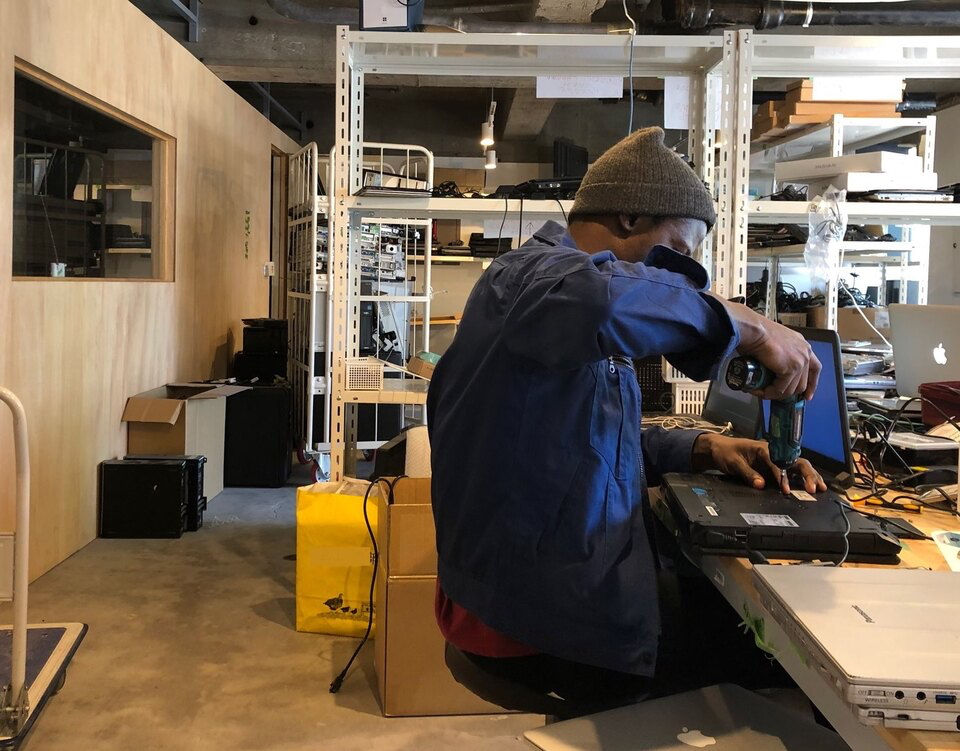
Computers are priced by category, from “light work” laptops (¥32,800) to “high-performance” PCs (¥65,780).     Source: People Port

But the most unusual feature of the company’s ZERO PC project is its link to refugees. While refugee numbers in Japan are low by global standards, the company was in fact established with the idea of providing work for displaced people, allowing them to feel a part of their new and unfamiliar surroundings, even if they could not speak Japanese.

The UN estimates that there are currently over 100 million refugees globally, of which only a tiny fraction are in Japan. In 2021, it granted refugee status to 74 asylum seekers — the highest on record. Meanwhile, the application process can be lengthy, with only about 1 percent of applicants eventually being successful.

To date, People Port has employed eight refugees and any communication barriers they might normally have at Japanese companies is mitigated by local staff at the company who all have experience of living abroad.
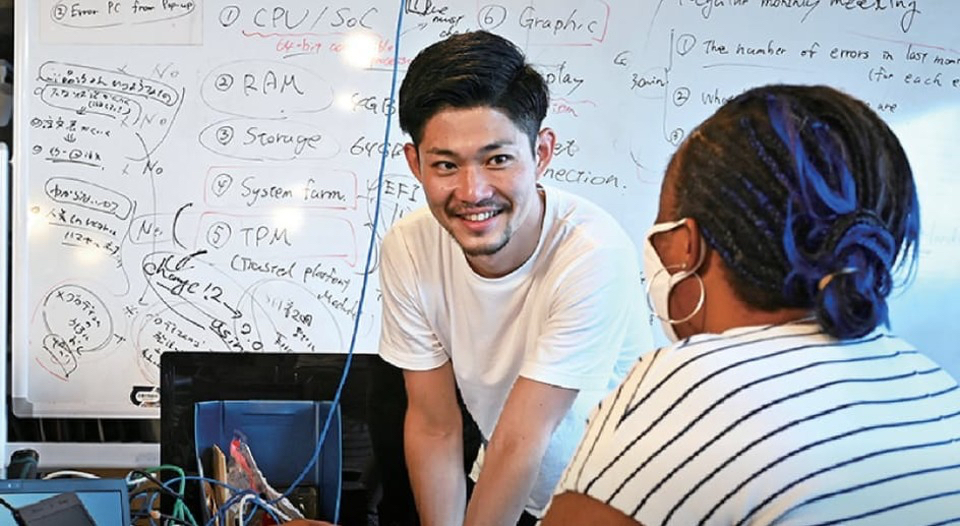
CEO Akihiro Aoyama talking to a staff member who is a refugee in Japan.     Source: People Port

Aoyama told J-Stories that his ambition is for his company to one day employ 100 refugees and, further ahead, he hopes to expand the business abroad to help refugees in other countries, too.
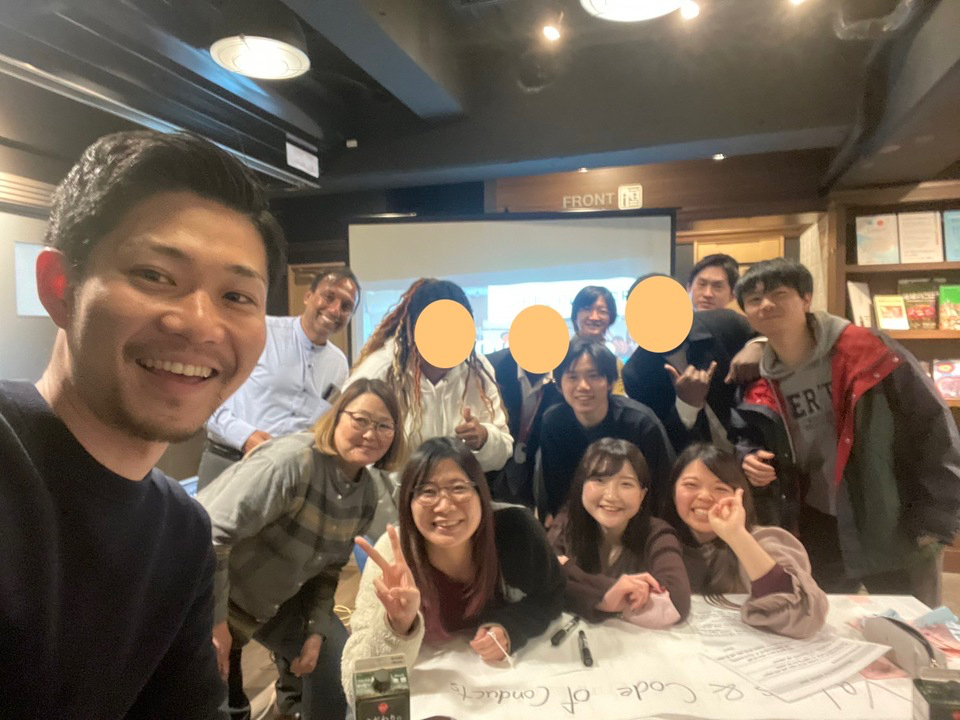
Japanese staff members all have experience living abroad and the company has a relaxed and open international atmosphere.     Source: People Corp.

Translation by Tony McNicol

Top page photo by People Port

For inquiries about this article, please contact jstories@pacficbridge.jp


Click here for the Japanese version of the article.

Tags: computerDiversityimmigrationPCRecyclingRefugeestech
Previous Post

Redefining gender roles to bridge ‘dream gap’ and unleash female ambitions

Next Post

Japanese company develops revolutionary sustainable agro-technology for challenging farming environments

Ayaka Sagasaki

Ayaka Sagasaki

Related Posts

Japan leads global collaboration to combat AI disinformation
AI

Japan leads global collaboration to combat AI disinformation

by Ayaka Sagasaki
03/16/2026
Clean Tech

Japanese startup turns eggshell waste into eco-friendly plastics and paper

by Yoshiko Ohira
02/06/2026
Anime

World-first “anime character-based therapy” trial to test effectiveness in Japanese young adults

by Lucas Maltzman
01/30/2026
Earth

A world first: Detecting road sinkholes from space

by Ayaka Sagasaki
01/30/2026
Social Impact

From a childhood shaped by conflict to an investor bridging Japan and the world

by Ayaka Sagasaki
01/23/2026
Next Post

Preserving heritage and combating fast fashion – A centuries-old craft envisions a sustainable future for clothing Industry

Leave a Reply Cancel reply

Your email address will not be published. Required fields are marked *

Videos

Round-up Video #13

05/26/2022

Round-up Video #27

09/22/2022

Round-Up Video #38

12/15/2022

Browse by Tags

Ai Alternative Energy biotechnology Climate Change Community decarbonization Education Event Food foodtech Health Inclusion Infrastructure Innovation Interview J-Stories Japan Japan-Taiwan Innovation Summit Japan startups Japan Tech Labor Living Nature Podcast Recycling Refugees robotics Society Space Startup Startup Ecosystem Startups SusHI Tech Tokyo Sustainability Sustainable Society Taiwan Technology Tokyo Tokyo Innovation Base Tokyo Metropolitan Government Tokyo Updates venture capital video Wealth Zero Waste
JStories

©Articles and photos published on JSTORIES are protected by Japanese copyright law and international treaties. They cannot be reproduced without the permission of the copyright holders

Explore JStories

  • About Jstories
  • Company
  • Contact
  • Home
  • Partner Press Releases
  • Pricing
  • Privacy Policy
  • Team

Follow Us

Welcome Back!

Login to your account below

Forgotten Password?

Retrieve your password

Please enter your username or email address to reset your password.

Log In
No Result
View All Result
  • Home
  • AI
    • Artificial Intelligence
    • Robotics
    • Mobility
  • Earth
    • Energy
    • Climate Tech
    • AgriTech
    • Clean Tech
    • Disaster Tech
    • SpaceTech
  • Life Sciences
    • BioTech
    • HealthTech
    • MedTech
    • AgeTech
  • Society
    • Media
    • EdTech
    • Diversity
    • FemTech
    • HRTech
    • LegalTech
    • Social Impact
    • FinTech
    • Anime
  • Lifestyle
    • FoodTech
    • FashionTech
    • BeautyTech
    • Wellbeing
    • Art & Music
  • Travel
    • Adventure Travel
    • Luxury Travel
    • Wellness & Medical Tourism
    • Culture
  • Video
  • Deals
    • Venture Capital
    • M&A
    • Startup Events
    • Ecosystem Support
  • Interview
  • Opinion

©Articles and photos published on JSTORIES are protected by Japanese copyright law and international treaties. They cannot be reproduced without the permission of the copyright holders

Are you sure want to unlock this post?
Unlock left : 0
Are you sure want to cancel subscription?