• Login
Upgrade
JStories
  • 日本語
  • 中文 (中国)
No Result
View All Result
  • Home
  • AI
    • Artificial Intelligence
    • Robotics
    • Mobility
  • Earth
    • Energy
    • Climate Tech
    • AgriTech
    • Clean Tech
    • Disaster Tech
    • SpaceTech
  • Life Sciences
    • BioTech
    • HealthTech
    • MedTech
    • AgeTech
  • Society
    • Media
    • EdTech
    • Diversity
    • FemTech
    • HRTech
    • LegalTech
    • Social Impact
    • FinTech
    • Anime
  • Lifestyle
    • FoodTech
    • FashionTech
    • BeautyTech
    • Wellbeing
    • Art & Music
  • Travel
    • Adventure Travel
    • Luxury Travel
    • Wellness & Medical Tourism
    • Culture
  • Video
  • Deals
    • Venture Capital
    • M&A
    • Startup Events
    • Pitch
    • Ecosystem Support
  • Interview
  • Opinion
  • Home
  • AI
    • Artificial Intelligence
    • Robotics
    • Mobility
  • Earth
    • Energy
    • Climate Tech
    • AgriTech
    • Clean Tech
    • Disaster Tech
    • SpaceTech
  • Life Sciences
    • BioTech
    • HealthTech
    • MedTech
    • AgeTech
  • Society
    • Media
    • EdTech
    • Diversity
    • FemTech
    • HRTech
    • LegalTech
    • Social Impact
    • FinTech
    • Anime
  • Lifestyle
    • FoodTech
    • FashionTech
    • BeautyTech
    • Wellbeing
    • Art & Music
  • Travel
    • Adventure Travel
    • Luxury Travel
    • Wellness & Medical Tourism
    • Culture
  • Video
  • Deals
    • Venture Capital
    • M&A
    • Startup Events
    • Pitch
    • Ecosystem Support
  • Interview
  • Opinion
en English ja 日本語 zh 中文 (中国)
JStories
No Result
View All Result

Astroscale: Pioneering space debris cleanup technology for a sustainable future

Ayaka Sagasaki by Ayaka Sagasaki
07/12/2023
in Clean Tech, Earth, SpaceTech
0
Home Earth Clean Tech
Share on FacebookShare on Twitter

J-STORIES – The increasing volume of debris floating around in space is a potential hindrance to future space development. But a Japanese company has developed a cleanup technology to reduce such space junk.

Source: Astroscale Holdings

The Tokyo-based Astroscale Holdings is the world’s first private company specializing in space debris removal. Founded in 2013, it is aggressively developing its business with domestic and foreign partners, including Japan Aerospace Exploration Agency (JAXA) and the UK Space Agency, with the aim of commercializing its services by 2030.

Identifying the problem is relatively simple. In space, a vast amount of space debris, such as satellites, rockets, and their parts and fragments, is never recovered or removed and is left drifting in space. This causes debris to collide not only with each other but with new satellites as well.
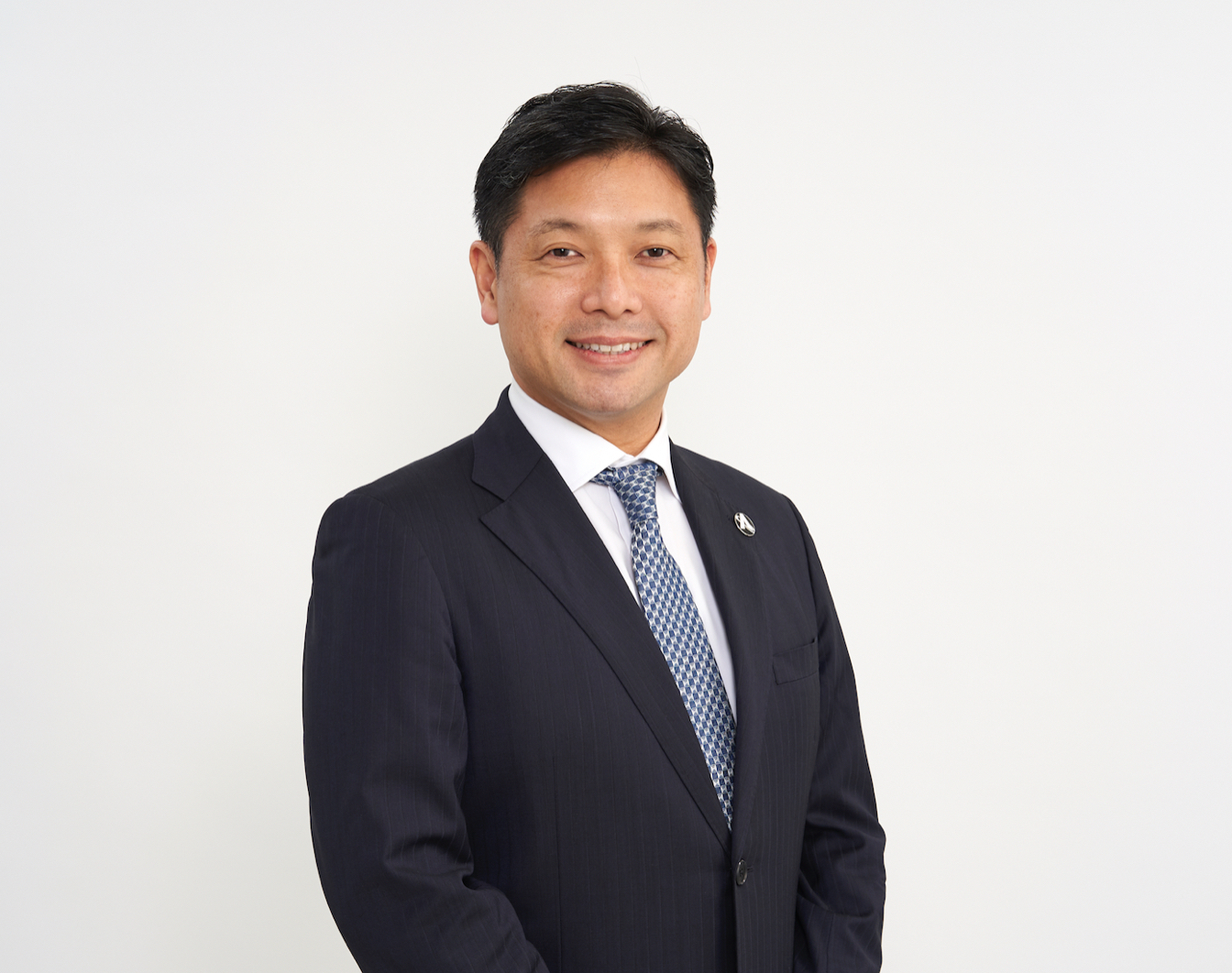
Astroscale founder and CEO Nobu Okada     Source: Astroscale Holdings

According to JAXA, the amount of space debris in orbit currently stands at about 20,000 pieces larger than 10 centimeters and 100 million pieces larger than 1 millimeter. In low orbit, debris orbits the earth at a speed of around 8 kilometers per second, and if it collides with a manned satellite or the International Space Station (ISS), it could endanger lives.

As a countermeasure, JAXA is engaged in the world’s first large debris recovery program targeting the upper stages of rockets and discarded satellites. Called the Commercial Removal of Debris Demonstration, the program aims to demonstrate technologies for removing large debris and to pave the way for private companies such as Astroscale to conduct debris removal as a business.

Astroscale is a partner company in Phase 1 of the program, which aims to demonstrate technologies for approaching debris, and in August of this year, the company was selected as one of the partners for Phase 2, which aims to capture and remove debris.

In this program, Astroscale is responsible for the design, manufacturing, and operation of the demonstration satellite ADRAS-J, which is scheduled to be launched within 2023 (the launch was initially scheduled to occur during 2022, but was postponed). Astroscale has successfully guided the debris removal demonstration satellite “ELSA-d” through a simulated debris environment as part of its own project, and is utilizing this technology and knowledge in the JAXA program as well.

Based on the results of the ELSA-d test, the company is developing ELSA-M, which can capture and remove multiple pieces of debris in a single mission. It is being undertaken in partnership with OneWeb, a U.S. satellite communications company, and plans are in the pipeline to conduct an in-orbit demonstration test by the end of 2024.

Astroscale is also expanding its collaboration with the UK Space Agency, which is active in debris removal and plans to remove two British satellites by 2026. This September the company’s British subsidiary was awarded an additional £1.7 million in development funding from the UK Space Agency. The organization has built a satellite manufacturing and operations facility in Oxfordshire, England, which has recently begun operations.

At the 2023 G7 Hiroshima Summit held this May, commitments regarding safe and sustainable use of outer space were declared, and countermeasures against the issue of space debris were strongly promoted. Meanwhile, this July, Astroscale opened their “Orbitarium” in their new headquarters, an immersive exhibit where the general public can learn about space sustainability.

Miki Ito, president of the company’s Japanese subsidiary, told J-Stories that the company’s on-orbit services can contribute to debris removal and the realization of space sustainability. “We hope to develop and demonstrate on-orbit services as a daily infrastructure service by 2030,” he said.

Translation by Tony McNicol

Top page photo by Astroscale

For inquiries about this article, please contact us at jstories@pacificbridge.jp


Click here for the Japanese version of the article.

Tags: DebrisSpaceSustainability
Previous Post

Japanese startup launches ChatGPT for multilingual customer service: An AI-powered solution to address hotel staff shortages

Next Post

Japan’s deep-tech startup Flosfia offers next-gen power chips that allow EVs to travel farther

Ayaka Sagasaki

Ayaka Sagasaki

Related Posts

Clean Tech

Japanese startup turns eggshell waste into eco-friendly plastics and paper

by Yoshiko Ohira
02/06/2026
Earth

A world first: Detecting road sinkholes from space

by Ayaka Sagasaki
01/30/2026
AgriTech

Fish scraps as a hidden treasure

by Kei Mizuno
01/16/2026
AgriTech

Can a small robot save Japan’s terraced paddies?

by Yoshiko Ohira
11/28/2025
Clean Tech

From swordfish to blue jeans: How a Japanese craftsman turns waste into wear

by Yoshiko Ohira
11/07/2025
Next Post

Japan's deep-tech startup Flosfia offers next-gen power chips that allow EVs to travel farther

Leave a Reply Cancel reply

Your email address will not be published. Required fields are marked *

Videos

Round-Up Video #35

11/24/2022

One-of-a-kind marriage certificates strengthen marital bond

11/17/2023

Round-up Video #21

07/21/2022

Browse by Tags

Ai Alternative Energy biotechnology Climate Change Community decarbonization Education Event Food foodtech Health Inclusion Infrastructure Innovation Interview J-Stories Japan Japan-Taiwan Innovation Summit Japan startups Japan Tech Labor Living Nature Podcast Recycling Refugees robotics Society Space Startup Startup Ecosystem Startups SusHI Tech Tokyo Sustainability Sustainable Society Taiwan Technology Tokyo Tokyo Innovation Base Tokyo Metropolitan Government Tokyo Updates venture capital video Wealth Zero Waste
JStories

©Articles and photos published on JSTORIES are protected by Japanese copyright law and international treaties. They cannot be reproduced without the permission of the copyright holders

Explore JStories

  • About Jstories
  • Company
  • Contact
  • Home
  • Partner Press Releases
  • Pricing
  • Privacy Policy
  • Team

Follow Us

Welcome Back!

Login to your account below

Forgotten Password?

Retrieve your password

Please enter your username or email address to reset your password.

Log In
No Result
View All Result
  • Home
  • AI
    • Artificial Intelligence
    • Robotics
    • Mobility
  • Earth
    • Energy
    • Climate Tech
    • AgriTech
    • Clean Tech
    • Disaster Tech
    • SpaceTech
  • Life Sciences
    • BioTech
    • HealthTech
    • MedTech
    • AgeTech
  • Society
    • Media
    • EdTech
    • Diversity
    • FemTech
    • HRTech
    • LegalTech
    • Social Impact
    • FinTech
    • Anime
  • Lifestyle
    • FoodTech
    • FashionTech
    • BeautyTech
    • Wellbeing
    • Art & Music
  • Travel
    • Adventure Travel
    • Luxury Travel
    • Wellness & Medical Tourism
    • Culture
  • Video
  • Deals
    • Venture Capital
    • M&A
    • Startup Events
    • Ecosystem Support
  • Interview
  • Opinion

©Articles and photos published on JSTORIES are protected by Japanese copyright law and international treaties. They cannot be reproduced without the permission of the copyright holders

Are you sure want to unlock this post?
Unlock left : 0
Are you sure want to cancel subscription?