• Login
Upgrade
JStories
  • 日本語
  • 中文 (中国)
No Result
View All Result
  • Home
  • AI
    • Artificial Intelligence
    • Robotics
    • Mobility
  • Earth
    • Energy
    • Climate Tech
    • AgriTech
    • Clean Tech
    • Disaster Tech
    • SpaceTech
  • Life Sciences
    • BioTech
    • HealthTech
    • MedTech
    • AgeTech
  • Society
    • Media
    • EdTech
    • Diversity
    • FemTech
    • HRTech
    • LegalTech
    • Social Impact
    • FinTech
    • Anime
  • Lifestyle
    • FoodTech
    • FashionTech
    • BeautyTech
    • Wellbeing
    • Art & Music
  • Travel
    • Adventure Travel
    • Luxury Travel
    • Wellness & Medical Tourism
    • Culture
  • Video
  • Deals
    • Venture Capital
    • M&A
    • Startup Events
    • Pitch
    • Ecosystem Support
  • Interview
  • Opinion
  • Home
  • AI
    • Artificial Intelligence
    • Robotics
    • Mobility
  • Earth
    • Energy
    • Climate Tech
    • AgriTech
    • Clean Tech
    • Disaster Tech
    • SpaceTech
  • Life Sciences
    • BioTech
    • HealthTech
    • MedTech
    • AgeTech
  • Society
    • Media
    • EdTech
    • Diversity
    • FemTech
    • HRTech
    • LegalTech
    • Social Impact
    • FinTech
    • Anime
  • Lifestyle
    • FoodTech
    • FashionTech
    • BeautyTech
    • Wellbeing
    • Art & Music
  • Travel
    • Adventure Travel
    • Luxury Travel
    • Wellness & Medical Tourism
    • Culture
  • Video
  • Deals
    • Venture Capital
    • M&A
    • Startup Events
    • Pitch
    • Ecosystem Support
  • Interview
  • Opinion
en English ja 日本語 zh 中文 (中国)
JStories
No Result
View All Result

Transporting liquefied hydrogen from Australia to Japan

Yui Sawada by Yui Sawada
05/30/2022
in AI, Clean Tech, Earth, Energy, Mobility, Social Impact, Society
0
Home AI
Share on FacebookShare on Twitter

J-STORIES – Before leaving Australia, the cargo on the ship was compressed to one eight-hundredths of its usual size. And to ensure it reached Japan safely, it was stored at minus 253 Celsius, even as it passed through the tropical heat of the equator.

That unusual cargo was liquefied hydrogen produced in Australia. Early this February, it arrived at the southern Japanese port of Kobe, the world’s first test voyage to transport liquefied hydrogen.
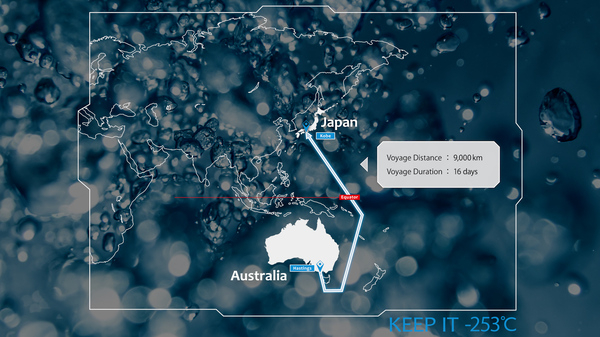
The liquid hydrogen was shipped from the Australian state of Victoria to the city of Kobe in Japan.      Source: Hystra

The test was organized by a Tokyo-based technology research group called Hystra, whose seven corporate members include Kawasaki Heavy Industries and Iwatani Corporation. The aim of the project is to create a new supply chain for liquefied hydrogen as part of Japan’s efforts to become a decarbonized society.

Hydrogen has the potential to be a green energy source that produces no CO2 when burned. When it is used in fuel cells it only emits water vapor. A number of countries are working on technology to compress hydrogen, store it and transport it in large quantities.

The hydrogen carried by the Hystra ship was produced from Australian brown coal. Since Australia’s reserves of the fuel are estimated as equivalent to 240 years of Japan’s energy consumption, a new hydrogen supply chain could be an important way to meet Japan’s future energy needs.
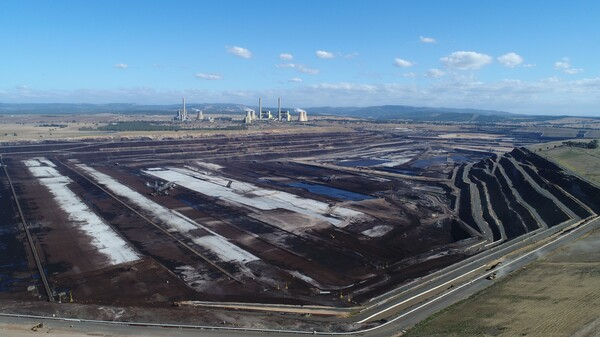
The brown coal was mined in the Latrobe Valley, in the Australian state of Victoria.      Source: Hystra

Making the hydrogen from brown coal, however, produces CO2. So, the research group is also working on technology to separate out the greenhouse gas. Its target is a commercialized and fully carbon-free supply chain by around 2030.

This April the heads of the seven Hystra companies held a ceremony to mark the successful completion of the test. This event was also attended by Japanese Prime Minister Fumio Kishida.

A spokesman for Hystra said: “We feel there was great significance in how, in this demonstration test, we could set up a supply route across national borders, from making hydrogen to storing it.”

“We now want to set up a larger-scale supply chain, leading to lower hydrogen cost and wider distribution,” he said. “If we achieve that, we can also help combat global warming.”

Translation and Editing by Tony McNicol

Top page photo by dolgachov/Envato

For inquires about this article, please contact us at jstories@pacificbridge.jp


Click here for the Japanese version of the article.

Tags: Alternative EnergyOceanSustainabilitySustainable Society
Previous Post

The blind leading the sighted

Next Post

Electric chopsticks help people eat less salt

Yui Sawada

Yui Sawada

Related Posts

Japan leads global collaboration to combat AI disinformation
AI

Japan leads global collaboration to combat AI disinformation

by Ayaka Sagasaki
03/16/2026
Clean Tech

Japanese startup turns eggshell waste into eco-friendly plastics and paper

by Yoshiko Ohira
02/06/2026
Anime

World-first “anime character-based therapy” trial to test effectiveness in Japanese young adults

by Lucas Maltzman
01/30/2026
Earth

A world first: Detecting road sinkholes from space

by Ayaka Sagasaki
01/30/2026
Social Impact

From a childhood shaped by conflict to an investor bridging Japan and the world

by Ayaka Sagasaki
01/23/2026
Next Post

Electric chopsticks help people eat less salt

Leave a Reply Cancel reply

Your email address will not be published. Required fields are marked *

Videos

Round-up Video #23

08/04/2022

Round-up Video #13

05/26/2022

Harmonizing tradition and technology with immersive sound experience

07/19/2023

Browse by Tags

Ai Alternative Energy biotechnology Climate Change Community decarbonization Education Event Food foodtech Health Inclusion Infrastructure Innovation Interview J-Stories Japan Japan-Taiwan Innovation Summit Japan startups Japan Tech Labor Living Nature Podcast Recycling Refugees robotics Society Space Startup Startup Ecosystem Startups SusHI Tech Tokyo Sustainability Sustainable Society Taiwan Technology Tokyo Tokyo Innovation Base Tokyo Metropolitan Government Tokyo Updates venture capital video Wealth Zero Waste
JStories

©Articles and photos published on JSTORIES are protected by Japanese copyright law and international treaties. They cannot be reproduced without the permission of the copyright holders

Explore JStories

  • About Jstories
  • Company
  • Contact
  • Home
  • Partner Press Releases
  • Pricing
  • Privacy Policy
  • Team

Follow Us

Welcome Back!

Login to your account below

Forgotten Password?

Retrieve your password

Please enter your username or email address to reset your password.

Log In
No Result
View All Result
  • Home
  • AI
    • Artificial Intelligence
    • Robotics
    • Mobility
  • Earth
    • Energy
    • Climate Tech
    • AgriTech
    • Clean Tech
    • Disaster Tech
    • SpaceTech
  • Life Sciences
    • BioTech
    • HealthTech
    • MedTech
    • AgeTech
  • Society
    • Media
    • EdTech
    • Diversity
    • FemTech
    • HRTech
    • LegalTech
    • Social Impact
    • FinTech
    • Anime
  • Lifestyle
    • FoodTech
    • FashionTech
    • BeautyTech
    • Wellbeing
    • Art & Music
  • Travel
    • Adventure Travel
    • Luxury Travel
    • Wellness & Medical Tourism
    • Culture
  • Video
  • Deals
    • Venture Capital
    • M&A
    • Startup Events
    • Ecosystem Support
  • Interview
  • Opinion

©Articles and photos published on JSTORIES are protected by Japanese copyright law and international treaties. They cannot be reproduced without the permission of the copyright holders

Are you sure want to unlock this post?
Unlock left : 0
Are you sure want to cancel subscription?