• Login
Upgrade
JStories
  • 日本語
  • 中文 (中国)
No Result
View All Result
  • Home
  • AI
    • Artificial Intelligence
    • Robotics
    • Mobility
  • Earth
    • Energy
    • Climate Tech
    • AgriTech
    • Clean Tech
    • Disaster Tech
    • SpaceTech
  • Life Sciences
    • BioTech
    • HealthTech
    • MedTech
    • AgeTech
  • Society
    • Media
    • EdTech
    • Diversity
    • FemTech
    • HRTech
    • LegalTech
    • Social Impact
    • FinTech
    • Anime
  • Lifestyle
    • FoodTech
    • FashionTech
    • BeautyTech
    • Wellbeing
    • Art & Music
  • Travel
    • Adventure Travel
    • Luxury Travel
    • Wellness & Medical Tourism
    • Culture
  • Video
  • Deals
    • Venture Capital
    • M&A
    • Startup Events
    • Pitch
    • Ecosystem Support
  • Interview
  • Opinion
  • Home
  • AI
    • Artificial Intelligence
    • Robotics
    • Mobility
  • Earth
    • Energy
    • Climate Tech
    • AgriTech
    • Clean Tech
    • Disaster Tech
    • SpaceTech
  • Life Sciences
    • BioTech
    • HealthTech
    • MedTech
    • AgeTech
  • Society
    • Media
    • EdTech
    • Diversity
    • FemTech
    • HRTech
    • LegalTech
    • Social Impact
    • FinTech
    • Anime
  • Lifestyle
    • FoodTech
    • FashionTech
    • BeautyTech
    • Wellbeing
    • Art & Music
  • Travel
    • Adventure Travel
    • Luxury Travel
    • Wellness & Medical Tourism
    • Culture
  • Video
  • Deals
    • Venture Capital
    • M&A
    • Startup Events
    • Pitch
    • Ecosystem Support
  • Interview
  • Opinion
en English ja 日本語 zh 中文 (中国)
JStories
No Result
View All Result

Virtual solutions for practical challenges: Japanese universities embrace VR to replace animal experiments

Yoshiko Ohira by Yoshiko Ohira
01/12/2024
in AI, Artificial Intelligence, BioTech, Life Sciences, MedTech
0
Home AI
Share on FacebookShare on Twitter

J-STORIES – Animal testing has been used in medicine since the time of the Ancient Greeks and plays a key role in the development of new drugs. However, not only are there growing ethical concerns today about using animals, in Japanese universities the practicability of animal experiments is under threat from budget cuts, labor shortages, and potential for accidents.

If only there was a way to conduct experiments without taking the lives of animals and also make things easier for researchers and medical students? That was the question posed by Shimane University and Osaka-based company Avantec. Their solution was a VR-based 3D experimental animal simulation. In October 2023, the medical start-up ERISA began marketing this system to use in training pharmacologists.
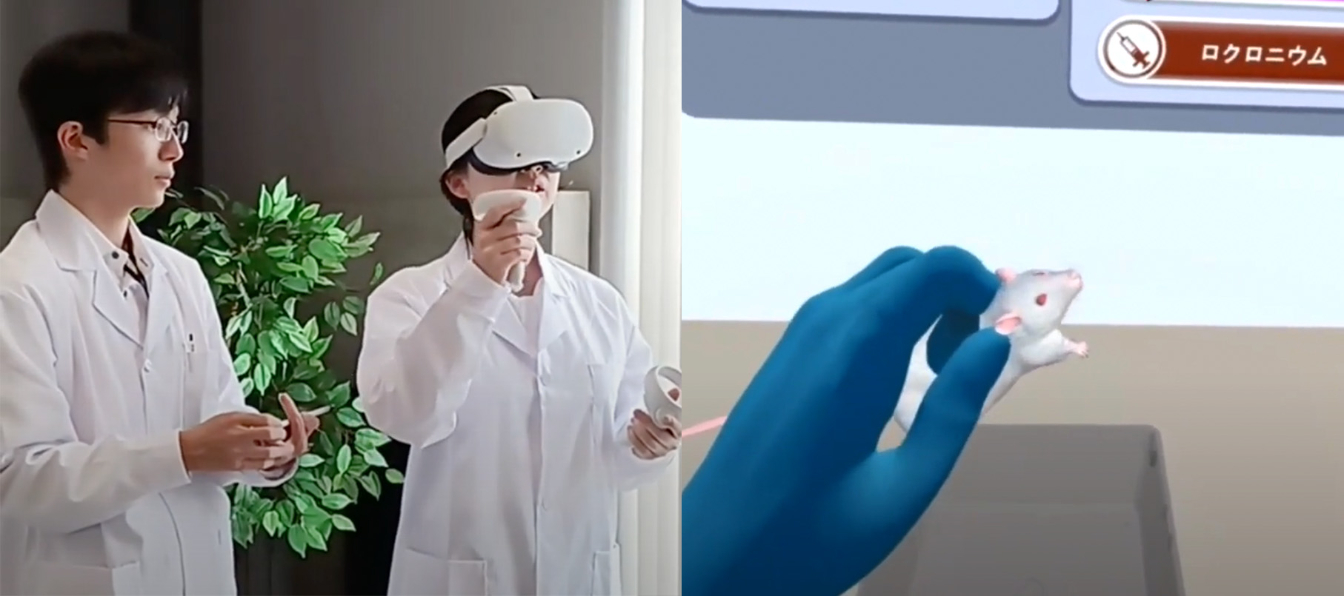
Students using VR (left) and the image of grabbing VR mouse (right)      Source: ERISA

According to Professor Koichiro Wada of Shimane University’s Faculty of Medicine, who spearheaded the development of the simulator, although some experiment simulators are already in use, they tend to be complicated and difficult to use. The budget for training has been dramatically reduced, so it was very difficult to introduce expensive equipment.
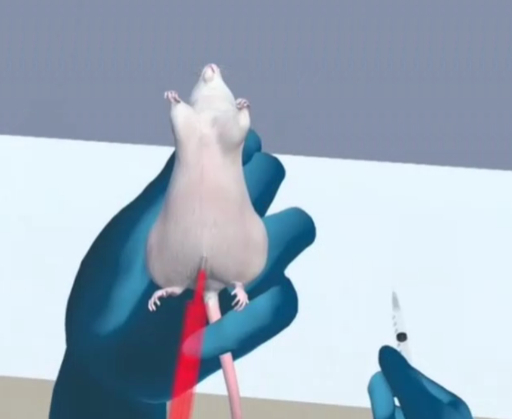
The realistic VR simulator can be used without hesitation by students who prefer not to do animal experiments. Source: ERISA 

“We introduced a tablet-based training simulator, but the 2D video was not enough and we felt the need for a more realistic simulator,” he told J-Stories.

The newly commercialised pharmacology VR simulator BMP-VR is operated while wearing a VR headset and using a controller. But instead of 2D images, the display uses 3D animation to show the animal’s movements and reactions.

Once students put on the headset, a virtual mouse appears in front of them. Students devise and select combinations of medicines to suppress various pre-programmed symptoms, then observe how the mouse reacts. Students can repeat this learning process until they compile their results in a report.
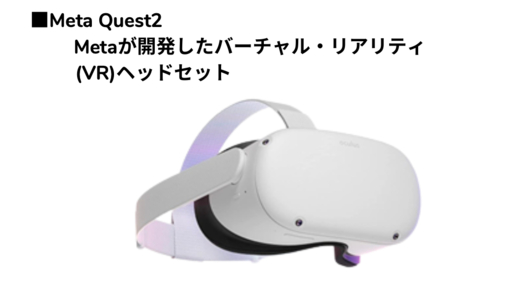
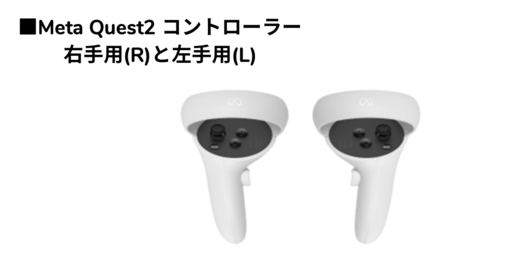
The simulator is operated using a Meta Quest2 headset and controllers.     Source: ERISA

Wada points out that a single experiment that would take up to an hour and a half to observe a reaction when using animals can be completed in two to three minutes using VR simulation. Moreover, an experiment can fail as many times as necessary, something which is not allowed in clinical practice, thus deepening the learning experience.

A VR simulator costs 120,000 yen for the first year, including equipment leasing costs, learning app usage, practical training tasks and sample answers, then 70,000 yen for the second and subsequent years. ERISA CDO [Chief Digital Officer]  Yoshiyuki Notsu, who is also in charge of sales from the company, told J-Stories that the technology can help universities deal with labor shortages and reduce costs.

“We had envisaged it being used for practical training at universities, but we are also receiving interest from companies that conduct animal experiments,” he said.

The company is developing domestic sales through the Japanese Pharmacological Society and intends to expand its sales network overseas. According to Notsu, market research has already started for South Korea, India and other countries, and the company will also target the CINP World Congress of Neuropsychopharmacology, to be held in Japan in May 2024, as a venue for overseas promotion.
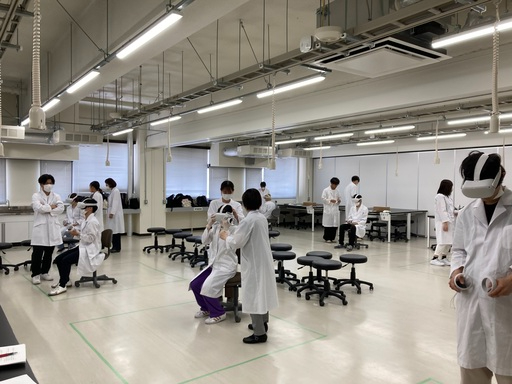
Students at Shimane University using the VR simulator.     Source: Shimane University Faculty of Medicine 

Wada said that local universities in particular suffer from lack of money, personnel, and training equipment. All universities face issues with animal bites and needlestick accidents during practical training, as well as students refusing to take part in animal experiments. At Shimane University, 98.1% of students who used the VR simulator expressed a high degree of satisfaction with the usefulness of the training and some commented that they appreciated not having to kill animals.

In Japan, some medical faculties use 400 to 500 mice for experiments during pharmacology training. Even before introducing the VR simulation, Shimane University used around 100 mice but now this figure has been reduced to around 30, said Wada. The students, meanwhile, have welcomed the reduction in time spent on practical training with live animals and especially that they can still learn in a realistic way without harming animals.

Going forward, the company intends to increase the number of registered drugs and type of dose. It also hopes to expand use of the system to physiology and other animal experiments, as well as pharmacology. Wada told J-Stories that preparations are already underway to use the VR simulator in bacteriology and virology training.

Medical schools in the US ended practical training with live animals in 2016 due to animal welfare concerns and animal experiments are also on the decline around the world.
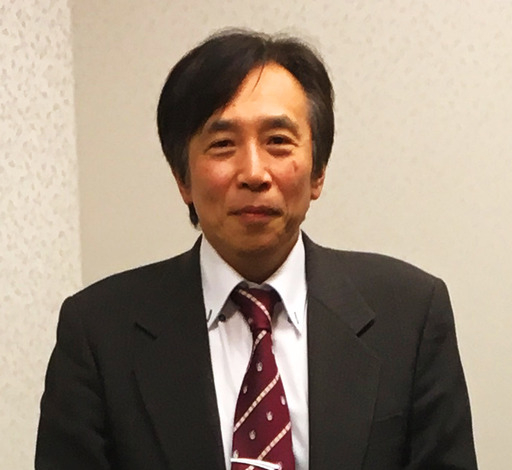
In Japan, our aim is to ultimately reduce the use of animals close to zero in cases where VR can be used instead. However, experiments using live animals are sometimes necessary to properly understand the actual effects on living organisms and the importance of life – Koichiro Wada of Shimane University’s Faculty of Medicine. Source: Shimane University Faculty of Medicine     Source: Shimane University Faculty of Medicine

“In Japan, our aim is to ultimately reduce the use of animals close to zero in cases where VR can be used instead. However, experiments using live animals are sometimes necessary to properly understand the actual effects on living organisms,” said Wada.

Translated by Tony McNicol

Top page photo provided by ERISA

For inquiries about this article, please contact jstories@pacificbridge.jp


Click here for the Japanese version of the article

Tags: 3R PrincipleAnimal Testing AlternativesbiotechnologyBMP-VRDrug DiscoveryEdTechERISAHealthcare InnovationJapan TechMedical EducationMeta QuestPharmacologyShimane UniversitySustainable ResearchVirtual Reality
Previous Post

Greening the desert with trash

Next Post

Coffee, tea, or mobility? Tokyo cafe offers welfare equipment for elderly clients

Yoshiko Ohira

Yoshiko Ohira

Related Posts

Japan leads global collaboration to combat AI disinformation
AI

Japan leads global collaboration to combat AI disinformation

by Ayaka Sagasaki
03/16/2026
HealthTech

Engineering safety from the ground up

by Tokyo Updates
02/13/2026
BioTech

Toward a targeted therapy with fewer side effects for chronic allergic eye disease

by Yoshiko Ohira
01/08/2026
AI

A new era of marketing, pioneered by generative AI

by Tokyo Updates
11/28/2025
BioTech

Toward a future where cancer is treated like a common cold

by Kei Mizuno
11/12/2025
Next Post

Coffee, tea, or mobility? Tokyo cafe offers welfare equipment for elderly clients

Leave a Reply Cancel reply

Your email address will not be published. Required fields are marked *

Videos

Round-Up Video #31

10/27/2022

Round-Up Video #35

11/24/2022

INTERVIEW | Taking action for peace

11/30/2022

Browse by Tags

Ai Alternative Energy biotechnology Climate Change Community decarbonization Education Event Food foodtech Health Inclusion Infrastructure Innovation Interview J-Stories Japan Japan-Taiwan Innovation Summit Japan startups Japan Tech Labor Living Nature Podcast Recycling Refugees robotics Society Space Startup Startup Ecosystem Startups SusHI Tech Tokyo Sustainability Sustainable Society Taiwan Technology Tokyo Tokyo Innovation Base Tokyo Metropolitan Government Tokyo Updates venture capital video Wealth Zero Waste
JStories

©Articles and photos published on JSTORIES are protected by Japanese copyright law and international treaties. They cannot be reproduced without the permission of the copyright holders

Explore JStories

  • About Jstories
  • Company
  • Contact
  • Home
  • Partner Press Releases
  • Pricing
  • Privacy Policy
  • Team

Follow Us

Welcome Back!

Login to your account below

Forgotten Password?

Retrieve your password

Please enter your username or email address to reset your password.

Log In
No Result
View All Result
  • Home
  • AI
    • Artificial Intelligence
    • Robotics
    • Mobility
  • Earth
    • Energy
    • Climate Tech
    • AgriTech
    • Clean Tech
    • Disaster Tech
    • SpaceTech
  • Life Sciences
    • BioTech
    • HealthTech
    • MedTech
    • AgeTech
  • Society
    • Media
    • EdTech
    • Diversity
    • FemTech
    • HRTech
    • LegalTech
    • Social Impact
    • FinTech
    • Anime
  • Lifestyle
    • FoodTech
    • FashionTech
    • BeautyTech
    • Wellbeing
    • Art & Music
  • Travel
    • Adventure Travel
    • Luxury Travel
    • Wellness & Medical Tourism
    • Culture
  • Video
  • Deals
    • Venture Capital
    • M&A
    • Startup Events
    • Ecosystem Support
  • Interview
  • Opinion

©Articles and photos published on JSTORIES are protected by Japanese copyright law and international treaties. They cannot be reproduced without the permission of the copyright holders

Are you sure want to unlock this post?
Unlock left : 0
Are you sure want to cancel subscription?