• Login
Upgrade
JStories
  • 日本語
  • 中文 (中国)
No Result
View All Result
  • Home
  • AI
    • Artificial Intelligence
    • Robotics
    • Mobility
  • Earth
    • Energy
    • Climate Tech
    • AgriTech
    • Clean Tech
    • Disaster Tech
    • SpaceTech
  • Life Sciences
    • BioTech
    • HealthTech
    • MedTech
    • AgeTech
  • Society
    • Media
    • EdTech
    • Diversity
    • FemTech
    • HRTech
    • LegalTech
    • Social Impact
    • FinTech
    • Anime
  • Lifestyle
    • FoodTech
    • FashionTech
    • BeautyTech
    • Wellbeing
    • Art & Music
  • Travel
    • Adventure Travel
    • Luxury Travel
    • Wellness & Medical Tourism
    • Culture
  • Video
  • Deals
    • Venture Capital
    • M&A
    • Startup Events
    • Pitch
    • Ecosystem Support
  • Interview
  • Opinion
  • Home
  • AI
    • Artificial Intelligence
    • Robotics
    • Mobility
  • Earth
    • Energy
    • Climate Tech
    • AgriTech
    • Clean Tech
    • Disaster Tech
    • SpaceTech
  • Life Sciences
    • BioTech
    • HealthTech
    • MedTech
    • AgeTech
  • Society
    • Media
    • EdTech
    • Diversity
    • FemTech
    • HRTech
    • LegalTech
    • Social Impact
    • FinTech
    • Anime
  • Lifestyle
    • FoodTech
    • FashionTech
    • BeautyTech
    • Wellbeing
    • Art & Music
  • Travel
    • Adventure Travel
    • Luxury Travel
    • Wellness & Medical Tourism
    • Culture
  • Video
  • Deals
    • Venture Capital
    • M&A
    • Startup Events
    • Pitch
    • Ecosystem Support
  • Interview
  • Opinion
en English ja 日本語 zh 中文 (中国)
JStories
No Result
View All Result

Changing attitudes to homelessness with the camera

Yui Sawada by Yui Sawada
06/24/2022
in Media, Social Impact, Society
0
Home Society Media
Share on FacebookShare on Twitter

J-STORIES – There are many reasons why people lose their homes, such as unemployment, illness and family circumstances. But, regardless of how they end up on the street, they share many of the same problems: social isolation; limited access to health care; hatred; prejudice; and even the risk of bullying and violence.

Homedoor, a nonprofit organization in Osaka, has initiated a novel way to address these issues, publishing a book of photographs taken by homeless people in Japan.

The photographers included both people living on the street and the so-called “cyber-homeless” —those without stable work who sleep in internet cafes. Each used disposable cameras to snap their images.

As a result, the photos offer a unique view of Japanese society through the eyes of the homeless. Many are highly personal, relating to the photographers’ lives and memories. For example, one image shows a distant view of the Osaka City Museum of Fine Arts. In the accompanying text, the photographer explains how, when he was a child, one of his paintings was put on display there.

The NPO hopes that such photos can help change attitudes, reducing prejudice and misunderstanding by creating empathy among readers.
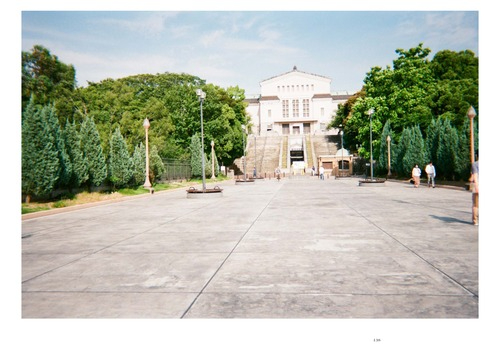
The Osaka City Museum of Fine Arts, a place of personal significance for the photographer, who had a painting displayed there as a child.     Source: Homedoor

Homedoor started up in 2010 with the goal of making Japan a place where no more homelessness occurs. The idea for a book of photos taken by homeless people developed from a project that the NPO conducted with an advertising agency in 2017. The book was finally published in April, with the help of the agency and a crowdfunding campaign supported by over 500 people.

There are four editions of the photo book, each with a different image on the cover.     Source: Homedoor

“The issue of homeless is an issue for everyone,” Homedoor’s executive director, Hiromi Matsumoto, told J-Stories. “Without someone to help, or the right environment, anyone can easily fall through society’s safety net.

“Through this photo book, we want people to learn about the homelessness issue and think about it. More than that, we want them to think about what actions they can take.”

The photos are also available for purchase online at a dedicated website (link below).      Source: Homedoor

Homedoor’s next initiative begins this July when the organization will interview homeless people to find out what kind of social systems and support groups are needed for people facing such challenges. Based on the results, it plans to publish an academic paper on advisable reforms by yearend.

“Homedoor does not intend to reduce the number of homeless people to zero,” Matsumoto said. “Rather, we want to create a society where people who have unwillingly become homeless due to unemployment, illness, or family circumstances have unlimited opportunities to start over.”

Translation and Editing by Tony McNicol

Top page photo by Homedoor

For inquires about this article, please contact us at jstories@pacificbridge.jp


Click here for the Japanese version of the article.

Tags: CommunityCompassionLiving
Previous Post

Round-up Video #17

Next Post

Generating electricity from even the strongest storms

Yui Sawada

Yui Sawada

Related Posts

Japan leads global collaboration to combat AI disinformation
AI

Japan leads global collaboration to combat AI disinformation

by Ayaka Sagasaki
03/16/2026
Anime

World-first “anime character-based therapy” trial to test effectiveness in Japanese young adults

by Lucas Maltzman
01/30/2026
Social Impact

From a childhood shaped by conflict to an investor bridging Japan and the world

by Ayaka Sagasaki
01/23/2026
Diversity

What happens when women’s ideas are finally taken seriously?

by HIROKO ISHII
12/12/2025
Diversity

Iceland’s bold break from tradition: The Women’s Day Off that rewrote history

by Sayuri Daimon
12/05/2025
Next Post

Generating electricity from even the strongest storms

Leave a Reply Cancel reply

Your email address will not be published. Required fields are marked *

Videos

Round-Up Video #32

11/03/2022

INTERVIEW | Taking action for peace

11/30/2022

Round-up Video #13

05/26/2022

Browse by Tags

Ai Alternative Energy biotechnology Climate Change Community decarbonization Education Event Food foodtech Health Inclusion Infrastructure Innovation Interview J-Stories Japan Japan-Taiwan Innovation Summit Japan startups Japan Tech Labor Living Nature Podcast Recycling Refugees robotics Society Space Startup Startup Ecosystem Startups SusHI Tech Tokyo Sustainability Sustainable Society Taiwan Technology Tokyo Tokyo Innovation Base Tokyo Metropolitan Government Tokyo Updates venture capital video Wealth Zero Waste
JStories

©Articles and photos published on JSTORIES are protected by Japanese copyright law and international treaties. They cannot be reproduced without the permission of the copyright holders

Explore JStories

  • About Jstories
  • Company
  • Contact
  • Home
  • Partner Press Releases
  • Pricing
  • Privacy Policy
  • Team

Follow Us

Welcome Back!

Login to your account below

Forgotten Password?

Retrieve your password

Please enter your username or email address to reset your password.

Log In
No Result
View All Result
  • Home
  • AI
    • Artificial Intelligence
    • Robotics
    • Mobility
  • Earth
    • Energy
    • Climate Tech
    • AgriTech
    • Clean Tech
    • Disaster Tech
    • SpaceTech
  • Life Sciences
    • BioTech
    • HealthTech
    • MedTech
    • AgeTech
  • Society
    • Media
    • EdTech
    • Diversity
    • FemTech
    • HRTech
    • LegalTech
    • Social Impact
    • FinTech
    • Anime
  • Lifestyle
    • FoodTech
    • FashionTech
    • BeautyTech
    • Wellbeing
    • Art & Music
  • Travel
    • Adventure Travel
    • Luxury Travel
    • Wellness & Medical Tourism
    • Culture
  • Video
  • Deals
    • Venture Capital
    • M&A
    • Startup Events
    • Ecosystem Support
  • Interview
  • Opinion

©Articles and photos published on JSTORIES are protected by Japanese copyright law and international treaties. They cannot be reproduced without the permission of the copyright holders

Are you sure want to unlock this post?
Unlock left : 0
Are you sure want to cancel subscription?