

JSTORIES ー As global concern over food shortages and climate change intensifies, edible crickets — rich in nutrients and environmentally sustainable — are attracting attention as a potential solution. However, in Japan, where insect-based foods are not yet widely accepted, there remain significant barriers to adoption. Consumer resistance is strong, and several companies have been forced to close or withdraw from the sector despite early enthusiasm.
Now, a Tokyo-based startup is tackling these challenges by moving production overseas. Ecologgie, founded in December 2017 by Waseda University graduates, has built a cricket farming and processing network in Cambodia, a country with a long-standing insect-eating culture. The company supplies high-quality cricket products for pet food and other uses, while partnering with local farmers to provide steady supplemental income — blending environmental sustainability with rural economic development.
Nutrition and early inspiration
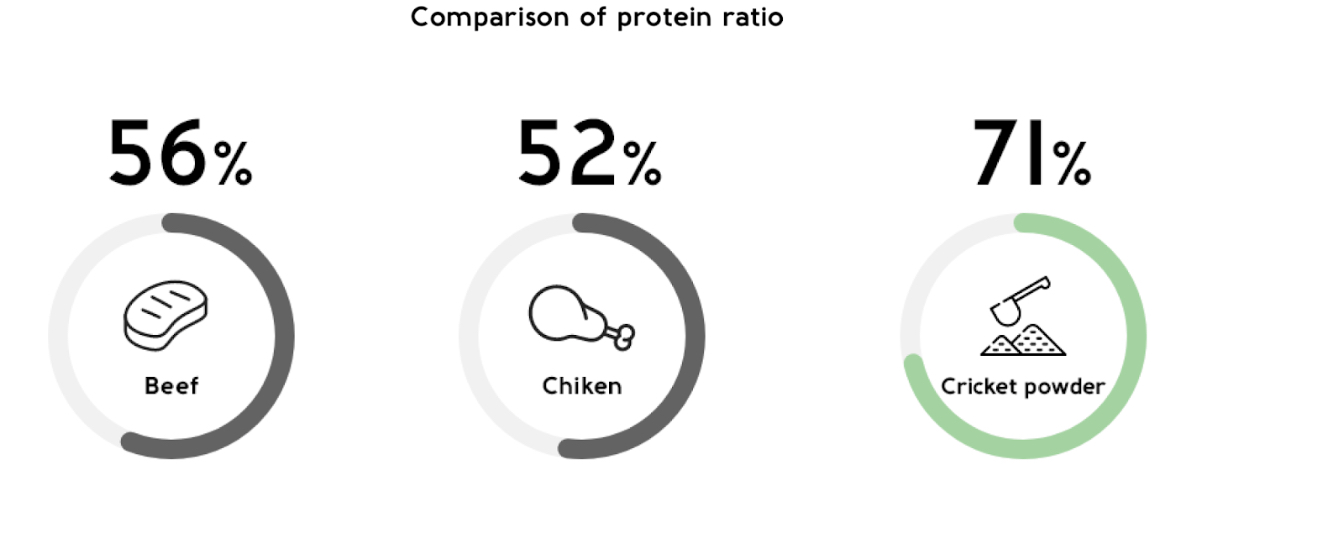
Crickets are high in protein, low in fat, and contain essential nutrients such as iron, zinc, and folic acid. Their exoskeleton also holds dietary fiber that can absorb and remove cholesterol. Compared with beef production, raising crickets requires 1/2000 the water, 7/100 the feed, and produces only 1/25 the greenhouse gas emissions.
Founder Seiya Ashikari moved to Cambodia in 2019 and now divides his time between there and Tokyo. University colleague Kensuke Ikeda, who joined the venture and became CEO in February 2025, recalls his first experience raising crickets during a summer break at university: “It turned out to be surprisingly easy, and the yield was remarkable. That’s when I thought this could be part of a solution to the food crisis.”
In recent years, several Japanese companies experimented with cricket-based bread and confectionery products. However, strong consumer aversion to insects led to boycotts and, in many cases, the closure of these businesses.
Choosing Cambodia as a production base
Ecologgie took a different approach: Instead of producing in Japan, it established operations in Cambodia, where eating insects is part of the local food culture. Initially, the company tried raising crickets in a disused nursery school in a rural area of Hyogo Prefecture, in western Japan’s Kansai region. But Japan’s seasonal temperature variations made it difficult to maintain consistent production without heating — which would have increased energy use and environmental impact.
Seeking a location with a year-round warm climate suitable for cricket farming — and where Japanese staff could also live comfortably — Ashikari and Ikeda surveyed several Southeast Asian countries. “Cambodia fits the conditions perfectly,” says Ikeda.
Building partnerships and stable income
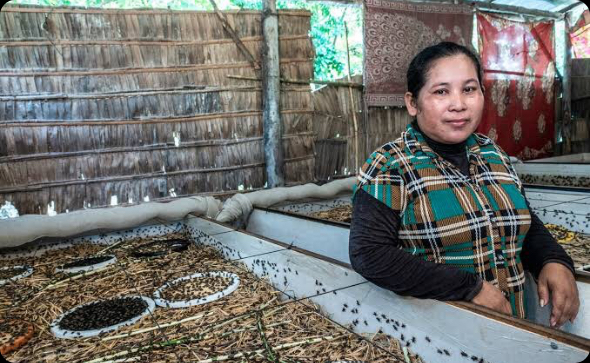
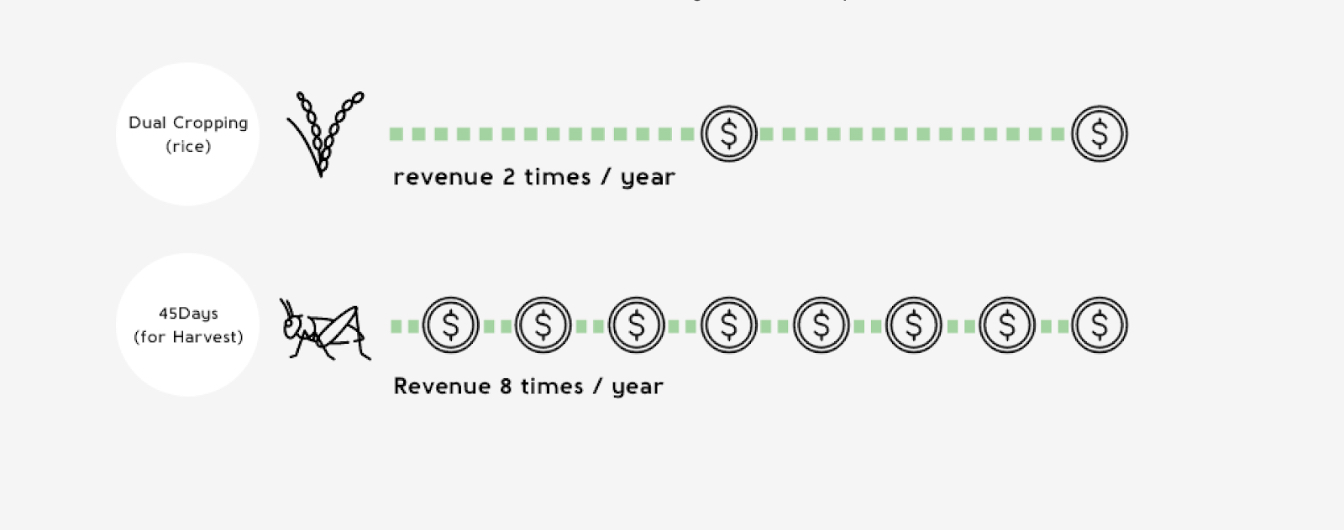
After moving to Cambodia, Ashikari began working with international NGOs to survey farmers about their production costs, income, and facilities. Cricket farming was already established as a side business alongside rice and vegetable cultivation, and the basic infrastructure for scaling up was in place. While rice and vegetable farmers typically earn income twice a year, crickets can be raised under the eaves of a home, with a growth cycle of around 45 days from egg to maturity. This allows up to eight harvests a year, providing farmers additional income without interfering with their main crops.
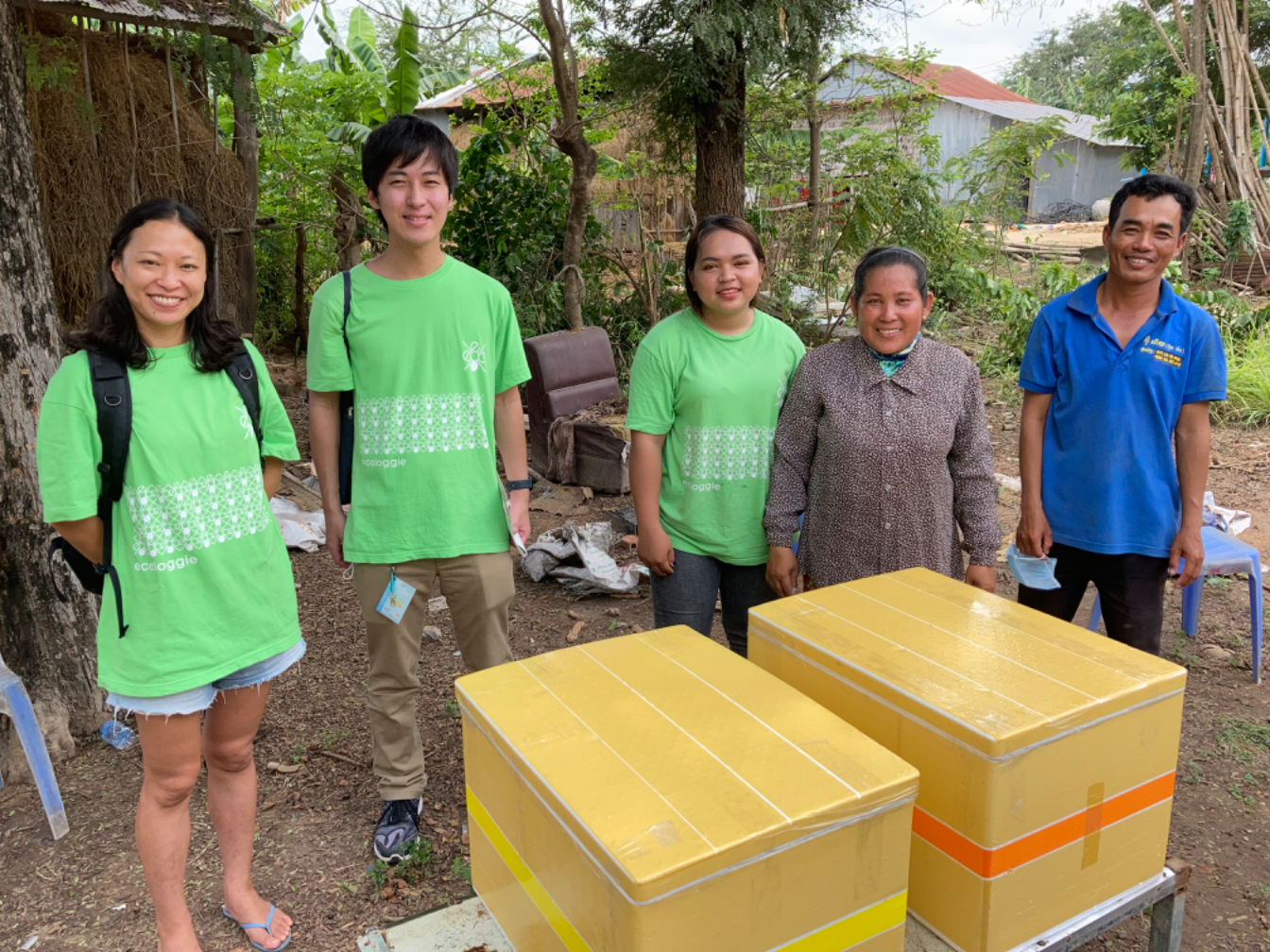
However, when Ecologgie started, Cambodian farmers lacked reliable buyers, meaning cricket farming did not always yield steady earnings. The company addressed this by contracting directly with farmers and purchasing their entire output, ensuring stable income and improving living standards. Ikeda explains: “Even during the COVID-19 pandemic, we continued to buy 100% of their production. Farmers were grateful, and our partnerships expanded from just one household to nearly 60. The trust we built during a tough economic period is the foundation of today’s operations.”
Quality improvement through feed innovation
To improve the nutritional quality of its crickets, Ecologgie produces its own feed by collecting discarded food from a Cambodian pizza restaurant and a joint venture of Japanese snack maker Kameda Seika. This is fortified with additional nutrients and sold at low cost to contract farmers, resulting in high-quality crickets.
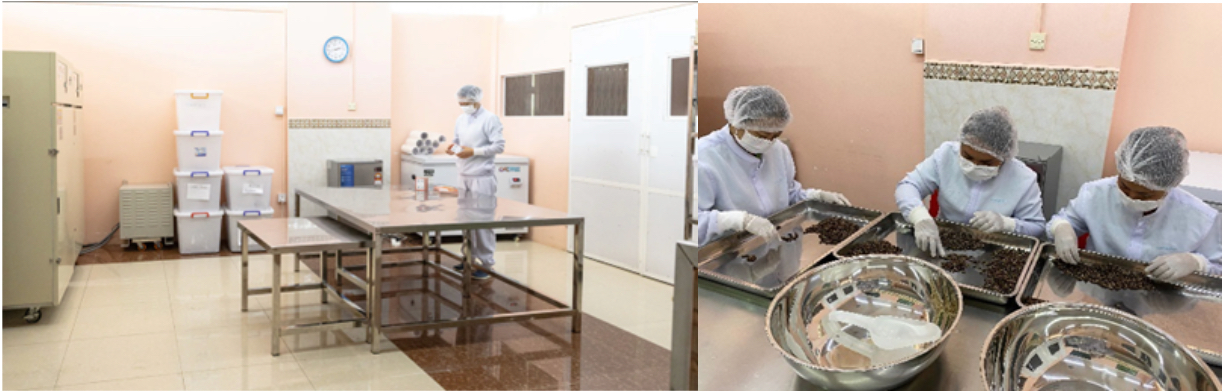
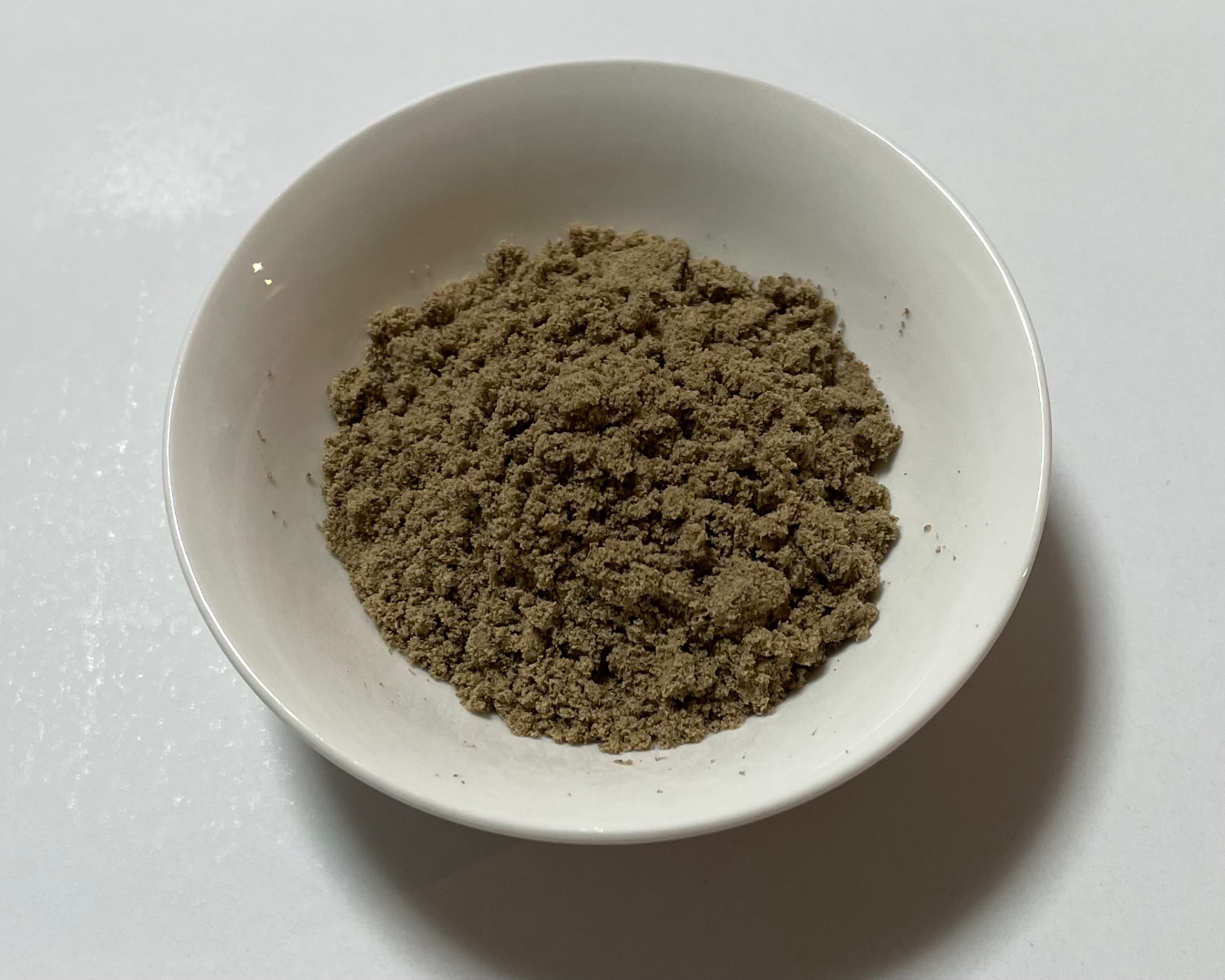
In Japan, where edible insects are less accepted, Ecologgie currently uses cricket powder as an ingredient in “Leobait,” a paste-type pet food for reptiles and amphibians. The product line includes 12 variations tailored to different pets and is sold through pet shops and online retailers, with sales steadily increasing.
“We plan to expand into feeds for animals like hedgehogs,” says Ikeda. “We have also started selling in Taiwan, and aim to enter the Chinese market.”
Approach to food products
The company has previously collaborated on health supplements and snack products with soy sauce and miso manufacturers. However, Ikeda notes: “Forcing insect-based food onto Japanese consumers, who have strong resistance, is not our role right now. We focus on sharing accurate information about crickets’ nutritional benefits, and we supply raw materials to those who want to use them.”
He adds: “Given that crickets have long been part of the diet in Southeast Asia, it wouldn’t be surprising if climate change makes them more attractive as a protein source in regions where meat and fish production becomes difficult. I believe crickets have great potential.”
New business in Cambodia
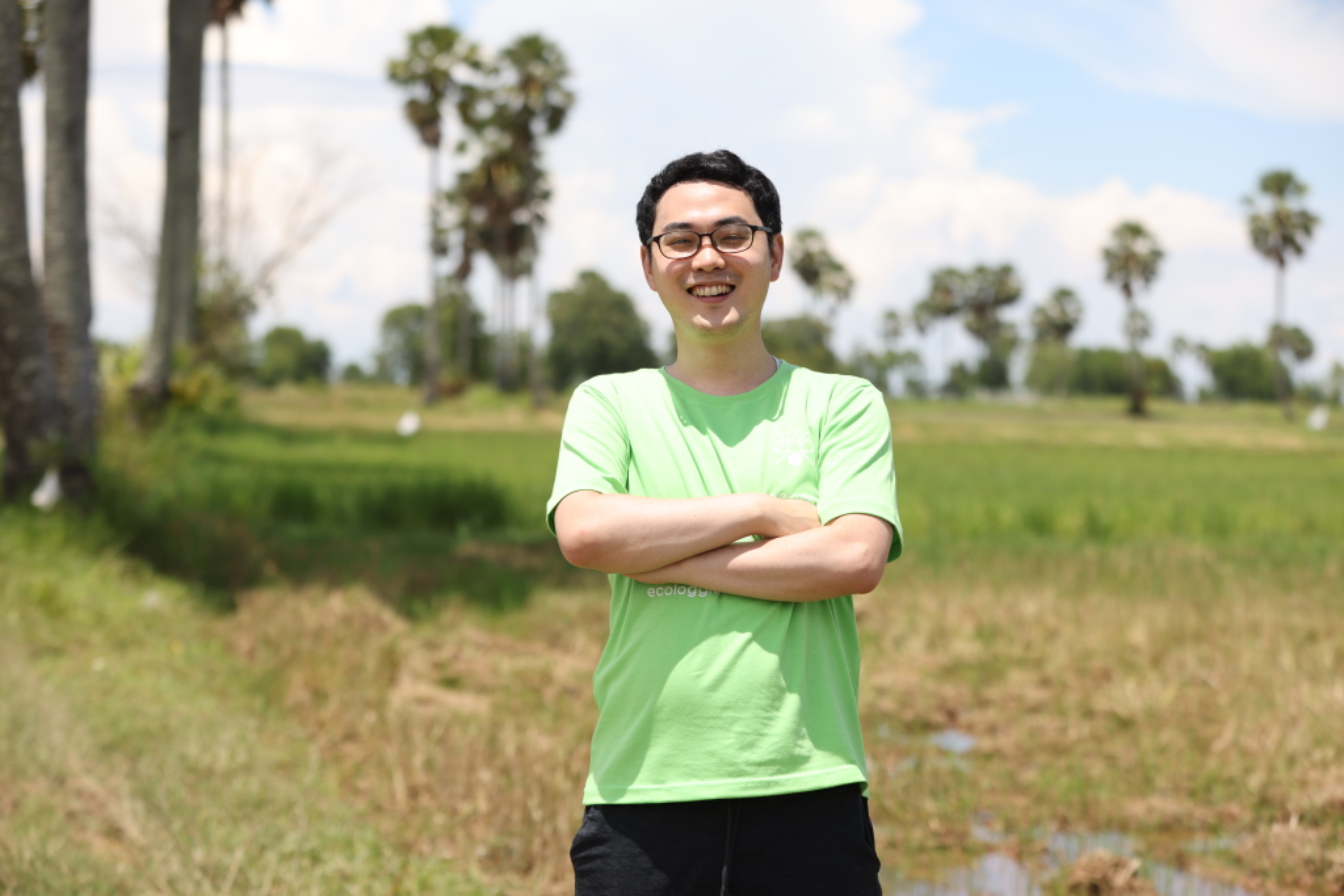
In February 2025, Ecologgie launched a new service in Cambodia: health checks for local companies. In a country where awareness of lifestyle-related diseases is still low, the service provides information on prevention, advice on improving daily habits, and nutrition guidance — also promoting the health benefits of crickets.
Ikeda also sees future opportunities for collaboration: “We can package our know-how — from breeding methods and feed recipes to processing techniques — and share it with companies in other regions. I’d like to work with partners in equatorial countries in Africa and South America, as well as companies already operating there.”
Translated by Anita De Michele
Edited by Mark Goldsmith
Top photo: Envato
For inquiries regarding this article, please contact jstories@pacificbridge.jp
Click here for the Japanese version of the article