• Login
Upgrade
JStories
  • 日本語
  • 中文 (中国)
No Result
View All Result
  • Home
  • AI
    • Artificial Intelligence
    • Robotics
    • Mobility
  • Earth
    • Energy
    • Climate Tech
    • AgriTech
    • Clean Tech
    • Disaster Tech
    • SpaceTech
  • Life Sciences
    • BioTech
    • HealthTech
    • MedTech
    • AgeTech
  • Society
    • Media
    • EdTech
    • Diversity
    • FemTech
    • HRTech
    • LegalTech
    • Social Impact
    • FinTech
    • Anime
  • Lifestyle
    • FoodTech
    • FashionTech
    • BeautyTech
    • Wellbeing
    • Art & Music
  • Travel
    • Adventure Travel
    • Luxury Travel
    • Wellness & Medical Tourism
    • Culture
  • Video
  • Deals
    • Venture Capital
    • M&A
    • Startup Events
    • Pitch
    • Ecosystem Support
  • Interview
  • Opinion
  • Home
  • AI
    • Artificial Intelligence
    • Robotics
    • Mobility
  • Earth
    • Energy
    • Climate Tech
    • AgriTech
    • Clean Tech
    • Disaster Tech
    • SpaceTech
  • Life Sciences
    • BioTech
    • HealthTech
    • MedTech
    • AgeTech
  • Society
    • Media
    • EdTech
    • Diversity
    • FemTech
    • HRTech
    • LegalTech
    • Social Impact
    • FinTech
    • Anime
  • Lifestyle
    • FoodTech
    • FashionTech
    • BeautyTech
    • Wellbeing
    • Art & Music
  • Travel
    • Adventure Travel
    • Luxury Travel
    • Wellness & Medical Tourism
    • Culture
  • Video
  • Deals
    • Venture Capital
    • M&A
    • Startup Events
    • Pitch
    • Ecosystem Support
  • Interview
  • Opinion
en English ja 日本語 zh 中文 (中国)
JStories
No Result
View All Result

Feeding hungry children with photos of rice balls

Yui Sawada by Yui Sawada
05/17/2022
in EdTech, FoodTech, Lifestyle, Social Impact, Society, Wellbeing
0
Home Society EdTech
Share on FacebookShare on Twitter

J-STORIES – School lunches are delivered to children in Africa and Asia who are facing hunger and malnutrition simply by posting a photo of a rice ball on social networking sites.

The activities of the Japanese NPO, which began in 2015 with the aim of solving the world’s food problems, are steadily expanding, and the total number of school lunches that children receive is expected to reach the 90 million meal mark by the end of this year, as a result of the rice ball campaign and other programs.

Thanks to the Japanese NPO Table for Two (TFT), members of the public can help feed hungry children simply by taking photos of rice balls. For every photo uploaded to a special website, or to social media with the tag #OnigiriAction, partner organizations will donate 100 yen. That’s enough money for TFT to provide five school meals to children in Africa and developing Asian countries.

Approximately 800 million of the world’s 7.5 billion people suffer from hunger or malnutrition. At the same time, about 2 billion suffer from lifestyle diseases caused by being overweight or obese. TFT aims to address this global food inequality.
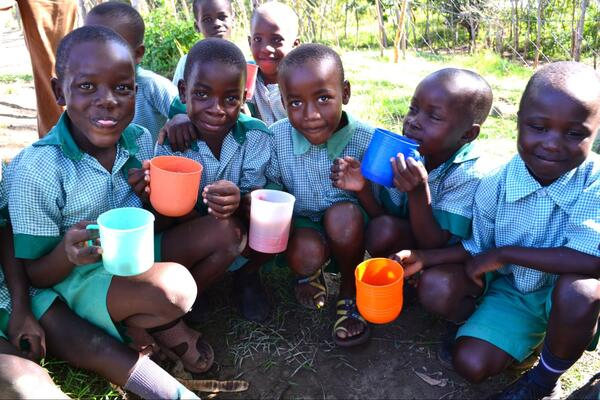
Table for Two has provided almost 90 million meals to children in developing countries.      Source: Table for Two

The NPO’s Onigiri Action campaign is named after the Japanese word for rice ball. Participation is intended to be as easy as possible, so any rice ball photo is OK. In Japan, rice balls are a children’s lunchbox staple and a symbol of affection through food.

The campaign takes place for around 30 days spanning October and November each year to coincide with the October 16 United Nations World Food Day. During the seventh campaign last year, around 270,000 photos were uploaded by people in 35 countries, equating to 1.4 million free meals.
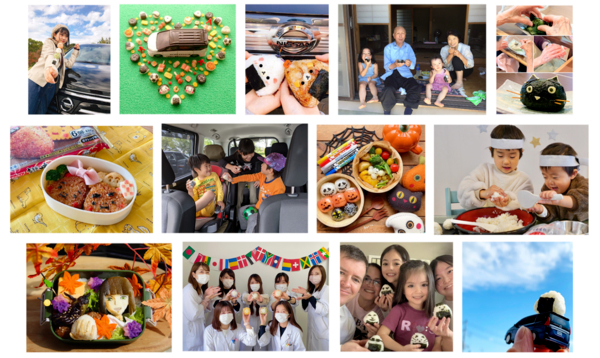
“Onigiri” is Japanese for rice ball and is a symbol of love through food.      Source: Table for Two

TFT marketing representative Akiko Murata said that many people want to do something about global hunger. When they upload rice ball-related photos or heartwarming comments, the NPO’s sphere of action expands.

“Through Onigiri Action, we want [many people] to think about the global food inequality issue of obesity and hunger, and give them a chance to take action,” she said. Another of the NPO’s projects is Meal Sharing, through which it provides a school meal every time someone buys a TFT healthy option from a partnering cafeteria, restaurant, food truck, or vending machine. In the U.S., the school meals are funded by an extra 25 cents added to the cost of the menu item.

Another project is Wa-Shokuiku, a Japanese-inspired food education curriculum. According to TFT’s website, its goal is to “equip students with lifelong practical knowledge about one of the world’s healthiest diets and encourage lifelong healthy food behaviors.” Over 4,500 children in the U.S. have taken part since 2017.

Translation and Editing by Tony McNicol

Top page photo by Table For Two

For inquires about this article, please contact us at jstories@pacificbridge.jp


Click here for the Japanese version of the article.

Tags: EducationFoodHealthLiving
Previous Post

Test home will be powered by artificial photosynthesis

Next Post

Russian fuel, hydrogen and Japan’s energy future

Yui Sawada

Yui Sawada

Related Posts

Japan leads global collaboration to combat AI disinformation
AI

Japan leads global collaboration to combat AI disinformation

by Ayaka Sagasaki
03/16/2026
Starting a sustainable wood-fired bakery in Tokyo
FoodTech

Starting a sustainable wood-fired bakery in Tokyo

by Tokyo Updates
03/05/2026
Anime

World-first “anime character-based therapy” trial to test effectiveness in Japanese young adults

by Lucas Maltzman
01/30/2026
Lifestyle

The plush toy hospital keeping childhood memories alive

by Tokyo Updates
01/30/2026
Social Impact

From a childhood shaped by conflict to an investor bridging Japan and the world

by Ayaka Sagasaki
01/23/2026
Next Post

Russian fuel, hydrogen and Japan’s energy future

Leave a Reply Cancel reply

Your email address will not be published. Required fields are marked *

Videos

Round-Up Video #34

11/17/2022

Round-up Video #21

07/21/2022

Round-Up Video #33

11/10/2022

Browse by Tags

Ai Alternative Energy biotechnology Climate Change Community decarbonization Education Event Food foodtech Health Inclusion Infrastructure Innovation Interview J-Stories Japan Japan-Taiwan Innovation Summit Japan startups Japan Tech Labor Living Nature Podcast Recycling Refugees robotics Society Space Startup Startup Ecosystem Startups SusHI Tech Tokyo Sustainability Sustainable Society Taiwan Technology Tokyo Tokyo Innovation Base Tokyo Metropolitan Government Tokyo Updates venture capital video Wealth Zero Waste
JStories

©Articles and photos published on JSTORIES are protected by Japanese copyright law and international treaties. They cannot be reproduced without the permission of the copyright holders

Explore JStories

  • About Jstories
  • Company
  • Contact
  • Home
  • Partner Press Releases
  • Pricing
  • Privacy Policy
  • Team

Follow Us

Welcome Back!

Login to your account below

Forgotten Password?

Retrieve your password

Please enter your username or email address to reset your password.

Log In
No Result
View All Result
  • Home
  • AI
    • Artificial Intelligence
    • Robotics
    • Mobility
  • Earth
    • Energy
    • Climate Tech
    • AgriTech
    • Clean Tech
    • Disaster Tech
    • SpaceTech
  • Life Sciences
    • BioTech
    • HealthTech
    • MedTech
    • AgeTech
  • Society
    • Media
    • EdTech
    • Diversity
    • FemTech
    • HRTech
    • LegalTech
    • Social Impact
    • FinTech
    • Anime
  • Lifestyle
    • FoodTech
    • FashionTech
    • BeautyTech
    • Wellbeing
    • Art & Music
  • Travel
    • Adventure Travel
    • Luxury Travel
    • Wellness & Medical Tourism
    • Culture
  • Video
  • Deals
    • Venture Capital
    • M&A
    • Startup Events
    • Ecosystem Support
  • Interview
  • Opinion

©Articles and photos published on JSTORIES are protected by Japanese copyright law and international treaties. They cannot be reproduced without the permission of the copyright holders

Are you sure want to unlock this post?
Unlock left : 0
Are you sure want to cancel subscription?