


J-STORIES ー The Philippine startup scene is becoming an innovation hub. Based on a report by the organization Startup Genome, the Philippines moved up to the 81-90 position from 91-100 in 2023. As shared by the Department of Trade and Industry (DTI), the country’s ecosystem value posted a 72% growth and is now valued at $6.4 billion.
The growth of the Philippine scene can be attributed to many factors, such as an English-speaking population and government initiatives like the Innovative Startup Act, which supports early-stage startups, and the amendment of the Foreign Investment Act, which would encourage global SMEs to set up fully owned businesses in the country.
Based on the 2023 report by the Asian Development Bank, there are over 700 startups in the Philippines focused on driving economic and social progress. Social enterprises, estimated at 164,473, account for 17% of the nation’s registered businesses, highlighting the country’s dedication to sustainable development.
Here are four successful startups offering sustainable solutions to agriculture, sustainable products, healthcare, and emission-free transportation sectors.
Mayani: Changing the lives of Filipino farmers and fishermen through technology
Agriculture, which includes farming, fishing, and forestry, remains an important industry in the Philippines, accounting for 8.6% of the country’s GDP in 2023. Agriculture is also a source of employment, with around 23.2% of the population working in agriculture in 2023.
However, the industry is plagued with challenges that make the lives of farmers difficult. Problems such as high input costs, diminished sales, and the inefficiency of the traditional supply chain from farm to table drove many farmers to poverty. Farmers and fisherfolk have the highest rate of poverty in the country. The frequency of typhoons and droughts due to climate change also affected food security.
But by using the transformative nature of technology, one agri-tech startup looks to help reverse these adverse impacts, especially on the lives of the farmers.
Mayani is an “impact-driven agri-tech platform” and a Manila-based company that aims to improve the lives of Filipino farmers and fishermen by connecting them directly to buyers. By removing the middleman through a digital platform, the farmers can sell their products at fair market prices, boosting their incomes. This concept promotes food sustainability, greater access to fresh foods, and the development of local agricultural communities.
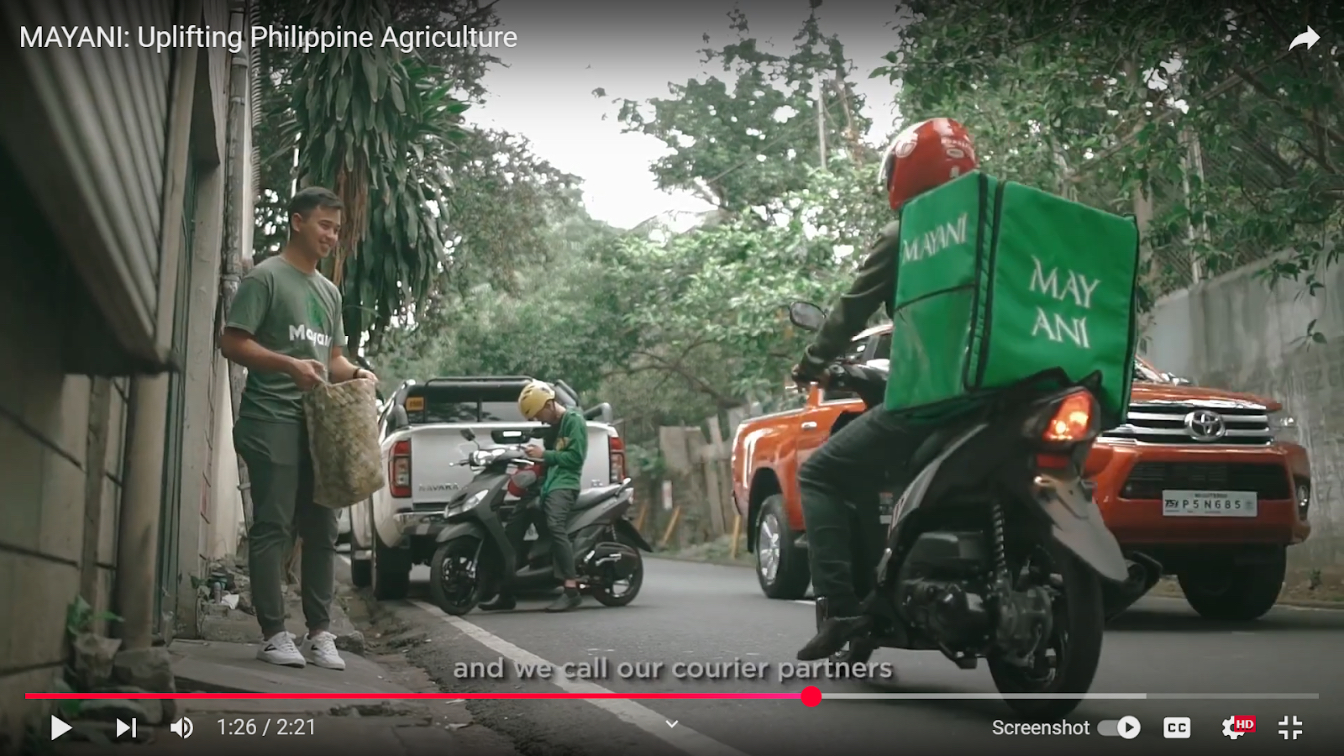
Mayani partnered with local supermarkets and courier platforms to ensure that farmers expand their reach and find a market for their products. Currently, there are 70,000 farmers on the platform and a processing GMV over US$650k. To learn more about Mayani, click this link to their website.
Bambuhay: Helping save the planet and save lives using bamboo
Garbage accumulation and inefficient waste management remain problems in the Philippines. According to a 2024 study from the Philippine Institute for Development Studies (PIDS), the country faces limited infrastructure and inefficient resource utilization, with only “237 sanitary landfills servicing 1,634 cities and municipalities and 11,625 materials recovery facilities covering over 42,000 barangays.” With limited capabilities, the piling up of future waste must be prevented.
Using eco-friendly, reusable, and sustainable products is a way to help address this problem. This is the idea behind Bambuhay, an eco-friendly and sustainable brand that offers products made of bamboo, a useful plant that can be grown easily and sustainably in the Philippines.
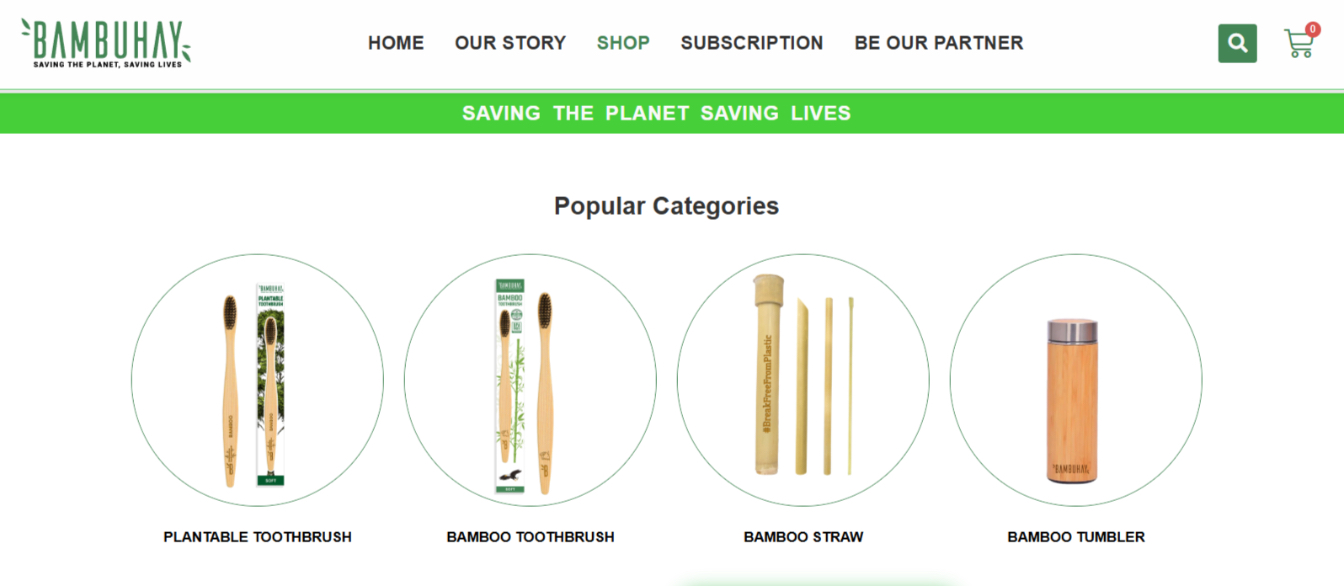
The name “Bambuhay” is a play on the words “bamboo” and “buhay,” which means life, and “habambuhay,” which connotes sustainability. The company was founded by Mark Sultan Guevara, whose social enterprise vision for the brand earned him a grant from the AirAsia Foundation in 2024.
The company is dedicated to “implementing solutions to plastic pollution, deforestation, climate change, and poverty using bamboo and technology.” But as a social enterprise, the company’s main aim is to help improve the lives of marginalized farmers by giving them a sustainable livelihood. Their product lineup includes bamboo toothbrushes, straws, mugs, and tumblers. Learn more through their official website.
MediClick: Connecting much-needed medicines with a few clicks
Access to affordable healthcare, such as medical consultation and medicine, is a problem in the Philippines. According to an article by PIDS, the Philippines lags behind other ASEAN countries in “critical health outcomes and access indicators.” Many factors contribute to health inequities, which include poverty and high health costs, which are compounded by “inadequate health services, lack of financing, and a weak health information system.”

To help improve access to healthcare products, especially in impoverished and underserved sectors in the Philippines, digital medical startup MediClick launched its e-pharmacy platform. Through its website, MediClick offers sales and door-to-door delivery of medications to patients. The site also offers free teleconsultation with a pharmacist. Founded in 2020, MediClick has grown rapidly, raising $300,000 in pre-seed funding in 2023. Learn more on MediClick’s website.
Mober: Delivering green logistics onboard electric vehicles
The transportation sector in the Philippines is the biggest emitter of greenhouse gases, contributing 35.42 million tons of carbon dioxide (CO2) from 2020 to 2022. As a developing country, the Philippines heavily relies on fossil fuel-powered vehicles. The emissions are projected to increase unless cleaner and more sustainable solutions for transportation are adopted, such as using electric vehicles (EVs).
This is the challenge that Filipino logistics startup Mober aims to address. Founded by Dennis Ng in 2016, the company offers same-day delivery to its customers using electric vehicles. To maximize its operations while minimizing carbon footprint, the company uses advanced order tracking technology, API connectivity, and in-store kiosks.
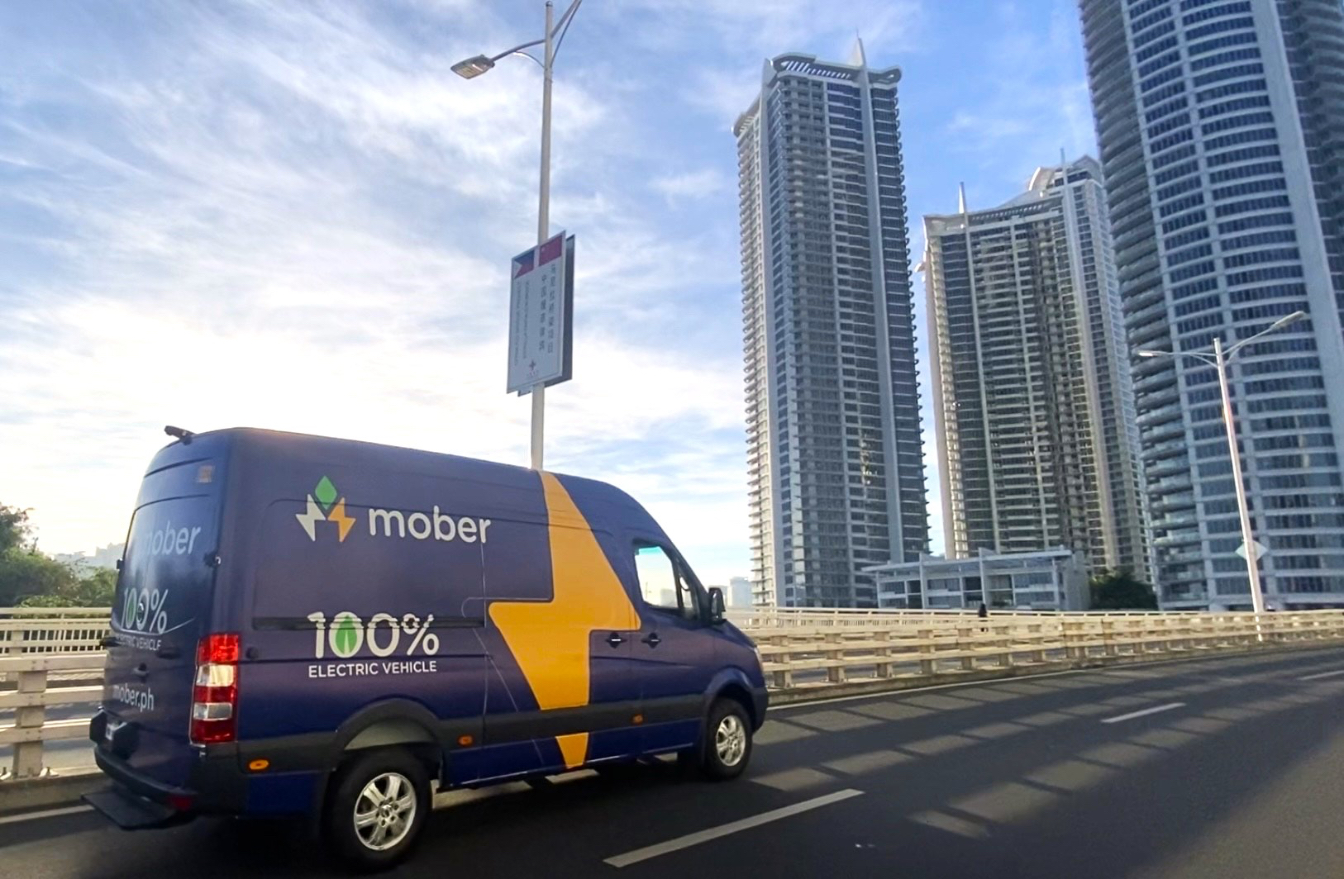
The company aims to be the first logistics service provider to go 100% electric, with plans to have 300 EVs by 2025. In 2024, Mober bagged a $6 million fund to help finance this vision. This aligns with the company’s vision of “helping safeguard the future of our planet… compensating for our carbon footprint, and creating a circular supply chain that’s fully efficient and doesn’t encourage waste.” To learn more about Mober, check out the official website.
Written by Desiderio Luna
Editing by Takanori Isshiki
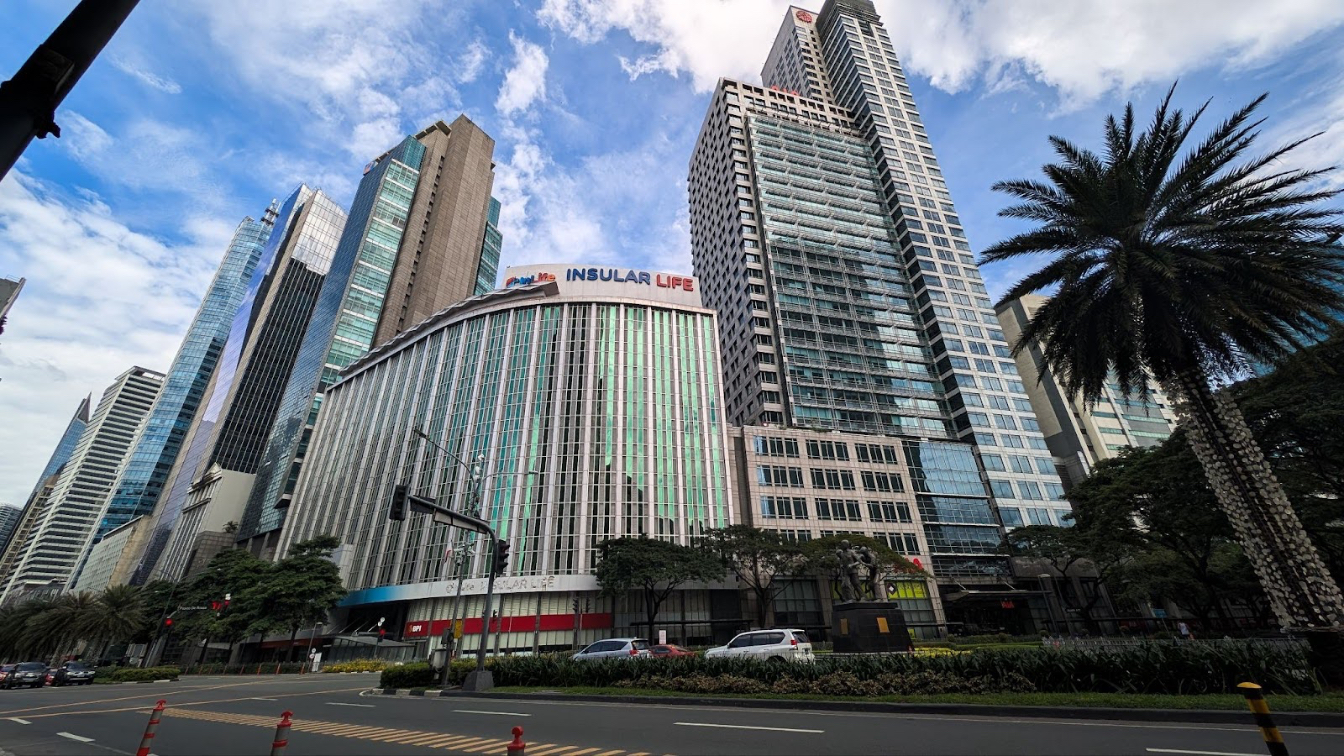
Top Photo by J-Stories (Desiderio Luna)
For inquiries regarding this article, please contact jstories@pacificbridge.jp
Click here for the first part of the Japanese version of the article
Click here for the second part of the Japanese version of the article