• Login
Upgrade
JStories
  • 日本語
  • 中文 (中国)
No Result
View All Result
  • Home
  • AI
    • Artificial Intelligence
    • Robotics
    • Mobility
  • Earth
    • Energy
    • Climate Tech
    • AgriTech
    • Clean Tech
    • Disaster Tech
    • SpaceTech
  • Life Sciences
    • BioTech
    • HealthTech
    • MedTech
    • AgeTech
  • Society
    • Media
    • EdTech
    • Diversity
    • FemTech
    • HRTech
    • LegalTech
    • Social Impact
    • FinTech
    • Anime
  • Lifestyle
    • FoodTech
    • FashionTech
    • BeautyTech
    • Wellbeing
    • Art & Music
  • Travel
    • Adventure Travel
    • Luxury Travel
    • Wellness & Medical Tourism
    • Culture
  • Video
  • Deals
    • Venture Capital
    • M&A
    • Startup Events
    • Pitch
    • Ecosystem Support
  • Interview
  • Opinion
  • Home
  • AI
    • Artificial Intelligence
    • Robotics
    • Mobility
  • Earth
    • Energy
    • Climate Tech
    • AgriTech
    • Clean Tech
    • Disaster Tech
    • SpaceTech
  • Life Sciences
    • BioTech
    • HealthTech
    • MedTech
    • AgeTech
  • Society
    • Media
    • EdTech
    • Diversity
    • FemTech
    • HRTech
    • LegalTech
    • Social Impact
    • FinTech
    • Anime
  • Lifestyle
    • FoodTech
    • FashionTech
    • BeautyTech
    • Wellbeing
    • Art & Music
  • Travel
    • Adventure Travel
    • Luxury Travel
    • Wellness & Medical Tourism
    • Culture
  • Video
  • Deals
    • Venture Capital
    • M&A
    • Startup Events
    • Pitch
    • Ecosystem Support
  • Interview
  • Opinion
en English ja 日本語 zh 中文 (中国)
JStories
No Result
View All Result

INTERVIEW | How to build a successful startup community ー Interview with Tim Rowe at Cambridge Innovation Center (Part 1)

DISRUPTING JAPAN/TIM ROMERO by DISRUPTING JAPAN/TIM ROMERO
05/23/2025
in Deals, Diversity, Ecosystem Support, Social Impact, Society, Venture Capital
0
Home Deals
Share on FacebookShare on Twitter

This content is provided in partnership with Tokyo-based startup podcast Disrupting Japan. Please enjoy the podcast and the full transcript of this interview on Disrupting Japan’s website!

Today we are going to sit down with an old friend.

It was over seven years ago when I first had Tim Rowe on the podcast, and we mapped out what we saw as the future of startup innovation in Japan. In today’s short episode, we talk about what we got right. what surprised us, and what we think is next for Japanese startup innovation.

It’s a great conversation, and I think you’ll enjoy it.
About Disrupting Japan: Startups are changing Japan, and Japan is innovating in unique ways. Disrupting Japan explores what it’s like to be an innovator in a culture that prizes conformity and introduces you to startups that will be household brands in a few years
Tim Romero is a Tokyo-based innovator, author, and entrepreneur who finds speaking of one’s self in the third person to be insufferably pompous. So I’m going to stop. My dreams of being a rockstar never worked out, but over the years I’ve managed to have fun, make friends, fall in love, sell a couple of companies and bankrupt a couple of others. At 55, I’m still trying to decide what I want to be when I grow up. I believe in Japan and the startup community here. Japan’s best days are ahead of her. If you listen to the founders and creators here, you hear a very different story than the one the politicians and academics tell. I participate actively as an investor, founder, mentor, and all-around noodge. I’m the Head of Google for Startups Japan. I’ve worked with TEPCO and other large Japanese firms to use new technology to create new businesses, taught corporate innovation at NYU’s Tokyo campus, and I’m a an active contributor to several publications. In my copious spare time, I publish Disrupting Japan, which is a labor of love(From Disrupting Japan:About Tim)

Transcript

Welcome to Disrupting Japan, straight talk from Japan’s most innovative founders and VCs.

I’m Tim Romero, and thanks for joining me.

I’d like to share a special short in between episode with you.

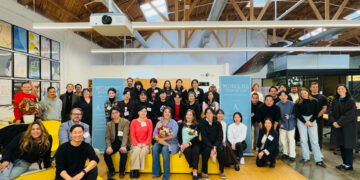
Last month I had a fireside chat with Tim Rowe, the founder and CEO of the Cambridge Innovation Center at the Global Venture Cafe’s anniversary celebration in Tokyo. And I thought I would share it with you just as it happened.  I first had Tim on the show about eight years ago, just before CIC opened their Big Tokyo collaboration space.

This time Tim and I talk about the changes to the Japanese startup ecosystem since then, what we are likely to see in the future, and we also discuss what might be a new model for startup ecosystems. As startups have become more and more accepted and more and more common. The old community playbook may not be as effective as it once was.

But Tim tells that story much better than I can. So, let’s get right to the interview.

Interview

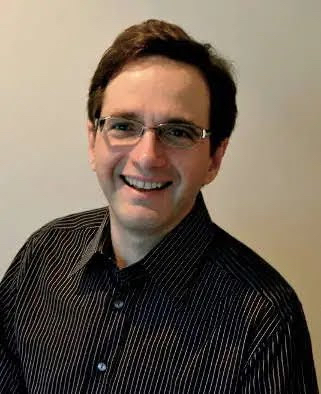
Tim Rowe, founder and CEO of the Cambridge Innovation Center      Source: Nishi – Nippon Railroad Co., Ltd. 

Romero: All right, Tim, it is great to be sitting down with you again. And as a bit of background for the audience. You and I back in 2017, we were sitting down over coffee in Tokyo and you were telling me about your plans to open Venture Cafe and CIC and I remember asking you like, how the hell are you going to fill 6,000 square meters of co-working space in Tokyo? And here we are. Venture Cafe is one of the driving forces in the startup ecosystem. CIC is over capacity. I have never been so delighted to have my doubts proven wrong, so congratulations on that.

Rowe: Thank you, Tim. Glad to be here.

Romero: Before we dig in, you’ve got ties to Japan. You’ve been working with Japan for a long time, so can you tell us a little bit about what was your involvement in Japan in the 90s and forward?

Rowe: Okay, so a bit of background. I’m from Cambridge, Massachusetts. My father was a professor at Harvard. My mother was a professor at MIT, so I’m one of those kids. And I was fortunate to be exposed a bit to the world. My grandmother had spent about a decade in Asia in the 1920s. And she used to teach me kanji when I was little. And so I didn’t know much about Asia, but I thought this was really interesting. And I learned later that my great-grandfather arrived in Yokohama in 1919. He was then acting Surgeon General for the United States. And he was on a world trip to kind of build connections and relationships. So, we go back a little ways in Asia. My father, when I was in high school, did something that I think all the parents in the room should do. He said, look you should learn a little bit about the rest of the world. And he said, if you learn Japanese, I’ll give you an opportunity to work in my company’s Tokyo office for the summer. And I said, okay, deal. And I started studying Japanese. I didn’t know the language at all, but it seemed like a cool opportunity. By the way, a generation later, I made the same offer to my oldest child. Actually, I made the offer to all my children, but my oldest child took me up and he came and worked in Tokyo also when he was 16.

Kihara-san, I understand that you did something similar. You were in school in Chicago and in Amsterdam when you were young. And clearly your English reflects that experience. I think all of us should have this opportunity to go out of our usual comfort zone and work in another country and learn about other cultures. But that’s my background. So, I did a year at Dosha University later as an exchange student from Amherst College. And then I was fortunate to get a job at Mitsubishi Research Institute Mitsubishi Soko for about four years after college. So, I’ve had time now and then in Japan.

Romero: Alright, well, things have changed a lot, both from the 90s when you were first here and in the past seven years or so with the Venture Cafe and CIC experience. So, before we get into the future of Japan, what sticks out as some of the most significant changes you’ve seen in the startup ecosystem over the last, say seven years?

Rowe: Japan as a country, and many of Japanese institutions have really gotten serious about startups I would say the last decade. I think the first wave was a lot of the Japanese corporations starting to really embrace working with startups. Before that it was almost impossible to work with a Japanese company as a startup. If you remember back 15, 20 years doing business in Japan is typically about your experience, your reputation as a business. And startups kind of by definition have none. And there was an awakening to the fact that, well, that’s true. Startups are new and don’t have this experience. They can also move faster and be agile and sometimes introduce new technologies that the larger companies have trouble introducing. We see this story in the automotive industry where Honda and General Motors and others could make an electric car, but they could never quite figure out how to make a market for electric cars. And then it took a startup Tesla to come in and say, okay, we’re going to really seriously make a market. And that happened and later others followed. So, there’s this recognition that I think emerged that startups can do things that companies, 10,000 times their size can’t. And that’s exciting. And so the doors started to open.

A visual representation of Japan’s evolving startup landscape — where collaboration between corporations and agile startups is becoming the new norm     Source: Envato

More recently, I think the Japanese government started to really lean in and say, how can we support? What can we do? How can we support this part of the economy? Hey Michael, how are you? We have an expert in the room. Michael Cusumano, professor at MIT who has been writing and teaching about this for decades longer than I have. So, later you should get a chance to hear from him on this.

(To be continued in Part 2)

In Part 2, we’ll dive deeper into the evolving startup ecosystem in Japan, including collaboration with Japanese companies and support from the government and universities.

[ This content is provided in partnership with Tokyo-based startup podcast Disrupting Japan. Please enjoy the podcast and the full transcript of this interview on Disrupting Japan’s website! ]

Top photo: Courtesy of Disrupting Japan


Click here for the Japanese version of the article

Tags: Cambridge Innovation CenterInnovationInterviewJ startupPodcastStartupsTokyoVenture Cafe Tokyo
Previous Post

INTERVIEW | When digital and physical worlds meet

Next Post

JStories launches “JStories on the streets,” a new video series spotlighting real voices and real solutions in Japan

DISRUPTING JAPAN/TIM ROMERO

DISRUPTING JAPAN/TIM ROMERO

Related Posts

Japan leads global collaboration to combat AI disinformation
AI

Japan leads global collaboration to combat AI disinformation

by Ayaka Sagasaki
03/16/2026
Deals

More than 700 startups to gather at SusHi Tech Tokyo 2026, Asia’s largest global innovation conference

by Toshi Maeda
02/20/2026
Anime

World-first “anime character-based therapy” trial to test effectiveness in Japanese young adults

by Lucas Maltzman
01/30/2026
Social Impact

From a childhood shaped by conflict to an investor bridging Japan and the world

by Ayaka Sagasaki
01/23/2026
Diversity

What happens when women’s ideas are finally taken seriously?

by HIROKO ISHII
12/12/2025
Next Post

JStories launches “JStories on the streets,” a new video series spotlighting real voices and real solutions in Japan

Leave a Reply Cancel reply

Your email address will not be published. Required fields are marked *

Videos

Round-Up Video #39

12/22/2022

Round-Up Video #38

12/15/2022

Harmonizing tradition and technology with immersive sound experience

07/19/2023

Browse by Tags

Ai Alternative Energy biotechnology Climate Change Community decarbonization Education Event Food foodtech Health Inclusion Infrastructure Innovation Interview J-Stories Japan Japan-Taiwan Innovation Summit Japan startups Japan Tech Labor Living Nature Podcast Recycling Refugees robotics Society Space Startup Startup Ecosystem Startups SusHI Tech Tokyo Sustainability Sustainable Society Taiwan Technology Tokyo Tokyo Innovation Base Tokyo Metropolitan Government Tokyo Updates venture capital video Wealth Zero Waste
JStories

©Articles and photos published on JSTORIES are protected by Japanese copyright law and international treaties. They cannot be reproduced without the permission of the copyright holders

Explore JStories

  • About Jstories
  • Company
  • Contact
  • Home
  • Partner Press Releases
  • Pricing
  • Privacy Policy
  • Team

Follow Us

Welcome Back!

Login to your account below

Forgotten Password?

Retrieve your password

Please enter your username or email address to reset your password.

Log In
No Result
View All Result
  • Home
  • AI
    • Artificial Intelligence
    • Robotics
    • Mobility
  • Earth
    • Energy
    • Climate Tech
    • AgriTech
    • Clean Tech
    • Disaster Tech
    • SpaceTech
  • Life Sciences
    • BioTech
    • HealthTech
    • MedTech
    • AgeTech
  • Society
    • Media
    • EdTech
    • Diversity
    • FemTech
    • HRTech
    • LegalTech
    • Social Impact
    • FinTech
    • Anime
  • Lifestyle
    • FoodTech
    • FashionTech
    • BeautyTech
    • Wellbeing
    • Art & Music
  • Travel
    • Adventure Travel
    • Luxury Travel
    • Wellness & Medical Tourism
    • Culture
  • Video
  • Deals
    • Venture Capital
    • M&A
    • Startup Events
    • Ecosystem Support
  • Interview
  • Opinion

©Articles and photos published on JSTORIES are protected by Japanese copyright law and international treaties. They cannot be reproduced without the permission of the copyright holders

Are you sure want to unlock this post?
Unlock left : 0
Are you sure want to cancel subscription?