


Tokyo Updates offers in-depth insights into the latest innovations, developments, and initiatives shaping Tokyo as a leading global city. JStories brings you solutions-focused content from Tokyo Updates, highlighting the creative solutions and groundbreaking efforts emerging from Tokyo.
SusHi Tech Tokyo 2025, an innovation and startup conference hosted by the Tokyo Metropolitan Government, was recently held from May 8 to 10. Among the many entrepreneurs and business leaders attending the conference was Happiest Baby, an American company that aims to support parents and infants with a pioneering smart sleeper.
Back to infant-care basics with high tech
In many countries—Japan among them—modern life comes with various freedoms, including being able to choose where to live and how to work, regardless of one’s gender. Although such freedoms have helped build diverse communities and workforces, they have also changed traditional child-rearing support systems, a phenomenon smart-tech and parenting solutions company Happiest Baby aims to address.
“Our goal is to help support parents to raise healthy, happy children,” says Harvey Karp, Happiest Baby’s CEO, co-founder, and chief medical officer. “That is a bit of a challenge these days, as parents don’t have the support systems that they used to have when they lived in a small village or lived with their families in a town.”
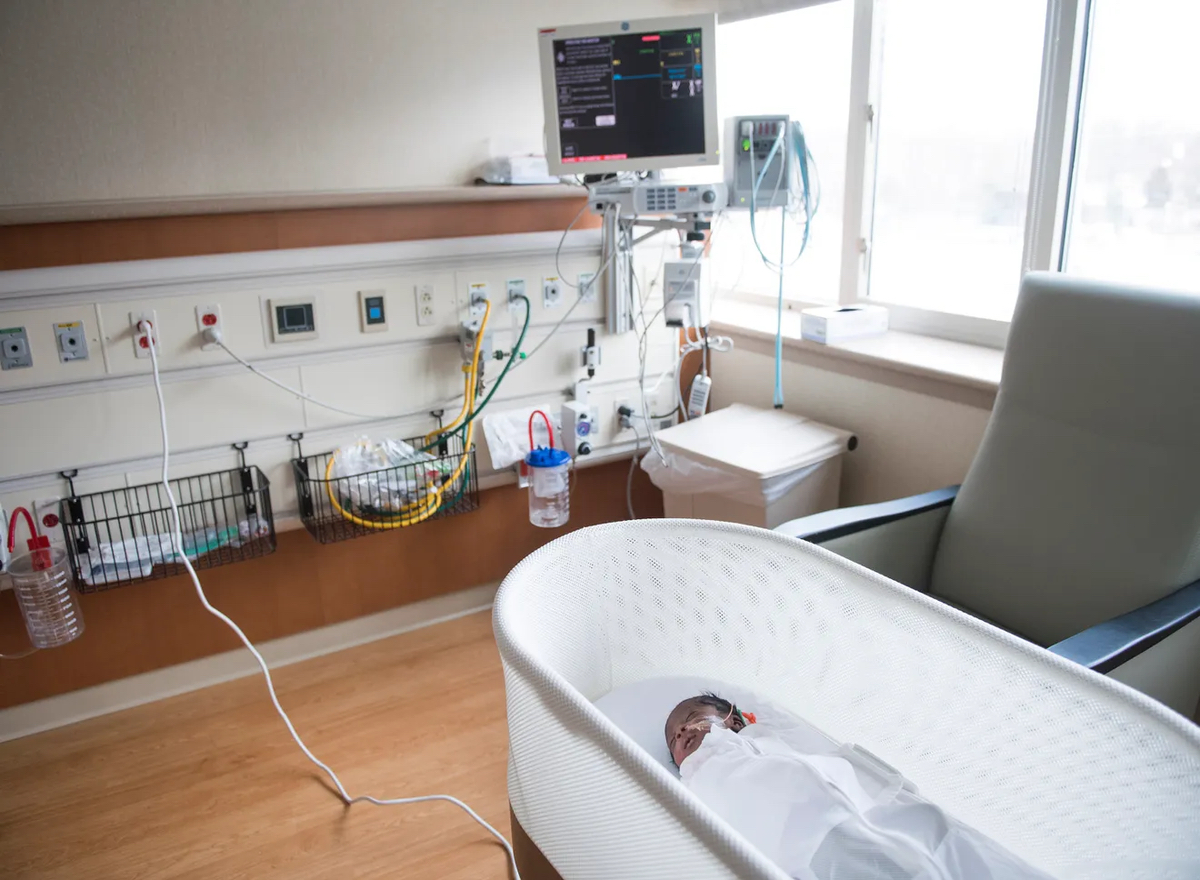
Facing financial and social pressure to return to work after having a child but without grandparents or others to share childcare duties, parents of infants may feel overwhelmed and exhausted. Happiest Baby’s key product, the SNOO Smart Sleeper Bassinet, is one way to help parents regain some of that lost support. SNOO helps babies zero to six months old sleep with gentle, algorithm-guided rocking and soothing by mimicking the movement and sounds of the womb. Happiest Baby states that SNOO adds one to two hours of sleep per night and prevents babies from rolling into a dangerous position. Automatic responses to the baby’s fussing and an app that provides parents with sleep reports are some of the bassinet’s high-tech features.
Karp explains that SNOO is a science-based approach to infant care that also corrects misconceptions about how newborns should sleep: “Inside the mother, babies are constantly held, they are constantly rocked. Every time the mother breathes, her diaphragm is rocking against the top of the uterus. The sound inside is as loud as a vacuum cleaner. So, actually, to put them in a dark, silent room on their back by themselves is the weirdest thing for babies—it is not at all what babies want.”
A product aligned with SusHi Tech Tokyo
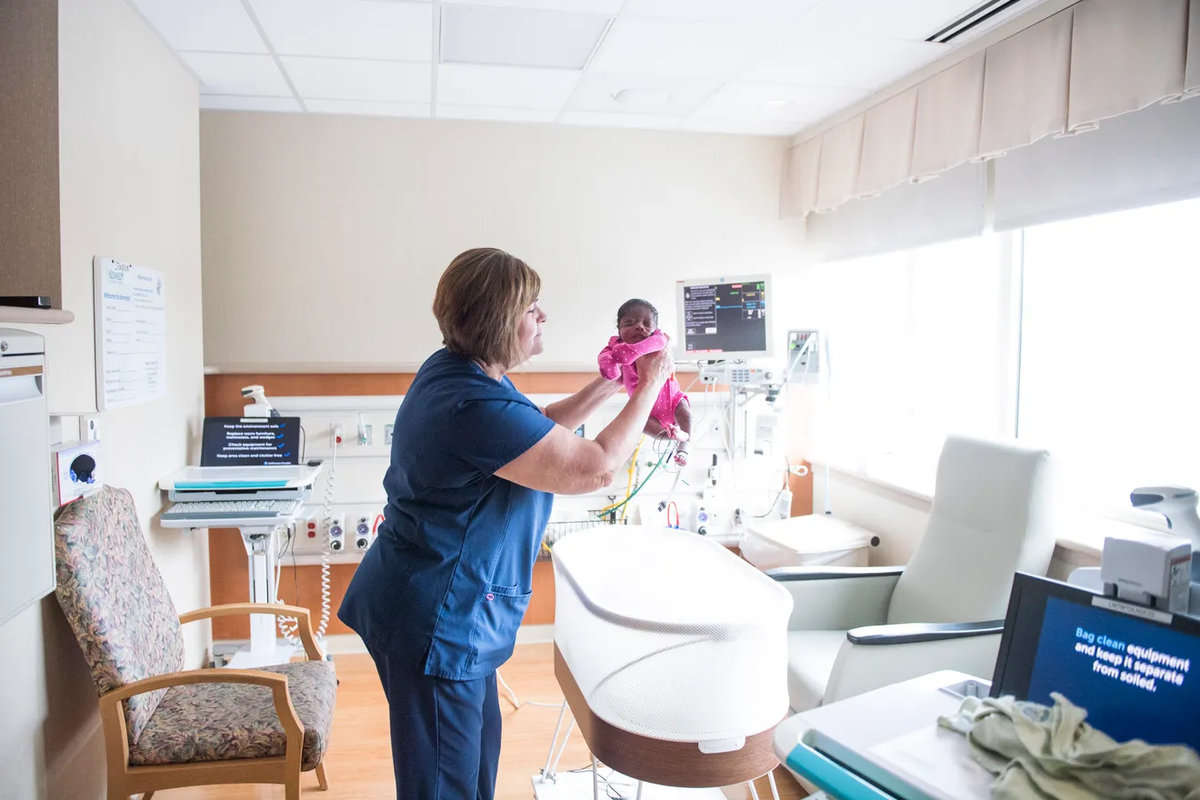
At SusHi Tech Tokyo 2025, Karp participated in a panel discussion on how startups can partner with municipalities to foster urban innovation. Aligning with the conference’s core theme of sustainable technology, he notes that SNOO’s reusability “was one of the things that I spoke of in our panel, because it is not just high-tech, it is sustainable as well. We use organic cotton, so we are reducing pesticide exposure for the farmers. Then we reuse these beds—it will probably end up being used 30 or 40 times—which dramatically reduces the cost.”
At the conference, Karp was also impressed by the entrepreneurial spirit of the Japanese people he met. “It takes courage to support innovation. You have to be willing to leave the old and jump into the new—and in traditional cultures, changing the way you do things is not easy,” he reflects.
Karp commends the Tokyo Metropolitan Government (TMG) for offering free universal daycare service from September 2025 and for offering flexible work schedules to TMG employees, initiatives aimed at supporting working parents and combatting population decline.
Although Japan is internationally known for facing issues related to its falling population, Karp says that also means countries experiencing similar trends, such as many European nations, are looking to Japan for solutions: “They are looking over their shoulders, realizing that in ten years they are going to be exactly where Tokyo is now, and they are looking for what can they learn from Tokyo to be able to handle these issues that are clearly coming toward them.”
SNOO is not yet available in Japan, but going forward Karp hopes to make the smart sleeper available for parents in Japan to rent through their employer, local government, or insurance provider. Supported by refurbishing centers—job creators in themselves—each SNOO could be reused many times throughout its lifecycle.
Supporting working women and hospitals
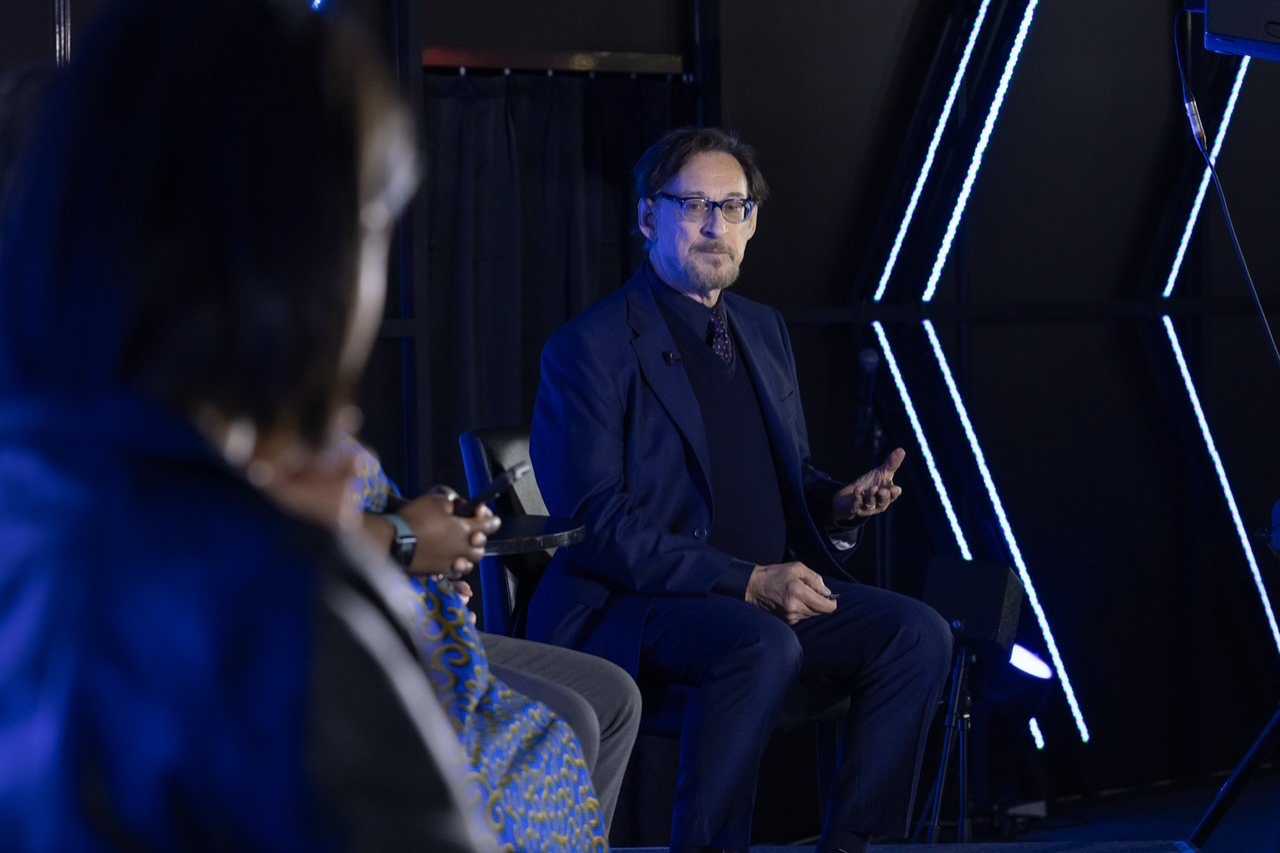
As SNOO is adopted by an increasing number of companies, governments, insurance providers, and hospitals around the world, its potential to have a positive impact on society grows.
In particular, Karp sees his product as a lifeline for working women, who in turn buttress society at large. “It is hard having kids in today’s society. Women need to work as the population goes down: Companies and society need women to work. We cannot afford to have them in the home for 15 years,” he says.
“We at Happiest Baby hope to reduce postpartum depression,” he adds. “Our internal data shows about a 70% reduction of maternal mental stress. As you would expect, if the baby is sleeping more and crying less and the mother has a SNOO to help her accomplish that, she is going to feel less stressed.”
Karp also hopes to provide SNOO to an increasing number of hospitals. “There is a nursing shortage all around the world,” he says. “We have already demonstrated in published studies that SNOO can reduce nurse labor by four to five hours per day in terms of helping take care of infants.”
With babies a perennial hot topic in Japan, it is likely that many of the SusHi Tech Tokyo 2025 participants were inspired by hearing from Karp about Happiest Baby’s innovative approach to infant care. “Everybody is fascinated by this issue. People are fascinated by babies. So many people came up and said, ‘Oh, I wish I had that,'” he recalls.
Harvey Karp

Happiest Baby

SusHi Tech Tokyo, short for Sustainable High City Tech Tokyo, is a Tokyo-based concept that aims to create sustainable new value by overcoming global urban challenges through cutting-edge technology, diverse ideas, and digital expertise. SusHi Tech Tokyo | Sustainable High City Tech Tokyo
Interview and writing by Annelise Giseburt
Photos courtesy of Happiest Baby
To read the original article and more stories about what Tokyo offers, please visit Tokyo Updates’ website.
Click here for the Japanese version of the article