

JSTORIES – From February 4th to 6th, the first large-scale startup conference in the region, “TechGALA,” was held at “STATION Ai,” a startup support facility in Nagoya City. It was organized by the “Central Japan Startup Ecosystem Consortium,” which consists of the Chubu Economic Federation, Nagoya University, Aichi Prefecture, Nagoya City, and Hamamatsu City in Shizuoka Prefecture.
Let me explain the background to TechGALA. In 2020, the Japanese government established a new system called “Global Startup Ecosystem Hub City” with the aim of creating a startup ecosystem that can compete globally. The goal is to accelerate innovation and enhance Japan’s international competitiveness by leveraging regional characteristics and strengthening the nurturing and support of startups.
Under this system, “global hub cities” and “promotion hub cities” are designated, and global hub cities receive government support such as financial assistance and deregulation in order to become international startup hubs.
Along with Tokyo, Kansai, Fukuoka, and Hokkaido, Nagoya and Hamamatsu were also designated as global hub cities. Taking this as an opportunity, Aichi Prefecture, Nagoya City, and Hamamatsu City collaborated to establish the “Central Japan Startup Ecosystem Consortium” in July 2020.
In the Tokai region, which includes Nagoya and Hamamatsu, it has become clear that the aim is to realize a “next-generation society” that promotes economic growth by leveraging the strengths of its manufacturing industry and concentration of basic research, and by creating startups. TechGALA can be said to be one of the events that embodies this activity.
Initially, the event was expected to attract around 5,000 participants from the Tokai region, the Tokyo metropolitan area, and overseas. However, due to increased participation from social media posts and other sources, the final attendance reached approximately 6,000. This is quite large for a first-time startup conference.
At the beginning of the event, Aichi Prefecture Governor Hideaki Omura, Nagoya City Mayor Ichiro Hirosawa, Chubu Economic Federation Chairman Akihisa Mizuno, and Nagoya University Tokai National University Organization President Seiichi Matsuo gave speeches. Following these, Hiromi Okuda, CEO of With Group and producer of TechGALA, spoke about the significance of TechGALA. Ms. Okuda has been involved in conference management and startup support for approximately 30 years.
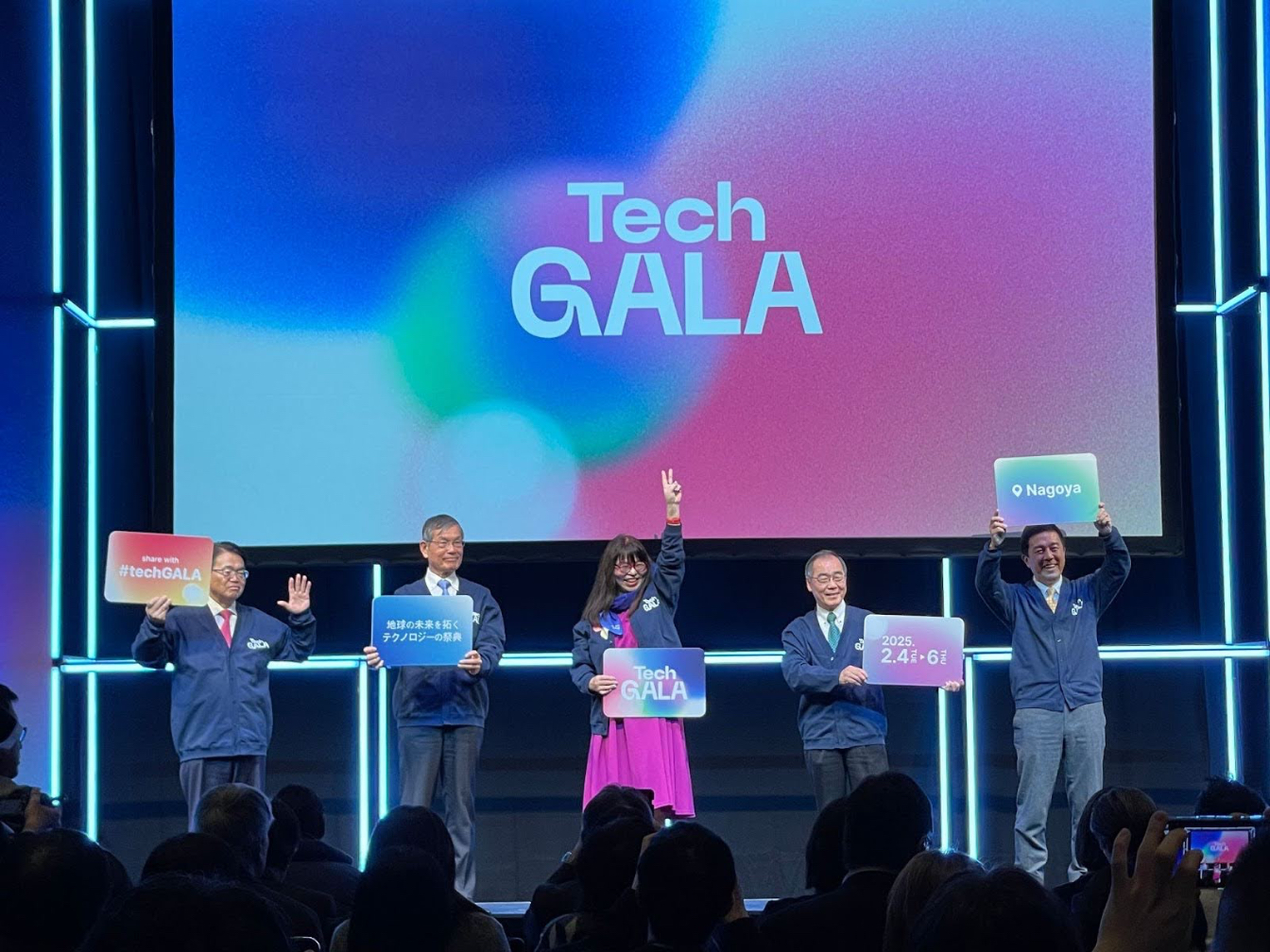
Okuda explained that the “GALA” in TechGALA not only means “party” in French, but also stands for Global, Alliance, Leadership, and Advancement. He said that in the future, he wants it to become an event like SXSW (South by Southwest) in the United States.
Three principles of treating business as a “game,” as told by the former Uber CEO.
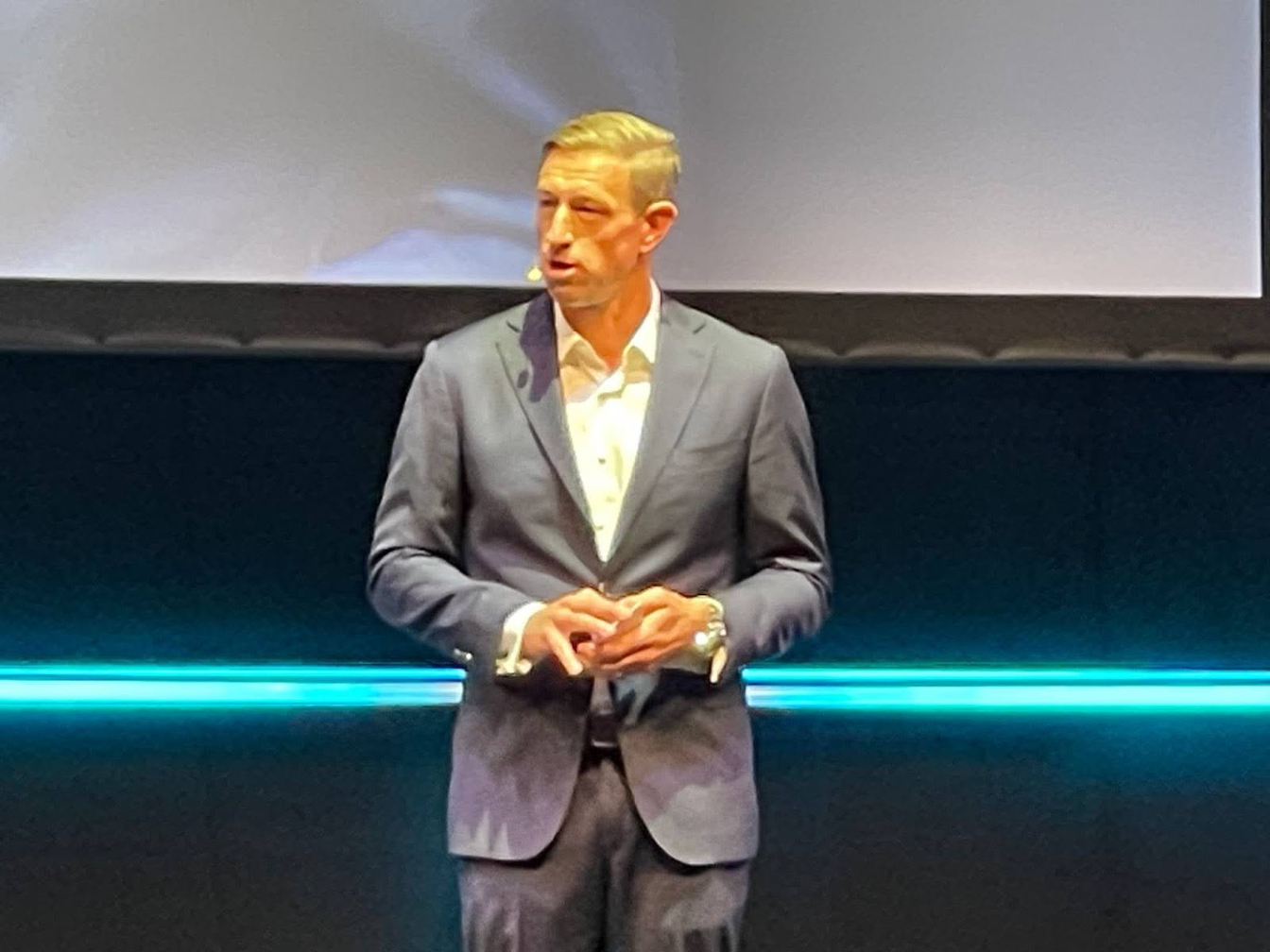
Following the opening remarks, the speaker for the keynote session was Ryan Graves, Uber’s first employee and former CEO and SVP of Global Operations. After leaving Uber, he moved his base of operations to Hawaii, where he serves on the boards of several startups and runs his own family office, Saltwater.
In his speech, Graves reflected on his time working with Uber co-founder Travis Kalanick. He described Kalanick as a “once-in-a-lifetime, once-in-a-generation entrepreneur,” and together they implemented a series of crucial reforms, including dealing with regulatory authorities, changing the company name to Uber by removing “cab,” and clarifying the pricing structure.
In the process, Graves sought new approaches to adapt to a rapidly changing environment. This led him to the idea of viewing business as a “game.” He defined a game as “a competitive activity conducted according to rules, where the outcome is determined by skill, strength, and luck,” and outlined three principles.

The first principle is “mental discipline.” Graves, who was strongly influenced by Stoic philosophy, which he studied in college, particularly Marcus Aurelius’s “Meditations,” emphasized the importance of preparing for the worst-case scenario. By doing so, he argued, it becomes possible to remain calm and make clear judgments even in critical situations.
Secondly, he cited “grasping the Big Picture.” He emphasized the importance of viewing individual situations from a broader perspective, much like a player in a board game. He suggested that by positioning oneself not as a piece but as a player, and by overseeing the overall strategy like a coach, more strategic and intentional decisions become possible.
The third principle is “rapid adaptation.” Graves used the analogy of a sailor to explain the importance of adapting to the environment rather than trying to change it. Just as a skilled sailor doesn’t try to change the wind or the sea conditions, but rather hones their skills to adapt to those conditions, he argues that adaptability to the environment is crucial in business as well.
“These principles directly relate to specific management challenges such as talent development, strategy formulation, and adapting to change. The essence of business lies in ‘people,’ and building resilient teams with the right mindset is essential. Furthermore, regardless of company size, a clear strategy based on an understanding of one’s own skills and products is necessary.”
Through his experience at Uber, Graves says he has come to the conviction that “change is inevitable and may be difficult to predict, but it is possible to prepare for and adapt.” From talent development to strategy formulation, startups face numerous challenges in the rapidly changing business environment, but preparation and adaptation seem to be the key to survival.
From Earth to the Moon and Mars, and from Africa to space colonization.
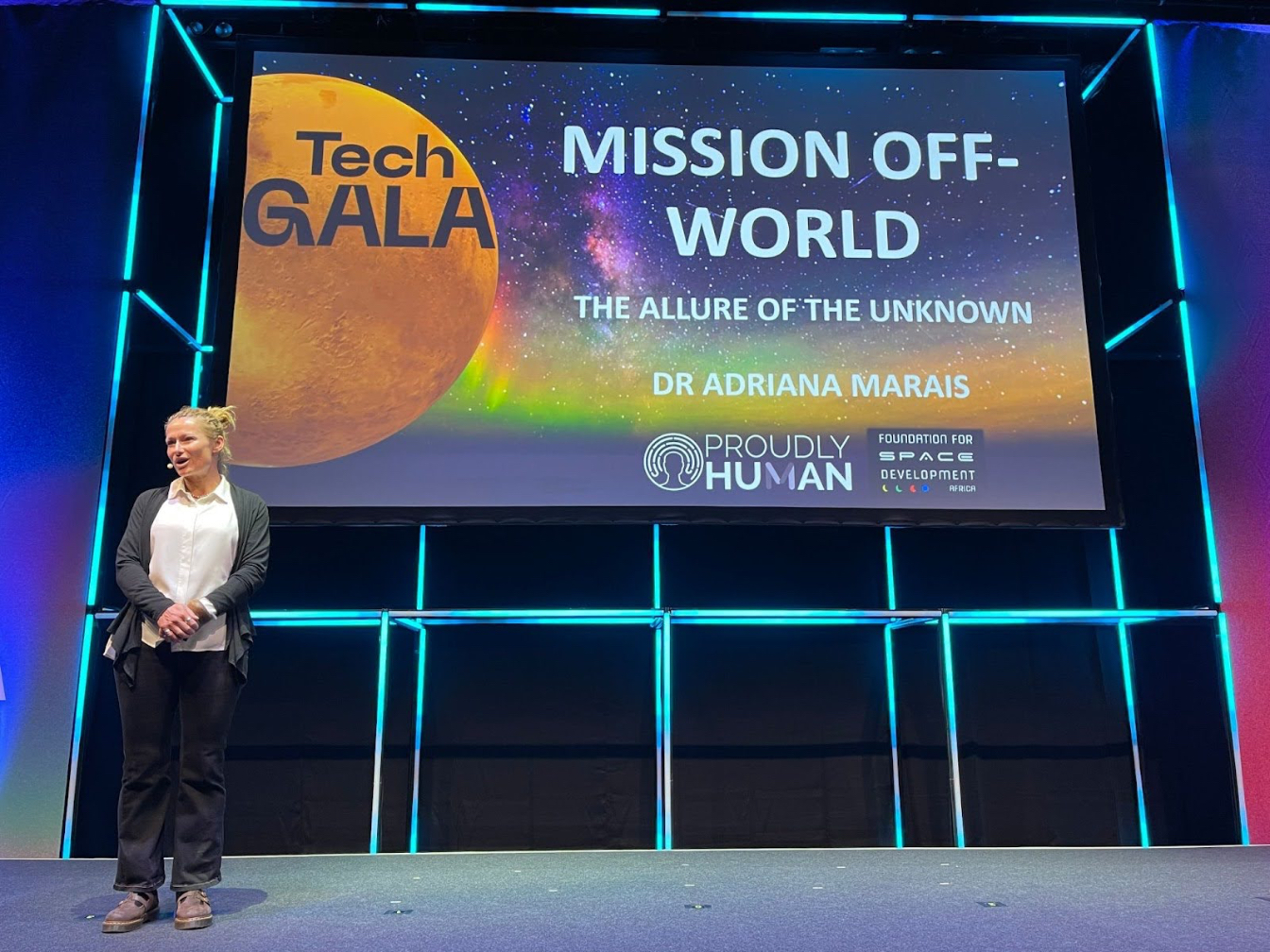
On the first day, in the final session, South African theoretical physicist and engineer Adriana Marais spoke about her vision for humanity becoming a multi-planetary species and her own work. She is the director of the Cape Town-based non-profit organization Foundation for Space Development and the leader of Africa2Moon , a crowdfunding project to send Africa’s first lunar probe .
“When you think about the unknown that is space exploration, it may seem frightening. But whether we stay on Earth or go to other planets, we face the unknown every day.”
In 1997, while still in high school, she created a model of a city on Mars using clay. Since then, she has been grappling with the big questions of whether life exists on Mars and whether humanity can establish a life on Mars.
In 2016, she was present when Elom Musk of SpaceX announced plans to develop a Mars transportation system in Guadalajara, Mexico. This announcement marked an unprecedented grand plan for a private company to venture onto Mars.
Later, Marais also witnessed SpaceX’s launch of private astronauts to the International Space Station in Florida. SpaceX has successfully established reusable rocket technology, significantly reducing launch costs.
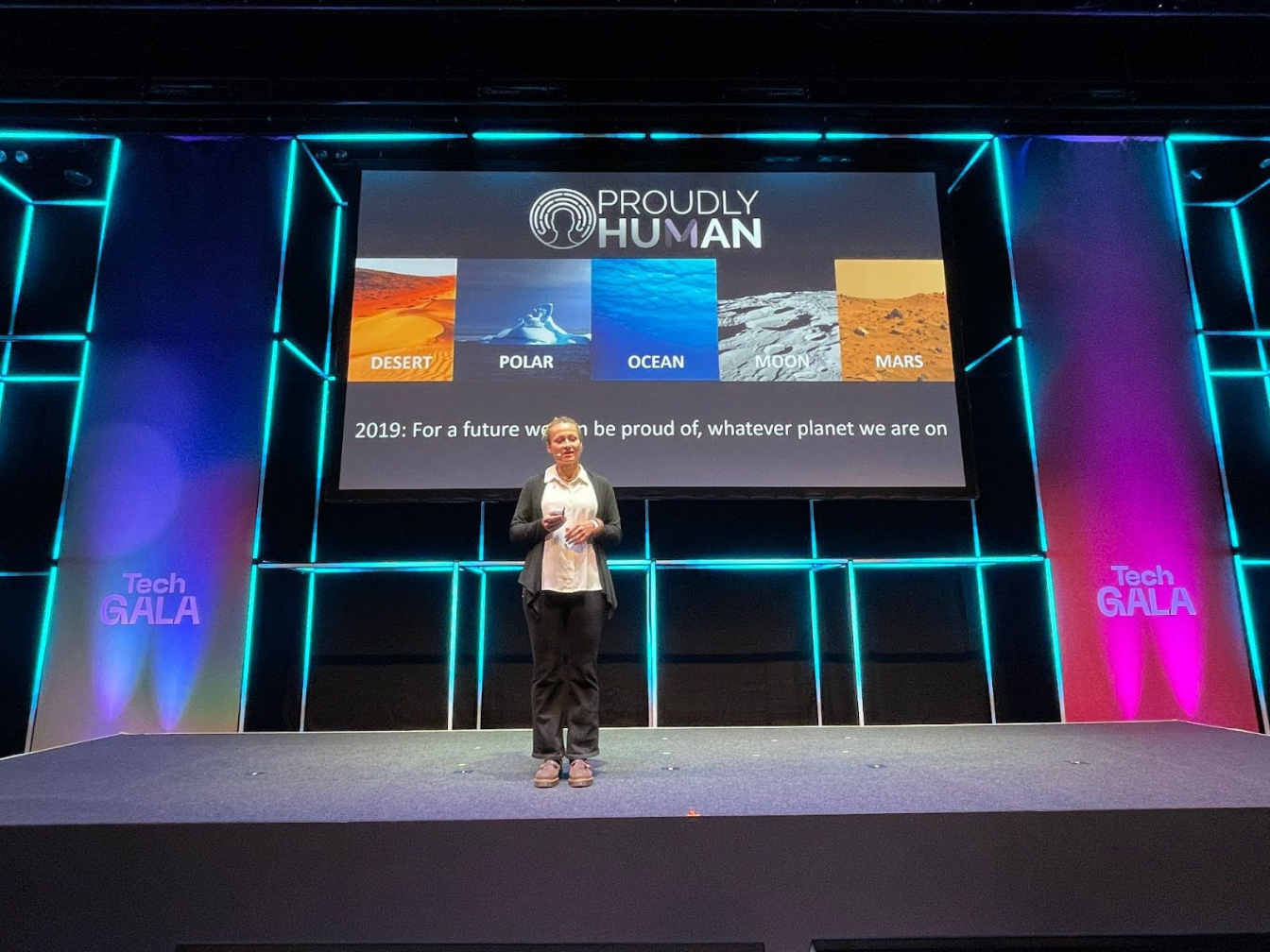
As preparation for realizing life on Mars, Marais has begun experiments in extreme environments on Earth. The Namibian desert is the oldest desert on Earth, and 55 million years ago it was the bottom of the sea. Currently, like Mars, it has abundant sunlight but limited water resources. Here, it is possible to experiment with solar power generation and efficient water management systems.
In Antarctica, where external access is difficult during winter, it is possible to conduct technical verification in a temperature environment close to that of Mars, with temperatures of -60 degrees Celsius. Also, at an underwater research facility in Florida, participants wore special suits and experienced life in a closed environment. In these environments, they are verifying infrastructure development such as electricity, water, food, and communication, as well as team management methods.
Marais also conducted a living experiment in Tsitsikama, South Africa, where there was no infrastructure. He carried approximately 2 tons of materials by hand over a distance of 1.2 kilometers with an elevation difference of 300 meters, and spent 300 hours constructing a hut. For six months, he practiced living with limited resources, including heating and hot water using gas and firewood, utilizing rainwater, and securing means of communication.
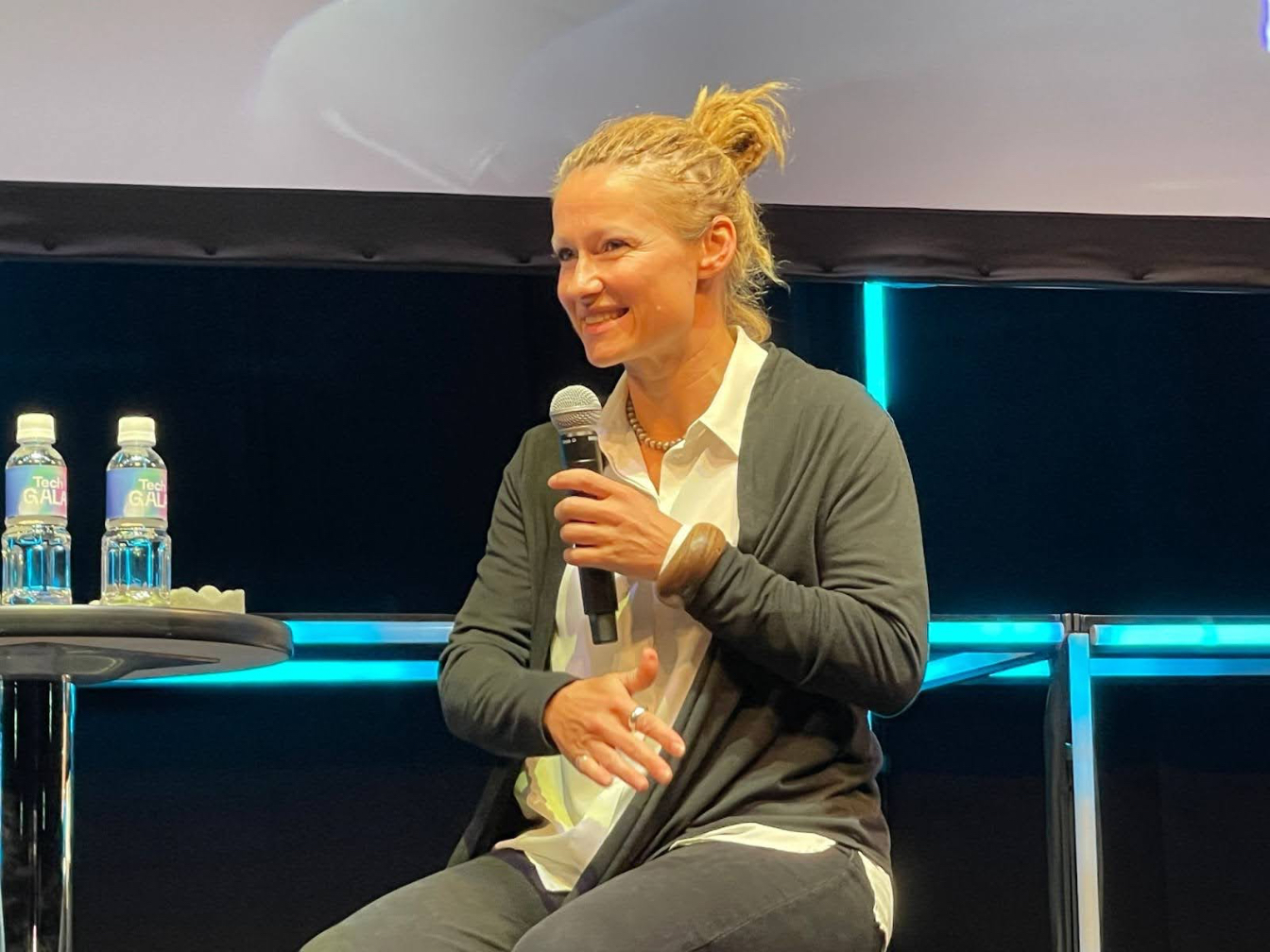
Marais is currently developing a new lunar telescope design, inspired by the Square Kilometer Array , the world’s largest radio telescope built in Australia and South Africa . This telescope aims to observe in the 0-10 megahertz frequency range, which is blocked by Earth’s atmosphere.
The child population in Africa is expected to reach 1 billion by 2055. Through the “Africa2Moon” project, Marais hopes to provide young people in Africa with opportunities to participate in space development and become drivers of technological innovation. He also emphasized the importance of creating a shared future for humanity through the goal of space.
“We are not passengers of the spaceship ‘Earth,’ but crew members.”
Over 400 speakers, over 100 main sessions, and over 90 side events.
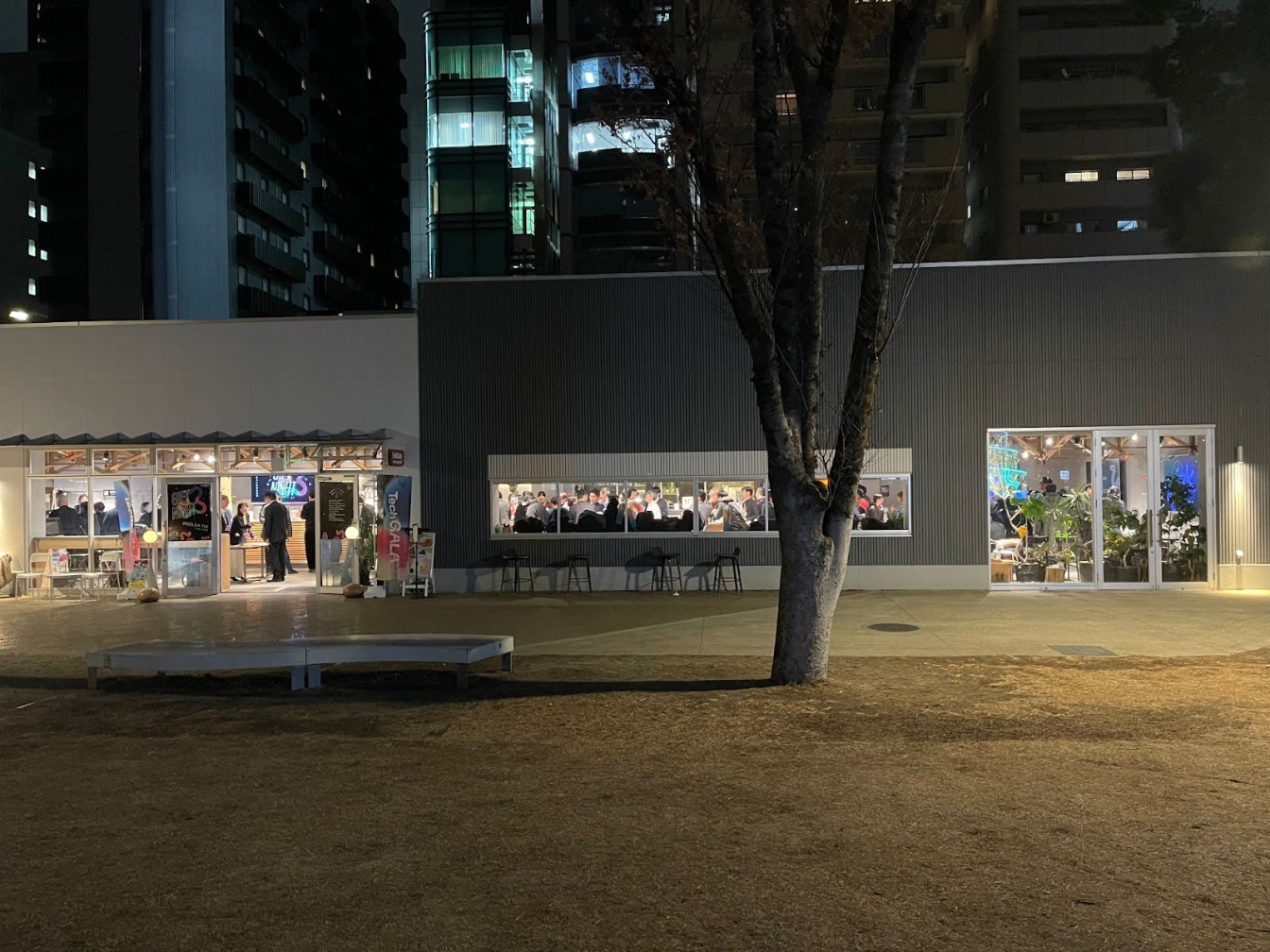
Despite being its first iteration, TechGALA boasted a remarkable number of main sessions, exceeding 100. Furthermore, over 90 side events were held throughout the city after the main sessions concluded. Including unofficial side events, the total number likely surpassed 100.
This is because TechGALA not only deepened its knowledge and allowed startups to promote their products and services, but also placed importance on creating an environment where even players in the ecosystem who have no direct vested interests could deepen their relationships with one another. Apparently, events organized by sauna and jogging enthusiasts were also held there.
That day, Nagoya experienced the coldest temperatures of the winter so far, and even snow began to fall lightly during the night. Nevertheless, the enthusiastic and passionate discussions among entrepreneurs continued late into the night in various locations throughout the city.
Article by: Masaru Ikeda
Edited by: Katsuro Kitamatsu
Top photo: J-STORIES (Masaru Ikeda)
The English version of this article can be viewed here .