
• Login
Upgrade
JStories
  • 日本語
  • 中文 (中国)
No Result
View All Result
  • Home
  • AI
    • Artificial Intelligence
    • Robotics
    • Mobility
  • Earth
    • Energy
    • Climate Tech
    • AgriTech
    • Clean Tech
    • Disaster Tech
    • SpaceTech
  • Life Sciences
    • BioTech
    • HealthTech
    • MedTech
    • AgeTech
  • Society
    • Media
    • EdTech
    • Diversity
    • FemTech
    • HRTech
    • LegalTech
    • Social Impact
    • FinTech
    • Anime
  • Lifestyle
    • FoodTech
    • FashionTech
    • BeautyTech
    • Wellbeing
    • Art & Music
  • Travel
    • Adventure Travel
    • Luxury Travel
    • Wellness & Medical Tourism
    • Culture
  • Video
  • Deals
    • Venture Capital
    • M&A
    • Startup Events
    • Pitch
    • Ecosystem Support
  • Interview
  • Opinion
  • Home
  • AI
    • Artificial Intelligence
    • Robotics
    • Mobility
  • Earth
    • Energy
    • Climate Tech
    • AgriTech
    • Clean Tech
    • Disaster Tech
    • SpaceTech
  • Life Sciences
    • BioTech
    • HealthTech
    • MedTech
    • AgeTech
  • Society
    • Media
    • EdTech
    • Diversity
    • FemTech
    • HRTech
    • LegalTech
    • Social Impact
    • FinTech
    • Anime
  • Lifestyle
    • FoodTech
    • FashionTech
    • BeautyTech
    • Wellbeing
    • Art & Music
  • Travel
    • Adventure Travel
    • Luxury Travel
    • Wellness & Medical Tourism
    • Culture
  • Video
  • Deals
    • Venture Capital
    • M&A
    • Startup Events
    • Pitch
    • Ecosystem Support
  • Interview
  • Opinion
en English ja 日本語 zh 中文 (中国)
JStories
No Result
View All Result

Bringing Tokyo’s traditional crafts into the 21st century

Takanori Isshiki by Takanori Isshiki
06/28/2024
in Art & Music, Deals, Ecosystem Support, FashionTech, Lifestyle, Media, Social Impact, Society
0
Home Lifestyle Art & Music
Share on FacebookShare on Twitter

J-STORIES – Japan’s traditional crafts, a rich repository of centuries-old skills and techniques, are popular with overseas visitors and a symbol of Japan. At the same time, however, they are endangered by sluggish sales and a lack of young people willing to take over existing businesses. Sales of traditional craft goods in Japan peaked at 500 billion yen in 1990 and by 2016 had fallen below 100 billion yen. The number of craftspeople meanwhile has also fallen steadily.

To help these Tokyo craft traditions survive, the industry is working to adapt them for modern lifestyles, producing new designs, yet preserving ancient skills and techniques. To this end, it is promoting them both at home and abroad as a “Tokyo brand.”

Launched by the Tokyo Metropolitan Government, which defines traditional crafts as precious assets and as “treasures” of Tokyo, this initiative has been named the Edo Kirari Project. It aims not only to protect skills and expertise, but also to encourage people at home and abroad to actually use traditional craft products in their daily lives. It hopes to establish traditional crafts as a “practical brand.”

The Amazing Edo Tokyo exhibition      Photos by J-Stories (Emi Takahata)  

The concept behind the project is “old meets new,” with selected businesses over 100 years old taking on the challenge of adapting their traditional skills and techniques to modern lifestyles. The Tokyo Metropolitan Government and private companies are supporting this initiative by organizing exhibitions and promoting traditional goods to tourists and others on social media.

At the Amazing Edo Tokyo exhibition, eight businesses presented traditional craft goods from the Tokyo region, including Edo woodblock prints, Edo-kiriko cut glass and Edo fans. The wide range of goods on show updated centuries-old craftsmanship with contemporary designs for modern lifestyles.
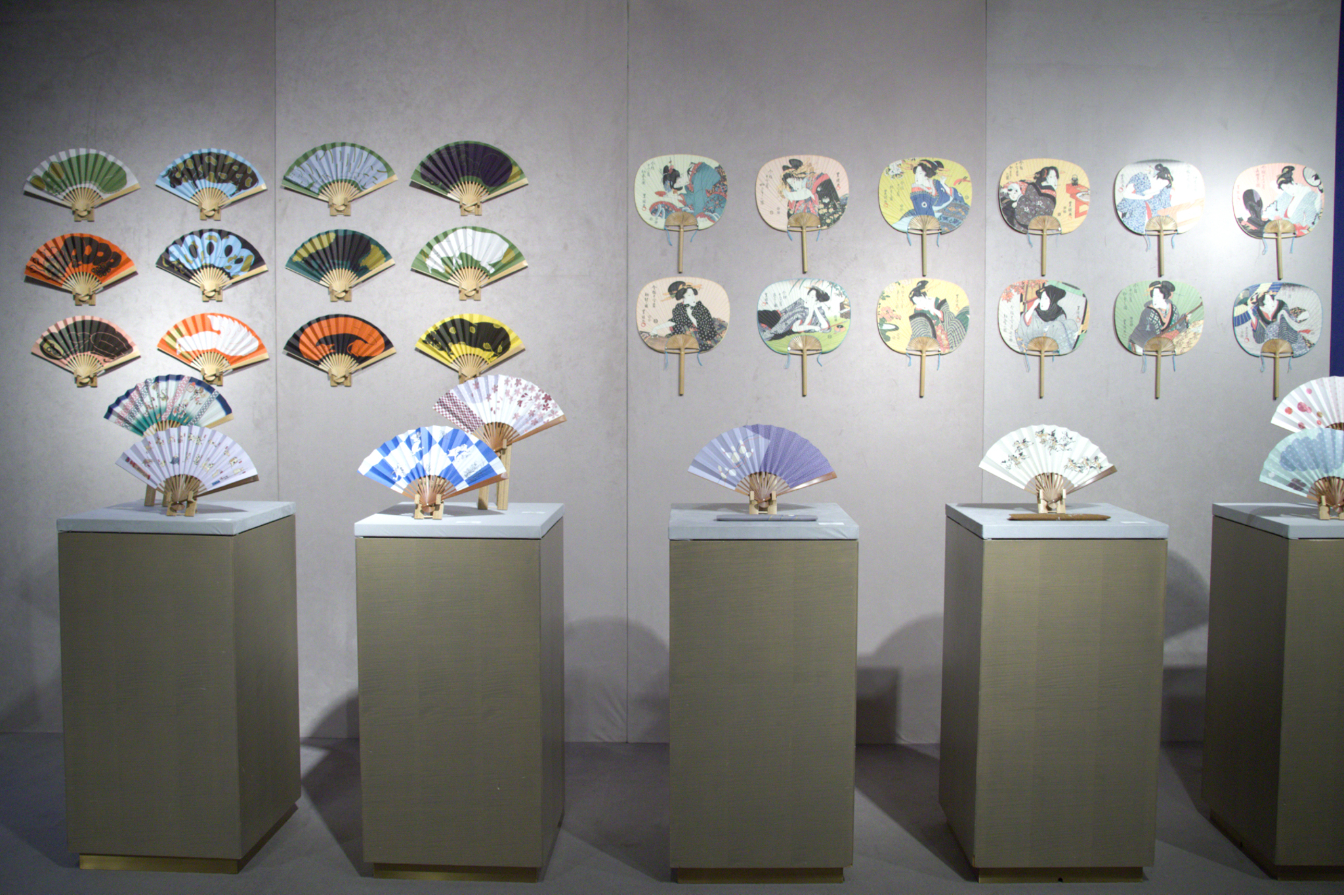
Edo fans created by Ibasen, a business that was founded in 1590.     Photos by J-Stories (Emi Takahata) 

For example, Kimoto Glass Tokyo presented examples of Edo-kiriko, a type of traditional cut glass from Tokyo with highly intricate geometrical designs. Traditionally, kiriko features red or blue glass overlaid with fine crossing lines, but the company showed a number of modern designs with straight stripe patterns in black, which are difficult to cut and require advanced techniques. Such innovative products are a popular purchase for overseas visitors who look for modern and practical designs to match Western living spaces.

Black Edo-kiriko glasses by Kimoto Glass Tokyo.     Photos by J-Stories (Emi Takahata) 

Takahashi Kobo has been making ukiyo-e woodblock prints for over 160 years, using techniques and materials that have an over 400-year history in Tokyo and other parts of Japan. Previously, the company has made contemporary woodblock prints featuring anime characters such as Ultraman. But for this exhibition it featured picture scrolls with designs by contemporary illustrators. These featured scenes from Western fairy tales such as “Pinocchio” and “Little Red Riding Hood,” as well as pictures of items from the Shoso-in, the treasure house of Todai-ji temple in Nara.

Yukiko Takahashi, the sixth-generation head of the company, says that the company’s techniques and materials have remained the same for 100 years.
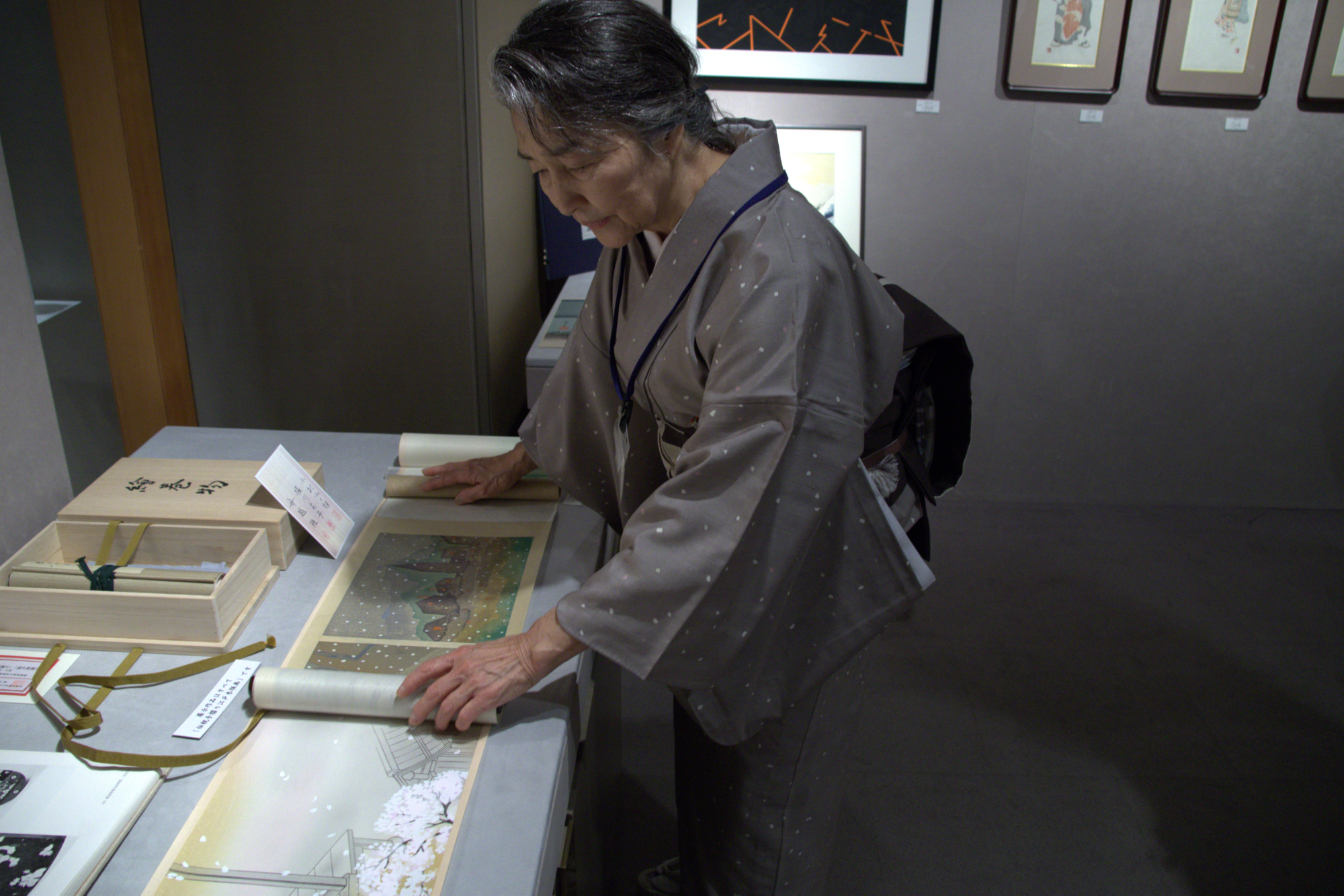
Yukiko Takahashi, the sixth-generation head of the company, says that the company’s techniques and materials have remained the same for 100 years.     Photos by J-Stories (Emi Takahata) 

The Edo Tokyo Kirari Project is also actively working to create completely new craft works through collaboration between different industries.
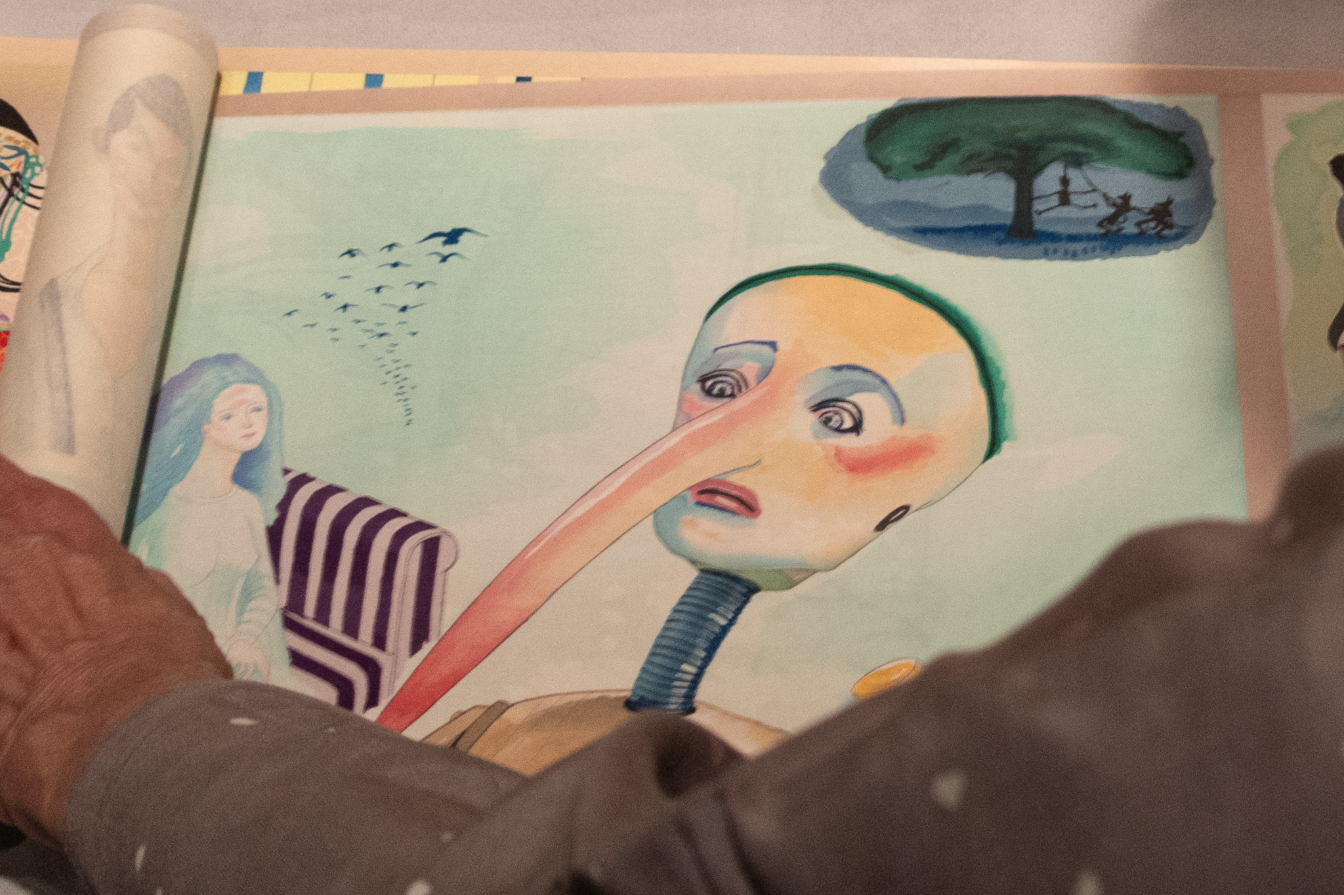
A woodblock print based on the “Pinocchio” fairy tale.     Photos by J-Stories (Emi Takahata) 

Nakamura Inc. started out as a kimono dyeing company based in the Kanda district of Tokyo from 1923 to 2006, before relaunching as a noren split-curtain maker. For the exhibition, it collaborated with interior art design company Carre Moji to produce a noren curtain with a kanji character reading “to fly.” The curtain was produced using traditional kimono dyeing techniques.
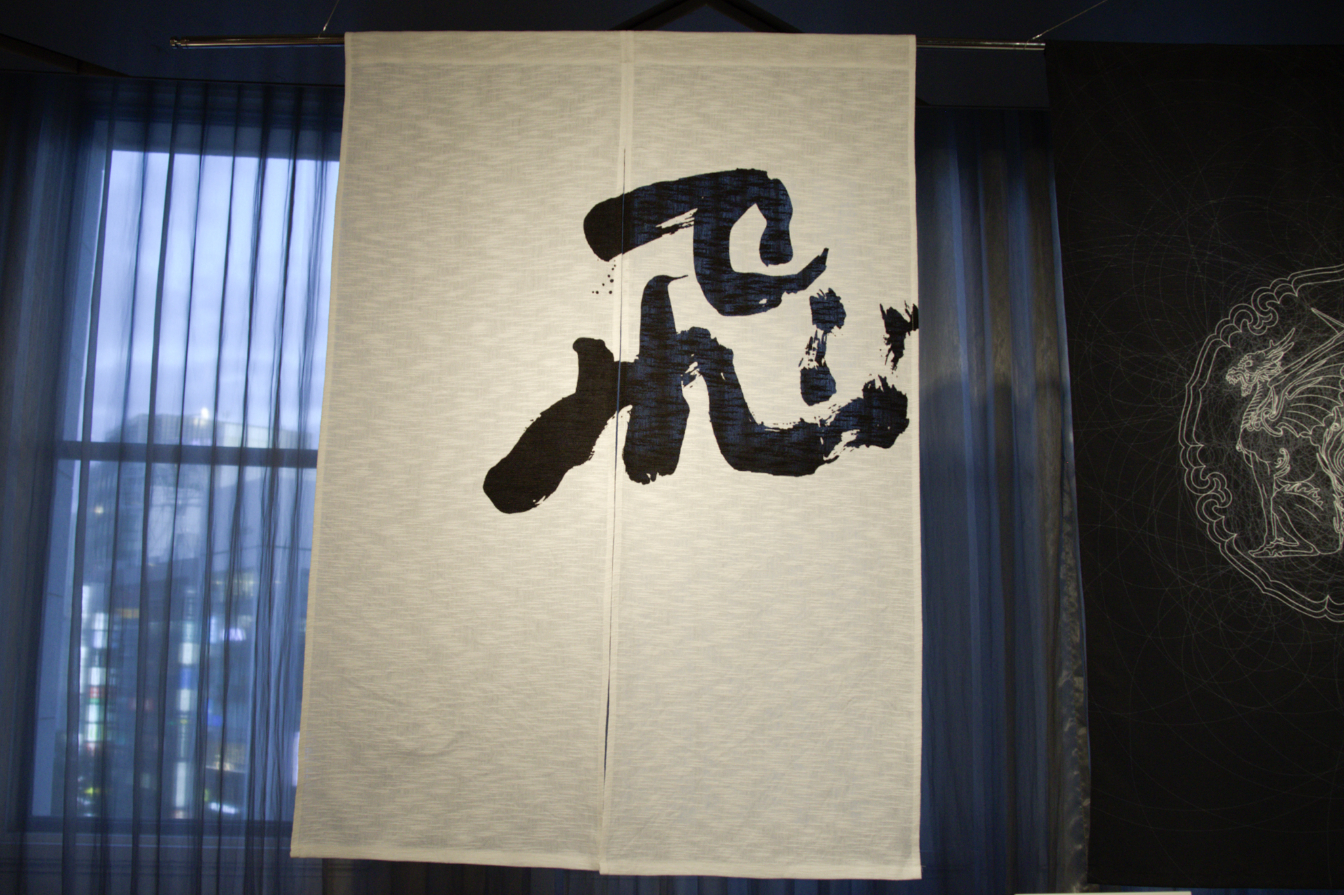
The kanji character on the curtain reads “to fly.”    Photos by J-Stories (Emi Takahata) 

Ryukobo, a long-established workshop that produces colorful kumihimo braided cords for kimono belts and other items, collaborated with Tsuchiya Kaban, which produces leather goods such as school satchels. The item they exhibited was titled the Japan Motif Kumihimo Bag.

The Japan Motif Kumihimo Bag.     Photos by J-Stories (Emi Takahata) 

This is not the first time that Ryukobo has ventured beyond the conventional boundaries of traditional crafts, having undertaken work using braided cords for well-established French fashion houses.

Ryuta Fukuda, who is responsible for new business development at the company, told J-Stories that this was due to the company’s “impatience” at the decline of traditional crafts in Japan and the shortage of people to continue businesses.
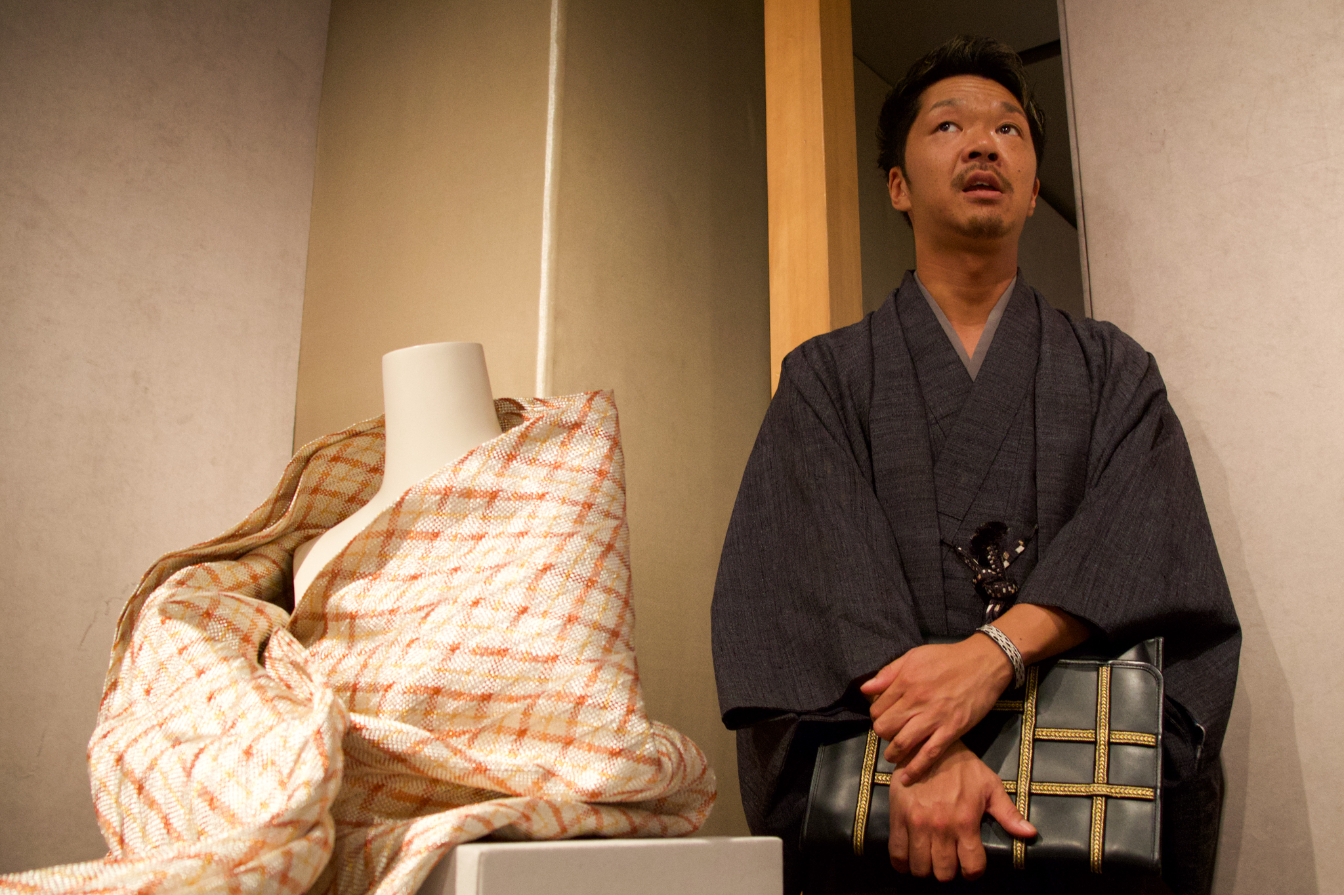
Ryuta Fukuda of braided cord maker Ryukobo, who says they are “both artists and craftspeople.”     Photos by J-Stories (Emi Takahata) 

“We are simultaneously artists and craftspeople,” says Fukuda. “We have to do it all, whether mass-produced items or one-off artworks, in order to survive. Even if we change the mode of expression, we will try to preserve our techniques.”

Keiko Fukuzawa, head of the Tokyo Metropolitan Government’s Department for Industrial Policy, which organized the event, pointed to the significance of it being held in Ginza, a place she describes as the center of Tokyo culture and an ideal location to promote traditional crafts as a “Tokyo brand.”
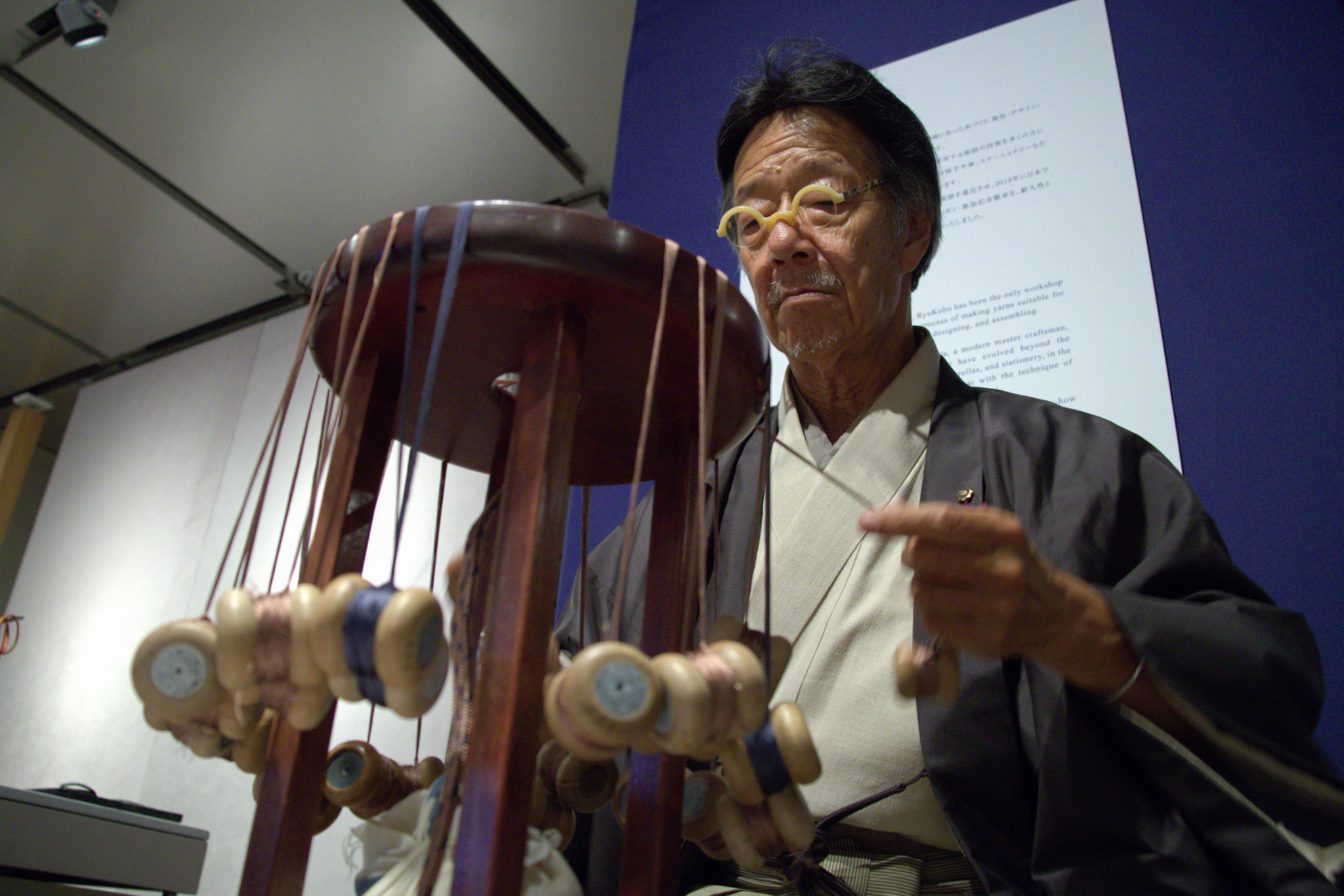
Takashi Fukuda of Ryukobo demonstrates how to make kumihimo braided cords.     Photos by J-Stories (Emi Takahata) 

Fukuzawa says that although traditional crafts have an image of being “old” and restricted by fixed ideas, in fact there are many products that can be brought into modern lifestyles. She would like more people to “know them, see them up close and use them to add color to their lives.”

And for all the popularity of such modern takes on traditional crafts as record numbers of visitors come to Japan from overseas, she would also like more Japanese people to appreciate them and help revitalize an industry that is struggling with a lack of successors.
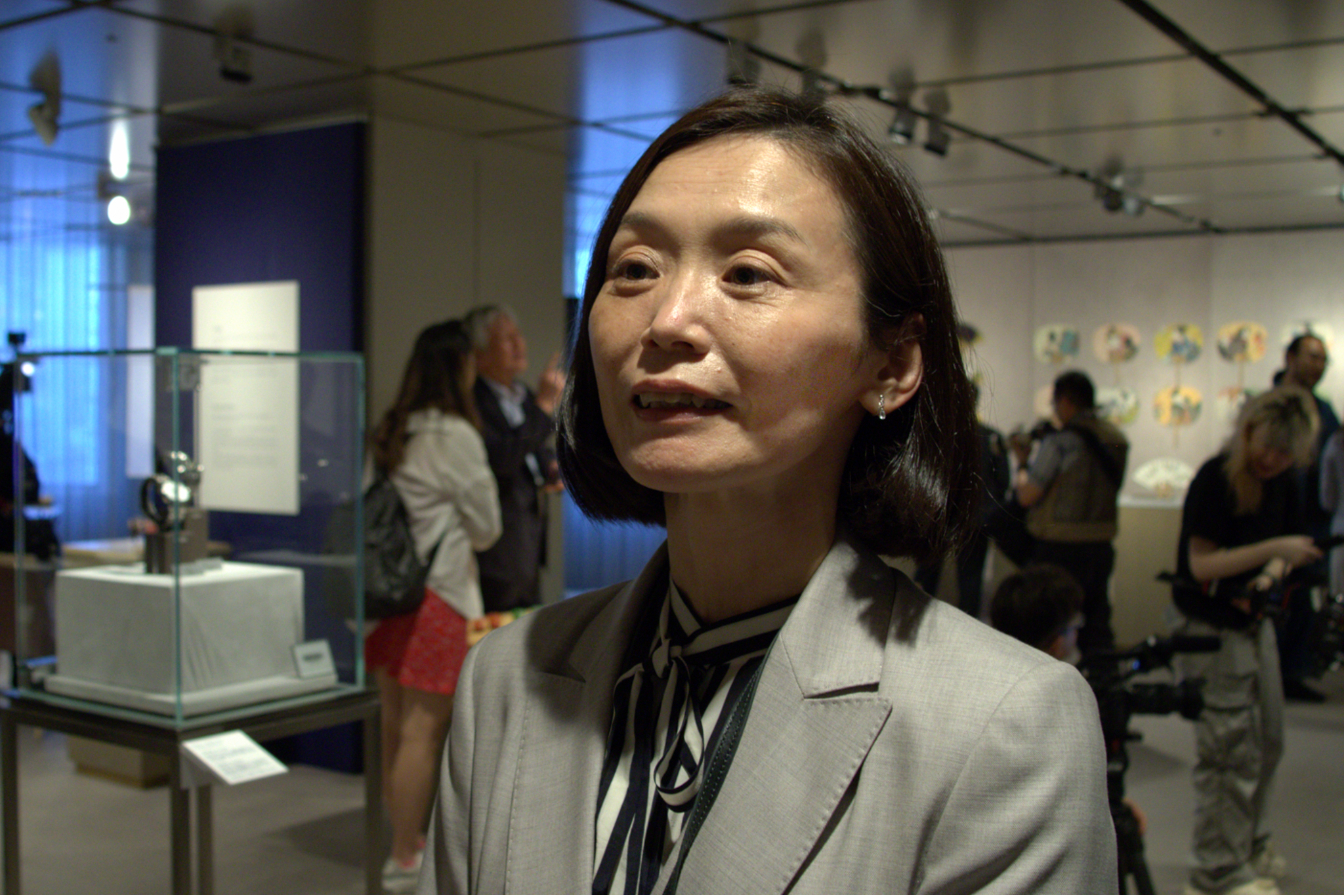
Keiko Fukuzawa of the Tokyo Metropolitan Government wants both foreign visitors and people in Japan to appreciate traditional crafts.     Photos by J-Stories (Emi Takahata) 

“There are things that first become popular overseas that are popular in Japan, and it is easy to assume that things sold abroad are good. But there are many traditional crafts with wonderful potential without waiting for that,” she says.

“Younger people sometimes tell me that they can’t imagine making a living from these industries. But if they actually held traditional crafts in their hands, they would feel the pleasure of making things. I would love them to try making things!”

Translation by Tony McNicol

Top page photo by Emi Takahata

Top page video by Adelina Vancea

For inquiries about this article, please contact jstories@pacficbridge.jp


Click here for the Japanese version of the article

Tags: CraftsmanshipCultural HeritageEdo Tokyo Kirari ProjectEdo-kirikoGinzaKumihimoModern DesignTokyo Metropolitan GovernmentTraditional CraftsUkiyo-e
Previous Post

AI water circulation system replaces water pipes in post-disaster situations

Next Post

Evolving electric wheelchairs: From welfare equipment to personal mobility

Takanori Isshiki

Takanori Isshiki

Related Posts

Japan leads global collaboration to combat AI disinformation
AI

Japan leads global collaboration to combat AI disinformation

by Ayaka Sagasaki
03/16/2026
Starting a sustainable wood-fired bakery in Tokyo
FoodTech

Starting a sustainable wood-fired bakery in Tokyo

by Tokyo Updates
03/05/2026
Deals

More than 700 startups to gather at SusHi Tech Tokyo 2026, Asia’s largest global innovation conference

by Toshi Maeda
02/20/2026
Anime

World-first “anime character-based therapy” trial to test effectiveness in Japanese young adults

by Lucas Maltzman
01/30/2026
Lifestyle

The plush toy hospital keeping childhood memories alive

by Tokyo Updates
01/30/2026
Next Post

Evolving electric wheelchairs: From welfare equipment to personal mobility

Leave a Reply Cancel reply

Your email address will not be published. Required fields are marked *

Videos

Round-up Video #28

09/29/2022

Round-Up Video #35

11/24/2022

Round-Up Video #31

10/27/2022

Browse by Tags

Ai Alternative Energy biotechnology Climate Change Community decarbonization Education Event Food foodtech Health Inclusion Infrastructure Innovation Interview J-Stories Japan Japan-Taiwan Innovation Summit Japan startups Japan Tech Labor Living Nature Podcast Recycling Refugees robotics Society Space Startup Startup Ecosystem Startups SusHI Tech Tokyo Sustainability Sustainable Society Taiwan Technology Tokyo Tokyo Innovation Base Tokyo Metropolitan Government Tokyo Updates venture capital video Wealth Zero Waste
JStories

©Articles and photos published on JSTORIES are protected by Japanese copyright law and international treaties. They cannot be reproduced without the permission of the copyright holders

Explore JStories

  • About Jstories
  • Company
  • Contact
  • Home
  • Partner Press Releases
  • Pricing
  • Privacy Policy
  • Team

Follow Us

Welcome Back!

Login to your account below

Forgotten Password?

Retrieve your password

Please enter your username or email address to reset your password.

Log In
No Result
View All Result
  • Home
  • AI
    • Artificial Intelligence
    • Robotics
    • Mobility
  • Earth
    • Energy
    • Climate Tech
    • AgriTech
    • Clean Tech
    • Disaster Tech
    • SpaceTech
  • Life Sciences
    • BioTech
    • HealthTech
    • MedTech
    • AgeTech
  • Society
    • Media
    • EdTech
    • Diversity
    • FemTech
    • HRTech
    • LegalTech
    • Social Impact
    • FinTech
    • Anime
  • Lifestyle
    • FoodTech
    • FashionTech
    • BeautyTech
    • Wellbeing
    • Art & Music
  • Travel
    • Adventure Travel
    • Luxury Travel
    • Wellness & Medical Tourism
    • Culture
  • Video
  • Deals
    • Venture Capital
    • M&A
    • Startup Events
    • Ecosystem Support
  • Interview
  • Opinion

©Articles and photos published on JSTORIES are protected by Japanese copyright law and international treaties. They cannot be reproduced without the permission of the copyright holders

Are you sure want to unlock this post?
Unlock left : 0
Are you sure want to cancel subscription?