


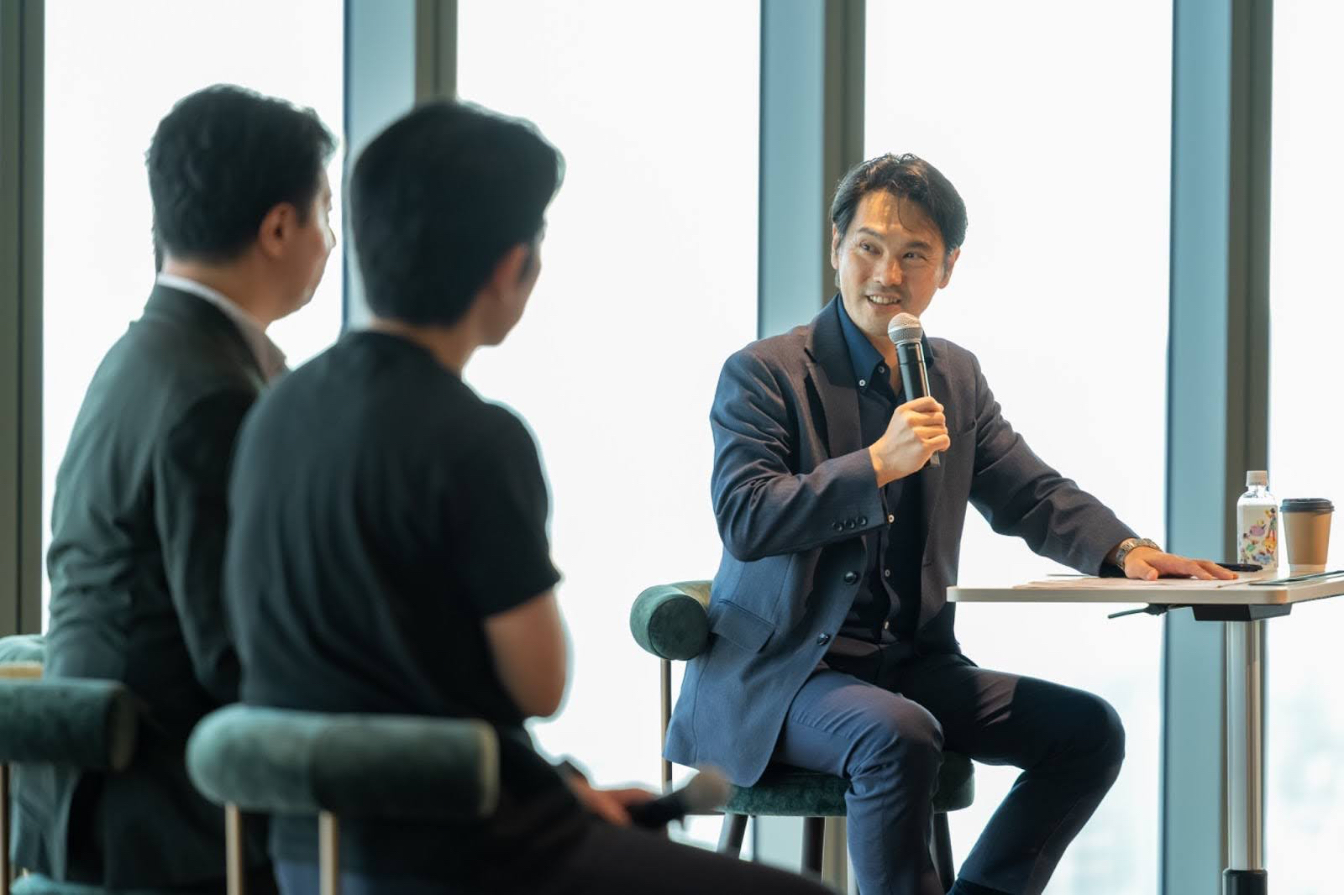
JSTORIES — As Japanese companies accelerate overseas expansion and cross-border mergers and acquisitions, interest in the U.S. market continues to grow — despite political uncertainties under “Trump 2.0.” At a global business seminar held in Tokyo last month, legal, financial, and M&A professionals shared hands-on strategies for navigating U.S. trade policies, integration pitfalls, and governance challenges. The discussion offered valuable insights not only for major corporations but also for startups preparing for their first overseas ventures. (The session was moderated by JStories Executive Editor Toshi Maeda.)
Japanese investment in US grows despite tariff concerns
According to M&A research data, Japanese companies participated in more than 4,700 M&A deals last year — an all-time high. Outbound M&A, in which Japanese firms acquire foreign companies, rose 13% by value.
A private survey conducted in April found that 1 in 4 Japanese companies selected the United States as their preferred destination for overseas expansion, far exceeding China’s 14%.
“M&A slowed briefly due to Trump-era tariffs and concerns about the Committee on Foreign Investment in the United States,” said Mikiharu Mori, managing partner at Tokyo International Law Office. “But we’re now seeing companies sidestep tariff issues through direct local investment.”
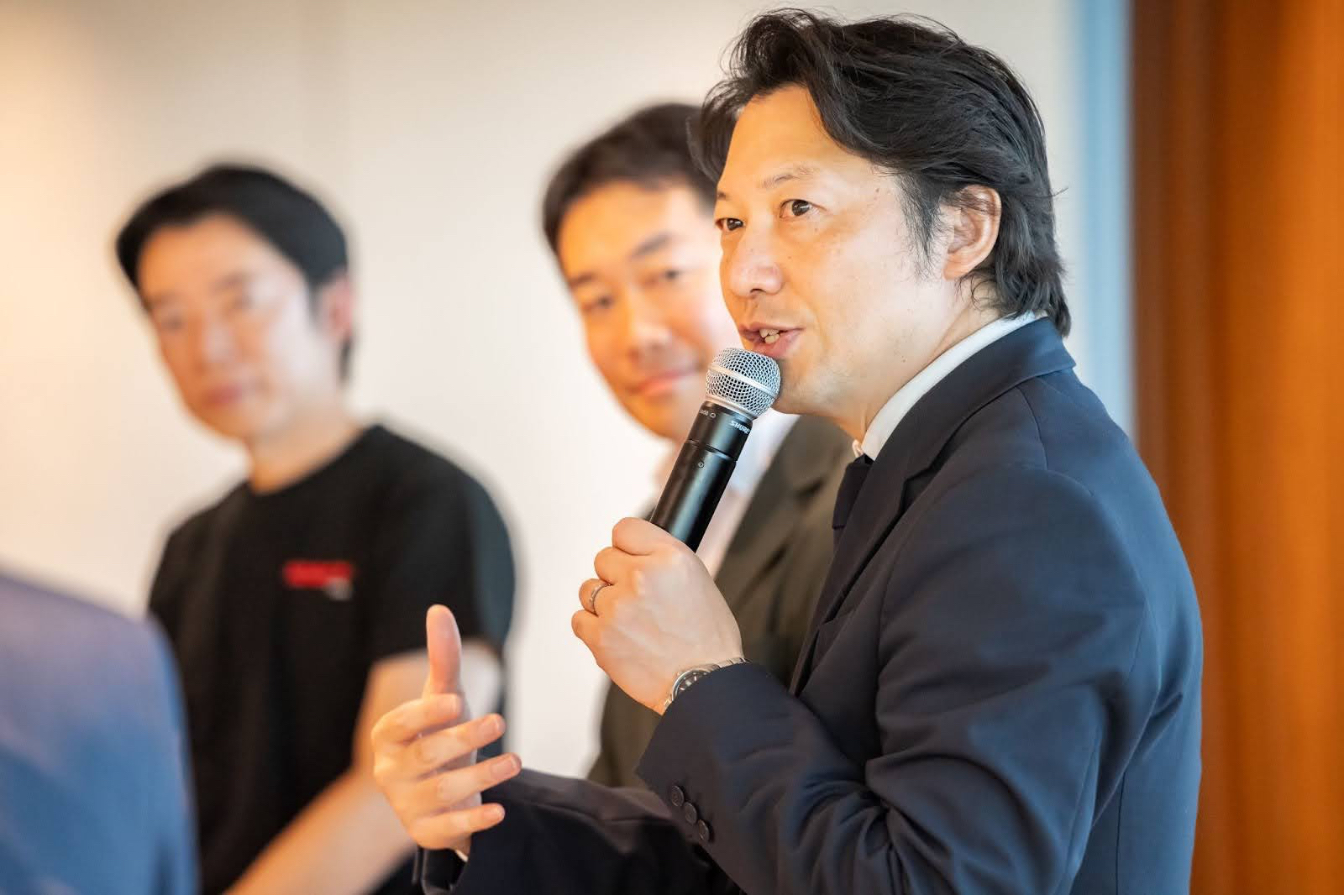
The United States is home to over 4,000 Japanese subsidiaries, second only to China’s 7,000. With a population three times larger and a gross domestic product five times greater than Japan’s, the U.S. market continues to attract Japanese investors, its scale outweighing political risks.
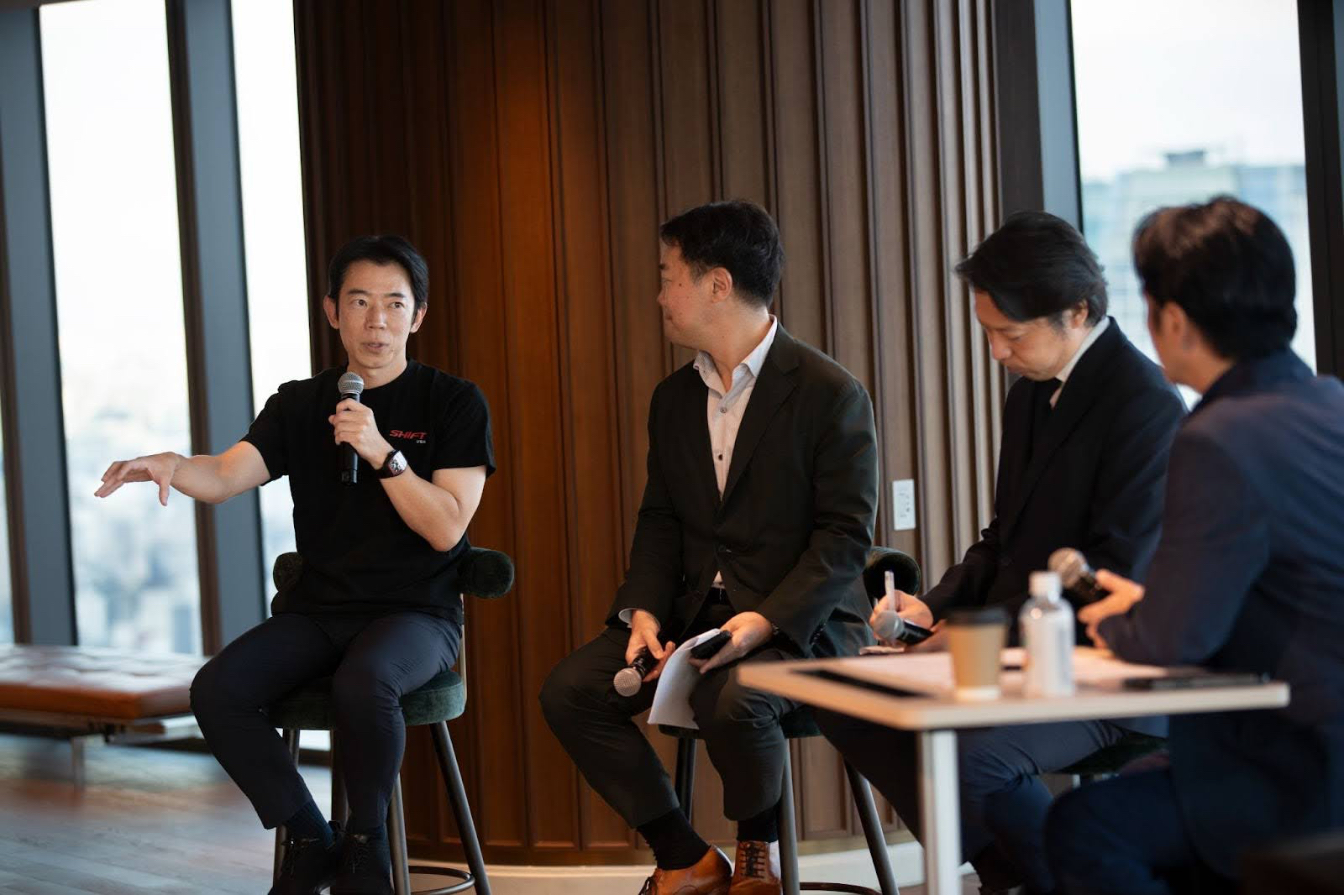
Hidetaka Kojima, who leads global M&A strategy as Director and CEO of SHIFT USA Inc, noted that most client inquiries fall into three main categories: how to conduct overseas M&A, how to manage foreign subsidiaries, and how to establish global IT governance. “Cross-border M&A has surged recently,” he said. “Many companies simply ask, ‘We want to acquire abroad. Where do we start?’ Others are already overseas but struggling with management and integration.”
PMI isn’t just for big corporations
Panelists emphasized the importance of post-merger integration, or PMI — a process often associated with large corporations but equally vital for startups. At its core, PMI means integrating organizations smoothly after a merger or partnership to achieve expected results.
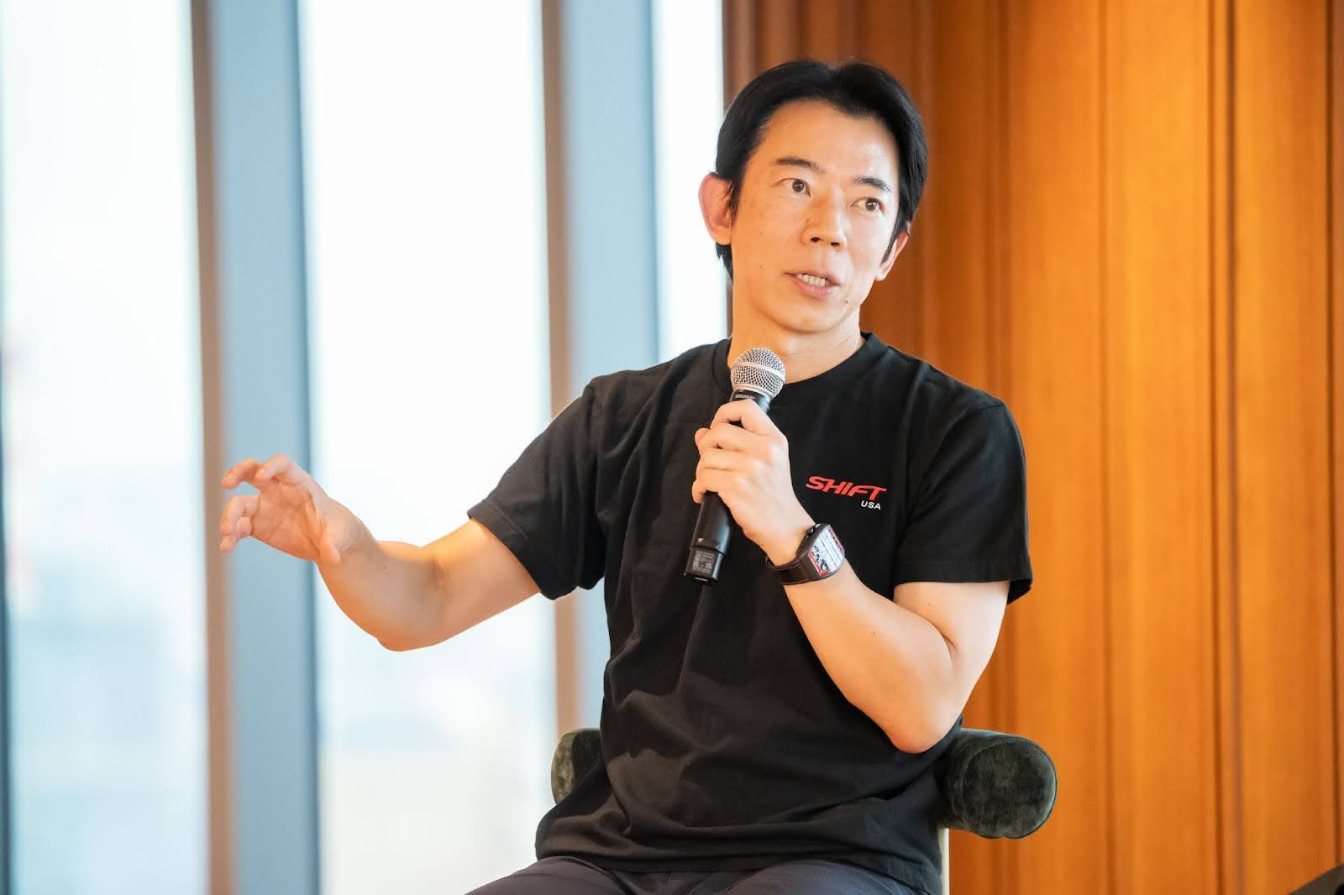
Mori stressed that “the key to overseas M&A is not to avoid risk but to control it.” Companies, he said, should build risk management — covering finance, legal, and tax — into their pre-acquisition planning, keeping PMI in view from the start.
Kojima warned that “if cultural integration doesn’t start on Day 1, it becomes nearly impossible after six months.” He added that Japanese-style job security messages often clash with America’s performance-based culture. “You need to communicate compensation and evaluation systems tailored to local expectations from Day 1. Forcing full assimilation can backfire and trigger talent loss.”
When ‘reading the air’ doesn’t work abroad
Another recurring theme was Japan’s reliance on implicit understanding — a cultural habit that can cause confusion overseas. “In PMI, the unspoken understanding we rely on in Japan simply doesn’t work,” Kojima said. “If you don’t clearly define roles, principles, and responsibilities, no one will take ownership, and daily operations will suffer.”
This lesson applies to startups, too. Small teams often assume “everyone just knows,” but when working with foreign members or partners, written agreements and documented responsibilities are essential.
Balancing governance and autonomy
Experts agreed there’s no single correct model for post-merger management structures. Based on his experience managing up to 10 M&A deals in a single year, Kojima said the level of difficulty differs depending on whether a target is an owner-led company or a corporate-managed firm. “Owner-led firms require strong leadership to maintain alignment, while corporate-type organizations tend to be easier to manage,” he explained.
Sending a Japanese CEO overseas can strengthen communication with headquarters but may not always engage local staff. Conversely, appointing a local CEO requires establishing a dual reporting line — one for performance and another for governance and compliance.
Mori added: “Subsidiaries created through acquisitions or joint ventures are fundamentally harder to control than wholly owned ones. Successful companies are those that install Japanese staff in management roles from Day 1 and maintain a dual-line reporting structure for risk oversight.”
The same logic applies to startups: Choosing between a Japan-based manager and a local country manager depends on balancing trust — someone who can embody headquarters’ intent — with local expertise.
Governance through IT: ensuring transparency
Technology also plays a central role in effective global governance. Kojima stressed the importance of unified IT systems: “Headquarters must define what information needs to be shared. If each location uses separate systems, silos become permanent and integration benefits are lost.”
Centralized systems can maintain transparency while respecting local culture. For startups, integrating global-ready tools like Slack, Google Workspace, or international accounting platforms from the beginning can make future expansion smoother. Experts warn that retrofitting integration later could cost far more than designing for it upfront.
Trade risks and shifting agreements
Kaoru Morishita of Thomson Reuters discussed the U.S.-Mexico-Canada Agreement, noting that “as of 2025, the framework remains stable, and companies can plan based on current standards.” While the agreement will be reviewed again in 2026, “there’s no sign of disruption so far, even under Trump 2.0.”
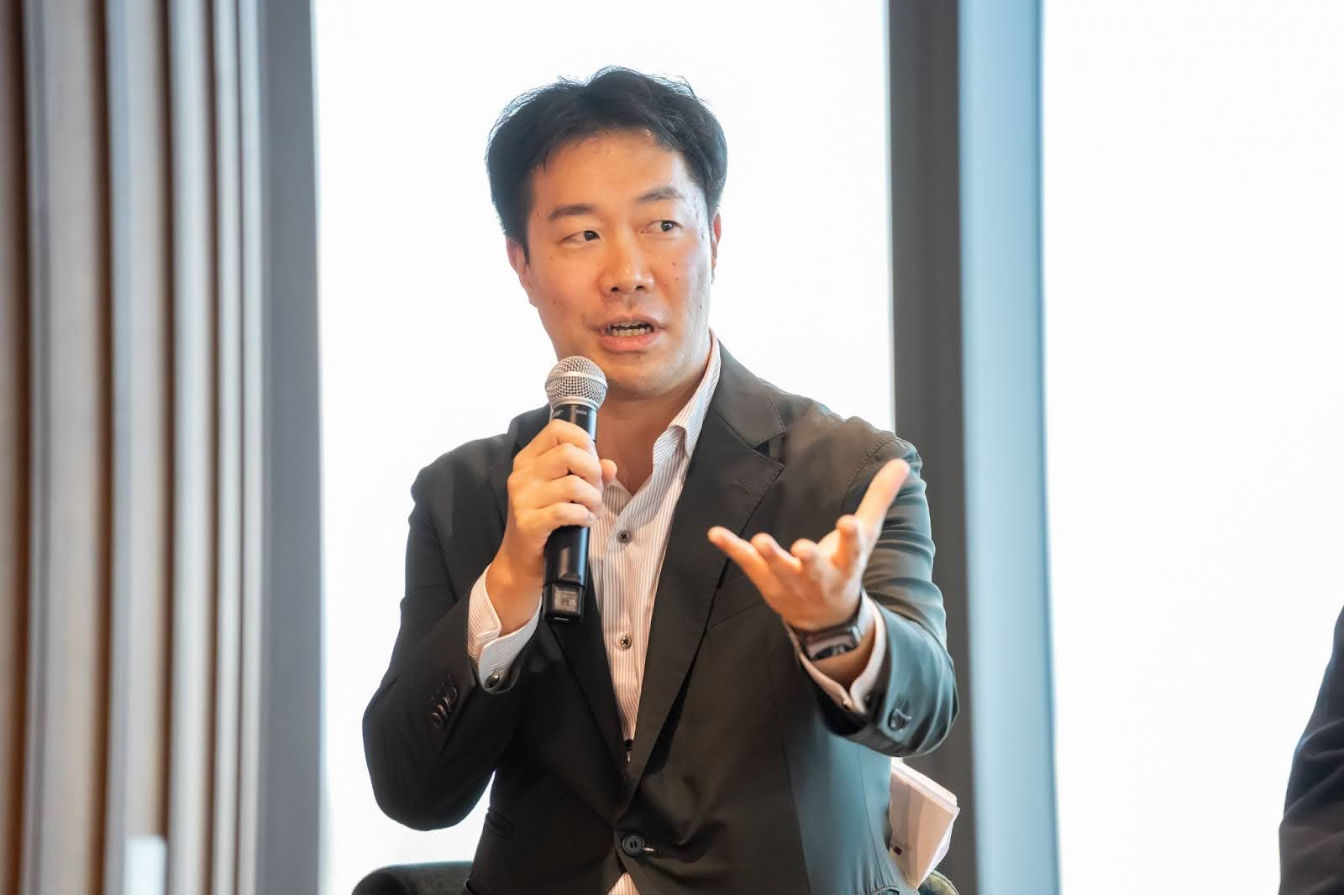
Still, Morishita warned of tariffs reaching up to 50% on copper and aluminum, which could erode price competitiveness once inventories deplete. He also urged vigilance in complying with strict rules of origin and enhanced audits.
One emerging issue is the potential extension of tariffs to services, which are currently exempt. “Future Free Trade Agreement or Economic Partnership Agreement revisions may include services,” Morishita said. “Even sectors not yet affected, like software or consulting, should prepare early.”
Technology and AI: reconciling speed and compliance
Morishita said stricter governance doesn’t have to slow business growth. With tools like AI-driven checklists and standardized compliance templates, companies can ensure both speed and accuracy. For example, early-stage teams can use AI such as ChatGPT to generate lists of regulatory requirements in target countries before consulting experts, reducing time spent on trial and error.
Kojima shared SHIFT USA’s phased expansion model: first partnering with two local firms to secure resources, then gradually scaling up based on orders received. “Hiring full-time engineers too early risks losses,” he said. “Combining small partnerships with gradual investment helps balance cost and growth.”
This step-by-step approach — testing demand through partnerships before forming a subsidiary — offers a practical roadmap for startups venturing abroad.
Watch out for regional differences
Experts also highlighted the importance of understanding local regulations. “Just as mainland China and Hong Kong have entirely different rules, U.S. states also vary greatly,” Morishita said. Kojima added that forming a corporation in Delaware while choosing operational bases according to business needs — such as Silicon Valley for tech or New York for finance — is the pragmatic choice.

The panelists also stressed the value of institutional learning. “When project teams disband after each deal, knowledge is lost,” Mori said. “Capturing lessons from M&A and PMI outcomes creates organizational memory that directly enhances corporate value.”
Preparing for change and leveraging experts
Kojima noted that fields like ESG and AI evolve too rapidly for in-house teams alone. “Companies must actively engage external experts and build internal knowledge from them,” he advised. He warned that ESG violations can inflict immediate and severe damage if handled without professional guidance.
Still, total outsourcing isn’t the answer. Firms should internalize lessons over time, gradually developing self-sufficiency, he said.
The seminar — attended by corporate executives and M&A professionals — carried one clear message: Risk in global expansion isn’t something to avoid, but something to manage. With the right preparation and expert support, even startups can take on the world.
Profiles of the seminar speakers are available online (Japanese only).
Written by Toshi Maeda
Edited by Mark Goldsmith
Top photo: Moritz Brinkhoff | JStories
For inquiries regarding this article, please contact jstories@pacificbridge.jp
Click here for the Japanese version of the article