• Login
Upgrade
JStories
  • 日本語
  • 中文 (中国)
No Result
View All Result
  • Home
  • AI
    • Artificial Intelligence
    • Robotics
    • Mobility
  • Earth
    • Energy
    • Climate Tech
    • AgriTech
    • Clean Tech
    • Disaster Tech
    • SpaceTech
  • Life Sciences
    • BioTech
    • HealthTech
    • MedTech
    • AgeTech
  • Society
    • Media
    • EdTech
    • Diversity
    • FemTech
    • HRTech
    • LegalTech
    • Social Impact
    • FinTech
    • Anime
  • Lifestyle
    • FoodTech
    • FashionTech
    • BeautyTech
    • Wellbeing
    • Art & Music
  • Travel
    • Adventure Travel
    • Luxury Travel
    • Wellness & Medical Tourism
    • Culture
  • Video
  • Deals
    • Venture Capital
    • M&A
    • Startup Events
    • Pitch
    • Ecosystem Support
  • Interview
  • Opinion
  • Home
  • AI
    • Artificial Intelligence
    • Robotics
    • Mobility
  • Earth
    • Energy
    • Climate Tech
    • AgriTech
    • Clean Tech
    • Disaster Tech
    • SpaceTech
  • Life Sciences
    • BioTech
    • HealthTech
    • MedTech
    • AgeTech
  • Society
    • Media
    • EdTech
    • Diversity
    • FemTech
    • HRTech
    • LegalTech
    • Social Impact
    • FinTech
    • Anime
  • Lifestyle
    • FoodTech
    • FashionTech
    • BeautyTech
    • Wellbeing
    • Art & Music
  • Travel
    • Adventure Travel
    • Luxury Travel
    • Wellness & Medical Tourism
    • Culture
  • Video
  • Deals
    • Venture Capital
    • M&A
    • Startup Events
    • Pitch
    • Ecosystem Support
  • Interview
  • Opinion
en English ja 日本語 zh 中文 (中国)
JStories
No Result
View All Result

A taste sensor that can ‘visualize’ the flavors of food

Yoshiko Ohira by Yoshiko Ohira
04/12/2024
in AgeTech, AI, Artificial Intelligence, FoodTech, HealthTech, Life Sciences, Lifestyle, Robotics, Wellbeing
0
Home Life Sciences AgeTech
Share on FacebookShare on Twitter

JStories – Different people perceive tastes such as sweet, salty and sour in different ways, so objectively quantifying the taste of food has long been a particularly difficult challenge. Now however, sensors that use AI are making it possible to convert the flavor of various foods into numerical data and evaluate taste. This technology is already in wide use in the food manufacturing and restaurant industry, and consumers may one day use it to analyze their sense of taste and order food accordingly.

Humans experience five basic tastes, sweet, salty, sour, bitter and umami, each of which is perceived by “taste buds” on the tongue. The system uses taste sensors to measure the voltage generated by the “taste cells” that make up these taste buds in response to food, then display this as taste data.
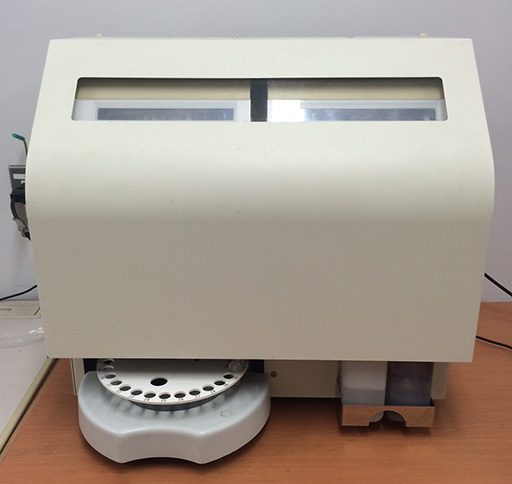
The taste analyzing device made by Oissy.     Source: Oissy

Japan leads the world in the practical application of taste sensors, including quantifying umami (savoriness,) the so-called Japanese “fifth taste.” It is hoped that the technology will find uses in fields as diverse as consumer food products, nursing and hospital food, and food education for children.
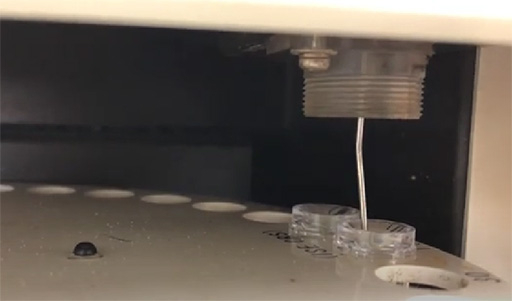
Oissy’s taste sensor Reo device uses an electrode needle to convert taste into electrical signals.     Source: Oissy

Ryuichi Suzuki, is CEO of company Oissy, which has developed a taste sensing device named taste sensor Reo(Mikaku Sensa Reo). He says that one day it might be possible for restaurant diners to use a sensor app to quantify the taste of cheese and use this data to choose a wine to match.

Unlike previous taste sensing devices, Oissy’s device uses a neural network to display flavors perceived by the taste buds in the form of quantitative data. In this way, it is not only possible to quantify the strength or weakness of the five tastes, but also predict delicious combinations, perhaps leading to completely new dishes and pairings of foods.
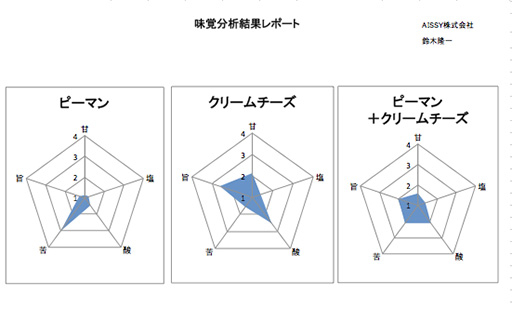
Green peppers impart a bitter taste, while cream cheese offers both umami and sour notes. When combined, the dish achieves a more balanced flavor profile.     Source: Oissy

For example, green peppers are often perceived as bitter, but the addition of cream cheese provides acidity and umami and improves the balance of flavors. Likewise, adding sugar to coffee makes it seem less bitter, and adding salt to miso soup increases the umami as well as the saltiness. Such taste interactions can now be analyzed as data, explains Suzuki.
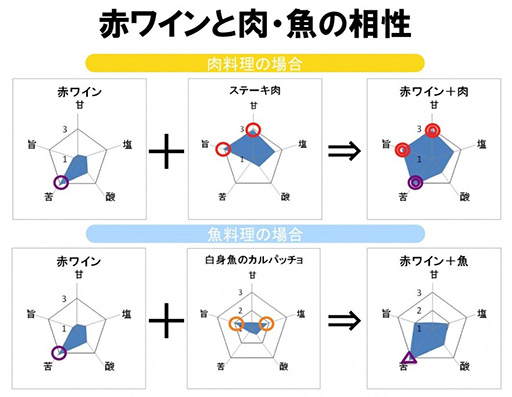
A diagram of correlations between red wine and meat/fish compatibility. For a meat dish, red wine contributes a bitter taste, while the meat itself boasts umami and sweetness. The combination achieves a harmonious blend of bitter, umami, and sweet notes, resulting in a more balanced flavor profile. However, when red wine is paired with a fish dish, it accentuates the bitterness rather than harmonizing the flavors.     Source: Oissy

Oissy’s device is already being used in product development and promotions by a number of companies. For example, Kirin Beer has quantified dishes that go well with its Shochu Soda product. Another company, SC Foods, is also using the taste sensor in promotions for its Yongenton Silky Pork. Meanwhile, a US company has been using the system since February 2024.

Oissy is not the only Japanese company with similar technology. Intelligent Sensor Technology succeeded in the practical application of the world’s first taste-recognition device back in 1993 and its taste sensors are widely used not only in Japan but also in Europe and Asia. Companies using the taste sensors range from taste analysis research institutes to major supermarkets.
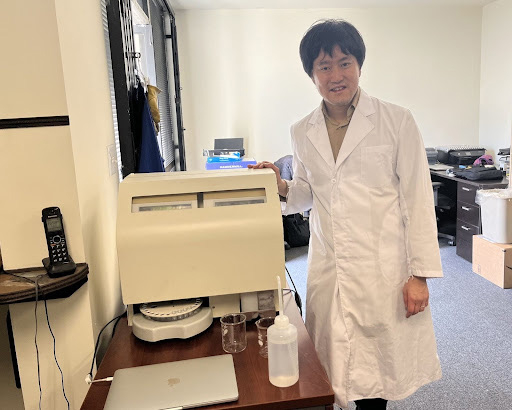
Suzuki with the taste sensor device at a Los Angeles company in February 2024.     Source: Oissy

As Japan’s population ages and the number of births reduces, food product and food service companies are constantly looking to design new products, for example, how to make sweet-tasting products that don’t use sugar for diabetics, or how to make better tasting nursing and hospital food. It is hoped that taste sensor devices could play an important role in such innovation.

“But this is where converting taste into data becomes important,” he adds. “We will continue our research on taste sensors and help make people around the world feel happy through delicious food.”- Oissy CEO, Ryuichi Suzuki. Source: Oissy

Suzuki points out that the particular challenge of quantifying taste is that “there are differences in how taste is perceived between ordinary people and taste professionals, as well as between people with care and treatment needs and those who are making the food. We must think how we can reduce these differences.”
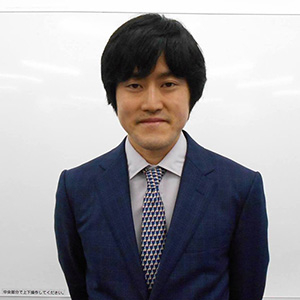
“But this is where converting taste into data becomes important,” he adds. “We will continue our research on taste sensors and help make people around the world feel happy through delicious food.”- Oissy CEO, Ryuichi Suzuki.     Source: Oissy

Likewise, there are differences in how taste is perceived in Japan and other countries, making it even more difficult for Japanese companies to quantify taste overseas.

“But this is where converting taste into data becomes important,” he adds. “We will continue our research on taste sensors and help make people around the world feel happy through delicious food.”

Translation by Tony McNicol

Editing by Chika Osaka

Top page photo by Oissy

For inquires about this article, please contact us at jstories@pacificbridge.jp


Click here for the Japanese version of the article.

Tags: biotechnologyConsumer TrendsData VisualizationDigital FlavorFifth TasteFood IndustryFood PairingHealthcareIntelligent Sensor TechnologyJapan TechNeural NetworkOissyRyuichi SuzukiTaste Sensor Reoumami
Previous Post

An environment-friendly super-absorbent polymer saves farming villages from drought

Next Post

Journalist-turned-startup entrepreneur returns to journalism to launch J-Stories

Yoshiko Ohira

Yoshiko Ohira

Related Posts

Japan leads global collaboration to combat AI disinformation
AI

Japan leads global collaboration to combat AI disinformation

by Ayaka Sagasaki
03/16/2026
Starting a sustainable wood-fired bakery in Tokyo
FoodTech

Starting a sustainable wood-fired bakery in Tokyo

by Tokyo Updates
03/05/2026
HealthTech

Engineering safety from the ground up

by Tokyo Updates
02/13/2026
Lifestyle

The plush toy hospital keeping childhood memories alive

by Tokyo Updates
01/30/2026
Lifestyle

Lost item return rate triples: Tokyo startup envisions a world where nothing stays lost

by Tokyo Updates
01/23/2026
Next Post

Journalist-turned-startup entrepreneur returns to journalism to launch J-Stories

Leave a Reply Cancel reply

Your email address will not be published. Required fields are marked *

Videos

Round-up Video #24

08/25/2022

The blind leading the sighted

05/27/2022

Harmonizing tradition and technology with immersive sound experience

07/19/2023

Browse by Tags

Ai Alternative Energy biotechnology Climate Change Community decarbonization Education Event Food foodtech Health Inclusion Infrastructure Innovation Interview J-Stories Japan Japan-Taiwan Innovation Summit Japan startups Japan Tech Labor Living Nature Podcast Recycling Refugees robotics Society Space Startup Startup Ecosystem Startups SusHI Tech Tokyo Sustainability Sustainable Society Taiwan Technology Tokyo Tokyo Innovation Base Tokyo Metropolitan Government Tokyo Updates venture capital video Wealth Zero Waste
JStories

©Articles and photos published on JSTORIES are protected by Japanese copyright law and international treaties. They cannot be reproduced without the permission of the copyright holders

Explore JStories

  • About Jstories
  • Company
  • Contact
  • Home
  • Partner Press Releases
  • Pricing
  • Privacy Policy
  • Team

Follow Us

Welcome Back!

Login to your account below

Forgotten Password?

Retrieve your password

Please enter your username or email address to reset your password.

Log In
No Result
View All Result
  • Home
  • AI
    • Artificial Intelligence
    • Robotics
    • Mobility
  • Earth
    • Energy
    • Climate Tech
    • AgriTech
    • Clean Tech
    • Disaster Tech
    • SpaceTech
  • Life Sciences
    • BioTech
    • HealthTech
    • MedTech
    • AgeTech
  • Society
    • Media
    • EdTech
    • Diversity
    • FemTech
    • HRTech
    • LegalTech
    • Social Impact
    • FinTech
    • Anime
  • Lifestyle
    • FoodTech
    • FashionTech
    • BeautyTech
    • Wellbeing
    • Art & Music
  • Travel
    • Adventure Travel
    • Luxury Travel
    • Wellness & Medical Tourism
    • Culture
  • Video
  • Deals
    • Venture Capital
    • M&A
    • Startup Events
    • Ecosystem Support
  • Interview
  • Opinion

©Articles and photos published on JSTORIES are protected by Japanese copyright law and international treaties. They cannot be reproduced without the permission of the copyright holders

Are you sure want to unlock this post?
Unlock left : 0
Are you sure want to cancel subscription?