• Login
Upgrade
JStories
  • 日本語
  • 中文 (中国)
No Result
View All Result
  • Home
  • AI
    • Artificial Intelligence
    • Robotics
    • Mobility
  • Earth
    • Energy
    • Climate Tech
    • AgriTech
    • Clean Tech
    • Disaster Tech
    • SpaceTech
  • Life Sciences
    • BioTech
    • HealthTech
    • MedTech
    • AgeTech
  • Society
    • Media
    • EdTech
    • Diversity
    • FemTech
    • HRTech
    • LegalTech
    • Social Impact
    • FinTech
    • Anime
  • Lifestyle
    • FoodTech
    • FashionTech
    • BeautyTech
    • Wellbeing
    • Art & Music
  • Travel
    • Adventure Travel
    • Luxury Travel
    • Wellness & Medical Tourism
    • Culture
  • Video
  • Deals
    • Venture Capital
    • M&A
    • Startup Events
    • Pitch
    • Ecosystem Support
  • Interview
  • Opinion
  • Home
  • AI
    • Artificial Intelligence
    • Robotics
    • Mobility
  • Earth
    • Energy
    • Climate Tech
    • AgriTech
    • Clean Tech
    • Disaster Tech
    • SpaceTech
  • Life Sciences
    • BioTech
    • HealthTech
    • MedTech
    • AgeTech
  • Society
    • Media
    • EdTech
    • Diversity
    • FemTech
    • HRTech
    • LegalTech
    • Social Impact
    • FinTech
    • Anime
  • Lifestyle
    • FoodTech
    • FashionTech
    • BeautyTech
    • Wellbeing
    • Art & Music
  • Travel
    • Adventure Travel
    • Luxury Travel
    • Wellness & Medical Tourism
    • Culture
  • Video
  • Deals
    • Venture Capital
    • M&A
    • Startup Events
    • Pitch
    • Ecosystem Support
  • Interview
  • Opinion
en English ja 日本語 zh 中文 (中国)
JStories
No Result
View All Result

Old rags to vaccine riches

Yoshiko Ohira by Yoshiko Ohira
11/10/2022
in Diversity, Social Impact, Society
0
Home Society Diversity
Share on FacebookShare on Twitter

J-STORIES – A Tokyo company has developed an innovative service to address a critical issue in developing countries where some 4,000 children a day – or one child every 20 seconds – die from contagious diseases that could be prevented by vaccination.

Nihon Reuse System’s Furugi de Vaccine, which means “vaccines from old clothes,” was launched in 2010 with the aim of collecting unwanted garments to help fund vaccinations. Since then, over 37 million items of used clothing have been collected, helping fund over 4.5 million inoculations.
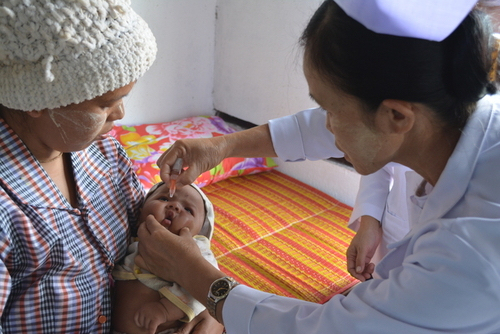
A child in Myanmar receives the polio vaccine.     Source: Nihon Reuse System

Users purchase a collection kit, which costs ¥3,300, by phone or online and fill the collection bag provided with unwanted clothing and send it cash on delivery. Each kit sold ensures five polio vaccinations are provided for children in Bhutan, Myanmar, Laos and Vanuatu through the “Japan Committee, Vaccine for the World’s Children,” a nonprofit organization.

Shiori Suzuki, a spokesperson for the service, told J-Stories that an increasing number of people “want to give away their clothes in the most environmentally friendly way possible.” The service provides a convenient way for people to declutter, and help others at the same time. Furthermore, an increased awareness of the United Nations’ sustainable development goals (SDGs) also helps make the service popular, she added. Around 70 percent of first-time customers use the service again.

Items that can be collected include accessories and bags, but not underwear or anything wrinkled or stained.     Source: Nihon Reuse System.

The collection kits are made by workers with disabilities at seven welfare facilities in Japan. According to Suzuki, workers have commented that even though the work is difficult, they feel a sense of achievement and want to challenge themselves further.
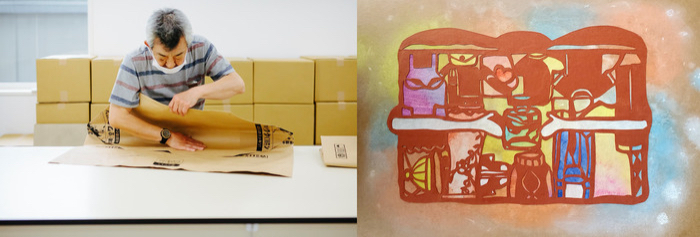
A clothes collection bag with printed design by Kura Mihara.     Source: Nihon Reuse System

After being collected, the clothes are shipped to Cambodia, where they are sold in a shop run by the company. Staffers there include people with disabilities and former street children. The company helps them become independent, such as by training them to eventually move on from the sales floor to management.

In Japan, the potential for such recycling is huge. According to the Ministry of the Environment, approximately 130 large truckloads of clothing are thrown away in Japan every day.

This October, Nihon Reuse System also started a corporate service, providing companies with a letter of thanks and certificate that they can use in their PR activities. Suzuki told J-Stories that he wants Furugi de Vaccine to be a way for both individuals and companies to contribute to society.
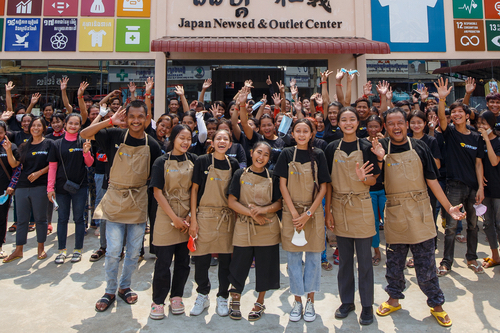
Staffers at the retail outlet in Cambodia say they are motivated by the thought of helping others.     Source: Nihon Reuse System

Translation by Tony McNicol

Top page photo by korneevamaha/Envato

For inquiries about this article, please contact us at jstories@pacificbridge.jp


Here is our video report on this story!


Click here for the Japanese version of the article.

Tags: HealthInclusionLivingSustainabilityWealth
Previous Post

No space for debris

Next Post

Round-Up Video #33

Yoshiko Ohira

Yoshiko Ohira

Related Posts

Japan leads global collaboration to combat AI disinformation
AI

Japan leads global collaboration to combat AI disinformation

by Ayaka Sagasaki
03/16/2026
Anime

World-first “anime character-based therapy” trial to test effectiveness in Japanese young adults

by Lucas Maltzman
01/30/2026
Social Impact

From a childhood shaped by conflict to an investor bridging Japan and the world

by Ayaka Sagasaki
01/23/2026
Diversity

What happens when women’s ideas are finally taken seriously?

by HIROKO ISHII
12/12/2025
Diversity

Iceland’s bold break from tradition: The Women’s Day Off that rewrote history

by Sayuri Daimon
12/05/2025
Next Post

Round-Up Video #33

Leave a Reply Cancel reply

Your email address will not be published. Required fields are marked *

Videos

Round-Up Video #32

11/03/2022

Round-up Video #29

10/06/2022

Round-Up Video #30

10/13/2022

Browse by Tags

Ai Alternative Energy biotechnology Climate Change Community decarbonization Education Event Food foodtech Health Inclusion Infrastructure Innovation Interview J-Stories Japan Japan-Taiwan Innovation Summit Japan startups Japan Tech Labor Living Nature Podcast Recycling Refugees robotics Society Space Startup Startup Ecosystem Startups SusHI Tech Tokyo Sustainability Sustainable Society Taiwan Technology Tokyo Tokyo Innovation Base Tokyo Metropolitan Government Tokyo Updates venture capital video Wealth Zero Waste
JStories

©Articles and photos published on JSTORIES are protected by Japanese copyright law and international treaties. They cannot be reproduced without the permission of the copyright holders

Explore JStories

  • About Jstories
  • Company
  • Contact
  • Home
  • Partner Press Releases
  • Pricing
  • Privacy Policy
  • Team

Follow Us

Welcome Back!

Login to your account below

Forgotten Password?

Retrieve your password

Please enter your username or email address to reset your password.

Log In
No Result
View All Result
  • Home
  • AI
    • Artificial Intelligence
    • Robotics
    • Mobility
  • Earth
    • Energy
    • Climate Tech
    • AgriTech
    • Clean Tech
    • Disaster Tech
    • SpaceTech
  • Life Sciences
    • BioTech
    • HealthTech
    • MedTech
    • AgeTech
  • Society
    • Media
    • EdTech
    • Diversity
    • FemTech
    • HRTech
    • LegalTech
    • Social Impact
    • FinTech
    • Anime
  • Lifestyle
    • FoodTech
    • FashionTech
    • BeautyTech
    • Wellbeing
    • Art & Music
  • Travel
    • Adventure Travel
    • Luxury Travel
    • Wellness & Medical Tourism
    • Culture
  • Video
  • Deals
    • Venture Capital
    • M&A
    • Startup Events
    • Ecosystem Support
  • Interview
  • Opinion

©Articles and photos published on JSTORIES are protected by Japanese copyright law and international treaties. They cannot be reproduced without the permission of the copyright holders

Are you sure want to unlock this post?
Unlock left : 0
Are you sure want to cancel subscription?