• Login
Upgrade
JStories
  • 日本語
  • 中文 (中国)
No Result
View All Result
  • Home
  • AI
    • Artificial Intelligence
    • Robotics
    • Mobility
  • Earth
    • Energy
    • Climate Tech
    • AgriTech
    • Clean Tech
    • Disaster Tech
    • SpaceTech
  • Life Sciences
    • BioTech
    • HealthTech
    • MedTech
    • AgeTech
  • Society
    • Media
    • EdTech
    • Diversity
    • FemTech
    • HRTech
    • LegalTech
    • Social Impact
    • FinTech
    • Anime
  • Lifestyle
    • FoodTech
    • FashionTech
    • BeautyTech
    • Wellbeing
    • Art & Music
  • Travel
    • Adventure Travel
    • Luxury Travel
    • Wellness & Medical Tourism
    • Culture
  • Video
  • Deals
    • Venture Capital
    • M&A
    • Startup Events
    • Pitch
    • Ecosystem Support
  • Interview
  • Opinion
  • Home
  • AI
    • Artificial Intelligence
    • Robotics
    • Mobility
  • Earth
    • Energy
    • Climate Tech
    • AgriTech
    • Clean Tech
    • Disaster Tech
    • SpaceTech
  • Life Sciences
    • BioTech
    • HealthTech
    • MedTech
    • AgeTech
  • Society
    • Media
    • EdTech
    • Diversity
    • FemTech
    • HRTech
    • LegalTech
    • Social Impact
    • FinTech
    • Anime
  • Lifestyle
    • FoodTech
    • FashionTech
    • BeautyTech
    • Wellbeing
    • Art & Music
  • Travel
    • Adventure Travel
    • Luxury Travel
    • Wellness & Medical Tourism
    • Culture
  • Video
  • Deals
    • Venture Capital
    • M&A
    • Startup Events
    • Pitch
    • Ecosystem Support
  • Interview
  • Opinion
en English ja 日本語 zh 中文 (中国)
JStories
No Result
View All Result

School in the time of war

Emi Takahata by Emi Takahata
07/27/2022
in EdTech, Social Impact, Society
0
Home Society EdTech
Share on FacebookShare on Twitter

J-STORIES – Millions of Ukrainian children have been displaced since the Russian invasion. But a Japanese non-government organization (NGO) is helping some of them to continue their education through “smart classes.”

In addition to the shock and stress of their predicament, part of the challenge facing displaced children is adapting to new living environments and finding ways to keep up with their studies. Living conditions inside refuge accommodation centers (RACs) are cramped, with only basic partitions between each family’s designated living space, making it hard for children to concentrate.

To address this problem, NGO Peace Winds Japan has teamed up with other organizations to set up a “smart class” at the technical university in Moldova, one of the countries neighboring Ukraine that has opened its doors to refugees.
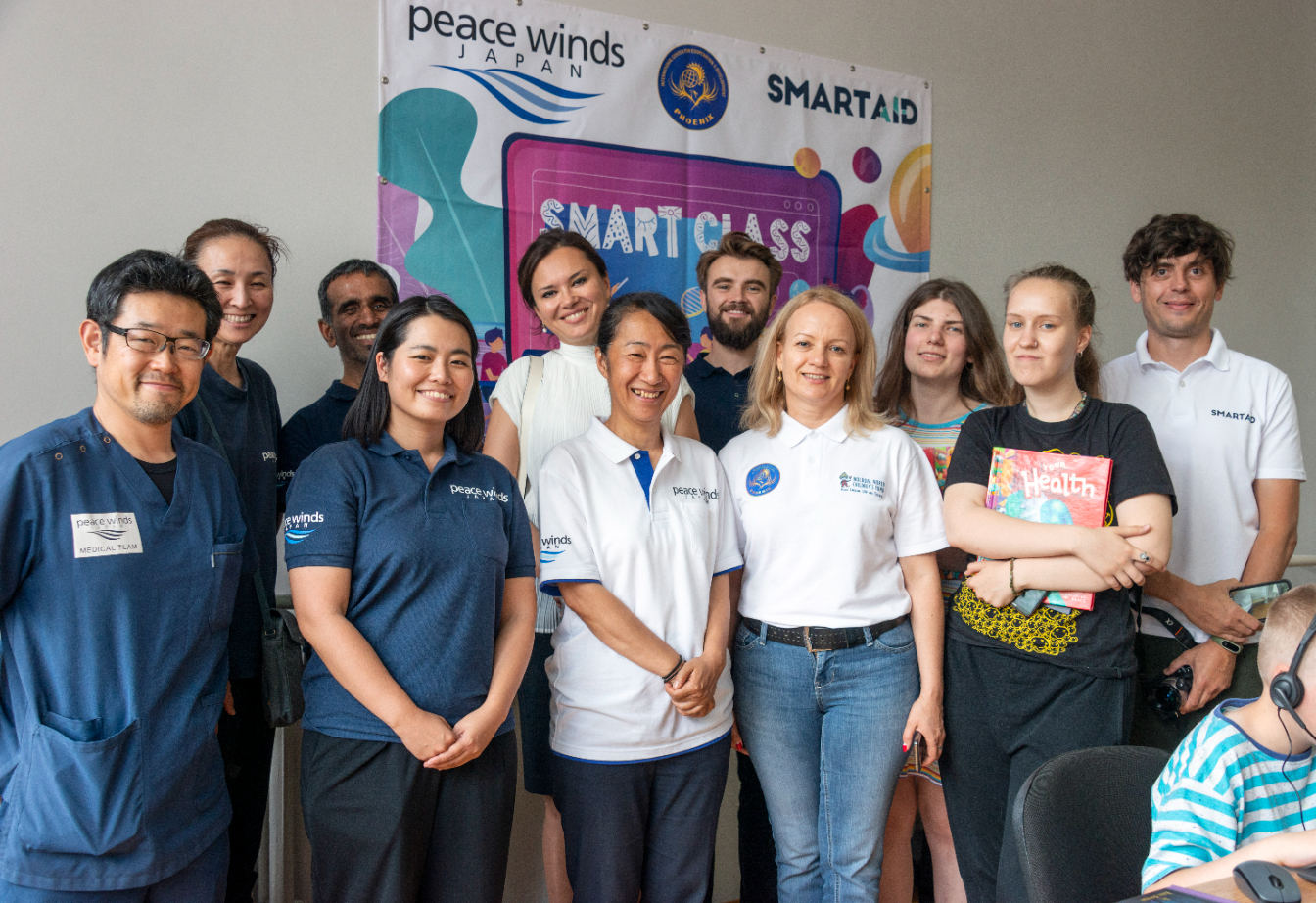
PWJ and SmartAid staff are joined by two students at the “smart class” set up inside The Technical University of Moldova.    Source: PWJ

Together with a local organization and others from Britain and Israel, PWJ has secured classroom space at The Technical University of Moldova, which is housing four RACs inside its dormitories, where around 60 displaced families, including 80 children, are staying. It has also supplied 20 laptop computers, which are linked up to the university’s wi-fi, allowing students to study on their own and communicate online with their teachers back in Ukraine.

One of the cooperating organizations is SmartAID, an international non-profit outfit headquartered in Britain that comprises humanitarian aid professionals and entrepreneurs from the technology industry. As well as providing emergency assistance and medium-term support to Ukrainian refugees, SmartAID has set up an educational program for refugee children called “Smart Classes,” which is already operating in over 100 locations in Moldova, Poland and Romania.

With the Chisinau “smart class” still in its early days, PWJ is working hard to solve various issues, says Rei Doi of the Japanese NGO, which is also conducting a number of other humanitarian aid initiatives in the region, including supplying medical support to refugees and pet food to abandoned pets. One is the difficult task of scheduling lessons when there are over twice as many students as computers. Another is finding coordinators to monitor children as they take classes online. With Ukrainian men aged 18 to 60 forbidden to leave their homeland and many mothers having younger children to care for, few adult refugees are available to help.
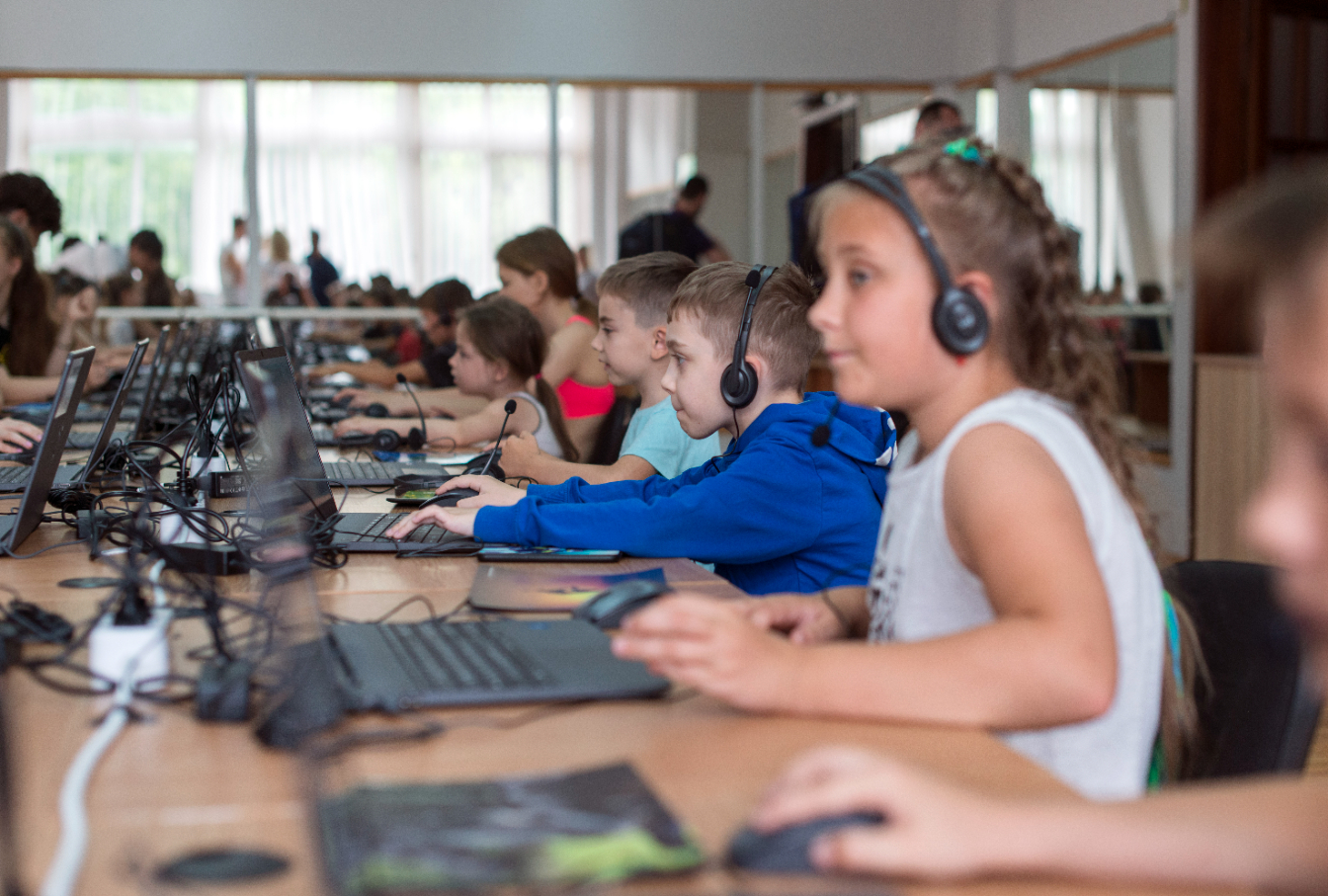
Ukrainian children studying in the “smart” classroom at The Technical University of Moldova.      Source: PWJ

PWJ hopes to smooth out such teething problems soon, and to set up similar facilities at other shelters in Moldova. SmartAID also plans to introduce more classes, and like PWJ is seeking donations to procure necessary equipment, such as PCs and stationery, as well as teaching staff.

Translation and editing by Tony McNicol

Top page photo by Peace Winds Japan

For inquires about this article, please contact us at jstories@pacificbridge.jp


Click here for the Japanese version of the article.

Tags: EducationRefugees
Previous Post

Making eco-friendly fabric by fermenting protein

Next Post

Vegetable sheets keep food from going to waste

Emi Takahata

Emi Takahata

Related Posts

Japan leads global collaboration to combat AI disinformation
AI

Japan leads global collaboration to combat AI disinformation

by Ayaka Sagasaki
03/16/2026
Anime

World-first “anime character-based therapy” trial to test effectiveness in Japanese young adults

by Lucas Maltzman
01/30/2026
Social Impact

From a childhood shaped by conflict to an investor bridging Japan and the world

by Ayaka Sagasaki
01/23/2026
Diversity

What happens when women’s ideas are finally taken seriously?

by HIROKO ISHII
12/12/2025
Diversity

Iceland’s bold break from tradition: The Women’s Day Off that rewrote history

by Sayuri Daimon
12/05/2025
Next Post

Vegetable sheets keep food from going to waste

Leave a Reply Cancel reply

Your email address will not be published. Required fields are marked *

Videos

Round-Up Video #39

12/22/2022

Round-up Video #13

05/26/2022

Round-up Video #24

08/25/2022

Browse by Tags

Ai Alternative Energy biotechnology Climate Change Community decarbonization Education Event Food foodtech Health Inclusion Infrastructure Innovation Interview J-Stories Japan Japan-Taiwan Innovation Summit Japan startups Japan Tech Labor Living Nature Podcast Recycling Refugees robotics Society Space Startup Startup Ecosystem Startups SusHI Tech Tokyo Sustainability Sustainable Society Taiwan Technology Tokyo Tokyo Innovation Base Tokyo Metropolitan Government Tokyo Updates venture capital video Wealth Zero Waste
JStories

©Articles and photos published on JSTORIES are protected by Japanese copyright law and international treaties. They cannot be reproduced without the permission of the copyright holders

Explore JStories

  • About Jstories
  • Company
  • Contact
  • Home
  • Partner Press Releases
  • Pricing
  • Privacy Policy
  • Team

Follow Us

Welcome Back!

Login to your account below

Forgotten Password?

Retrieve your password

Please enter your username or email address to reset your password.

Log In
No Result
View All Result
  • Home
  • AI
    • Artificial Intelligence
    • Robotics
    • Mobility
  • Earth
    • Energy
    • Climate Tech
    • AgriTech
    • Clean Tech
    • Disaster Tech
    • SpaceTech
  • Life Sciences
    • BioTech
    • HealthTech
    • MedTech
    • AgeTech
  • Society
    • Media
    • EdTech
    • Diversity
    • FemTech
    • HRTech
    • LegalTech
    • Social Impact
    • FinTech
    • Anime
  • Lifestyle
    • FoodTech
    • FashionTech
    • BeautyTech
    • Wellbeing
    • Art & Music
  • Travel
    • Adventure Travel
    • Luxury Travel
    • Wellness & Medical Tourism
    • Culture
  • Video
  • Deals
    • Venture Capital
    • M&A
    • Startup Events
    • Ecosystem Support
  • Interview
  • Opinion

©Articles and photos published on JSTORIES are protected by Japanese copyright law and international treaties. They cannot be reproduced without the permission of the copyright holders

Are you sure want to unlock this post?
Unlock left : 0
Are you sure want to cancel subscription?