

• Login
Upgrade
JStories
  • 日本語
  • 中文 (中国)
No Result
View All Result
  • Home
  • AI
    • Artificial Intelligence
    • Robotics
    • Mobility
  • Earth
    • Energy
    • Climate Tech
    • AgriTech
    • Clean Tech
    • Disaster Tech
    • SpaceTech
  • Life Sciences
    • BioTech
    • HealthTech
    • MedTech
    • AgeTech
  • Society
    • Media
    • EdTech
    • Diversity
    • FemTech
    • HRTech
    • LegalTech
    • Social Impact
    • FinTech
    • Anime
  • Lifestyle
    • FoodTech
    • FashionTech
    • BeautyTech
    • Wellbeing
    • Art & Music
  • Travel
    • Adventure Travel
    • Luxury Travel
    • Wellness & Medical Tourism
    • Culture
  • Video
  • Deals
    • Venture Capital
    • M&A
    • Startup Events
    • Pitch
    • Ecosystem Support
  • Interview
  • Opinion
  • Home
  • AI
    • Artificial Intelligence
    • Robotics
    • Mobility
  • Earth
    • Energy
    • Climate Tech
    • AgriTech
    • Clean Tech
    • Disaster Tech
    • SpaceTech
  • Life Sciences
    • BioTech
    • HealthTech
    • MedTech
    • AgeTech
  • Society
    • Media
    • EdTech
    • Diversity
    • FemTech
    • HRTech
    • LegalTech
    • Social Impact
    • FinTech
    • Anime
  • Lifestyle
    • FoodTech
    • FashionTech
    • BeautyTech
    • Wellbeing
    • Art & Music
  • Travel
    • Adventure Travel
    • Luxury Travel
    • Wellness & Medical Tourism
    • Culture
  • Video
  • Deals
    • Venture Capital
    • M&A
    • Startup Events
    • Pitch
    • Ecosystem Support
  • Interview
  • Opinion
en English ja 日本語 zh 中文 (中国)
JStories
No Result
View All Result

Seeking self sufficiency and zero emissions through renewable power

Tokyo Updates by Tokyo Updates
06/06/2025
in Climate Tech, Deals, Earth, Ecosystem Support, Energy, Social Impact, Society
0
Home Earth Climate Tech
Share on FacebookShare on Twitter


The Wind Farm Toyotomi has been one of the first successes of the Sustainable Energy Fund        Photo: Courtesy of Looop 

With nations worldwide seeking to reduce their dependence on fossil fuels to lessen their carbon footprint, the availability of renewable energy is rapidly increasing. CEO Morita Takumi of Looop Inc., a company that aims to create a “Free-Energy Society” shares the advances in creating new renewable energy sources, made in partnership with the Tokyo Metropolitan Government.

Learning Firsthand the Importance of Energy

It is sometimes said that the greatest innovations and solutions come through adversity, and this was certainly the case for Looop founder Nakamura Soichiro. He was working in China when the Great East Japan Earthquake struck in 2011, and immediately got in touch with local governments of affected areas, offering to set up solar panels to provide power in the aftermath.

However, staff were overwhelmed by the scale of the disaster and were not in a position to set up the systems themselves.  Undaunted, Nakamura proactively loaded four solar panels into a van, and drove out to install them himself at an evacuation center.

The relief on people’s faces when they got power, and were thus able to stay updated on news, made him realize the importance of providing reliable energy. He founded the company just one month later, and since then Looop has been working to make renewable energy easier for consumers to select and use.
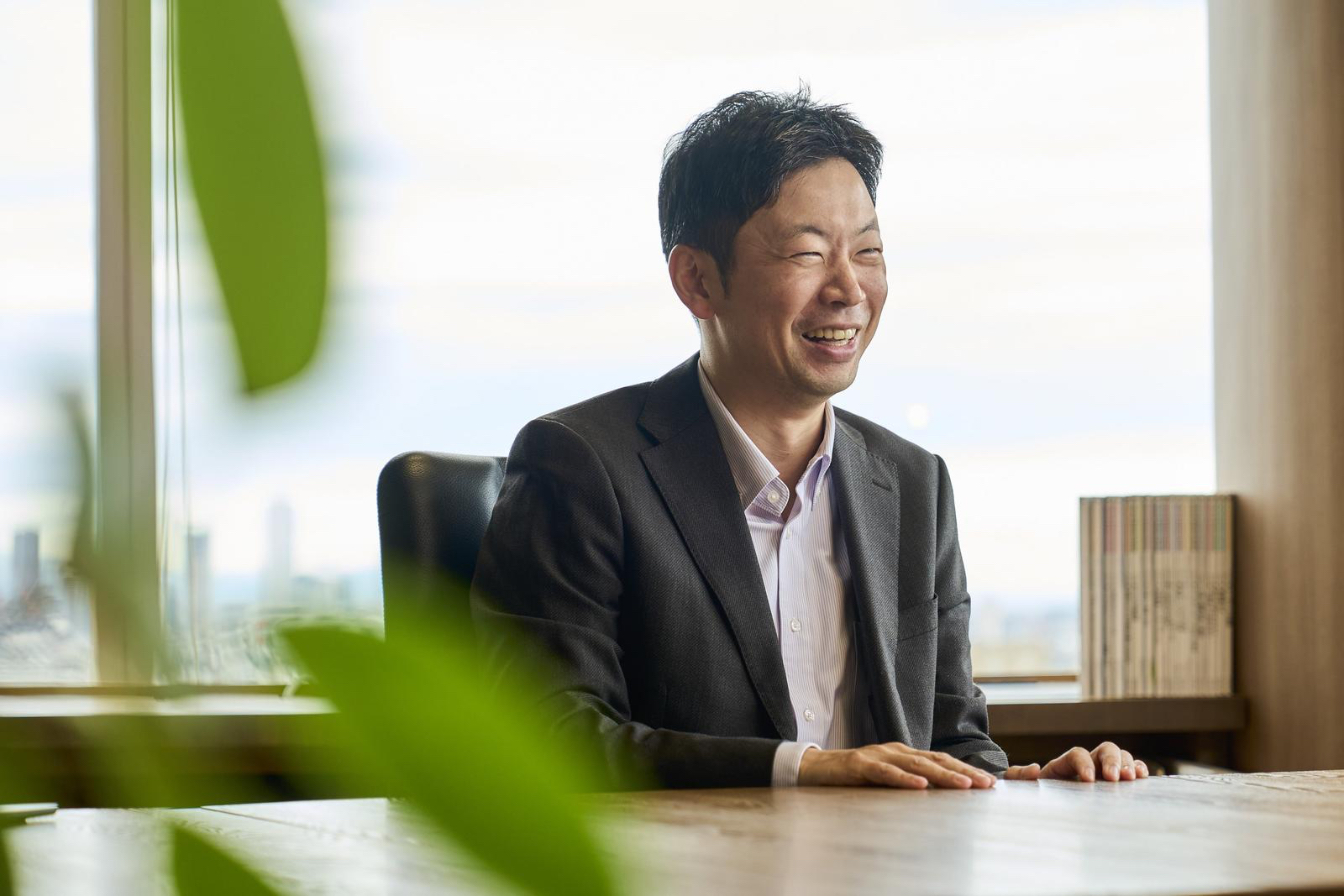
Looop Inc. CEO Morita Takumi explains the benefits and challenges of renewable energy      Photo by Fujishima Ryo | Tokyo Updates

Making the Switch to Renewable Energy an Easy Choice

Currently led by CEO Morita Takumi, the company either owns or has partnerships with 2,500 solar farms all around Japan, delivering renewable energy to around 340,000 households and growing. Morita notes that while on a global level solar energy is one of the cheapest options, there are some Japan-specific issues that make it harder to scale up when compared to other countries.

“One of the main issues we face in Japan is the lack of land, which makes it challenging to find appropriate areas for creating solar power plants, and the locations that are well-suited to constructing solar panels usually tend to be expensive. To this we also have to add not just the cost of the panels, but that of labor as well, which is not insignificant in Japan,” Morita says.
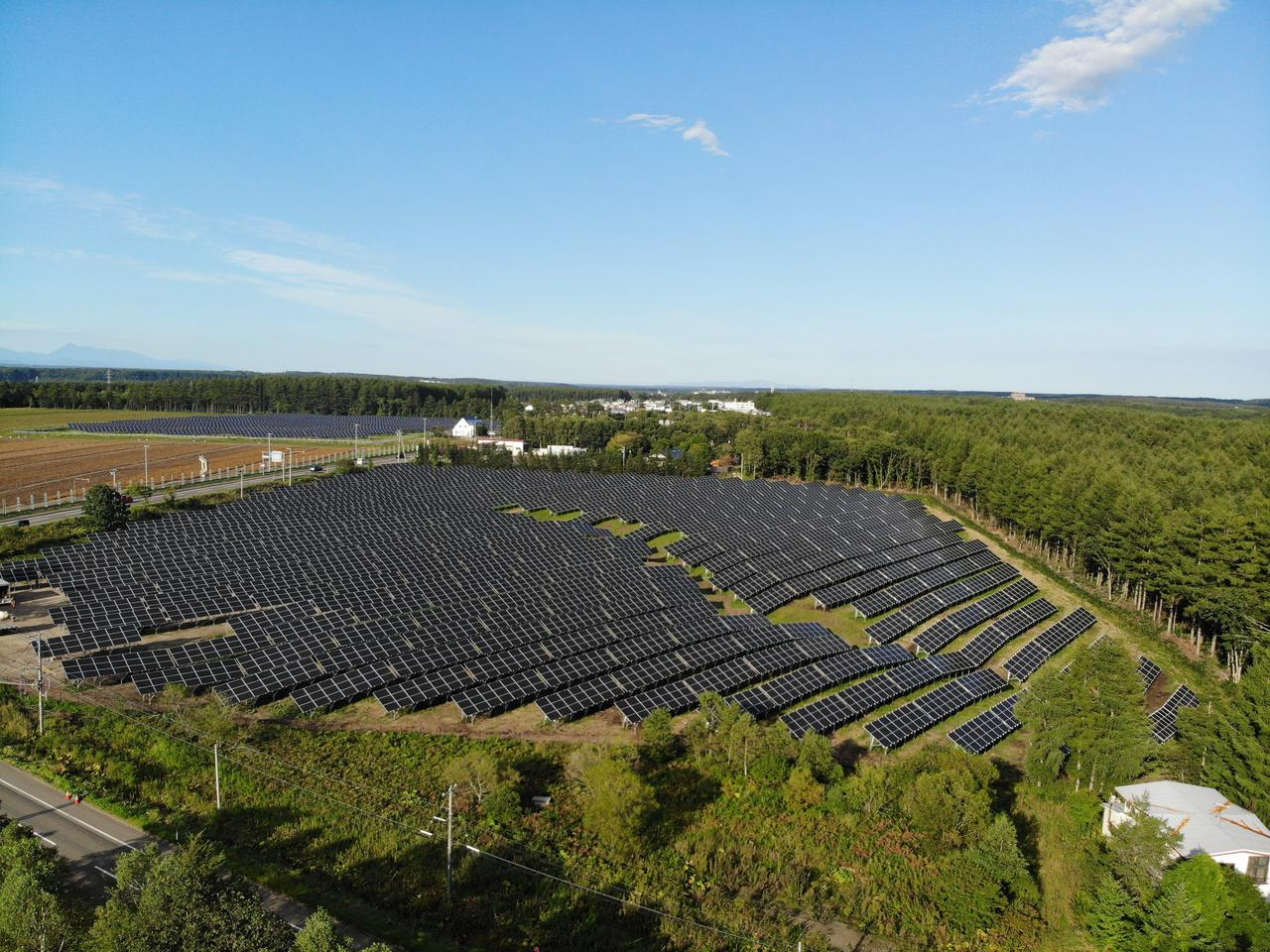
The Looop Nakashibetsu solar power plant, which produces enough power for 6,100 households   Photo: Courtesy of Looop

In addition to creating this clean energy, there is also the challenge of controlling it. “Renewable energy input goes up and down, so one of our main strengths is creating ways to ensure a steady, reliable supply to consumers,” he explains. “We can manage this by installing large scale batteries in renewable energy power plants as well as similar, smaller versions in peoples’ homes.”  Morita points out it is unusual for a small venture to be able to provide such a consistent value chain, from energy creation to management and distribution.

Their expertise is now being put to work to benefit people across Japan. The Tokyo Metropolitan Government (TMG) announced the Zero Emission Tokyo Strategy 2020 Update & Report in March 2021.

In the face of both the climate and energy crisis, the TMG created a number of public-private funds to address these issues, to promote structural change toward decarbonization and improving energy self-sufficiency, along with working to advance green finance. The Sustainable Energy Fund was established to promote the development of renewable energy power plants and clean energy bases. An open call for candidates to operate the fund was held in November 2021, and Looop was selected after a review in December.
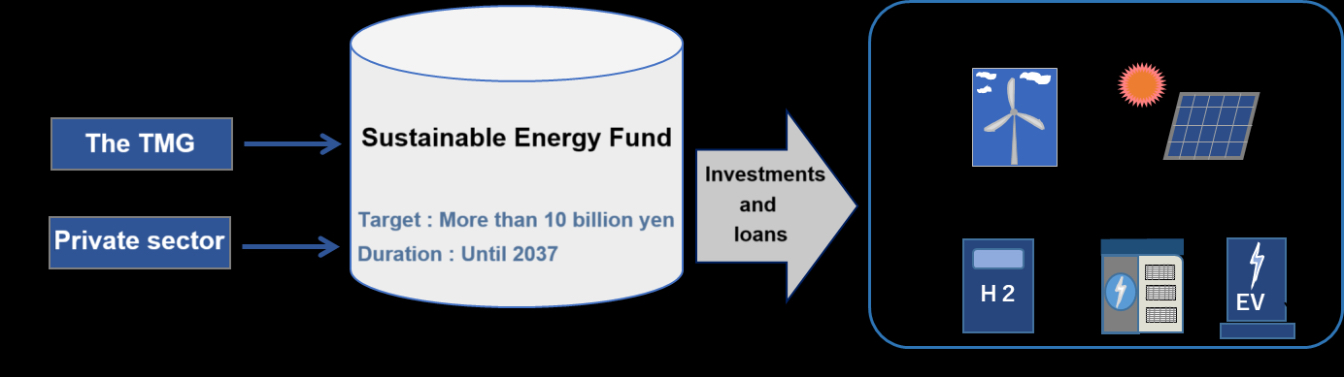
The Sustainable Energy Fund’s strategic plans   Photo: Courtesy of Looop

Supporting the TMG’s Goals of Decarbonization

The TMG invested 1 billion yen in the Sustainable Energy Fund in March 2022, and going forward they are looking to attract investments from a wide range of private companies and grow the budget to 10 billion yen.

Around 88 percent of Japan’s energy sources are imported, which adds another layer of urgency to both Looop and the government’s goal of rapidly expanding the use of renewable energy.

The Wind Farm Toyotomi     Photo: Courtesy of Looop

“While of course the climate goals are paramount, a country being able to produce their own energy is also important for safety and economic reasons,” says Morita. “This is a huge goal, so cannot be achieved only by private companies or governmental agencies on their own. The Tokyo Metropolitan Government understands this, and created the Sustainable Energy Fund so that all the various groups can work together.”

The first project funded was that of the Wind Farm Toyotomi in Hokkaido, a joint venture between Looop and Chubu Electric Power. Construction started in 2022, and the 8 turbines began creating power in March 2024, producing around 77 million kWh yearly, enough to provide clean energy for 25,000 households. And this is just the start.

“As a fund partner, we are accepting applications for new projects. Besides increasing the number of solar, wind and geothermal power plants, we are also looking into bringing together smaller plants to create a stronger network,” says Morita. He also mentions that energy management and creating a stronger infrastructure for large scale batteries are likely to also be on the horizon.

He notes that “while relying on renewable energy is needed, it is also not easy to make a reality. But through the fund, risk management and building up model cases, we can create a virtuous circle.” It is a key priority for Japan to make renewable energy its main source of power by 2050, and the Sustainable Energy Fund is providing impetus for this positive change.


Morita Takumi
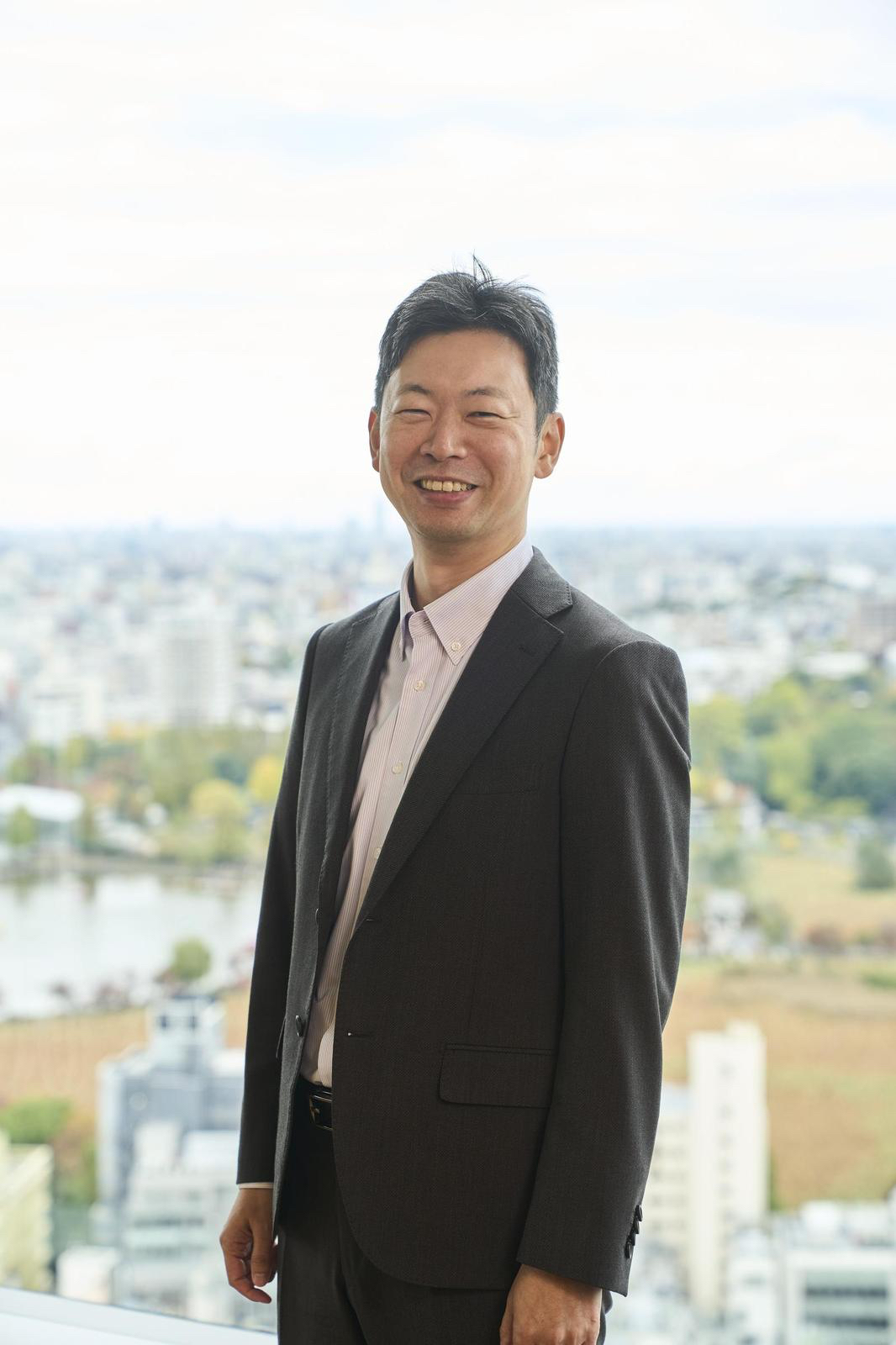
Morita Takumi is a graduate of the Keio University Graduate School of Business Administration. He joined Looop in 2012 after working as a system engineer, project manager, and general manager at a Chinese IT venture. After serving as a business director and director in charge of the solar power plant EPC, solar power generation and wind power generation business, he became the representative director and president COO in April 2023, and assumed his current position as CEO in April 2024

Looop Inc.

https://looop.co.jp/

Interview and writing by Chiara Terzuolo

Photos by Fujishima Ryo

To read the original article and more stories about what Tokyo offers, please visit Tokyo Updates’ website. 


Click here for the Japanese version of the article

Tags: Climate PolicyEnergy TransitionJapanRenewable EnergySolar PowerStartupsTokyoTokyo UpdatesZero Emissions
Previous Post

INTERVIEW | How to build a successful startup community ー Interview with Tim Rowe at Cambridge Innovation Center (Part 2)

Next Post

INTERVIEW | How to build a successful startup community ー Interview with Tim Rowe at Cambridge Innovation Center (Part 3)

Tokyo Updates

Tokyo Updates

Related Posts

Japan leads global collaboration to combat AI disinformation
AI

Japan leads global collaboration to combat AI disinformation

by Ayaka Sagasaki
03/16/2026
Deals

More than 700 startups to gather at SusHi Tech Tokyo 2026, Asia’s largest global innovation conference

by Toshi Maeda
02/20/2026
Clean Tech

Japanese startup turns eggshell waste into eco-friendly plastics and paper

by Yoshiko Ohira
02/06/2026
Anime

World-first “anime character-based therapy” trial to test effectiveness in Japanese young adults

by Lucas Maltzman
01/30/2026
Earth

A world first: Detecting road sinkholes from space

by Ayaka Sagasaki
01/30/2026
Next Post

INTERVIEW | How to build a successful startup community ー Interview with Tim Rowe at Cambridge Innovation Center (Part 3)

Leave a Reply Cancel reply

Your email address will not be published. Required fields are marked *

Videos

Round-Up Video #30

10/13/2022

Round-up Video #25

09/01/2022

Round-up Video #22

07/28/2022

Browse by Tags

Ai Alternative Energy biotechnology Climate Change Community decarbonization Education Event Food foodtech Health Inclusion Infrastructure Innovation Interview J-Stories Japan Japan-Taiwan Innovation Summit Japan startups Japan Tech Labor Living Nature Podcast Recycling Refugees robotics Society Space Startup Startup Ecosystem Startups SusHI Tech Tokyo Sustainability Sustainable Society Taiwan Technology Tokyo Tokyo Innovation Base Tokyo Metropolitan Government Tokyo Updates venture capital video Wealth Zero Waste
JStories

©Articles and photos published on JSTORIES are protected by Japanese copyright law and international treaties. They cannot be reproduced without the permission of the copyright holders

Explore JStories

  • About Jstories
  • Company
  • Contact
  • Home
  • Partner Press Releases
  • Pricing
  • Privacy Policy
  • Team

Follow Us

Welcome Back!

Login to your account below

Forgotten Password?

Retrieve your password

Please enter your username or email address to reset your password.

Log In
No Result
View All Result
  • Home
  • AI
    • Artificial Intelligence
    • Robotics
    • Mobility
  • Earth
    • Energy
    • Climate Tech
    • AgriTech
    • Clean Tech
    • Disaster Tech
    • SpaceTech
  • Life Sciences
    • BioTech
    • HealthTech
    • MedTech
    • AgeTech
  • Society
    • Media
    • EdTech
    • Diversity
    • FemTech
    • HRTech
    • LegalTech
    • Social Impact
    • FinTech
    • Anime
  • Lifestyle
    • FoodTech
    • FashionTech
    • BeautyTech
    • Wellbeing
    • Art & Music
  • Travel
    • Adventure Travel
    • Luxury Travel
    • Wellness & Medical Tourism
    • Culture
  • Video
  • Deals
    • Venture Capital
    • M&A
    • Startup Events
    • Ecosystem Support
  • Interview
  • Opinion

©Articles and photos published on JSTORIES are protected by Japanese copyright law and international treaties. They cannot be reproduced without the permission of the copyright holders

Are you sure want to unlock this post?
Unlock left : 0
Are you sure want to cancel subscription?