


Tokyo Updates offers in-depth insights into the latest innovations, developments, and initiatives shaping Tokyo as a leading global city. JStories brings you solutions-focused content from Tokyo Updates, highlighting the creative solutions and groundbreaking efforts emerging from Tokyo.
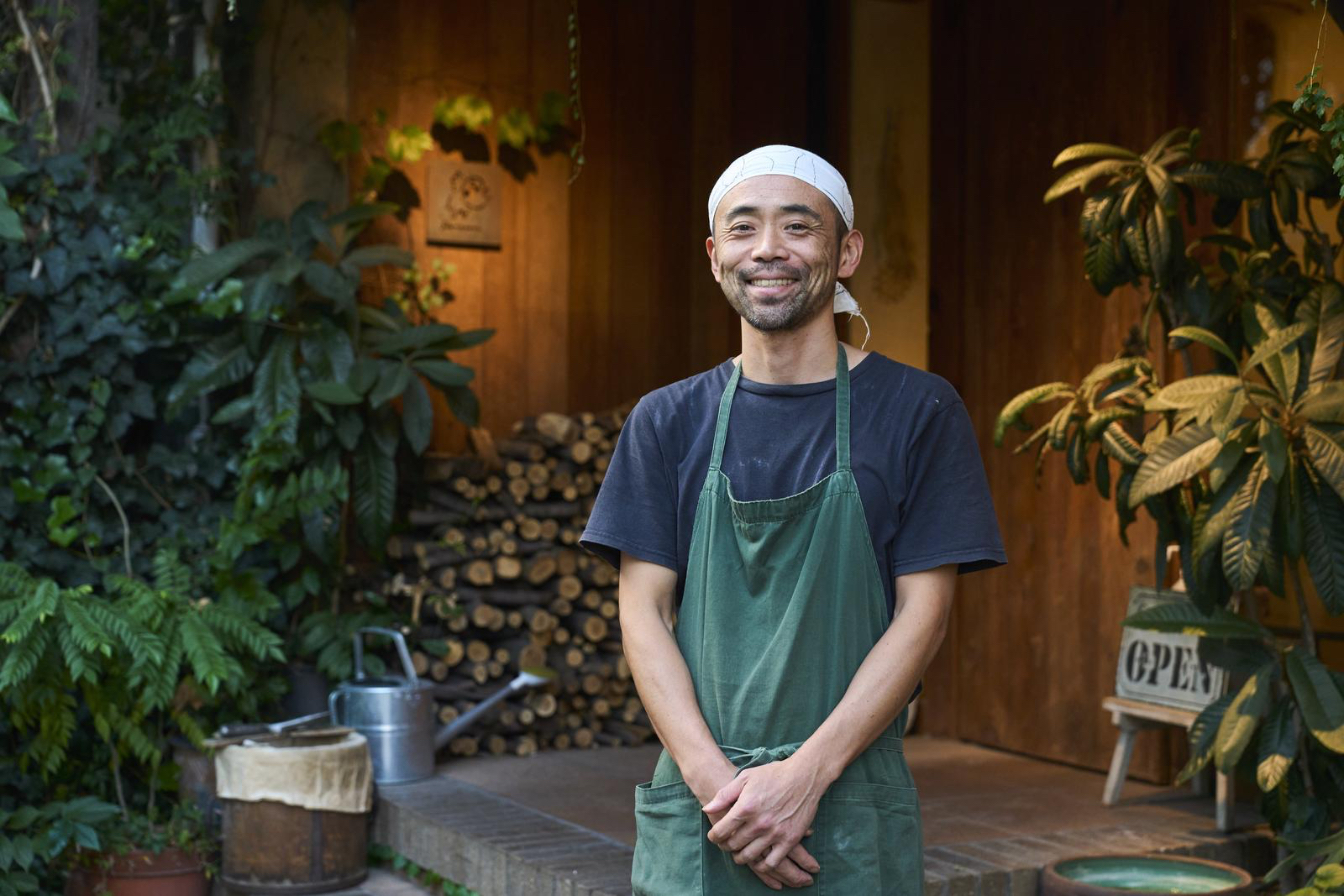
Panya Shiomi in Yoyogi, Tokyo, is a bakery committed to environmentally conscious, sustainable breadmaking. Its loaves, baked in a traditional wood-fired oven, have a rich, complex flavor. We spoke with owner Shiomi Satoshi about how his approach to baking can help address challenges in the community and wider society, and about his vision for the future.
Tokyo’s diversity welcomes bread in all its forms
Shiomi initially began preparing to open his bakery in Odawara, a coastal city about 80 km southwest of Tokyo, where he grew up. Because he planned to use a wood-fired oven, he felt it made sense to be near the mountains, where he could source firewood. But as preparations progressed, a visit to the bread aisle of a neighborhood supermarket left him questioning whether the kind of bread he wanted to make would be appreciated there.
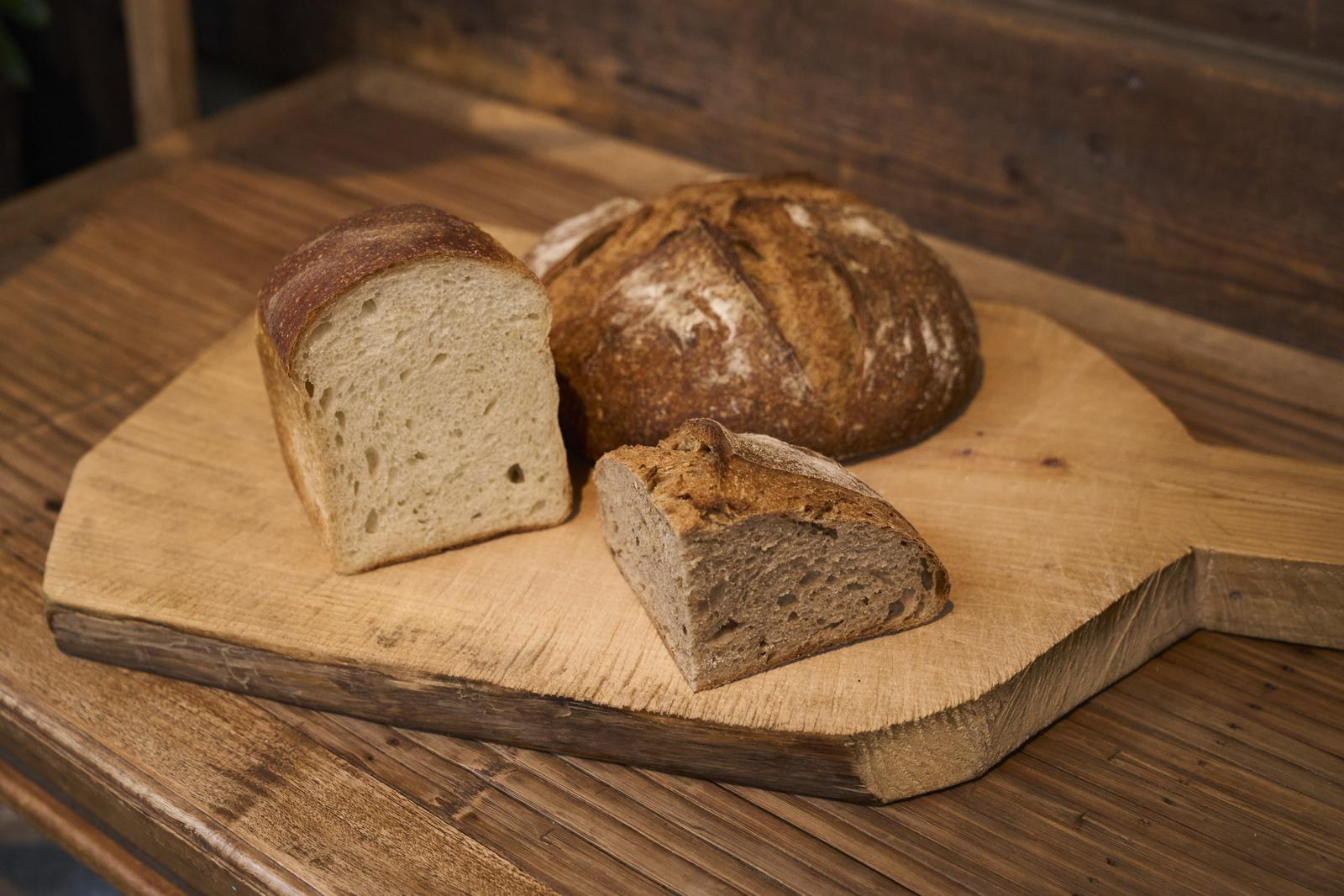
Panya Shiomi offers two types of bread: shokupan and pain de campagne. Both are simple breads meant to accompany meals, yet they differ from the varieties commonly found in supermarkets. Shiomi’s pain de campagne, made with whole-wheat flour, has a naturally brown crumb. It offers a firm, satisfying chew, with the flavor of wheat and the bright acidity of the starter coming through, giving it a distinctive character.
“I had already decided I wanted to bake bread in a wood-fired oven. The kind of large, rustic loaves I make now are exactly what suit that style of oven. I spent a year thinking about where bread like this might find an audience, and I kept coming back to Tokyo. It is a city with a large population where diverse values coexist.”
From there, his search for a location began anew, eventually leading him to Yoyogi, a residential neighborhood near Shinjuku.
“Setting up the shop began with building the wood-fired oven. I dug into the dirt floor and laid the bricks myself, redoing them again and again. It took about six months to complete.”
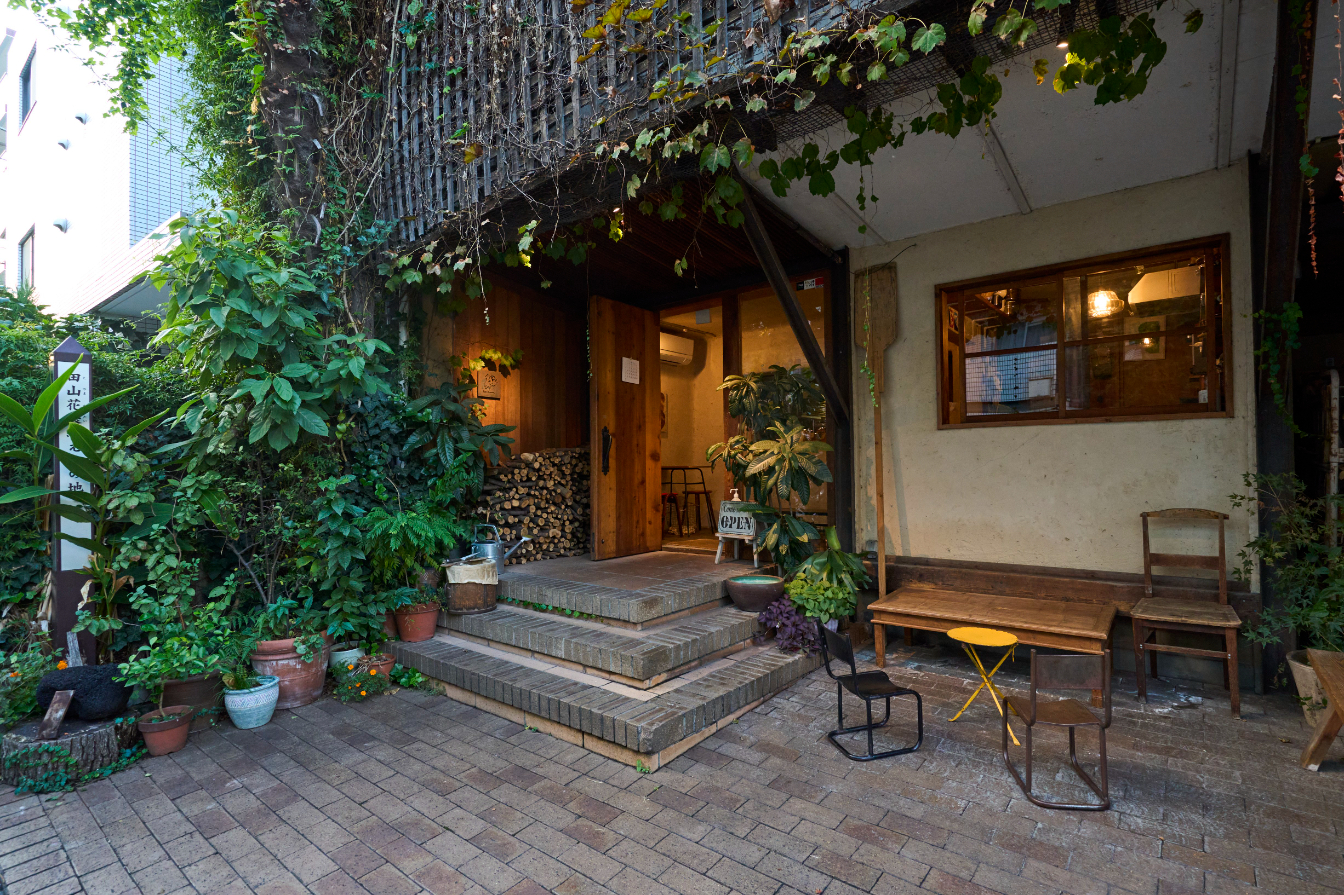
The joy of baking with wood and fire
Shiomi describes the appeal of the wood-fired oven simply: it makes the work enjoyable.
“The way the fire penetrates the dough is completely different, and so is the quality of the heat itself. My pain de campagne develops a thick, aromatic crust. I think it is a bread that can only be made in a wood-fired oven.”
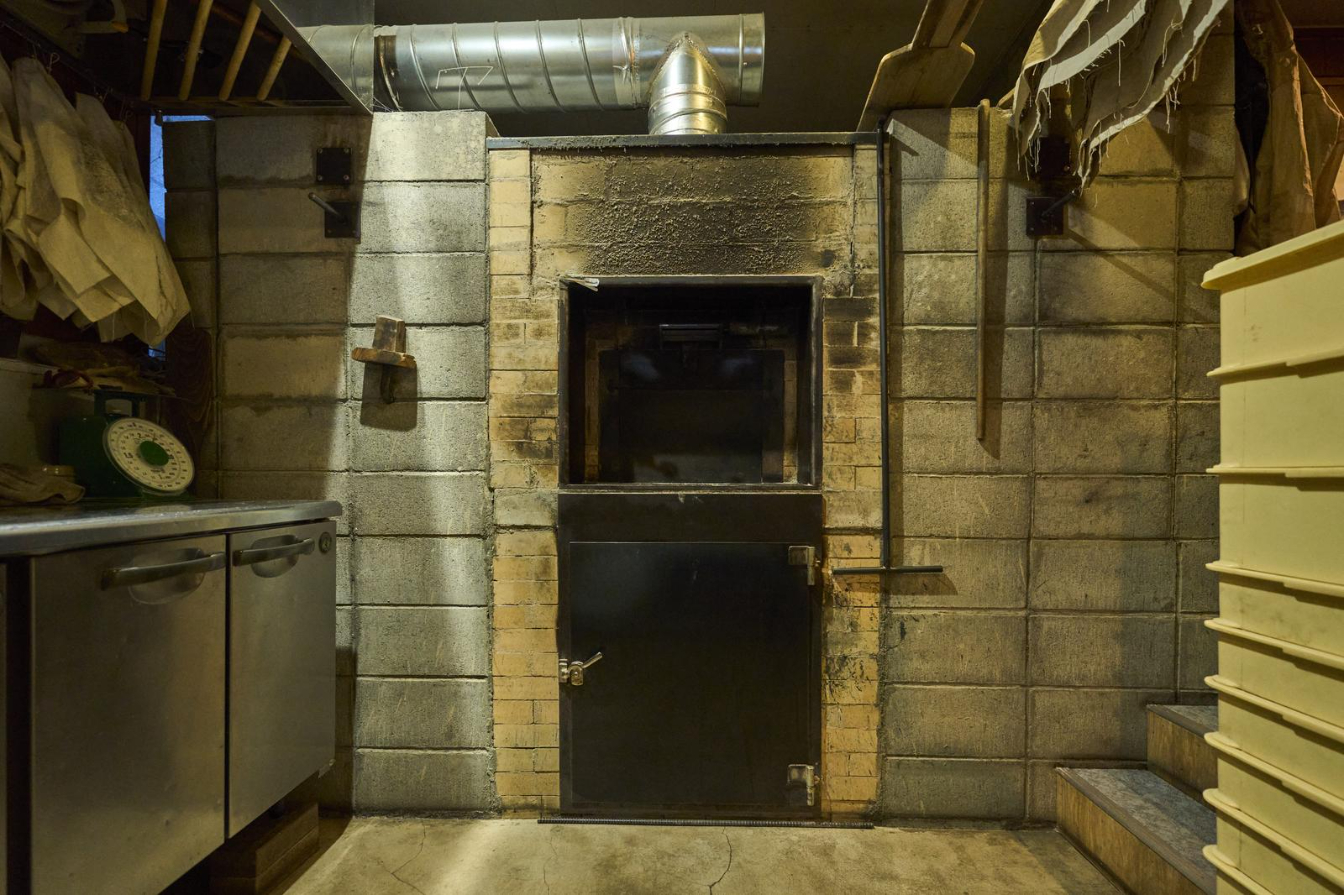
The work, however, is far from simple. The fire changes its character depending on the weather and the condition of the wood. The same is true of the Japanese wheat and the starter Shiomi uses. Each day, he adjusts his process in dialogue with these elements, continually striving to create bread he can be satisfied with.
Even after five years, he says he is still making discoveries, and that is what keeps the work engaging.
A cycle of wood and ash
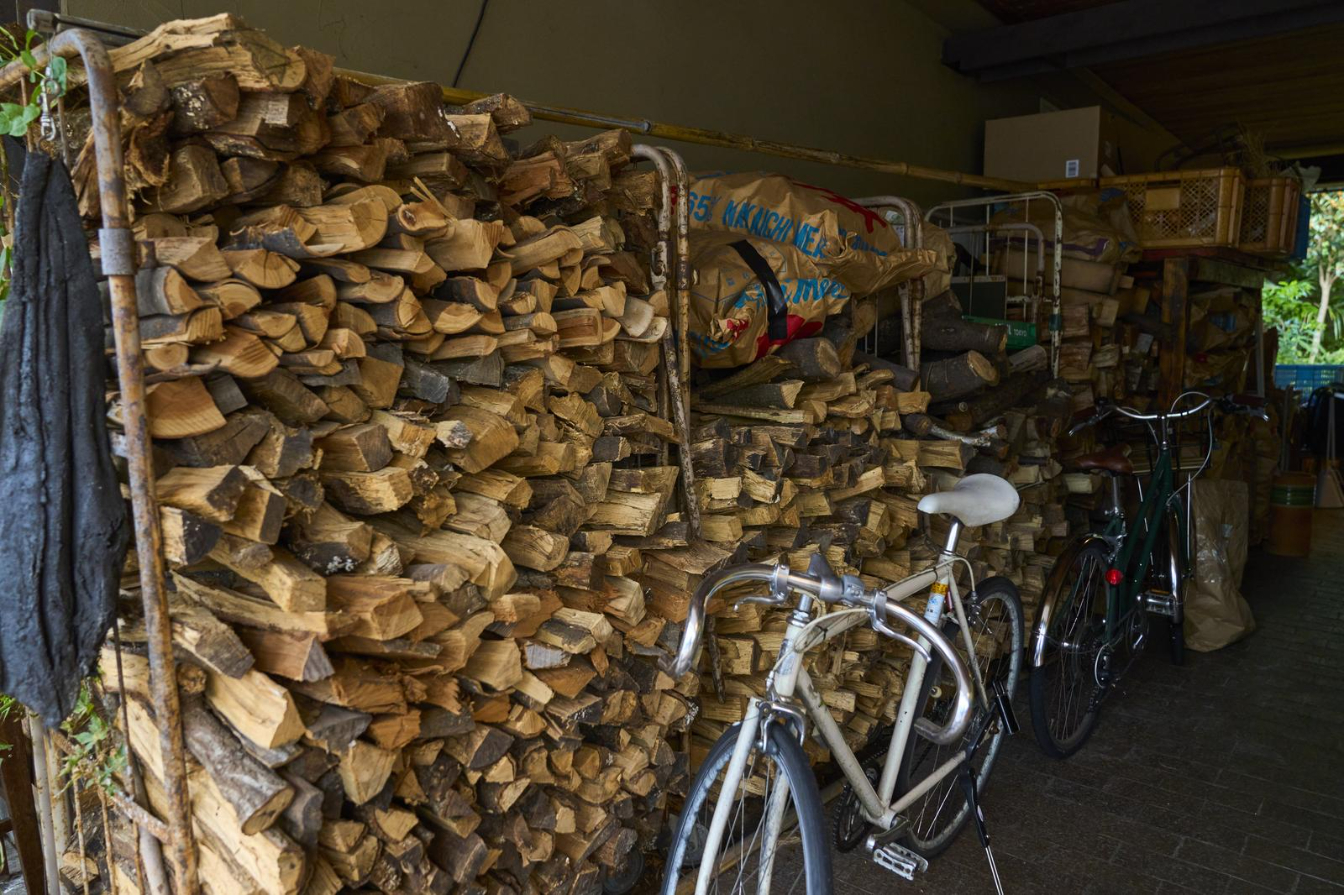
Sourcing firewood is another important part of the work. Rather than buying from suppliers who would let him specify the wood species, size, or dryness, Shiomi accepts wood that would otherwise be difficult to dispose of—trees felled for various reasons or fallen timber. While commercial firewood would provide a more stable fire and improve efficiency, he prefers to reuse wood that might otherwise go to waste, keeping resources in circulation.
“I sometimes receive pruned or felled garden trees from neighbors. There’s also someone from Hachioji who brings me extra firewood, and we barter—I take the firewood and give them bread in return.”
After burning the firewood, he places the ash in a container in front of the shop where passersby can take it freely.
Shiomi explains that ash contains nutrients like potassium and calcium that improve soil quality when added to it. Recently, a neighbor who had taken some ash returned to share the results: they had grown excellent myoga (Japanese ginger) and brought some over as a gift. The ash is also popular with indigo dyers, he adds.
The oven’s heat as a community resource
Panya Shiomi also works to make effective use of the heat itself. On days the bakery is open, he makes the wood-fired oven available to the public. The idea came from a French chef who told him that, as a child, they would borrow the wood-fired oven at their neighborhood bakery to cook.
“I usually finish baking around noon. The oven stays warm for a long time after that, so I thought people should be able to make use of that heat. If you put meat or vegetables in a heatproof pot with a lid and leave it in the oven for an hour and a half to two and a half hours, everything cooks through completely, but the way the heat penetrates is totally different from other cooking methods. Potatoes, for example, come out incredibly fluffy. A local community kitchen that feeds children also uses the oven to roast sweet potatoes.”
While the bakery maintains close ties to the local community, it is also attracting a growing number of international visitors who come specifically for the bread.
Shiomi notes that more people are becoming interested in the craft of breadmaking. Some international visitors even watch the wood-fired oven intently from inside the shop.
Opportunities to see fire up close have become rare in recent years, yet at Panya Shiomi, the oven has become a place where people increasingly connect.
He explains that what began as an interest in the wood-fired oven has led to something he deeply enjoys: the connections it creates. Looking ahead, he hopes to source more firewood locally, taking in wood from nearby that people are struggling to dispose of and putting it to good use.
In the heart of Tokyo, Shiomi continues his dialogue with nature while deepening connections with his neighbors. His approach to breadmaking, grounded in the circulation of resources, points toward a model for sustainability and community building in the years to come.
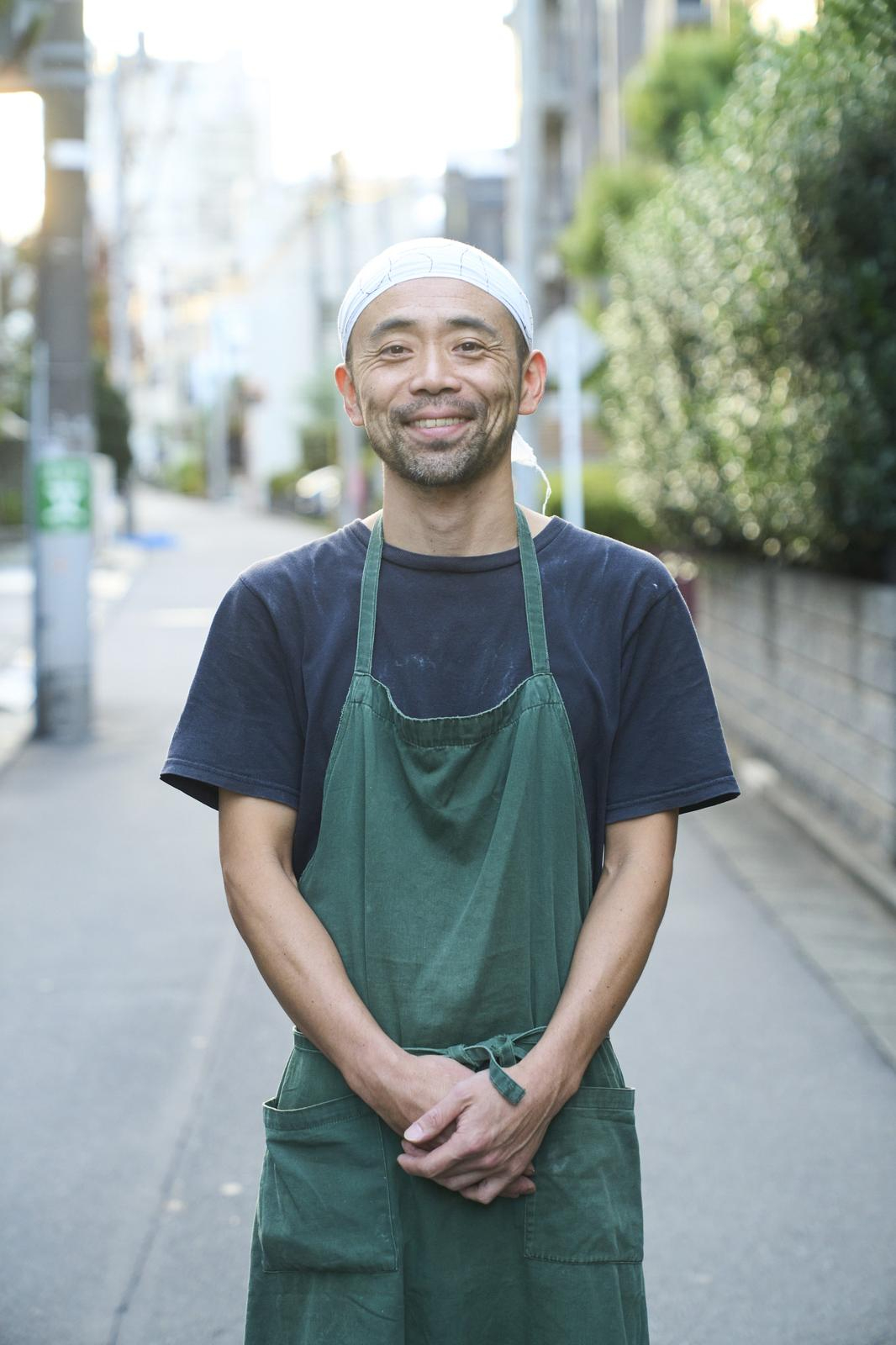
Panya Shiomi
https://www.instagram.com/shiomi_pain
Interview and writing by Imaizumi Aiko
Photos by Fujishima Ryo
Translation by Luna Lys
To read the original article and more stories about what Tokyo offers, please visit Tokyo Updates’ website
Click here for the Japanese version of the article