• Login
Upgrade
JStories
  • 日本語
  • 中文 (中国)
No Result
View All Result
  • Home
  • AI
    • Artificial Intelligence
    • Robotics
    • Mobility
  • Earth
    • Energy
    • Climate Tech
    • AgriTech
    • Clean Tech
    • Disaster Tech
    • SpaceTech
  • Life Sciences
    • BioTech
    • HealthTech
    • MedTech
    • AgeTech
  • Society
    • Media
    • EdTech
    • Diversity
    • FemTech
    • HRTech
    • LegalTech
    • Social Impact
    • FinTech
    • Anime
  • Lifestyle
    • FoodTech
    • FashionTech
    • BeautyTech
    • Wellbeing
    • Art & Music
  • Travel
    • Adventure Travel
    • Luxury Travel
    • Wellness & Medical Tourism
    • Culture
  • Video
  • Deals
    • Venture Capital
    • M&A
    • Startup Events
    • Pitch
    • Ecosystem Support
  • Interview
  • Opinion
  • Home
  • AI
    • Artificial Intelligence
    • Robotics
    • Mobility
  • Earth
    • Energy
    • Climate Tech
    • AgriTech
    • Clean Tech
    • Disaster Tech
    • SpaceTech
  • Life Sciences
    • BioTech
    • HealthTech
    • MedTech
    • AgeTech
  • Society
    • Media
    • EdTech
    • Diversity
    • FemTech
    • HRTech
    • LegalTech
    • Social Impact
    • FinTech
    • Anime
  • Lifestyle
    • FoodTech
    • FashionTech
    • BeautyTech
    • Wellbeing
    • Art & Music
  • Travel
    • Adventure Travel
    • Luxury Travel
    • Wellness & Medical Tourism
    • Culture
  • Video
  • Deals
    • Venture Capital
    • M&A
    • Startup Events
    • Pitch
    • Ecosystem Support
  • Interview
  • Opinion
en English ja 日本語 zh 中文 (中国)
JStories
No Result
View All Result

The diversity potential of augmented reality sport

Yui Sawada by Yui Sawada
04/28/2022
in AI, Diversity, HealthTech, Life Sciences, MedTech, Robotics, Social Impact, Society
0
Home AI
Share on FacebookShare on Twitter

J-STORIES – Imagine a cross between a physical sport and a video game. Imagine if digital enhancements could compensate for differences in physical ability. And imagine if able-bodied and disabled people could play together on an equal footing.

That is Hado, an “augmented reality sport” created in 2014 by Tokyo-based startup Meleap Inc. In the team game, players physically move about and try to score goals. But they also wear headsets, shoot energy balls and defend themselves with virtual shields.
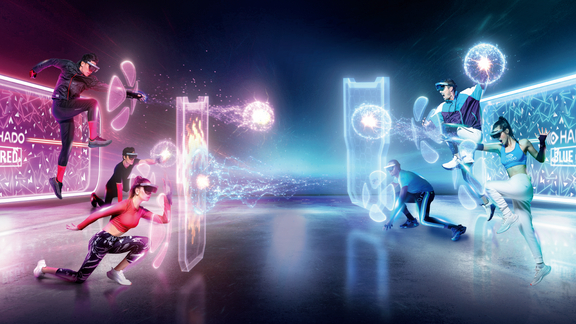
An illustration of a Hado game. Each game lasts 80 seconds and there are up to three players on each team.      Source: Meleap

Meleap CEO Hiroshi Fukuda says he was inspired by the fantasy martial arts manga Dragon Ball. He named his game after the hadoken fireballs that often appear in Japanese manga, anime and video games.

But Hado is more than just entertainment. Since April 2022, the Shibaura Institute of Technology has been using Hado in its physical education classes to research new ideas for sports and new devices. Players use not just their own physical abilities but also digital abilities such as ball speed or shield strength.

Because these digital powers can be adjusted for each player, Hado is well suited to parasports. In fact, people of different ages and with different disabilities or abilities can all play the e-sport together.
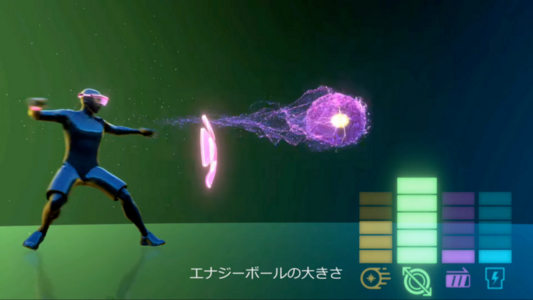
Elements such as the size of the energy ball can be adjusted for individual players.      Source: Meleap

Hado is also being used in medical settings, such as a day care program at the Sanmaibashi hospital north of Tokyo. Day patients in the psychiatric department have fun playing Hado alongside others who are knitting, watching movies, and doing yoga or other activities.

Hado is now being played in 109 locations in 39 countries. In April 2022, Meleap opened its Hado flagship store in Tokyo’s fashionable Odaiba waterfront area. The company also has plans to invite instructors in the AR sport from abroad to teach non-Japanese players at the new facility.
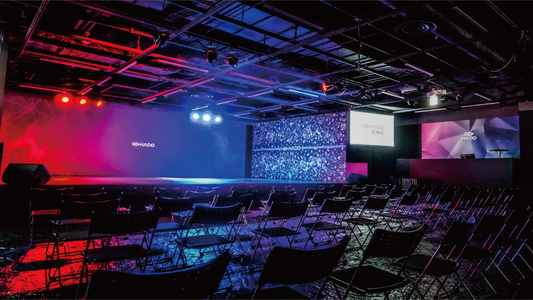
The Hado Arena, Meleap’s flagship store in Tokyo’s Odaiba. Up to 232 people can watch matches.      Source: Meleap

Ayumu Nara, an event promoter at Meleap, told J-Stories: “We believe that we need to develop Hado in various forms to popularize it around the world.”

“We’d like to see more people having fun with Hado as we apply it to different fields such as professional sports, recreation and physiotherapy,” he said. “That way, people would enjoy it even more.”

Translation and Editing by Tony McNicol

Top page photo by Meleap

For inquires about this article, please contact us at jstories@pacificbridge.jp


Click here for the Japanese version of the article.

Tags: ArE-SportInclusionParasportsSportVideo Game
Previous Post

Round-up Video #9

Next Post

Interview with Japan’s refugee matchmaker

Yui Sawada

Yui Sawada

Related Posts

Japan leads global collaboration to combat AI disinformation
AI

Japan leads global collaboration to combat AI disinformation

by Ayaka Sagasaki
03/16/2026
HealthTech

Engineering safety from the ground up

by Tokyo Updates
02/13/2026
Anime

World-first “anime character-based therapy” trial to test effectiveness in Japanese young adults

by Lucas Maltzman
01/30/2026
Social Impact

From a childhood shaped by conflict to an investor bridging Japan and the world

by Ayaka Sagasaki
01/23/2026
BioTech

Toward a targeted therapy with fewer side effects for chronic allergic eye disease

by Yoshiko Ohira
01/08/2026
Next Post

Interview with Japan's refugee matchmaker

Leave a Reply Cancel reply

Your email address will not be published. Required fields are marked *

Videos

Round-up Video #24

08/25/2022

Round-up Video #13

05/26/2022

Round-Up Video #39

12/22/2022

Browse by Tags

Ai Alternative Energy biotechnology Climate Change Community decarbonization Education Event Food foodtech Health Inclusion Infrastructure Innovation Interview J-Stories Japan Japan-Taiwan Innovation Summit Japan startups Japan Tech Labor Living Nature Podcast Recycling Refugees robotics Society Space Startup Startup Ecosystem Startups SusHI Tech Tokyo Sustainability Sustainable Society Taiwan Technology Tokyo Tokyo Innovation Base Tokyo Metropolitan Government Tokyo Updates venture capital video Wealth Zero Waste
JStories

©Articles and photos published on JSTORIES are protected by Japanese copyright law and international treaties. They cannot be reproduced without the permission of the copyright holders

Explore JStories

  • About Jstories
  • Company
  • Contact
  • Home
  • Partner Press Releases
  • Pricing
  • Privacy Policy
  • Team

Follow Us

Welcome Back!

Login to your account below

Forgotten Password?

Retrieve your password

Please enter your username or email address to reset your password.

Log In
No Result
View All Result
  • Home
  • AI
    • Artificial Intelligence
    • Robotics
    • Mobility
  • Earth
    • Energy
    • Climate Tech
    • AgriTech
    • Clean Tech
    • Disaster Tech
    • SpaceTech
  • Life Sciences
    • BioTech
    • HealthTech
    • MedTech
    • AgeTech
  • Society
    • Media
    • EdTech
    • Diversity
    • FemTech
    • HRTech
    • LegalTech
    • Social Impact
    • FinTech
    • Anime
  • Lifestyle
    • FoodTech
    • FashionTech
    • BeautyTech
    • Wellbeing
    • Art & Music
  • Travel
    • Adventure Travel
    • Luxury Travel
    • Wellness & Medical Tourism
    • Culture
  • Video
  • Deals
    • Venture Capital
    • M&A
    • Startup Events
    • Ecosystem Support
  • Interview
  • Opinion

©Articles and photos published on JSTORIES are protected by Japanese copyright law and international treaties. They cannot be reproduced without the permission of the copyright holders

Are you sure want to unlock this post?
Unlock left : 0
Are you sure want to cancel subscription?