• Login
Upgrade
JStories
  • 日本語
  • 中文 (中国)
No Result
View All Result
  • Home
  • AI
    • Artificial Intelligence
    • Robotics
    • Mobility
  • Earth
    • Energy
    • Climate Tech
    • AgriTech
    • Clean Tech
    • Disaster Tech
    • SpaceTech
  • Life Sciences
    • BioTech
    • HealthTech
    • MedTech
    • AgeTech
  • Society
    • Media
    • EdTech
    • Diversity
    • FemTech
    • HRTech
    • LegalTech
    • Social Impact
    • FinTech
    • Anime
  • Lifestyle
    • FoodTech
    • FashionTech
    • BeautyTech
    • Wellbeing
    • Art & Music
  • Travel
    • Adventure Travel
    • Luxury Travel
    • Wellness & Medical Tourism
    • Culture
  • Video
  • Deals
    • Venture Capital
    • M&A
    • Startup Events
    • Pitch
    • Ecosystem Support
  • Interview
  • Opinion
  • Home
  • AI
    • Artificial Intelligence
    • Robotics
    • Mobility
  • Earth
    • Energy
    • Climate Tech
    • AgriTech
    • Clean Tech
    • Disaster Tech
    • SpaceTech
  • Life Sciences
    • BioTech
    • HealthTech
    • MedTech
    • AgeTech
  • Society
    • Media
    • EdTech
    • Diversity
    • FemTech
    • HRTech
    • LegalTech
    • Social Impact
    • FinTech
    • Anime
  • Lifestyle
    • FoodTech
    • FashionTech
    • BeautyTech
    • Wellbeing
    • Art & Music
  • Travel
    • Adventure Travel
    • Luxury Travel
    • Wellness & Medical Tourism
    • Culture
  • Video
  • Deals
    • Venture Capital
    • M&A
    • Startup Events
    • Pitch
    • Ecosystem Support
  • Interview
  • Opinion
en English ja 日本語 zh 中文 (中国)
JStories
No Result
View All Result

Tokyo startup taps hot spring microbe to combat climate change

Ayaka Sagasaki by Ayaka Sagasaki
09/12/2025
in Environment
0
Home Environment
Share on FacebookShare on Twitter

JStories ー A microbe discovered in a Japanese hot spring could play a key role in the fight against climate change, according to Tokyo-based startup Utilization of Carbon Dioxide Institute Co. Ltd. (UCDI). Founded in 2015, the institute is developing products ranging from alternative proteins to biofuels using UCDI® hydrogen bacteria — a fast-growing, protein-rich strain first identified in 1976 by University of Tokyo Professor Emeritus Toru Kodama.

The urgency of their work lies in a growing consensus: Cutting emissions alone is no longer enough. To reach a carbon-neutral future, scientists and companies are racing to find ways to recycle the CO2 already in the atmosphere. Among the most promising approaches are hydrogen-oxidizing bacteria, a breakthrough technology showcased at Expo 2025 Osaka Kansai.

These microbes absorb and fix CO2 as they oxidize hydrogen, converting it into organic matter that can be used to produce protein, ethanol, or raw materials for biodegradable plastics. Found in soil, oceans and hot springs, hydrogen bacteria were first identified in the 1950s. But in recent years they have reemerged as one of the most promising biological tools for carbon reduction.

Electron microscope image of UCDI® hydrogen bacteria     Photo courtesy of Utilization of Carbon Dioxide Institute Co. Ltd. (Same below)

Unlike other known strains, UCDI® grows with exceptional speed. In theory, 1 gram of the bacterium can multiply into 16 tons of biomass within 24 hours. That rapid growth translates into strong economic efficiency. The strain also thrives at 52 degrees Celsius — higher than most bacteria — reducing contamination risks from other microbes. Once dried, its biomass contains 83.8% crude protein, making it a strong candidate as an alternative animal protein.
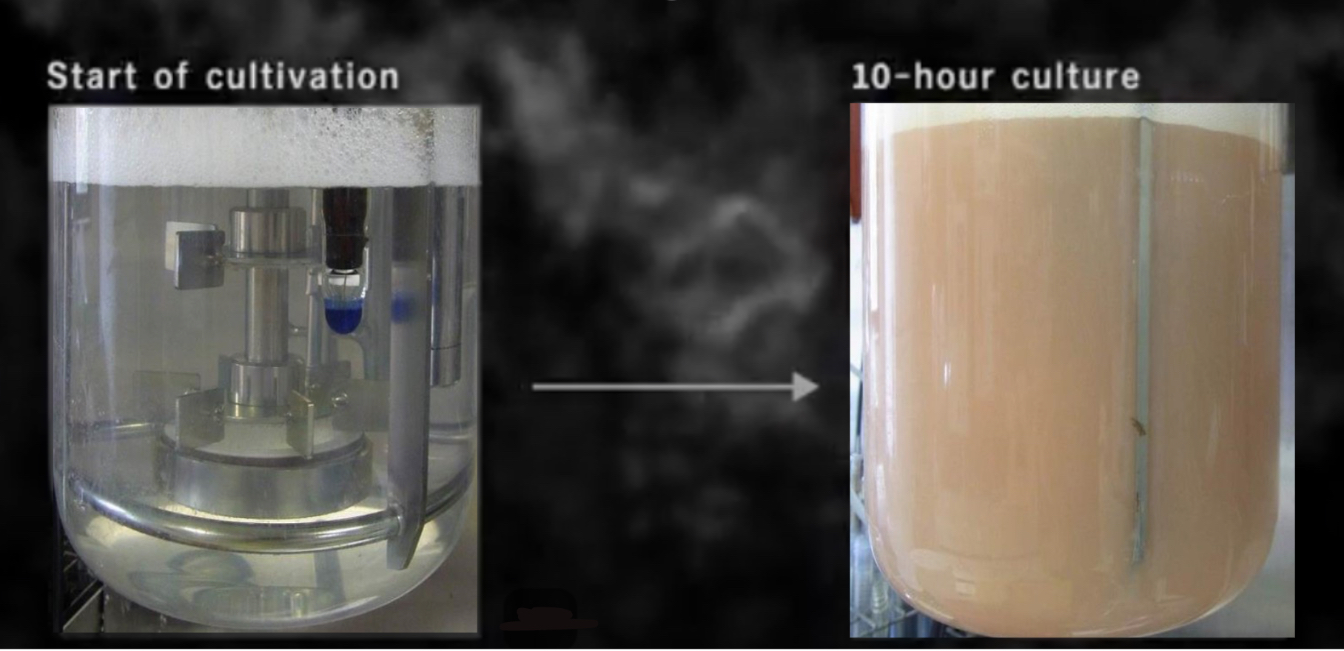
A culture of UCDI® hydrogen bacteria, shown at the start of cultivation (left) and after 10 hours (right)
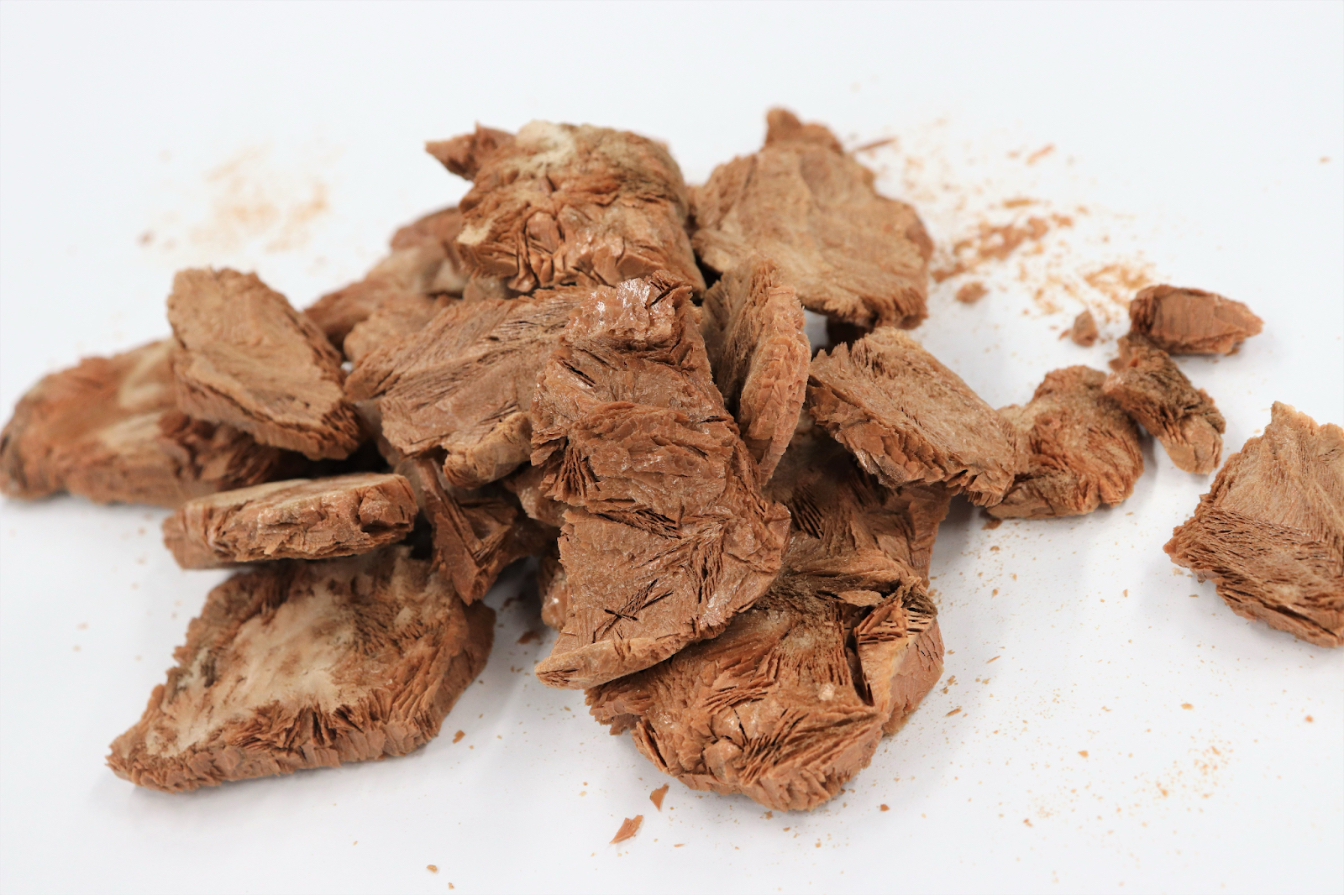
Cultivated bacterial biomass, freeze-dried for processing

For institute President Hideaki Yukawa — a former student of professor Kodama — the project is deeply personal. “I wanted to apply the microbe professor Kodama discovered in a hot spring in Izu and bring it into practical use,” he said. “Because its rapid growth also meant strong self-regulation, it took 10 years of research before we could finally make it viable.”

The institute is now working on applications including protein-rich feed for aquaculture and livestock, biodegradable plastics, and fuels. To push toward commercialization, it has partnered with major Japanese firms such as Cosmo Energy Holdings, one of the country’s leading oil and energy companies, and construction giant Obayashi.

But one obstacle looms large: the cost of hydrogen.

“If hydrogen prices fall, commercialization could accelerate dramatically,” Yukawa said. “At the same time, for things like protein powders or cosmetics, the fact that they’re produced without chemicals is itself a value. For environmentally conscious consumers, there will be demand even at a higher price.”

Yukawa studied agricultural science at the University of Tokyo, pursued biochemical research at Mitsubishi Chemical, helped establish the bio-research division of the Research Institute of Innovative Technology for the Earth (RITE), and founded the institute in 2015.
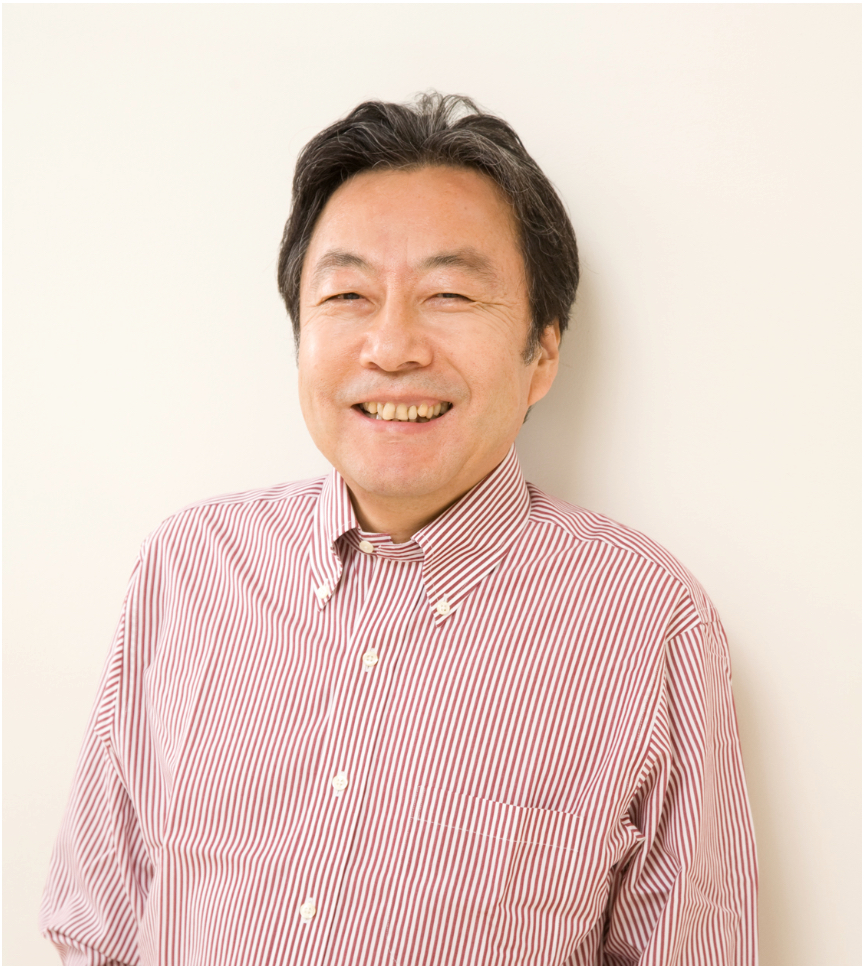
Hideaki Yukawa, president of Utilization of Carbon Dioxide Institute Co. Ltd. smiles during a photo session

The potential applications, he believes, span industries. The International Air Transport Association has pledged to achieve carbon neutrality for global airlines by 2050, with sustainable aviation fuel seen as a cornerstone of that goal. Bio-based fuel derived from hydrogen bacteria could help meet the demand.
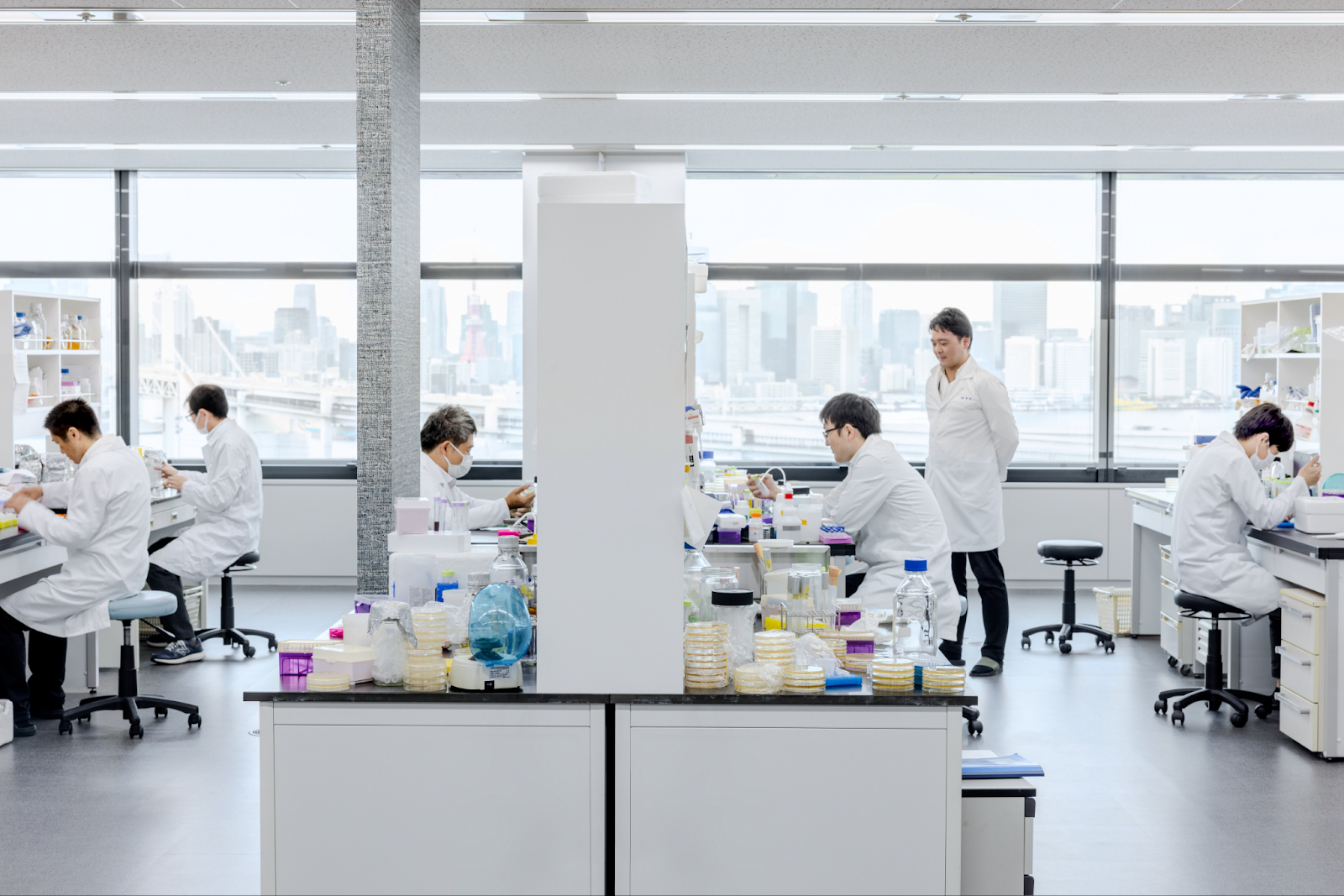
Biotechnology experts carry out research at the institute’s laboratory in Tokyo’s Odaiba district

“In Europe, where the shift away from petroleum is especially strong, there are many fields where our products can contribute,” Yukawa said. “We intend to build partnerships not only in Japan but also with overseas companies. In the near future, I believe manufacturing with microorganisms will become a core technology of an environmentally conscious society.”

Translated by Anita De Michele | JStories

Edited by Mark Goldsmith

Top photo: Envato

For inquiries regarding this article, please contact jstories@pacificbridge.jp


Click here for the Japanese version of the article
Previous Post

A pocket-size AED innovation to save more lives

Next Post

Investing in a clean future: Venture capitalists looking to Tokyo

Ayaka Sagasaki

Ayaka Sagasaki

Related Posts

Clean Tech

Greening the desert with trash

by Yui Sawada
03/23/2023
Clean Tech

Easy supply of hydrogen energy in cartridges

by Milla Ikeda
02/16/2023
Earth

Envisioning Japan’s “green metropolis” around Mount Fuji

by Toshi Maeda
02/06/2023
Earth

Envisioning Japan’s “green metropolis” around Mount Fuji

by Toshi Maeda
02/06/2023
AgriTech

A rooftop farm for all

by Ayaka Sagasaki
09/29/2022
Next Post

Investing in a clean future: Venture capitalists looking to Tokyo

Leave a Reply Cancel reply

Your email address will not be published. Required fields are marked *

Videos

Round-up Video #13

05/26/2022

INTERVIEW | Taking action for peace

11/30/2022

Round-Up Video #39

12/22/2022

Browse by Tags

Ai Alternative Energy biotechnology Climate Change Community decarbonization Education Event Food foodtech Health Inclusion Infrastructure Innovation Interview J-Stories Japan Japan-Taiwan Innovation Summit Japan startups Japan Tech Labor Living Nature Podcast Recycling Refugees robotics Society Space Startup Startup Ecosystem Startups SusHI Tech Tokyo Sustainability Sustainable Society Taiwan Technology Tokyo Tokyo Innovation Base Tokyo Metropolitan Government Tokyo Updates venture capital video Wealth Zero Waste
JStories

©Articles and photos published on JSTORIES are protected by Japanese copyright law and international treaties. They cannot be reproduced without the permission of the copyright holders

Explore JStories

  • About Jstories
  • Company
  • Contact
  • Home
  • Partner Press Releases
  • Pricing
  • Privacy Policy
  • Team

Follow Us

Welcome Back!

Login to your account below

Forgotten Password?

Retrieve your password

Please enter your username or email address to reset your password.

Log In
No Result
View All Result
  • Home
  • AI
    • Artificial Intelligence
    • Robotics
    • Mobility
  • Earth
    • Energy
    • Climate Tech
    • AgriTech
    • Clean Tech
    • Disaster Tech
    • SpaceTech
  • Life Sciences
    • BioTech
    • HealthTech
    • MedTech
    • AgeTech
  • Society
    • Media
    • EdTech
    • Diversity
    • FemTech
    • HRTech
    • LegalTech
    • Social Impact
    • FinTech
    • Anime
  • Lifestyle
    • FoodTech
    • FashionTech
    • BeautyTech
    • Wellbeing
    • Art & Music
  • Travel
    • Adventure Travel
    • Luxury Travel
    • Wellness & Medical Tourism
    • Culture
  • Video
  • Deals
    • Venture Capital
    • M&A
    • Startup Events
    • Ecosystem Support
  • Interview
  • Opinion

©Articles and photos published on JSTORIES are protected by Japanese copyright law and international treaties. They cannot be reproduced without the permission of the copyright holders

Are you sure want to unlock this post?
Unlock left : 0
Are you sure want to cancel subscription?