
• Login
Upgrade
JStories
  • 日本語
  • 中文 (中国)
No Result
View All Result
  • Home
  • AI
    • Artificial Intelligence
    • Robotics
    • Mobility
  • Earth
    • Energy
    • Climate Tech
    • AgriTech
    • Clean Tech
    • Disaster Tech
    • SpaceTech
  • Life Sciences
    • BioTech
    • HealthTech
    • MedTech
    • AgeTech
  • Society
    • Media
    • EdTech
    • Diversity
    • FemTech
    • HRTech
    • LegalTech
    • Social Impact
    • FinTech
    • Anime
  • Lifestyle
    • FoodTech
    • FashionTech
    • BeautyTech
    • Wellbeing
    • Art & Music
  • Travel
    • Adventure Travel
    • Luxury Travel
    • Wellness & Medical Tourism
    • Culture
  • Video
  • Deals
    • Venture Capital
    • M&A
    • Startup Events
    • Pitch
    • Ecosystem Support
  • Interview
  • Opinion
  • Home
  • AI
    • Artificial Intelligence
    • Robotics
    • Mobility
  • Earth
    • Energy
    • Climate Tech
    • AgriTech
    • Clean Tech
    • Disaster Tech
    • SpaceTech
  • Life Sciences
    • BioTech
    • HealthTech
    • MedTech
    • AgeTech
  • Society
    • Media
    • EdTech
    • Diversity
    • FemTech
    • HRTech
    • LegalTech
    • Social Impact
    • FinTech
    • Anime
  • Lifestyle
    • FoodTech
    • FashionTech
    • BeautyTech
    • Wellbeing
    • Art & Music
  • Travel
    • Adventure Travel
    • Luxury Travel
    • Wellness & Medical Tourism
    • Culture
  • Video
  • Deals
    • Venture Capital
    • M&A
    • Startup Events
    • Pitch
    • Ecosystem Support
  • Interview
  • Opinion
en English ja 日本語 zh 中文 (中国)
JStories
No Result
View All Result

Can UNESCO recognition save Japan’s shrinking sake industry?

Lucas Maltzman by Lucas Maltzman
12/15/2024
in FoodTech, Lifestyle, Social Impact, Society, Travel, Wellness & Medical Tourism
0
Home Lifestyle FoodTech
Share on FacebookShare on Twitter

J-STORIES —  Japan’s sake brewing industry is a valued art believed to date back as far as 2,500 years. Despite sake’s deep roots in Japanese culture, the industry has been facing a crisis with declining domestic sales, a shrinking number of breweries, and climate challenges affecting rice yield.

However, the recognition of sake brewing as an intangible cultural heritage of Japan by  UNESCO earlier this month, offers an opportunity for growth, especially in overseas markets. Industry leaders believe this milestone can further boost international awareness and exports, helping revive the long-valued craft.

The UNESCO recognition comes amid a growing demand for Japan’s rice wine across Asia, Europe and Latin America. Even so, exports still remain a small share of Japan’s total sake output — a significant difference from European grape wines, where the majority of production, especially in countries like Spain and Italy, is destined for overseas markets.

In an effort to broaden sake’s global appeal, some Japanese brewers have recently begun introducing non-traditional, innovative offerings — such as sparkling varieties known as “awa sake” — aimed at Western consumers. Others are capitalizing on Japan’s surge in inbound tourism, boosted in part by a weaker yen, by offering sake-focused travel experiences, or “sake tourism.”

Junichiro Ozawa, one such brewer offering a sake tour, expressed heartfelt emotions about the UNESCO recognition.

“This is a big step for sake’s very long history,” said the 18th-generation head of the Ozawa Sake Brewery in western Tokyo.
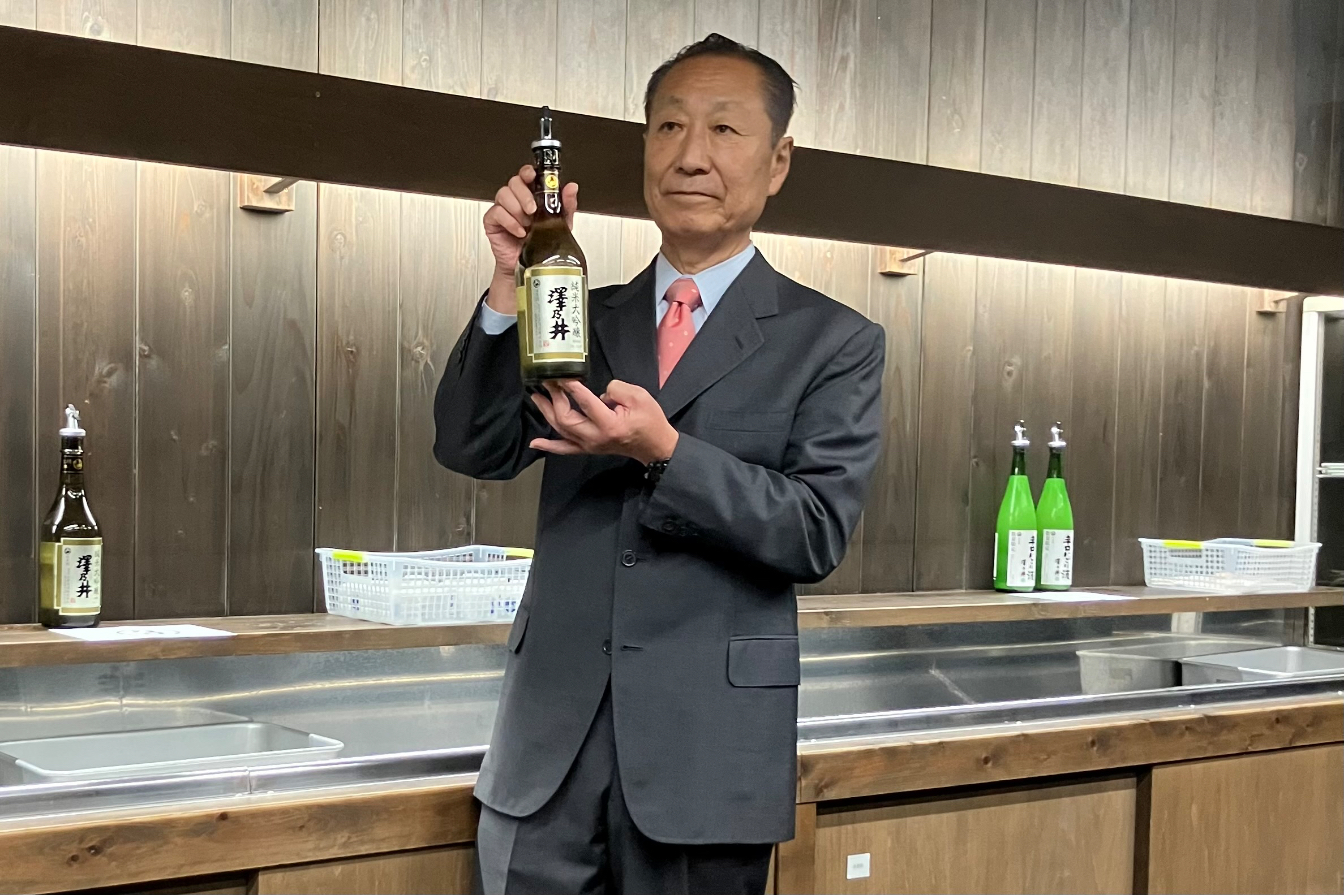
Junichiro Ozawa, the 18th-generation head of Ozawa Sake Brewery in western Tokyo, showcases sake for tasting during a recent press tour.    Source: J-Stories (Same Below)

He carries on the legacy of his family, who has been brewing sake since 1702. Deep in the mountains of the nature-rich part of Tokyo, the area is known for its fresh and abundant well water – an essential ingredient in Japanese sake production.
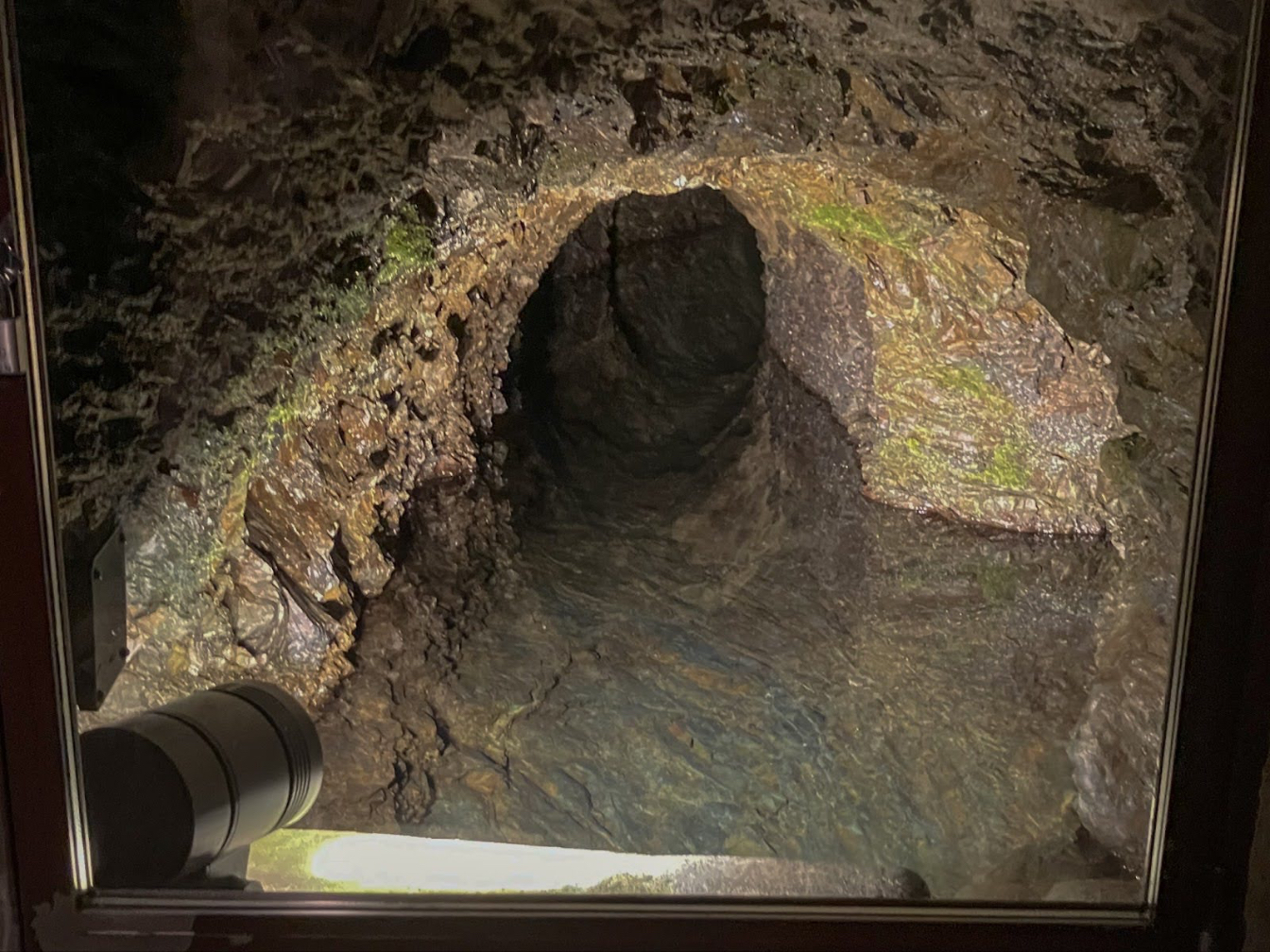
The well located at Ozawa Sake Brewery —  The water is exceptionally pure and has been used for sake brewing for centuries.      

The UNESCO designation not only honors the product but also the dedication to mastering the century-old brewing methods that define Japanese sake. From using kōji mold to the unique simultaneous saccharification and fermentation process, sake brewing stands out from other brewed alcoholic beverages such as wine or beer. Historically, sake was stored in wooden barrels. Yet modern breweries like Ozawa have turned to porcelain-enameled steel tanks to maintain consistent quality.

Hitoshi Utsunomiya, director of the Japan Sake and Shochu Makers Association (JSS), highlighted that sake brewing exemplifies the form of living tradition that UNESCO aims to preserve.

“This recognition is not a marketing tool, but it will boost awareness of sake’s deep cultural roots,” he told reporters on a recent press tour organized by the Foreign Correspondents’ Club of Japan. There are over 1,160 sake breweries in Japan, yet Utsunomiya said the number of active breweries is declining every year. The decline may be due to a shrinking domestic market, inflation, and the effects of climate on rice cultivation. Despite the sake export value increasing tenfold since 1998, 2023 showed the first decrease in over 14 years.
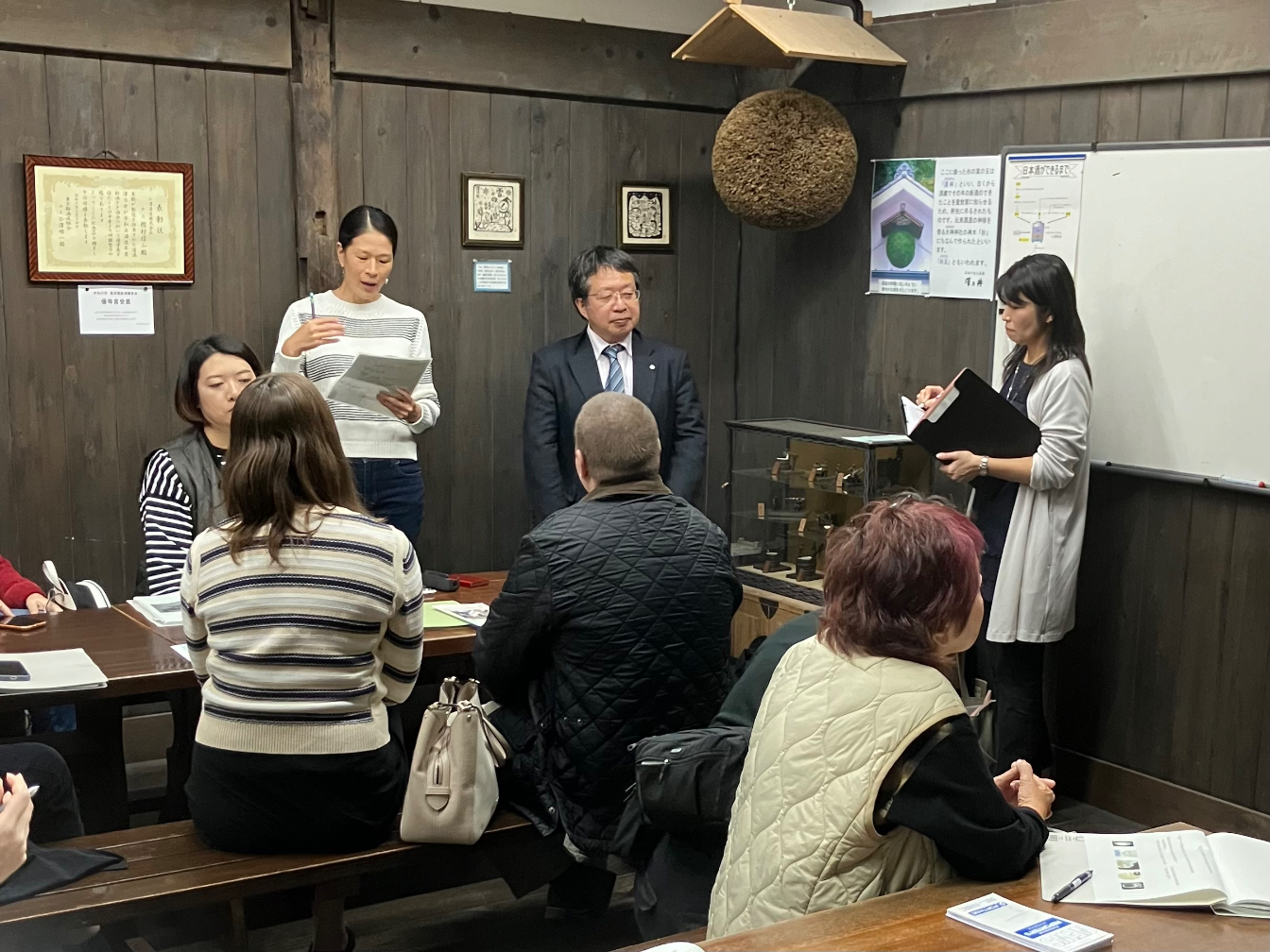
Hitoshi Utsunomiya (center) answers questions by reporters at the Ozawa Sake Brewery in western Tokyo. Above and to the right hangs a cedar ball, symbolizing the god of sake-making.     

According to Ministry of Finance trade statistics, sake exports totaled more than ¥41 billion ($265 million) in 2023, with the U.S. and China as the top consumers worldwide. The UNESCO listing is expected to boost sake’s international recognition, with Utsunomiya hoping that sake can be “celebrated similarly to the wine in Georgia or beer in Belgium.” The JSS hopes the recognition will lead to increased brewery tours nationwide, which fall behind the popularity of vineyard visits. Despite sake’s prevalence in Japan’s market, it lags in the global market. According to Fortune Business Insights, in 2023 wine had a global market value of over $230 billion, and beer over $821 billion. Sake tops out at just over $12.5 billion.
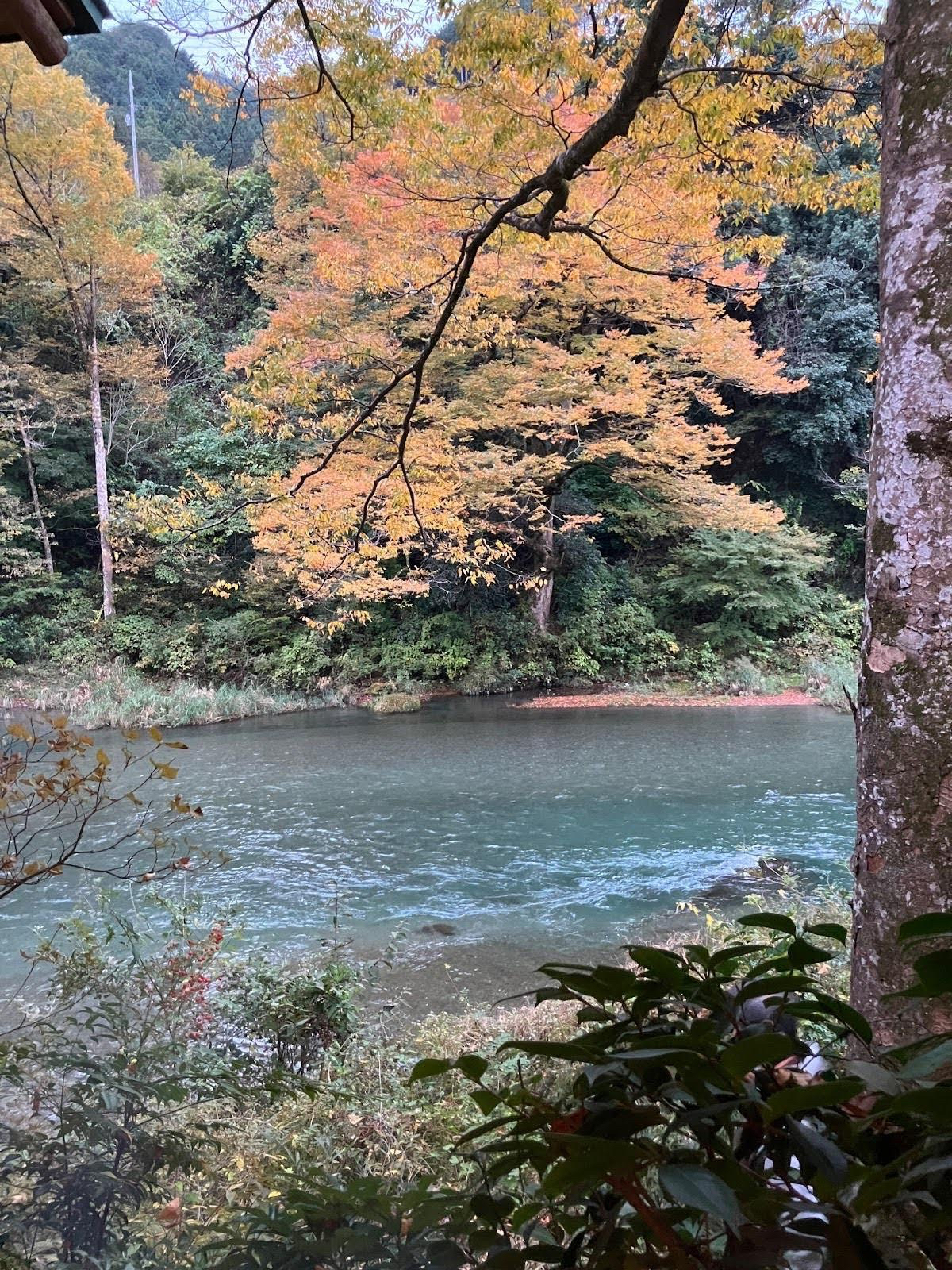
A view of the Tama River just across the street from the Ozawa Sake Brewery in nature-rich Western Tokyo. Visitors can sit at tables along the water and enjoy sake along with other delicacies.

“We want Japanese people to recognize how great their culture is,” Utsunomiya said. A cedar ball hung above during his speech symbolizing the god of sake-making. The ball, known as a Sugidama, serves as a reminder of how sake’s tradition is intertwined with Japan’s history and spiritual beliefs.

The sake brewing process is labor-intensive and requires careful precision and expertise. At Ozawa Sake Brewery, 17 workers produce sake in a cycle that can last 20 days to two months, with the fermentation process taking another 20 to 30 days. Japanese sake is designated under strict laws that separate it from sake produced in other areas of the world. For sake to be designated Japanese, it must meet requirements regarding the type of rice, kōji mold, water, and amount of distilled alcohol.

Sake currently accounts for just 0.2% of the global alcoholic beverage market. According to JSS, industry leaders are hoping to at least double this number. Efforts are underway to lower import taxes with the U.S., which is sake’s second-largest foreign consumer following China. Breweries are also figuring out how to deal with the challenges brought about by climate change, which is pushing rice production areas further north as higher temperatures are making rice grains harder to dissolve and less flavorful.

The UNESCO recognition comes at a time when sake is gaining more attention worldwide. As people discover its rich flavors and history, sake brewers hope this recognition will secure its place in the alcoholic beverage market. For breweries like Ozawa’s, this milestone is a testament to centuries of dedication to their craft and a hopeful step that future members of the Ozawa family can continue sake production for generations.

“There is no god that doesn’t drink sake (in Japan),” says Ozawa, quoting an old Japanese saying. Now with UNESCO’s recognition and and an increasing attention on sake, the world may soon understand why.
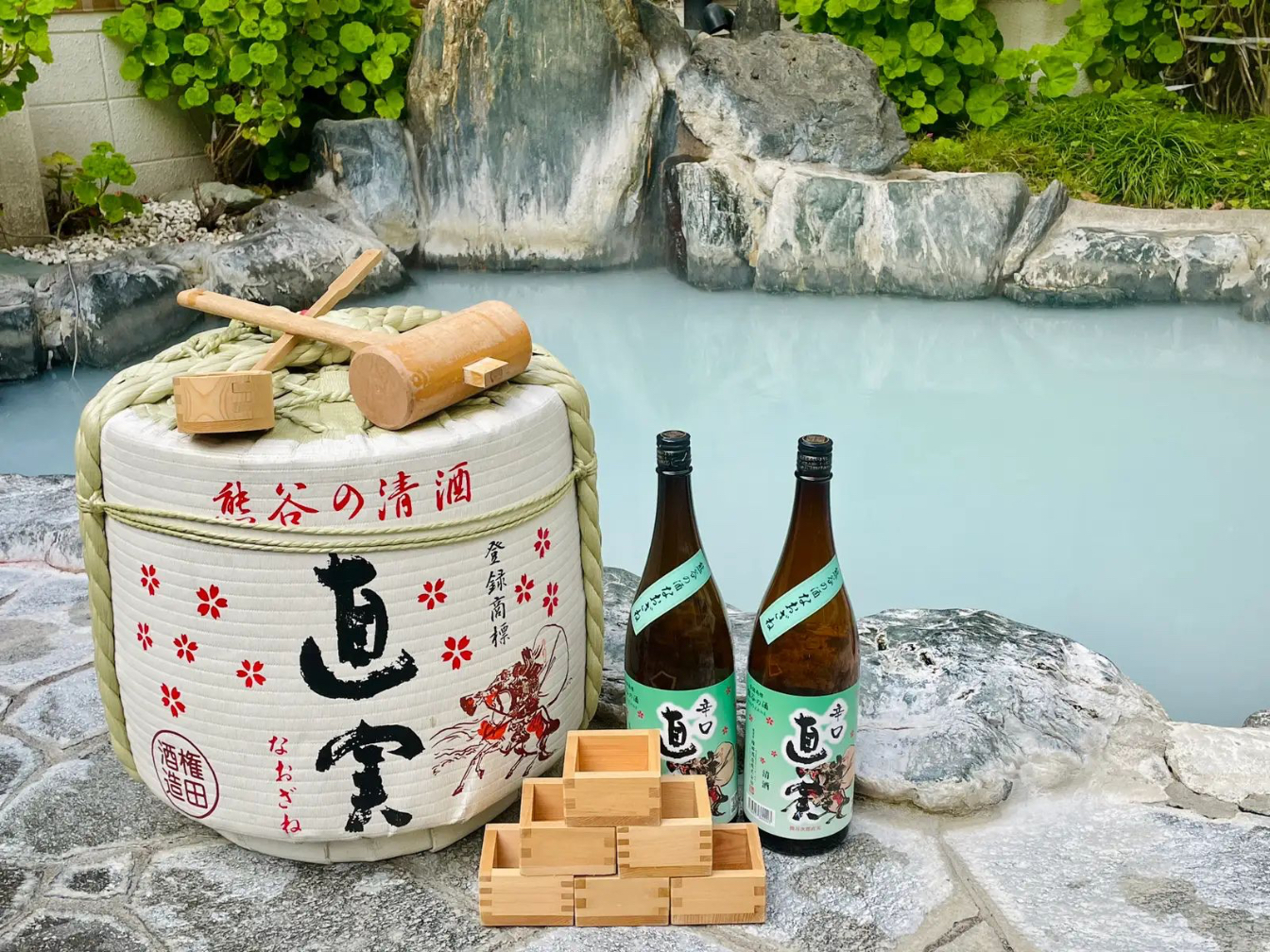
A display of sake at a bath house.      Source: Onsen Dojo

Written by Lucas Maltzman

Editing by Isshiki Takanori, Mark Goldsmith and Toshi Maeda

Top Video : Hand out provided by Ministry of Education, Culture, Sports, Science and Technology (MEXT)

For inquiries regarding this article, please contact jstories@pacificbridge.jp


Click here for the Japanese version of the article.

Tags: breweriesclimate impactexportsintangible cultural heritageJapan economyJapanese cultureOzawa Sake Breweryrice productionsakesake industrysake tourismUNESCO
Previous Post

Japanese strawberry brands gain global popularity, now grown in hot, humid climates

Next Post

INTERVIEW | Why SaaS is growing so much faster in Japan — Interview with Shinji Asada at One Capital (Part 3)

Lucas Maltzman

Lucas Maltzman

Related Posts

When digital and physical worlds meet – Interview with Yoichi Ochiai 何がすごい? 〜 現実とデジタルを融合する、落合陽一の世界
Video

When digital and physical worlds meet – Interview with Yoichi Ochiai 何がすごい? 〜 現実とデジタルを融合する、落合陽一の世界

by JStories_Admin
04/01/2026
Japan leads global collaboration to combat AI disinformation
AI

Japan leads global collaboration to combat AI disinformation

by Ayaka Sagasaki
03/16/2026
Starting a sustainable wood-fired bakery in Tokyo
FoodTech

Starting a sustainable wood-fired bakery in Tokyo

by Tokyo Updates
03/05/2026
Anime

World-first “anime character-based therapy” trial to test effectiveness in Japanese young adults

by Lucas Maltzman
01/30/2026
Lifestyle

The plush toy hospital keeping childhood memories alive

by Tokyo Updates
01/30/2026
Next Post

INTERVIEW | Why SaaS is growing so much faster in Japan — Interview with Shinji Asada at One Capital (Part 3)

Leave a Reply Cancel reply

Your email address will not be published. Required fields are marked *

Videos

Round-up Video #24

08/25/2022

Round-Up Video #31

10/27/2022

Round-Up Video #30

10/13/2022

Browse by Tags

Ai Alternative Energy biotechnology Climate Change Community decarbonization Education Event Food foodtech Health Inclusion Infrastructure Innovation Interview J-Stories Japan Japan-Taiwan Innovation Summit Japan startups Japan Tech Labor Living Nature Podcast Recycling Refugees robotics Society Space Startup Startup Ecosystem Startups SusHI Tech Tokyo Sustainability Sustainable Society Taiwan Technology Tokyo Tokyo Innovation Base Tokyo Metropolitan Government Tokyo Updates venture capital video Wealth Zero Waste
JStories

©Articles and photos published on JSTORIES are protected by Japanese copyright law and international treaties. They cannot be reproduced without the permission of the copyright holders

Explore JStories

  • About Jstories
  • Company
  • Contact
  • Home
  • Partner Press Releases
  • Pricing
  • Privacy Policy
  • Team

Follow Us

Welcome Back!

Login to your account below

Forgotten Password?

Retrieve your password

Please enter your username or email address to reset your password.

Log In
No Result
View All Result
  • Home
  • AI
    • Artificial Intelligence
    • Robotics
    • Mobility
  • Earth
    • Energy
    • Climate Tech
    • AgriTech
    • Clean Tech
    • Disaster Tech
    • SpaceTech
  • Life Sciences
    • BioTech
    • HealthTech
    • MedTech
    • AgeTech
  • Society
    • Media
    • EdTech
    • Diversity
    • FemTech
    • HRTech
    • LegalTech
    • Social Impact
    • FinTech
    • Anime
  • Lifestyle
    • FoodTech
    • FashionTech
    • BeautyTech
    • Wellbeing
    • Art & Music
  • Travel
    • Adventure Travel
    • Luxury Travel
    • Wellness & Medical Tourism
    • Culture
  • Video
  • Deals
    • Venture Capital
    • M&A
    • Startup Events
    • Ecosystem Support
  • Interview
  • Opinion

©Articles and photos published on JSTORIES are protected by Japanese copyright law and international treaties. They cannot be reproduced without the permission of the copyright holders

Are you sure want to unlock this post?
Unlock left : 0
Are you sure want to cancel subscription?