• Login
Upgrade
JStories
  • 日本語
  • 中文 (中国)
No Result
View All Result
  • Home
  • AI
    • Artificial Intelligence
    • Robotics
    • Mobility
  • Earth
    • Energy
    • Climate Tech
    • AgriTech
    • Clean Tech
    • Disaster Tech
    • SpaceTech
  • Life Sciences
    • BioTech
    • HealthTech
    • MedTech
    • AgeTech
  • Society
    • Media
    • EdTech
    • Diversity
    • FemTech
    • HRTech
    • LegalTech
    • Social Impact
    • FinTech
    • Anime
  • Lifestyle
    • FoodTech
    • FashionTech
    • BeautyTech
    • Wellbeing
    • Art & Music
  • Travel
    • Adventure Travel
    • Luxury Travel
    • Wellness & Medical Tourism
    • Culture
  • Video
  • Deals
    • Venture Capital
    • M&A
    • Startup Events
    • Pitch
    • Ecosystem Support
  • Interview
  • Opinion
  • Home
  • AI
    • Artificial Intelligence
    • Robotics
    • Mobility
  • Earth
    • Energy
    • Climate Tech
    • AgriTech
    • Clean Tech
    • Disaster Tech
    • SpaceTech
  • Life Sciences
    • BioTech
    • HealthTech
    • MedTech
    • AgeTech
  • Society
    • Media
    • EdTech
    • Diversity
    • FemTech
    • HRTech
    • LegalTech
    • Social Impact
    • FinTech
    • Anime
  • Lifestyle
    • FoodTech
    • FashionTech
    • BeautyTech
    • Wellbeing
    • Art & Music
  • Travel
    • Adventure Travel
    • Luxury Travel
    • Wellness & Medical Tourism
    • Culture
  • Video
  • Deals
    • Venture Capital
    • M&A
    • Startup Events
    • Pitch
    • Ecosystem Support
  • Interview
  • Opinion
en English ja 日本語 zh 中文 (中国)
JStories
No Result
View All Result

Japan launches wooden satellite into space

TAKANORI ISSHIKI AND YOSHIKO OHIRA by TAKANORI ISSHIKI AND YOSHIKO OHIRA
01/16/2025
in Earth, SpaceTech
0
Home Earth
Share on FacebookShare on Twitter

This article updates the one written in October 2024.

J-STORIES – Kyoto University and Sumitomo Forestry have successfully launched the world’s first wooden satellite into outer space. The cube-shaped satellite, which measures approximately 10 cm on each side, was deployed into orbit from the Japanese Experiment Module “Kibou” aboard the International Space Station (ISS) in December 2024.
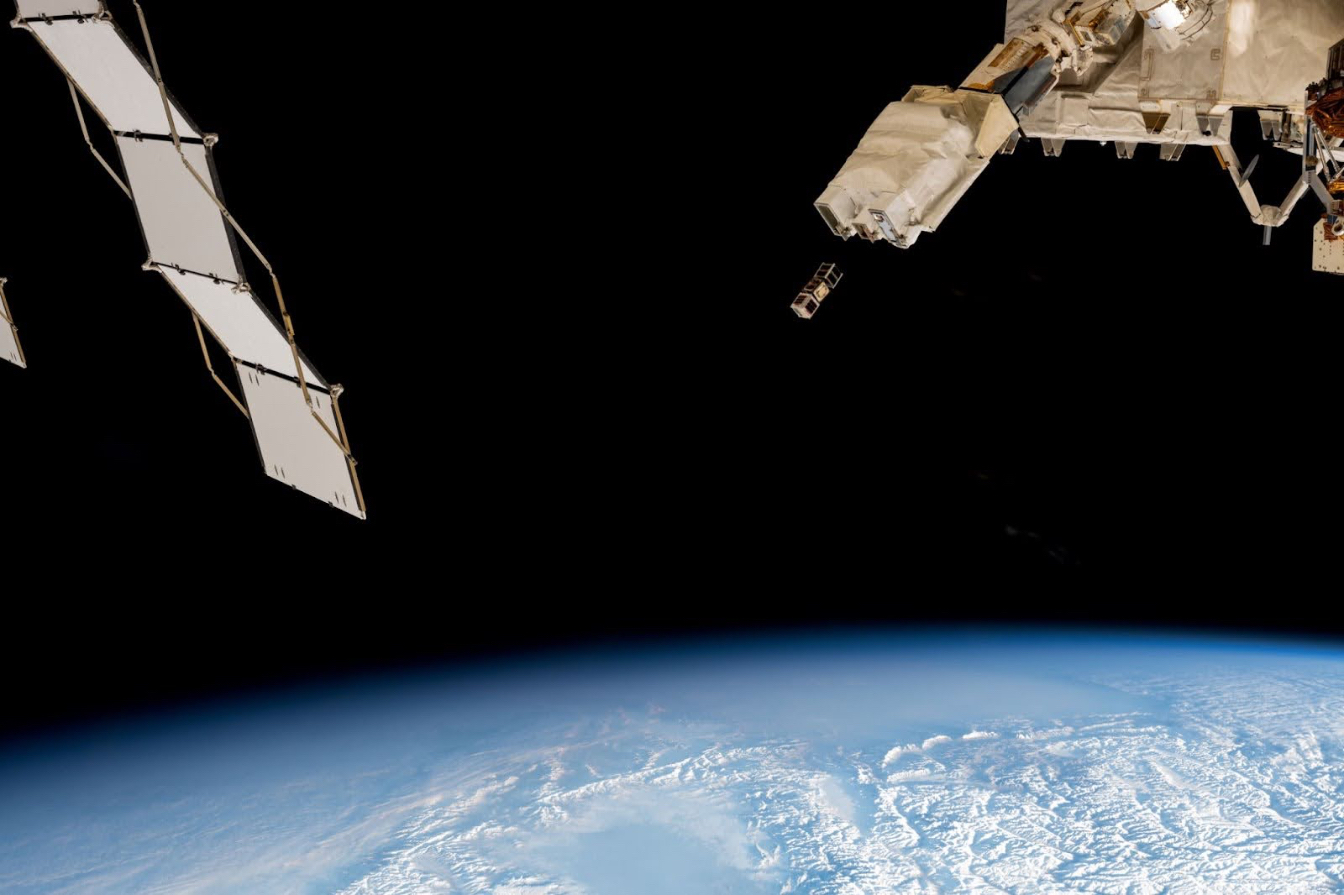
The small wooden satellite “LignoSat” (Kyoto University/Sumitomo Forestry Co.) is deployed from Kibou         Source : JAXA/NASA (Same below)

According to Kyoto University, the satellite is now orbiting Earth and is expected to remain operational for approximately three months.
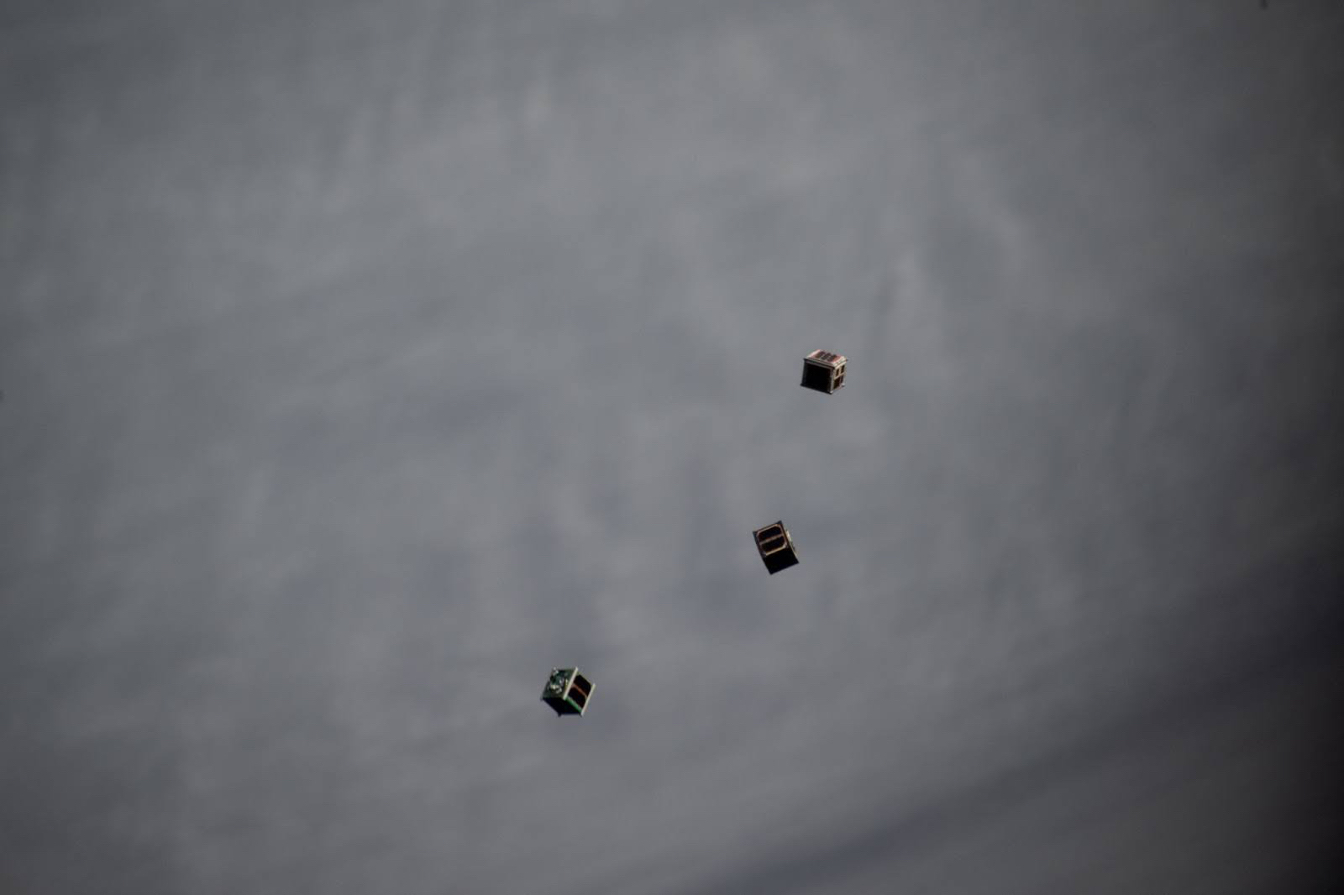
“LignoSat” is visible in the center

The satellite’s wooden structure has proven stable in the harsh conditions of outer space. Takao Doi, a former astronaut and a professor at Kyoto University’s Graduate School, expressed his satisfaction in an interview with J-Stories, stating that the success of the satellite shows that wood is a viable material for space applications.
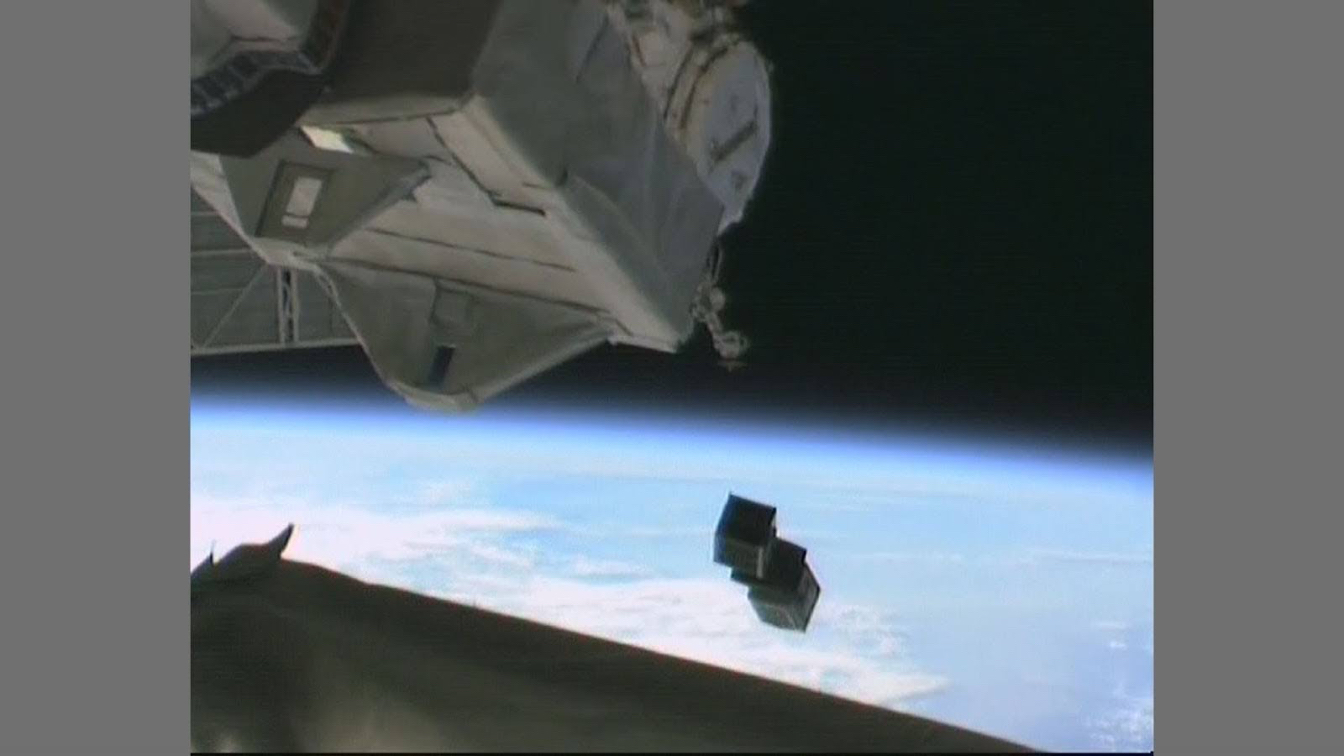
Small satellites, including the wooden LignoSat, are seen being released from the Kibou module
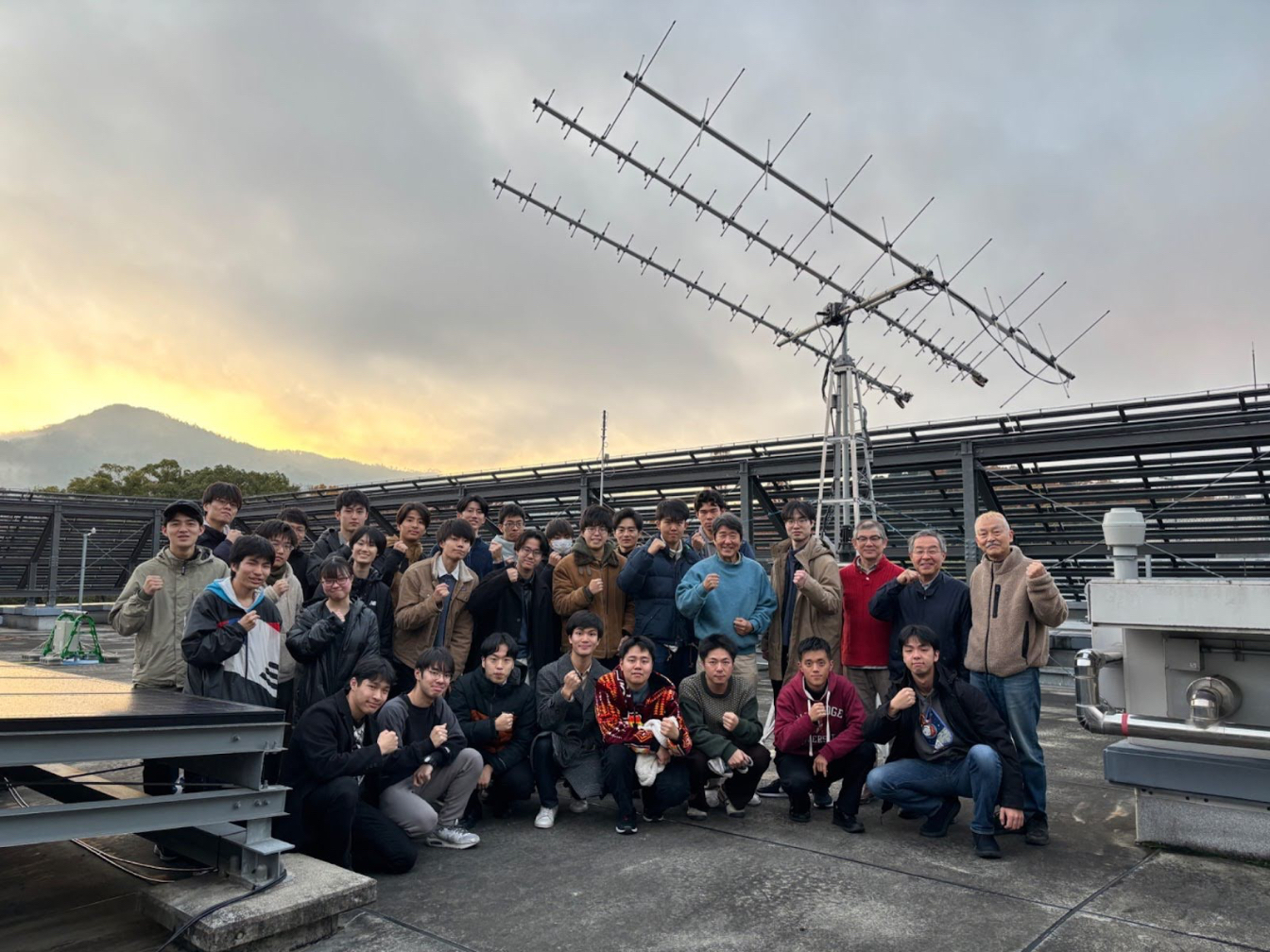
A team of Kyoto University students gathers to listen for the satellite’s signal     Source: Kyoto University (same below)

The satellite was designed to transmit various information about its status to a ground station at Kyoto University. This includes measuring how different forces are affecting its shape and what the temperature is throughout its interior. It’s also relaying info about the geomagnetic forces that influence its trajectory as well as so-called soft errors that need to be corrected. However, as of Jan. 10, 2024, no signals have been received. Kyoto University speculates that the satellite’s power system may be temporarily down for unknown reasons. The team is still trying to establish communication with the satellite.

Kyoto University has already begun developing a second wooden satellite, twice as big as the first, which is scheduled for launch in 2027 or 2028.
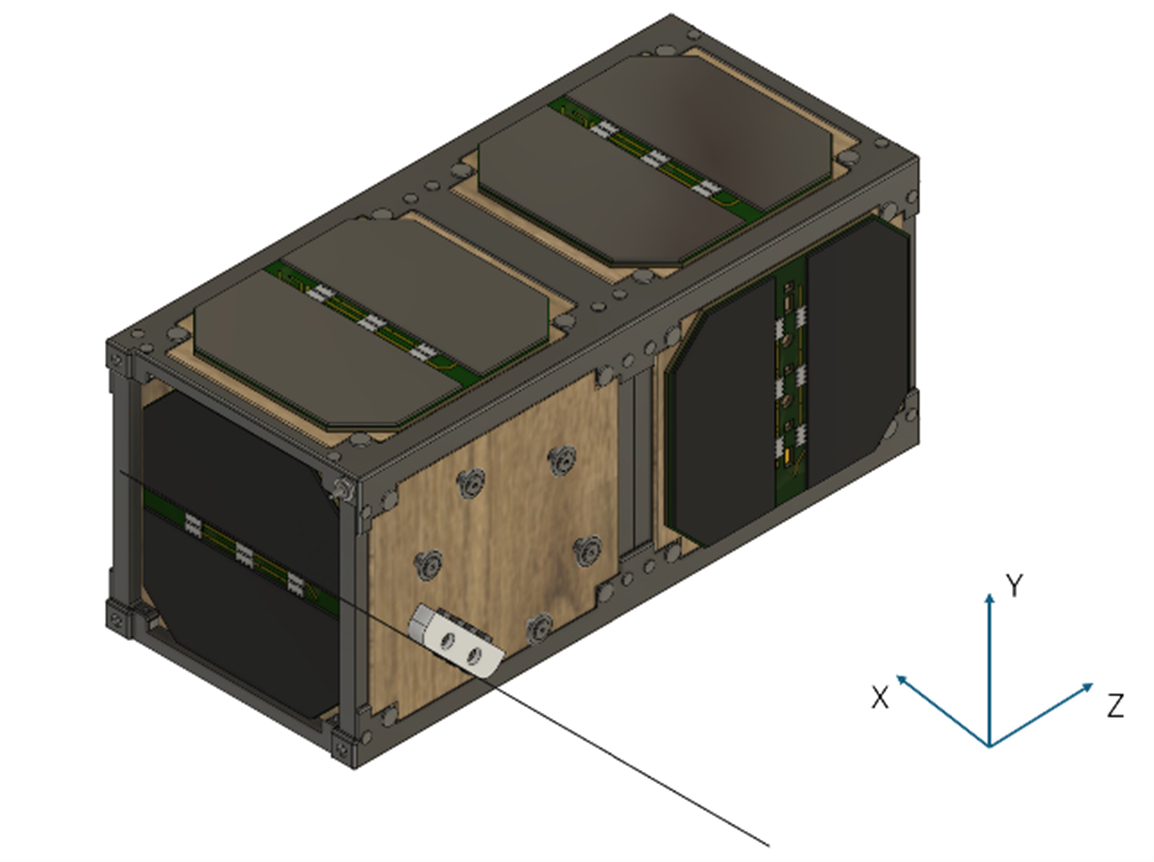
Concept image of the larger second-generation wooden satellite

Amid the intensifying competition in the space business, the issue of space debris — including defunct rockets and satellites — is increasingly pressing. If left unaddressed, this debris could lead to collisions between satellites and worsen atmospheric pollution upon reentry. One of Japan’s proposed solutions is the development of wooden satellites. Unlike conventional satellites made of aluminum or steel, which leave metal residues when burned up in the atmosphere, wooden satellites can significantly reduce environmental risks.
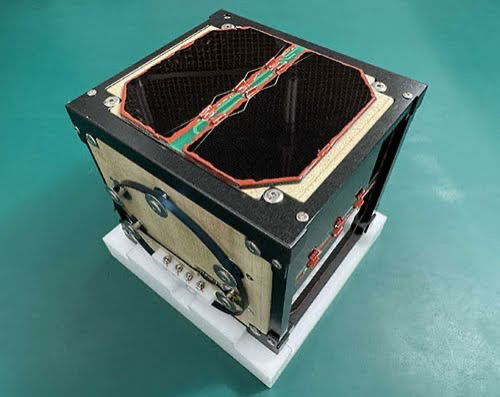
The completed flight model of the wooden satellite LignoSat (launched version)

The wooden satellite deployed this time, classified as a CubeSat, was completed in May 2024 after four years of development and handed over to JAXA in June. It passed stringent safety reviews by both NASA and JAXA, marking the first official recognition of wood as a material for space use. The satellite was launched aboard SpaceX’s Falcon 9 rocket from Kennedy Space Center in Florida and later transferred to the ISS, where it was deployed from the Kibou module.
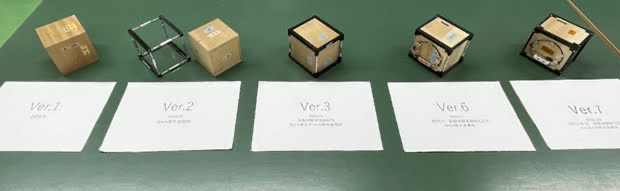
Evolving versions of the satellite’s structure as it was improved through a process of trial and error

Wooden satellites have unique advantages. Wood allows electromagnetic waves to pass through, enabling antennas to be housed internally, thus simplifying the satellite’s structure and reducing potential failure risks. Additionally, the absence of moisture, oxygen, or bacteria in space ensures that the wood does not rot or burn.

However, the extreme environment of space presents challenges. The outer surface of the ISS experiences temperatures ranging from over 100 C in sunlight to below minus 100 C in shadow, all while exposed to intense cosmic radiation and ultraviolet rays. Ensuring the wood’s durability in such conditions remains a critical focus of the project.

According to Japan’s Cabinet Office, 2,368 satellites were launched into orbit worldwide in 2022, which is 11 times more than 10 years before. This sharp rise underscores the urgency of addressing space debris.

Translated by J-Stories (Anita De Michele, Mark Goldsmith)

Top page photo provided by Kyoto University and Sumitomo Forestry

For inquiries about this article, please contact jstories@pacificbridge.jp


Click here for the Japanese version of the article

Tags: CubeSatenvironmental impact spaceFalcon 9ISSJapan space techJaxaKibou moduleKyoto universityLignoSatNasasatellite innovation Japanspace debrisSumitomo Forestrysustainable satellitesTakao Doiwooden satellite
Previous Post

Making space development open for all

Next Post

INTERVIEW | The hidden danger of unicorn counting in Japan — Interview with James Riney at Coral Capital (Part 2)

TAKANORI ISSHIKI AND YOSHIKO OHIRA

TAKANORI ISSHIKI AND YOSHIKO OHIRA

Related Posts

Clean Tech

Japanese startup turns eggshell waste into eco-friendly plastics and paper

by Yoshiko Ohira
02/06/2026
Earth

A world first: Detecting road sinkholes from space

by Ayaka Sagasaki
01/30/2026
AgriTech

Fish scraps as a hidden treasure

by Kei Mizuno
01/16/2026
AgriTech

Can a small robot save Japan’s terraced paddies?

by Yoshiko Ohira
11/28/2025
Clean Tech

From swordfish to blue jeans: How a Japanese craftsman turns waste into wear

by Yoshiko Ohira
11/07/2025
Next Post

INTERVIEW | The hidden danger of unicorn counting in Japan — Interview with James Riney at Coral Capital (Part 2)

Leave a Reply Cancel reply

Your email address will not be published. Required fields are marked *

Videos

Round-up Video #24

08/25/2022

Round-up Video #29

10/06/2022

INTERVIEW | Taking action for peace

11/30/2022

Browse by Tags

Ai Alternative Energy biotechnology Climate Change Community decarbonization Education Event Food foodtech Health Inclusion Infrastructure Innovation Interview J-Stories Japan Japan-Taiwan Innovation Summit Japan startups Japan Tech Labor Living Nature Podcast Recycling Refugees robotics Society Space Startup Startup Ecosystem Startups SusHI Tech Tokyo Sustainability Sustainable Society Taiwan Technology Tokyo Tokyo Innovation Base Tokyo Metropolitan Government Tokyo Updates venture capital video Wealth Zero Waste
JStories

©Articles and photos published on JSTORIES are protected by Japanese copyright law and international treaties. They cannot be reproduced without the permission of the copyright holders

Explore JStories

  • About Jstories
  • Company
  • Contact
  • Home
  • Partner Press Releases
  • Pricing
  • Privacy Policy
  • Team

Follow Us

Welcome Back!

Login to your account below

Forgotten Password?

Retrieve your password

Please enter your username or email address to reset your password.

Log In
No Result
View All Result
  • Home
  • AI
    • Artificial Intelligence
    • Robotics
    • Mobility
  • Earth
    • Energy
    • Climate Tech
    • AgriTech
    • Clean Tech
    • Disaster Tech
    • SpaceTech
  • Life Sciences
    • BioTech
    • HealthTech
    • MedTech
    • AgeTech
  • Society
    • Media
    • EdTech
    • Diversity
    • FemTech
    • HRTech
    • LegalTech
    • Social Impact
    • FinTech
    • Anime
  • Lifestyle
    • FoodTech
    • FashionTech
    • BeautyTech
    • Wellbeing
    • Art & Music
  • Travel
    • Adventure Travel
    • Luxury Travel
    • Wellness & Medical Tourism
    • Culture
  • Video
  • Deals
    • Venture Capital
    • M&A
    • Startup Events
    • Ecosystem Support
  • Interview
  • Opinion

©Articles and photos published on JSTORIES are protected by Japanese copyright law and international treaties. They cannot be reproduced without the permission of the copyright holders

Are you sure want to unlock this post?
Unlock left : 0
Are you sure want to cancel subscription?