


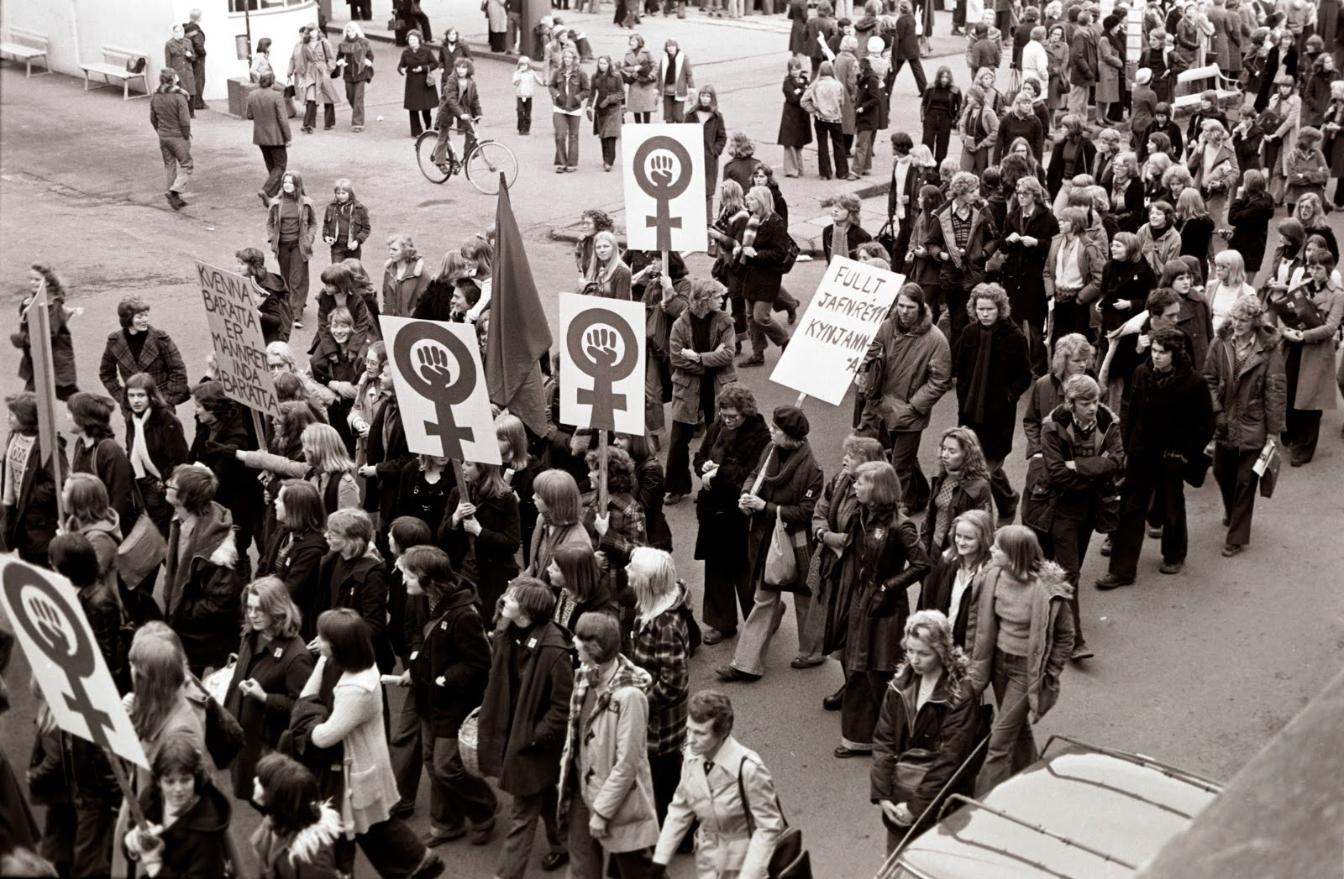
JSTORIES– For 16 consecutive years through 2025, Iceland has ranked No. 1 in the World Economic Forum’s Global Gender Gap Index — the narrowest gender gap in the world. Yet reaching this level of equality took decades of shifting mindsets and coordinated social effort. The turning point came exactly 50 years ago, on Oct. 24, 1975, during an unprecedented national action known as the Women’s Day Off.
On that day, 90 percent of Icelandic women walked off their jobs – stepping away from their domestic responsibilities. Factories, banks, schools, and preschools shut down. Men were suddenly left scrambling to care for their children, many realizing for the first time just how central women’s labor was to the functioning of society.
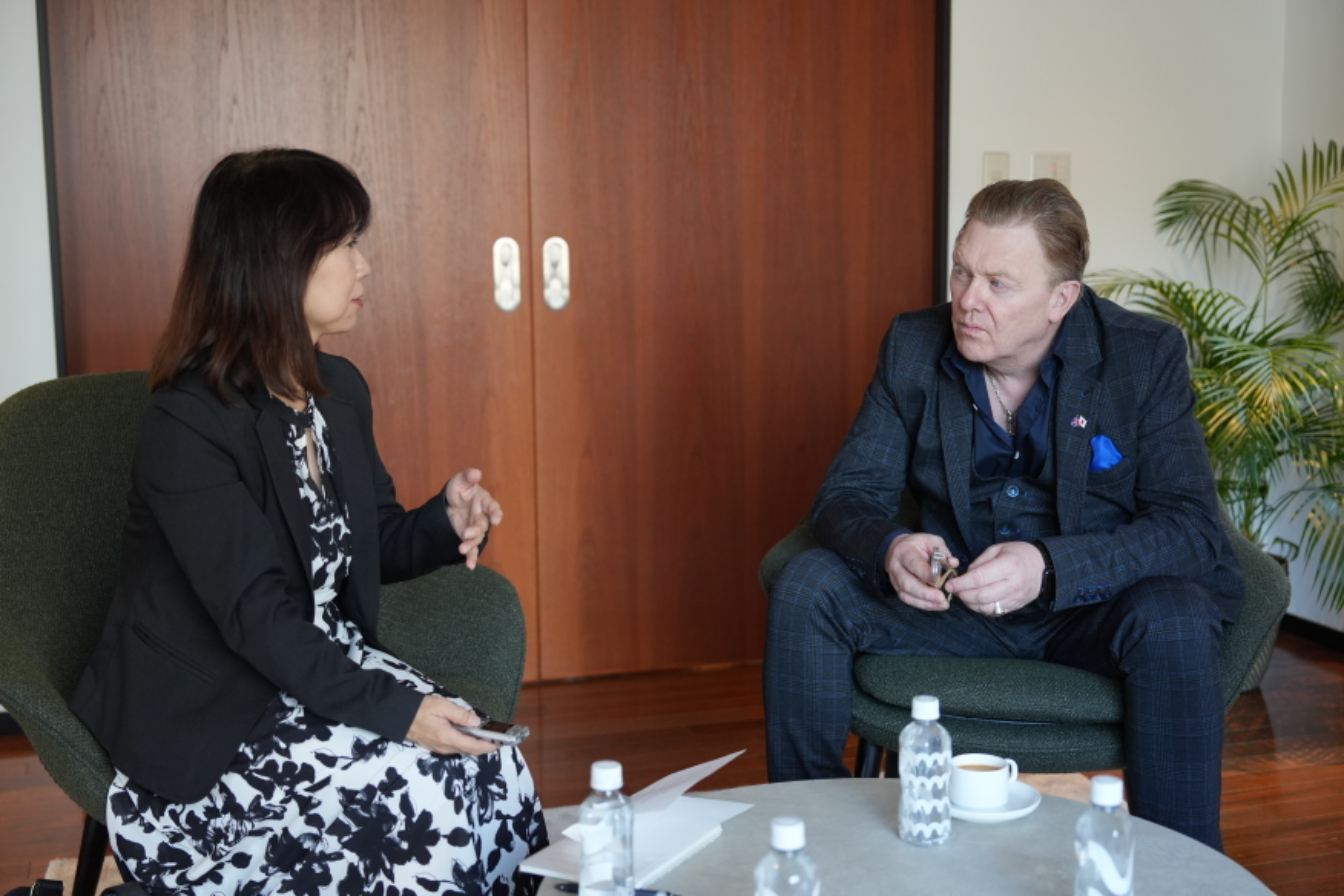
This October, to mark the 50th anniversary, Jón Gnarr, a member of Parliament from the Reform Party and former mayor of Reykjavík, traveled to Japan for an event hosted by the Icelandic Embassy. We spoke to him about what the day meant for Iceland – and what its legacy holds today.
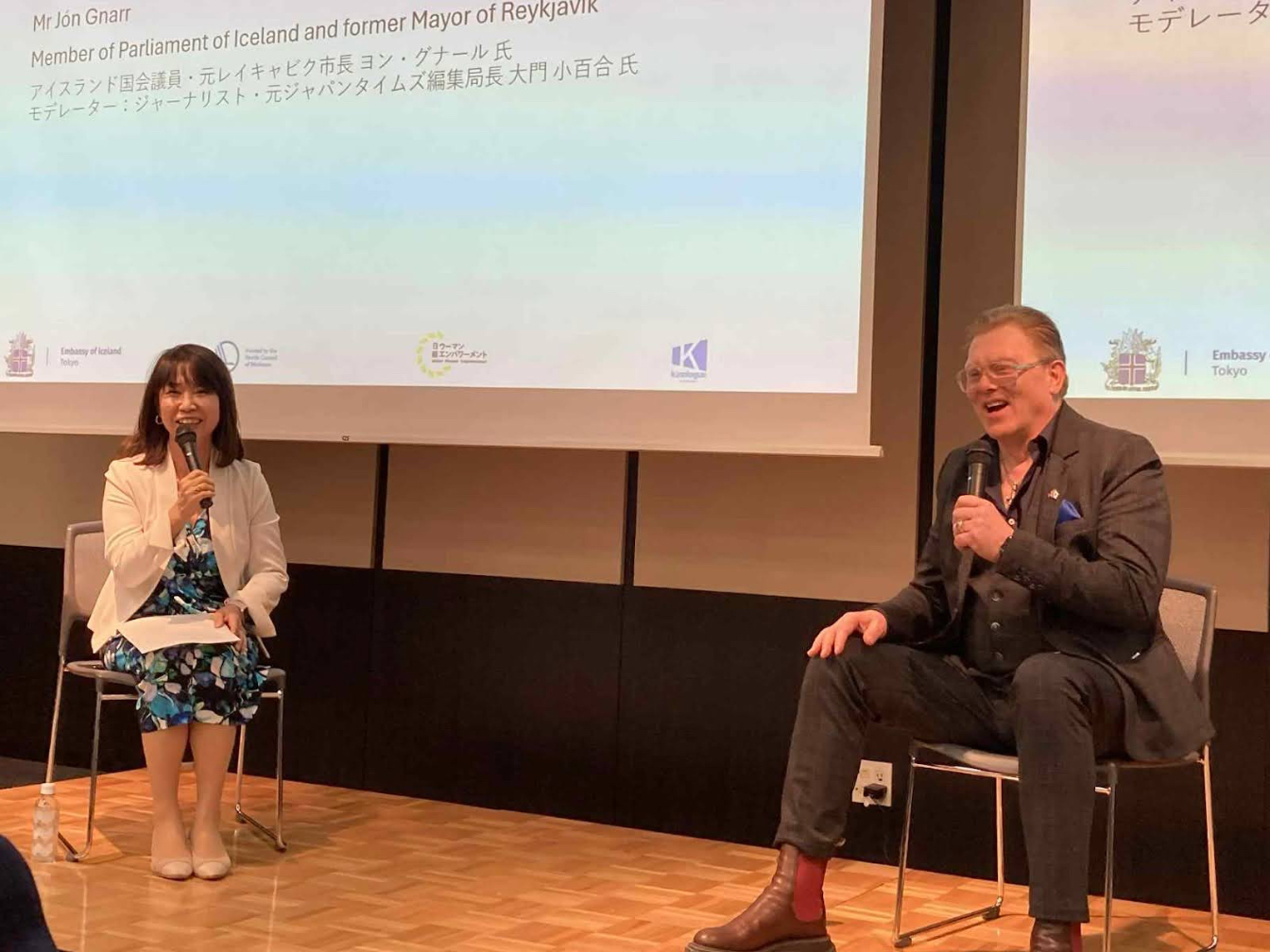
The anniversary coincides with the Japan release of the documentary film “The Day Iceland Stood Still,” which recounts the 1975 strike. Across the country, many women who have seen the film have organized events to raise awareness about the inequalities and frustrations they face in their daily lives. The desire to learn from Iceland’s historic action seems to be growing in Japan.
Turning point in Icelandic civic life
An actor, comedian and writer, in addition to being a politician, Gnarr describes the 1975 strike as “a turning point in Iceland’s civic history.” He was eight years old at the time and remembers only fragments, but he recalls a change in “the atmosphere of society” after that day.
“Men realized – many for the first time – how much women were working in the home and how deeply society relied on them,” Gnarr says.
In the following years, Iceland undertook both legal reforms amid cultural shifts. These reforms laid the foundation for Iceland’s rise to the top of global gender-equality rankings.
In 1980, five years after the strike, Iceland elected Vigdís Finnbogadóttir, the world’s first democratically chosen female president.
“I remember seeing her on TV as a child for the first time; she struck me as so beautiful and sophisticated,” Gnarr says. “When she became president, that had a deep impact on me. I must have been about 13 then.”
Finnbogadóttir had studied French literature at the Sorbonne and raised a daughter as a single mother. Reporters frequently asked her why she wasn’t married – a sign, Gnarr notes, of how deeply sexism was ingrained in Icelandic society. Yet her presidency showed Icelanders that women could lead a nation.
Viking nation with a strong macho culture
Despite its current reputation, Iceland fifty years ago was far from gender equality. The country was originally settled by Vikings, Gnarr explains, and when he was a child, the expectation that men be strong, stoic, and macho was still firmly entrenched.
“Iceland was a ‘man’s country,’” Gnarr says. “You were taught that men should be strong, hardworking, and silent. But I didn’t consider myself to be part of this macho culture.”
His father – muscular, authoritarian, and a police officer at that time – embodied the traditional model. At home, he overpowered Gnarr’s mother and controlled everything, he recalls.
“She was intelligent and free-spirited, but she always deferred to him. He was like the ‘law’ in our house.”
Gnarr resolved early on that he would not grow up to resemble his father.
He pursued acting, studied at drama school, and even played female roles onstage. After becoming mayor of Reykjavík in 2010, he participated in the Pride Parade – a public celebration of LGBTQ+ rights and identity – dressed in drag and once wore the traditional women’s national costume, he says.
He was worried women might be offended, but he adds, “The people who got offended were mostly men.” He once jokingly called himself a “terrorist against patriarchy.”
“Because I am part of it and do something against it from inside. Many heterosexual men have a problem with gay men because it is somehow belittling their masculinity that a man can be feminine. But that’s an illusion. Everyone contains both male and female qualities. Recognizing that is real strength.”
Gender equality also benefits men
Asked what men can do to help build gender-equal societies, Gnarr argues that all men should support it – because they stand to gain.
“It’s a win-win thing. Some men might be afraid that they are losing something. But it’s a misconception. They are not losing anything. In fact, they are gaining. If we empower people around us and help them to be the best they can be, everyone is going to profit from it.”
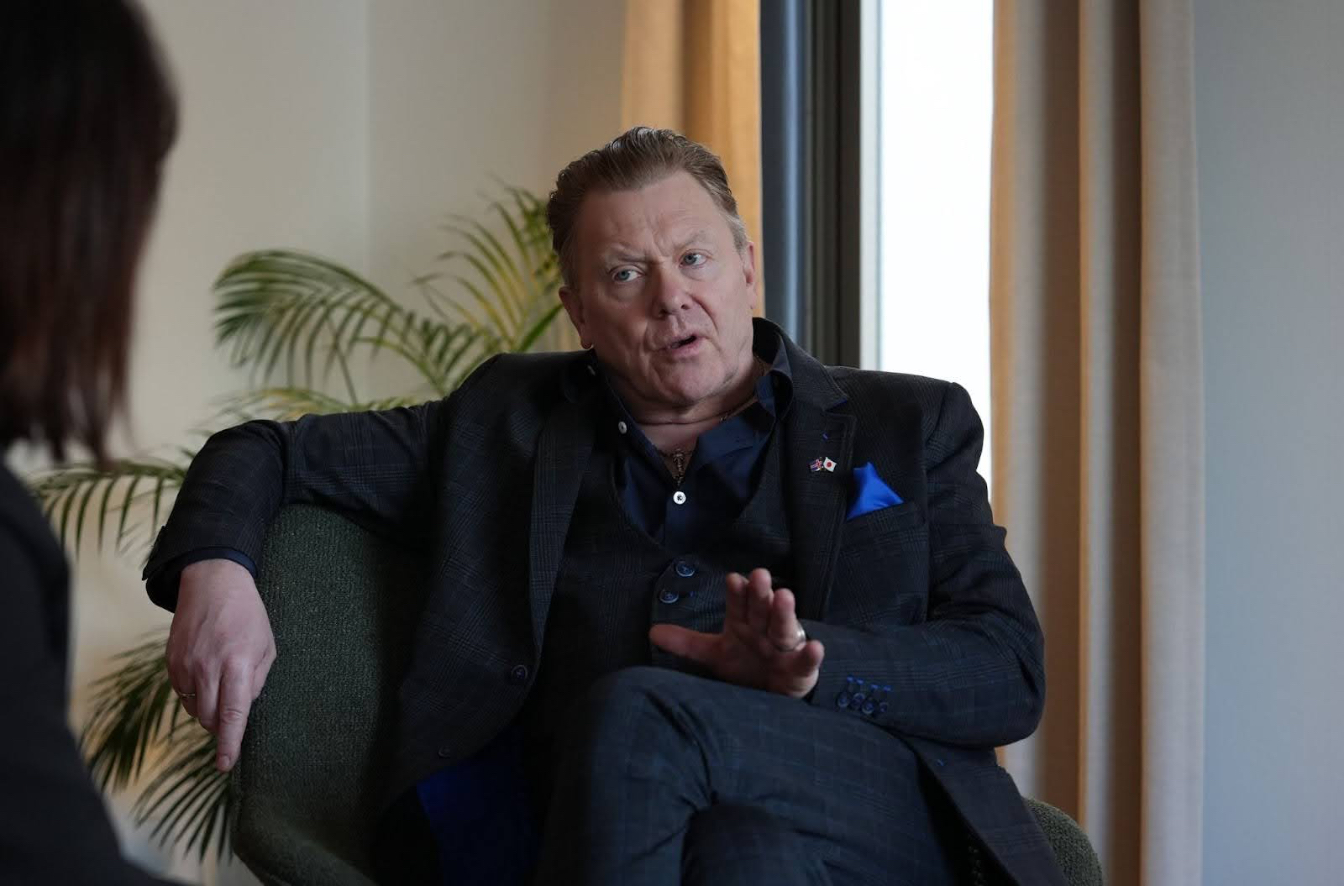
A father of five, Gnarr says he applies that principle at home.
“I absolutely don’t want my daughters to be discriminated against ‘because they are a certain gender.’ It’s like racism – fear-based stupidity and ignorance.”
Change, he stresses, begins with small questions. If an organization’s leadership candidates are all men, someone needs to ask: “What about women?” That simple question begins the shift.
In the 1980s, Iceland formed a women’s party, which won parliamentary seats and pushed through policies such as parental leave, equal-pay legislation, and abortion rights. Women’s visibility in public life became normalized.
Today, all three leaders of the governing coalition parties are women. The prime minister is a woman. Six of 11 cabinet ministers are women. Nearly half of Parliament (46%) is female. The current mayor of Reykjavík is a woman, and Iceland’s president, Halla Tómasdóttir, is the second woman to hold the office. She visited Japan this May, meeting Prime Minister Shigeru Ishiba and the Emperor.
“It’s so common (to have women in those positions). That’s what real equality looks like.”

A message for Japan: Let young, educated women enter politics
While Iceland tops global gender-gap rankings, Japan remains at 118th. At the time of the interview, Gnarr saw signs of change, including the emergence of Sanae Takaichi as the first-ever female prime minister in Japan. However, he emphasized that real progress requires strengthening democracy itself. And that means bringing more young, educated women into politics.
Equally important are structural support – long parental leave, guaranteed job security upon return – and systems that allow women to work and take care of their children without sacrificing their careers.
“When amazing people with unbelievable education and intelligence cannot take part in society, it’s a waste of resources,” says Gnarr. “I think Japan will try to change, because the alternative would be to become a nation of elderly men.”
He points to the Faroe Islands, a remote Danish territory, as an example. Many young women leave for education on the mainland and never return, seeking societies where they are respected and given opportunities they deserve, he says. Similar patterns may be seen in rural Japan, where conservative gender roles remain entrenched, and women are expected to stay home.
“They kind of expect women to be our servants, serving in the household. So a lot of women are leaving their countryside,” he says.
Gnarr warns that societies that suppress women will eventually decline. Even Iceland, he adds, remains in transition. Domestic labor continues to fall disproportionately on women, especially when caring for retired husbands, such as cooking and making coffee for them.
“You know, we still have a long way to go. It’s important to have dialogue and keep having conversations between men and women.”
Translated by Anita De Michele | JStories
Edited by Sayuri Daimon, Kwee Chuan Yeo | JStories
Top photo: Photo courtesy of the Embassy of Iceland
For inquiries regarding this article, please contact jstories@pacificbridge.jp
Click here for the Japanese version of the article