

JStories — In areas such as daily living, childcare, education, and healthcare — what one might call the “frontlines of everyday life” — women often possess deep, firsthand knowledge and practical ideas for solving social challenges. Yet their presence, value, and talent remain underrecognized in many fields. Even in startup ecosystems that claim to champion innovation, women’s voices are still routinely overshadowed by male-centric norms and expectations.
Women’s Startup Lab, a Silicon Valley-based accelerator dedicated to supporting women founders, has demonstrated remarkable results in shifting that dynamic. Its founder, Ari Horie, has spent years confronting the invisible barriers faced by women when stepping into entrepreneurship, drawing from her own career and experiences as a working mother. Her goal, she says, has never been to support women because they are women, but to create a world in which women with essential ideas for improving society are evaluated fairly and heard.
Since its establishment in 2013, Women’s Startup Lab has trained and supported more than 20,000 women entrepreneurs worldwide. Its accelerator programs have helped transform their ideas and activities into ventures recognized on a global stage. We spoke with Horie about the passion and purpose behind her work.
Experimenting with corporate work, startups, and remote jobs
— What led you to establish Women’s Startup Lab?
I left Japan at 17 to study in the United States. After university, I worked at IBM before transitioning to a startup. Startup work had the intensity and pace unique to small ventures; it was exhilarating and deeply educational. But it also meant 3 a.m. phone calls and days with no real rest.
Shortly after my child was born, I began to think: “If I’m going to work this hard, shouldn’t I be doing it for myself?” I explored different working styles — startups, freelance remote work — and repeatedly encountered the same reality: women’s ideas were not reaching decision-makers inside organizations.

— When did you first strongly feel that women’s ideas weren’t being heard?
Most clearly in childcare. Even in Silicon Valley — supposedly the global epicenter of tech — childcare systems were shockingly “low-tech.” Everything was still on paper, information was scattered, and even coordinating the time and location of my kids’ soccer classes required endless searching. For working parents, it was completely inefficient.
I couldn’t understand why technology wasn’t being applied to childcare or household management. Women who experience these challenges firsthand weren’t being heard — meaning society was missing perspectives essential to solving them.
— Why did you move from IBM to a startup?
At the time, moving to a startup was seen as the “winning” career path. When I chose IBM, people asked why I would pick a big company. I prefer hands-on work and creative marketing, but at a large corporation, decisions came from headquarters, and opportunities to take initiative were limited.
So I took the leap into startups. Over the years, I experienced acquisitions, leadership changes, even turned down a relocation to Seattle — working across a variety of environments. The pace was grueling, sometimes with no sleep, but the speed and autonomy suited me.
A hackathon that exposed gender bias
— What pushed you to finally create Women’s Startup Lab?
A hackathon. Several women participants had strong ideas. One woman, a nurse with 20 years of experience, proposed a data-driven platform to improve communication among patients, nurses, and doctors — a solution directly addressing frontline issues.
But in a room full of young male engineers, no one recognized its value. Instead, they voted for an app that showed which bars had “cute girls” on the weekend. The nurse was devastated and didn’t return the next day. Watching this, I thought: “If nothing changes, women will give up.”
That moment decided it. Drawing on my entrepreneurial experience and Silicon Valley network, I created a program that would support women founders with the depth and caliber they needed.
— Why do gender gaps emerge in entrepreneurship?
Women often interrupt their careers for family, which disrupts networks. Men tend to accumulate professional connections with age; women often cannot. And because startup culture is built around male norms — decisions, language, expectations — women’s ideas are harder to understand or value. This isn’t about malicious intent; it’s structural.
Too many men say, “I’m not biased, so it’s not my issue.” But that mindset prevents change. The point isn’t “support women for women’s sake,” but “improve our industry by recognizing blind spots.” Startups shape the future; relying solely on past norms limits what’s possible. Recognizing that our own values come from the past — and looking beyond them — is essential.
Why support must be tailored to women
— Why focus exclusively on women?
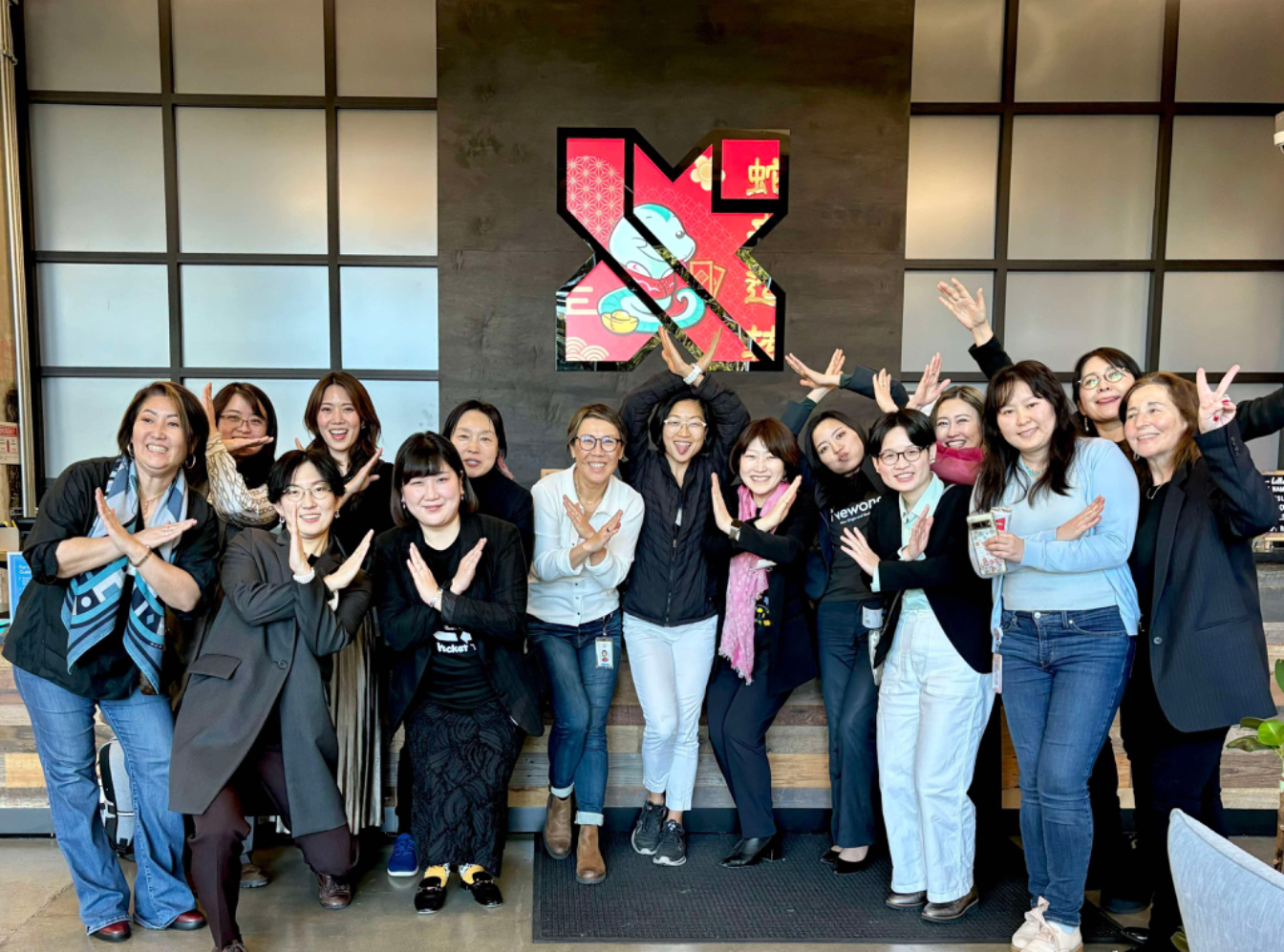
Because both Japan and the U.S. have business cultures centered around men. Women are less likely to be evaluated fairly, to attract investors, or to be taken seriously — sometimes even facing backlash. These implicit biases affect opportunities and outcomes.
Women also experience life-stage transitions, such as childcare, that shape both work and investment readiness. Programs that make women-specific hurdles visible, and help navigate them, are indispensable. Another strength of the Lab is that seasoned investors and repeat entrepreneurs who want to support women voluntarily participate, creating a high-quality support network.
— Is there a founder you particularly remember?
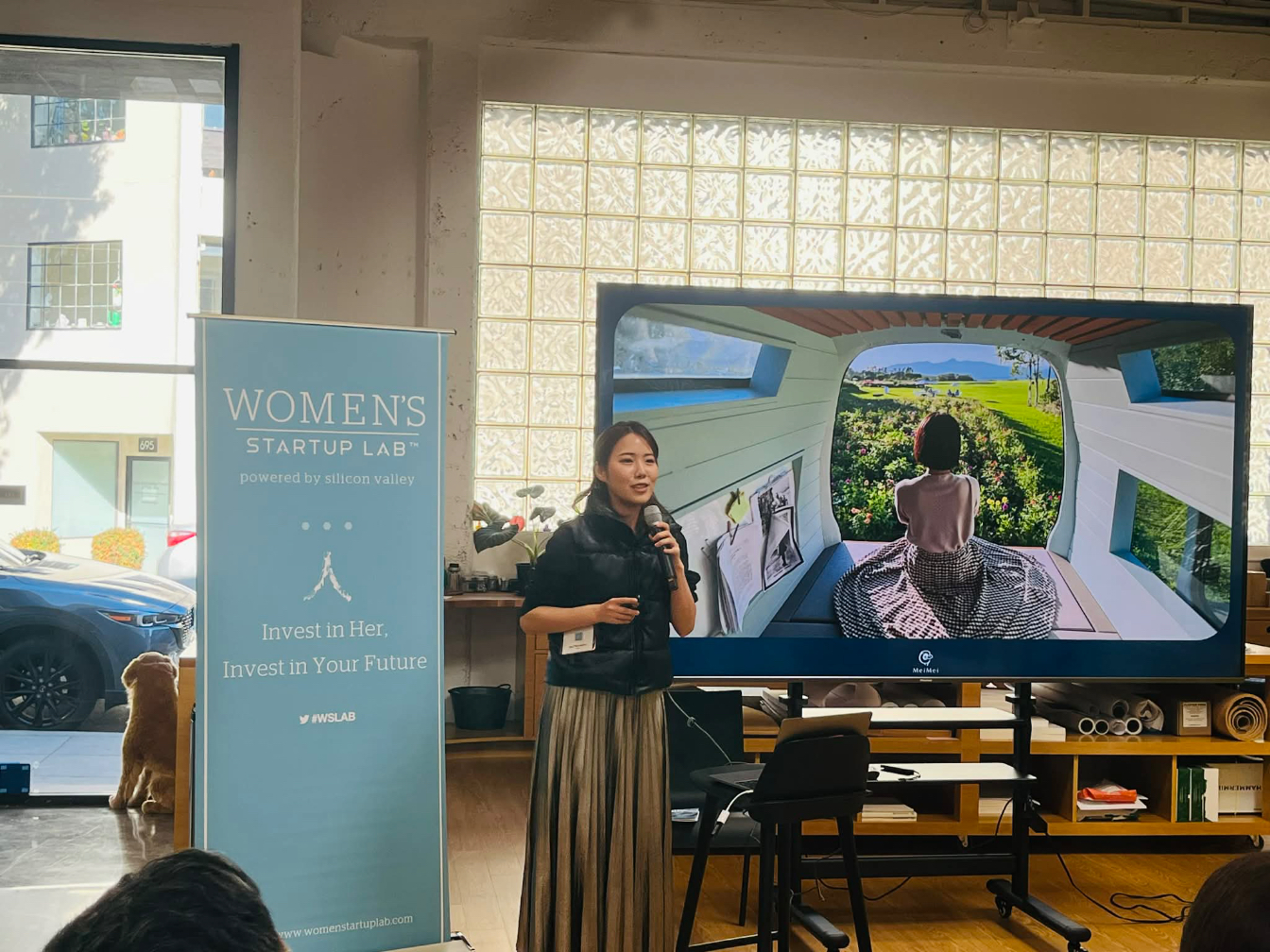
Yes — one founder, in particular, has stayed vividly in my memory. She later became known as the founder of Boatsetter and now works as a venture capitalist. She joined the program in her late 30s and took a highly strategic approach to fundraising. Through my network, she connected with Airbnb’s CMO, CFO, and even a potential co-founder. Eventually, she secured investment from Airbnb, giving her a strong foothold in the U.S. market and enabling expansion into Europe.
The journey was extremely demanding. She told me she was rejected hundreds of times, and there were days when she cried from sheer frustration. To support founders facing such emotional strain, we created an “Entrepreneur Recovery Room!” — a private space with uplifting books, soft cushions, and a calming atmosphere where they could step away, recharge, and return to their work.
Launching a Japan-based program: Amelias
— Tell us about Amelias, the Japan-based women’s entrepreneurship program you launched in 2022.
Amelias offers support programs for women entrepreneurs and for high school students in Japan. Many young people in Japan don’t see entrepreneurship as an option. We wanted them to feel the excitement of identifying a problem and taking a first step. The program is now focused on women founders under a contract with Japan’s Ministry of Economy, Trade and Industry; the high school component is temporarily paused.
We have run around 10 batches, supporting about 300 entrepreneurs (300 companies). Including workshops and events, participation totals several thousand people. Participants range from teenagers to seniors — one woman, nearly 70, applied and was accepted.
Our monthly activities wrapped up in April 2024, but we are now working project by project. This year, in partnership with The Coca-Cola Foundation, we launched a fund for early-stage women founders.
Eight entrepreneurs were selected. In addition to grants of up to $15,000, they receive mentoring and skills training. A project showcase will be held in Tokyo next March, fostering community and connecting participants with alumni and investors who champion women founders.
Women’s ideas are often closest to pressing issues in daily life, healthcare, and education. When those ideas go unheard, society loses valuable solutions. Women’s Startup Lab aims to provide a place where women can continue to challenge themselves — and where their ideas can reach the world. Horie says she hopes to help create a world in which women’s potential can expand naturally.
Translated by Anita De Michele | JStories
Edited by Mark Goldsmith
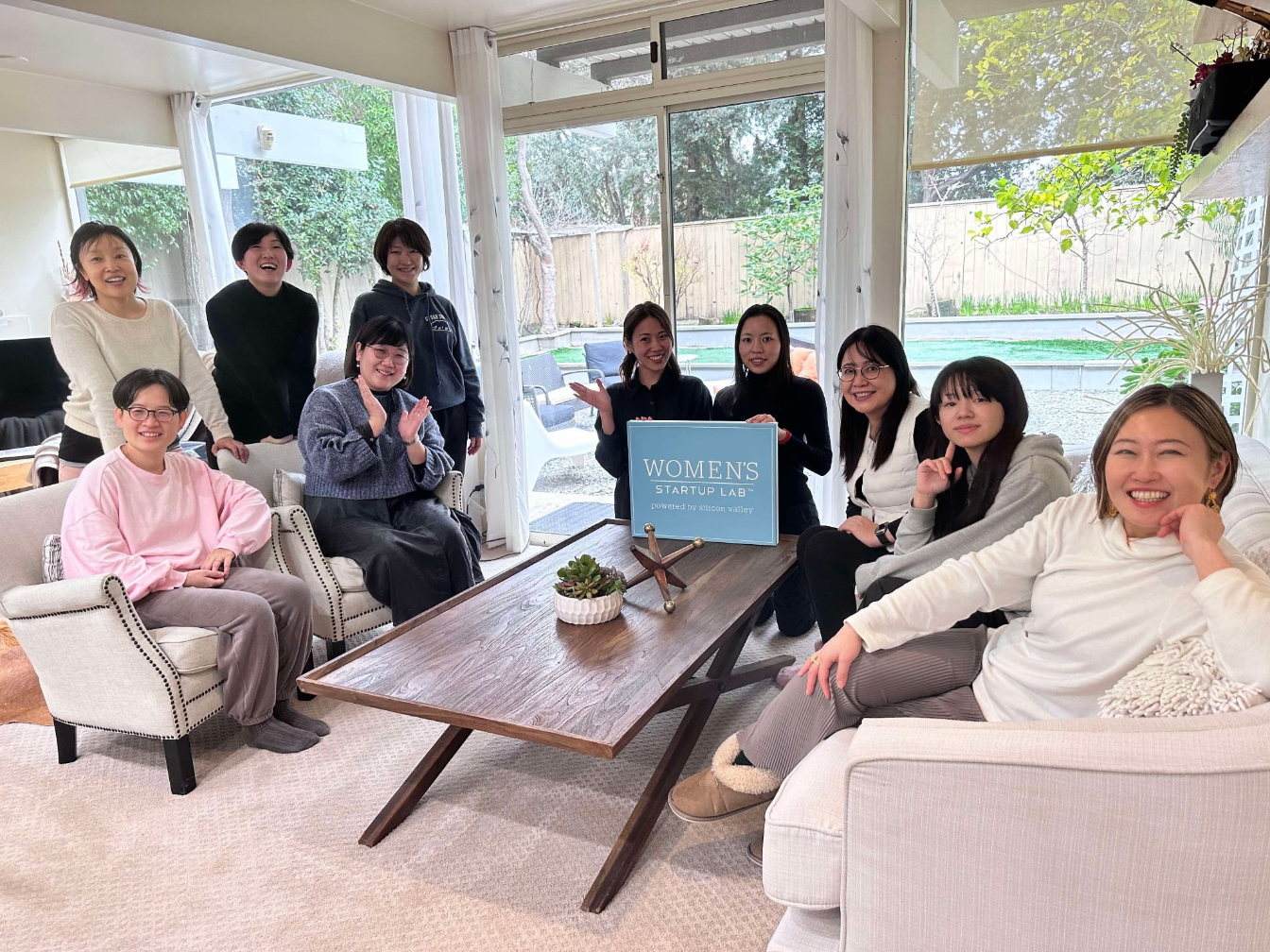
Top photo: Photo courtesy of Women’s Startup Lab
For inquiries regarding this article, please contact jstories@pacificbridge.jp
Click here for the Japanese version of the article