

J-STORIES – Ranked 125th out of 146. In the Gender Gap Index published by the World Economic Forum in 2023 , Japan recorded its lowest ranking ever, and in the political sphere, Japan ranked 138th, a disgraceful result within the bottom 10. Numerically speaking, Japan is at the bottom of the gender gap in the G7 and East Asia.
In this context in Japan, an exhibition titled ” What Do You Want to Be? with Barbie ” was held in Tokyo, attempting to eliminate gender biases (preconceptions between men and women) such as “masculinity” and “femininity” in the workplace.
In this exhibition, a collaboration between the Japanese trading company Itochu Corporation and Mattel International Co., Ltd., the Japanese subsidiary of the American toy manufacturer Mattel, Barbie dolls and Ken dolls were displayed wearing costumes representing approximately 60 professions, carefully selected from the more than 200 professions that Barbie dolls have attempted in their history of over 60 years, including president, biologist, and firefighter, along with explanations of each profession.
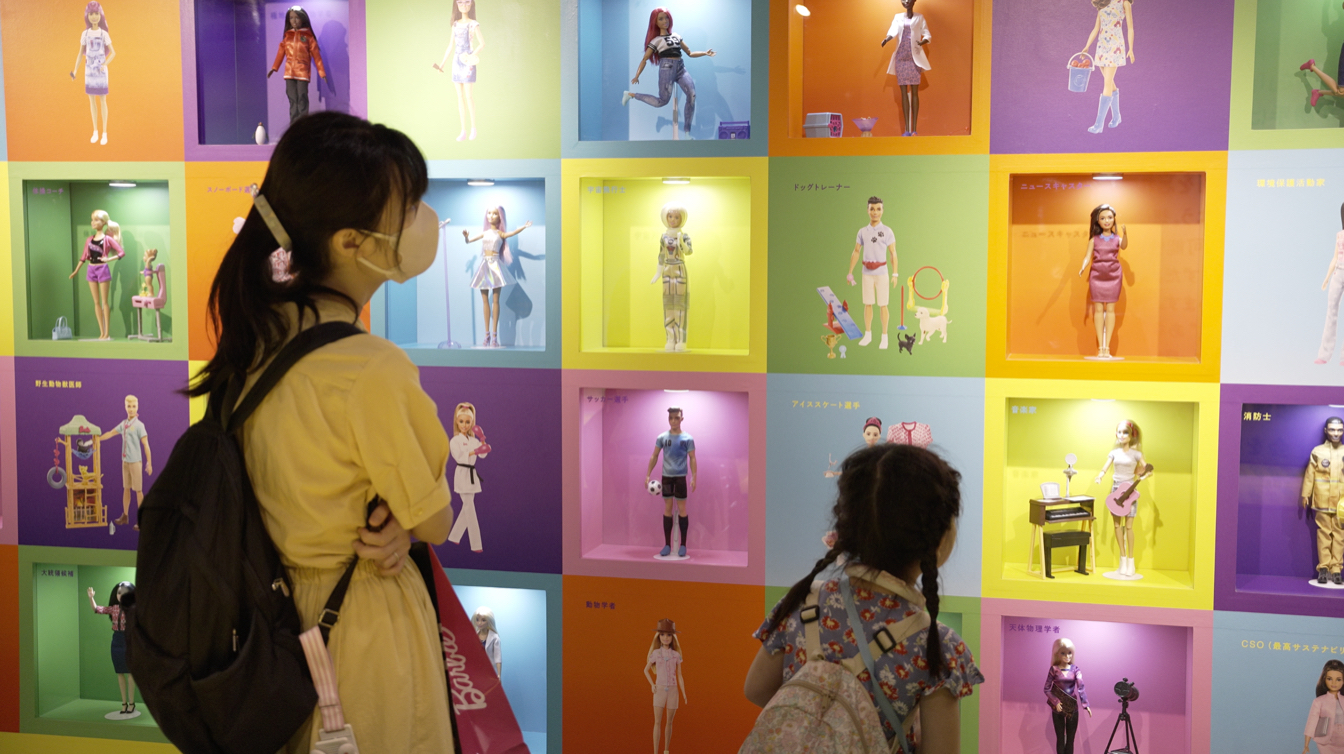
Since her debut in 1959, Barbie has evolved to reflect the changing environment surrounding women. This exhibition is inspired by Barbie’s message, “You can be anything,” and aims to encourage visitors to freely imagine their own future without limiting their potential.
“It doesn’t matter if you’re a girl or a boy. What’s more important is doing what you want to do,” Mattel International CEO Mark Pansard passionately told the 15 children gathered at the workshop.
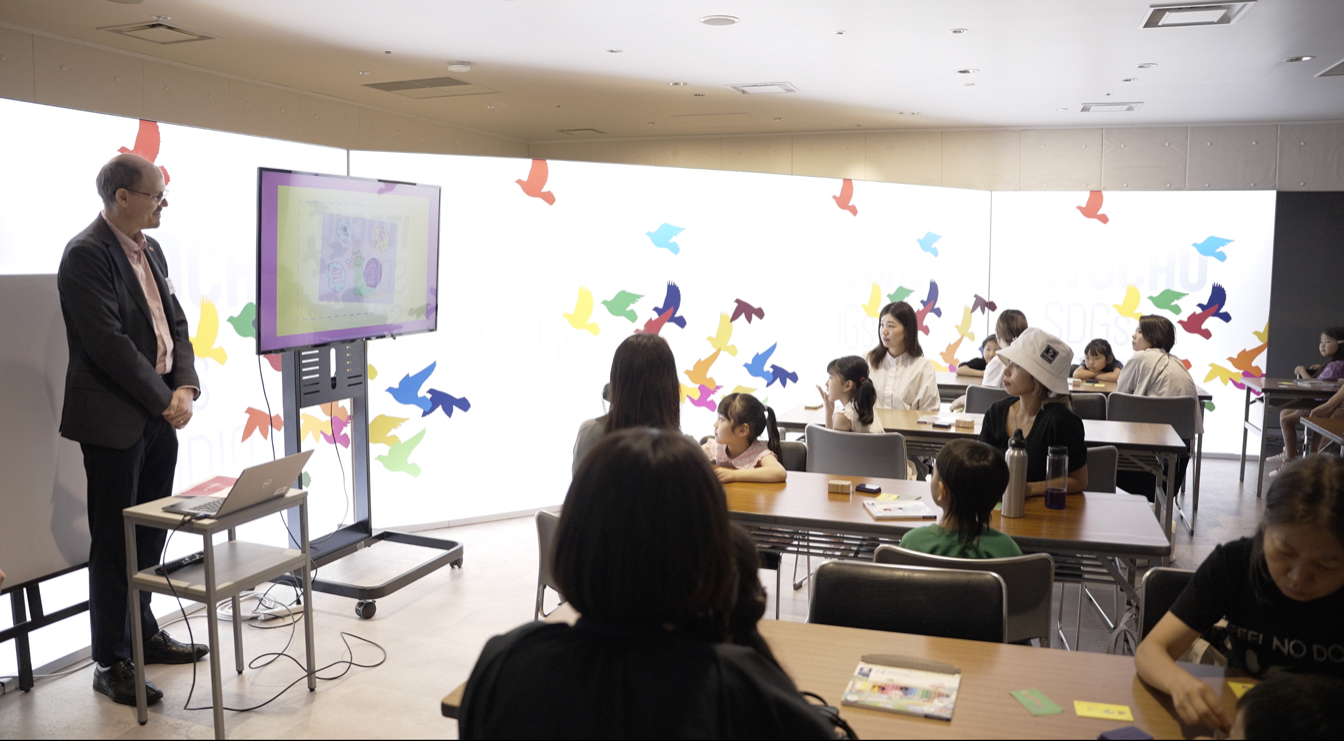
According to Pansar, research conducted in the United States since Mattel launched the Dream Gap Project in 2018 has revealed that girls aged 5 to 7 tend to give up on their dreams because they believe they are less capable than boys of the same age, and that 80% of respondents have the image that being a “CEO” is a man’s job.
Taking into account these deeply rooted gender gaps in thinking, this exhibition was designed to teach visitors, through various interactive exhibits, that occupations are diverse regardless of gender and that “you can become what you want to be.”
The exhibition was planned by Yuka Komoda of Itochu Corporation’s Corporate Brand Initiative. Regarding the reason for choosing Barbie dolls as a partner for a project themed on Japan’s gender gap, Ms. Komoda explained, “Barbie will celebrate her 65th anniversary in 2024, and since her debut, she has continued to send the message ‘You can be anything.’ while reflecting the changing environment surrounding women, so we invited her as a partner this time. By actually seeing Barbie and Ken dolls who have tried more than 250 different jobs, it will be easier for children to imagine themselves in their dream jobs.”
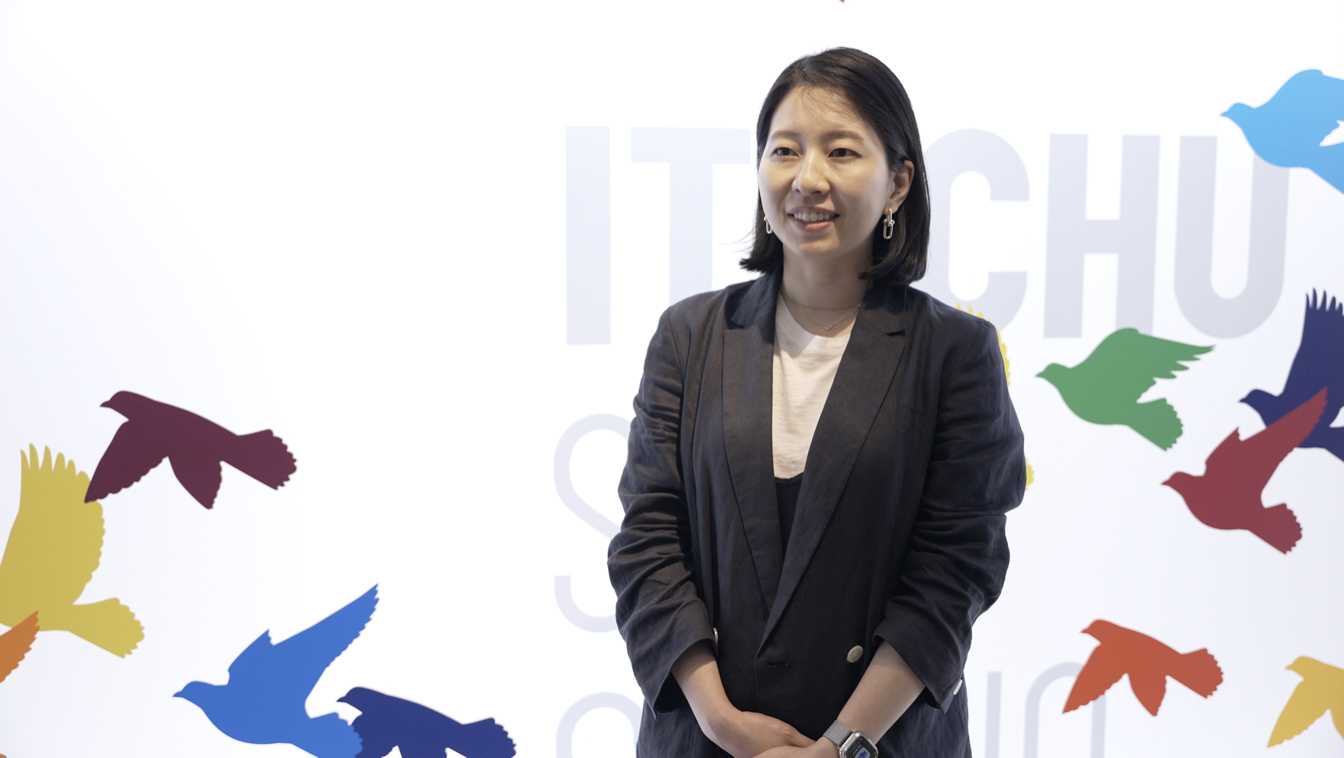
Furthermore, in Japan, where the percentage of women on the boards of executives at major listed companies remains at only 11.4% as of 2022, the exhibition argues that it is particularly important for people to be able to concretely visualize the profession by viewing it.
“I may have unconsciously believed in the past that there were dreams that I had to give up just because I was a girl, but I hope that this exhibition will help to eliminate such feelings,” (Komoda).
The exhibition, which was originally scheduled to end in three months, was extended by two weeks. It received a greater response than expected, with people of all ages showing interest, and on weekends, the number of visitors sometimes exceeded 500. What was particularly striking was the large number of university students who were about to enter the workforce. “I think that university students who are just starting to think about job hunting were able to think about what they want to become,” Komoda said.
Barbie has been criticized for promoting rather traditional and stereotypical images of women, but Mattel has also been conscious of “diversity” beyond fashion (gender, race, occupation, body type, etc.), creating Barbie dolls of astronauts even before humanity first landed on the moon (1969), and has expressed gender in a way that is in line with the changing times. Komoda said, “I hope this exhibition will be a ‘catalyst’ for both children and adults to realize that they should be able to think about their careers without being bound by gender bias.”
Translation: Takanori Isshiki Editing: Toshiyuki Maeda
Top photo: Photo by J-STORIES
For inquiries regarding this article, please contact jstories@pacificbridge.jp.
The English version of this article can be found here .