

J-STORIES – The declining birthrate is a global problem, mainly in developed countries, but Japan, in particular, is in a critical state, with its birth rate decreasing by more than 20% in the last seven years.
Amidst this situation, Soup Stock Tokyo (Meguro-ku, Tokyo) , a restaurant chain with approximately 50 stores nationwide, mainly in urban areas, began offering free baby food at all of its stores in April of this year.
The company originally started with the concept of providing fast food that is easy for women to enter alone, but under the slogan of supporting social diversity through “food,” it began offering a service where families with young children can enjoy meals with peace of mind.
📣小さなお客さまへ
4月25日(火)より、Soup Stock Tokyo全店で離乳食・キッズセットの提供をはじめます。離乳食(後期)の無料提供を全店で行うことになりました。もう少し大きくなったお子さまにはキッズセットのご用意も。ぜひ家族一緒にスープの時間をお楽しみください。🥄https://t.co/il3qoV0aMQ pic.twitter.com/CyDkX89BYZ
— スープストックトーキョー(公式) (@SoupStockTokyo) April 18, 2023
This situation stems from several factors: not only are there still few restaurants in Japan that offer baby food, but some restaurants in the country do not allow customers to bring in their own baby food, meaning that customers with young children are not always welcome.
However, while the company’s initiatives were met with much enthusiasm, they also faced unexpected problems. There was widespread backlash, with complaints that the increase in customers with young children made it difficult for solo diners who wanted a quiet experience. The issue became a trending topic on social media, with negative opinions spreading rapidly, and was even covered by various media outlets as a “flaming” incident.
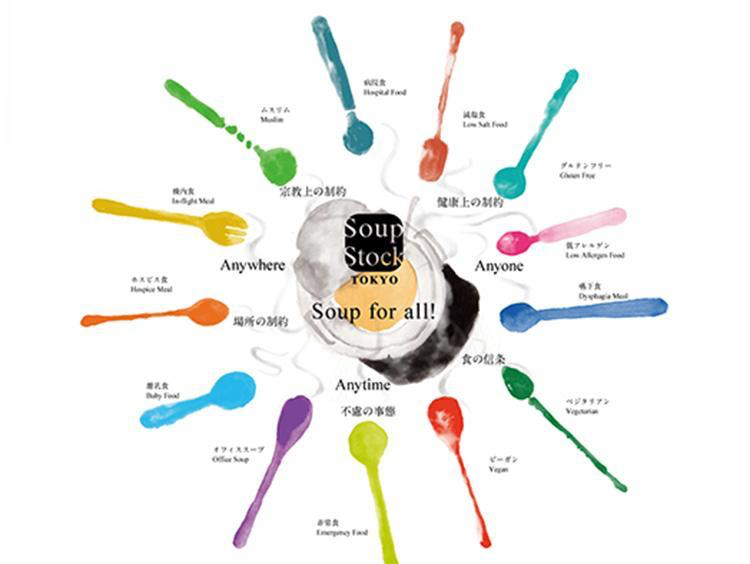
In a subsequent statement, Soup Stock emphasized the importance of its food accessibility project, “Soup for all!”.
The statement asked for understanding that the free provision of baby food would not discriminate against or give preferential treatment to any particular customer. Furthermore, it clarified its stance that it would “promote the ‘Soup for all!’ food accessibility initiative in the hope of helping people who have restrictions on what they can eat for various reasons or who are unable to eat freely.”
The company’s PR department told J-Stories in an interview that “the free provision of baby food was started for people who hesitate to eat out at restaurants because they have small children with them.” They added that it was a service in line with the spirit of “Soup for all!” and they had not expected any critical reaction.
“We want to raise the temperature of people’s hearts through a bowl of soup,” and “We want people to live vibrant lives without losing their individuality.” These are the management philosophies of the company, and “Soup for all!”, which aims to remove barriers to eating, is an important initiative to realize these goals.
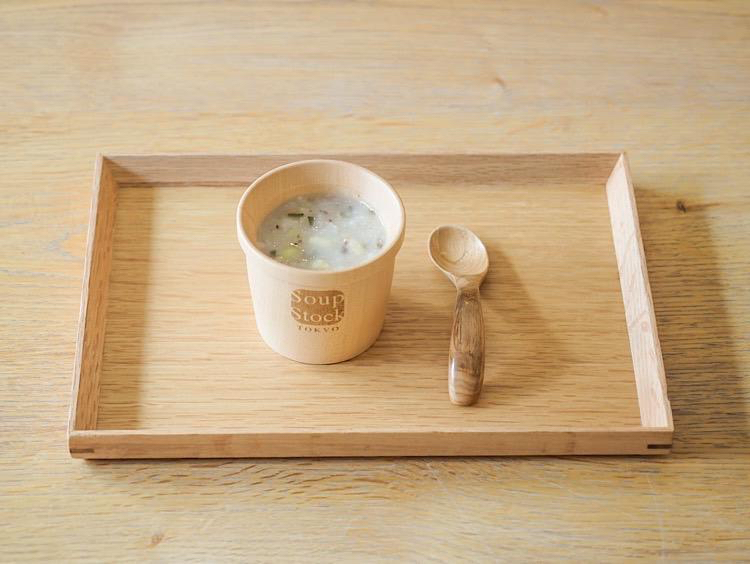
This company is not the first to offer free baby food. Previously, other companies, such as IKEA Japan (Funabashi City, Chiba Prefecture), have offered commercially available baby food to their members. However, Soup Stock Tokyo offers its own original baby food, which it has created in-house.
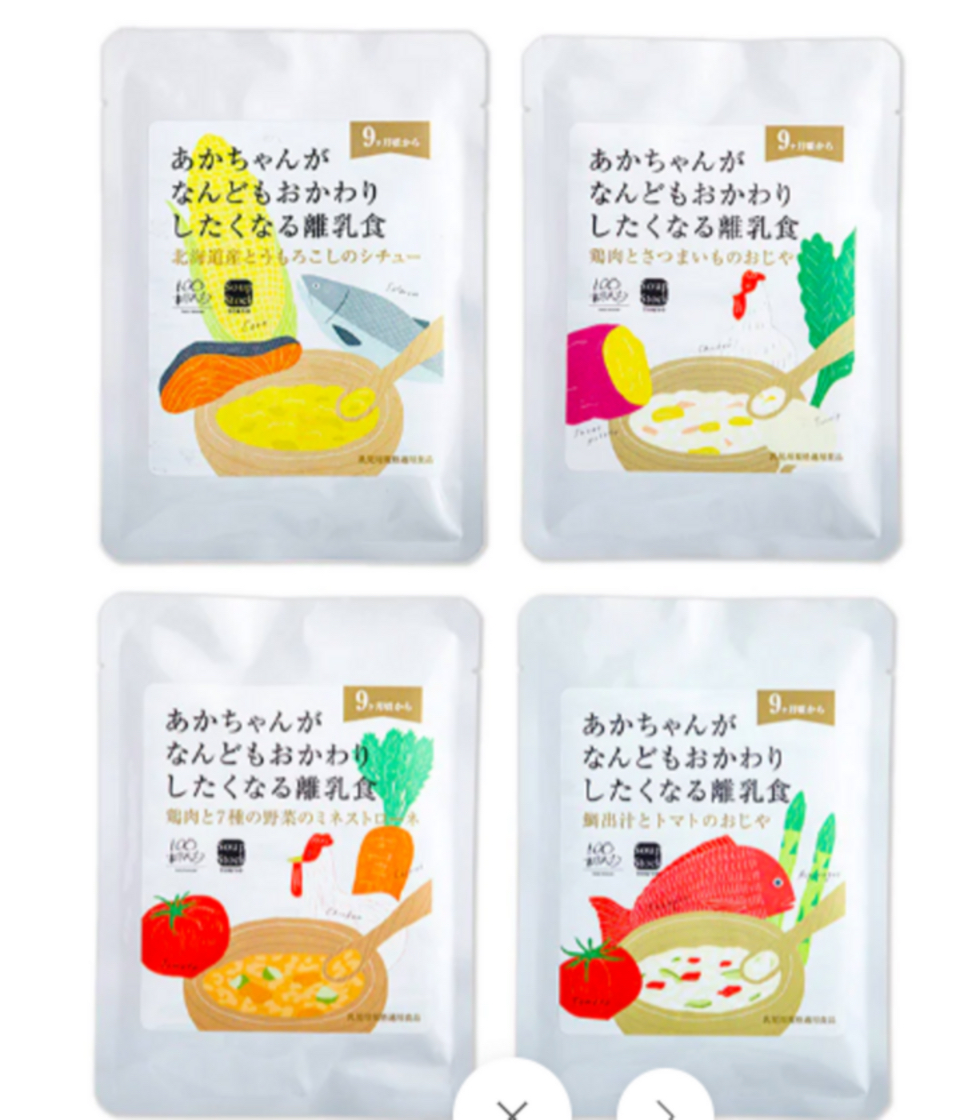
The company’s family restaurant chain, ” 100 Spoons ,” has been offering these items for free since 2015. In 2020, they also began selling a ready-made baby food product called “Baby Food That Makes Babies Want Seconds Again and Again” at some of their stores.
The “Soup for all!” project currently offers gluten-free and vegetarian options, and the Tachikawa store has also started a chew-friendly meal service for the elderly. In the past, they have developed halal products and provided free meals to healthcare workers during the COVID-19 pandemic. “Going forward, we plan to develop meals for hospitals, care workers, and low-sodium diets,” (according to the company’s PR department).
In 2022, they held the “Ally Days” campaign, which encouraged people to “become someone’s ally (meaning a supporter or understanding person) by eating soup,” and donated a portion of the proceeds to ReBit, a certified NPO that works on issues affecting LGBTQ children and young people.
While the company implements these diversity support initiatives at all its stores, each store also sees “individuals who resonate with the company’s philosophy taking spontaneous action, such as offering a word of encouragement to customers who are job hunting or offering hot water to customers wearing maternity marks,” according to the company’s PR department.
“Soup is a dish that is loved and enjoyed by people of all ages, from infants to centenarians, transcending gender, nationality, and culture. We have wanted to be a brand that appeals to everyone since our founding,” (according to the company’s PR department). The company offers 8 to 15 different soups at each of its stores, which are adaptations of various recipes with roots in different parts of the world.
Because the company has many stores near train stations, it is easily accessible to tourists from overseas. It could become a place where people of all ages and nationalities can gather and consider the diversity of food from various perspectives.
Article by: Fumika Sagazaki, Edited by: Katsuro Kitamatsu
Top photo: Provided by Soup Stock Tokyo
For inquiries regarding this article, please contact jstories@pacificbridge.jp.
The English version of this article can be found here .